
Introduction
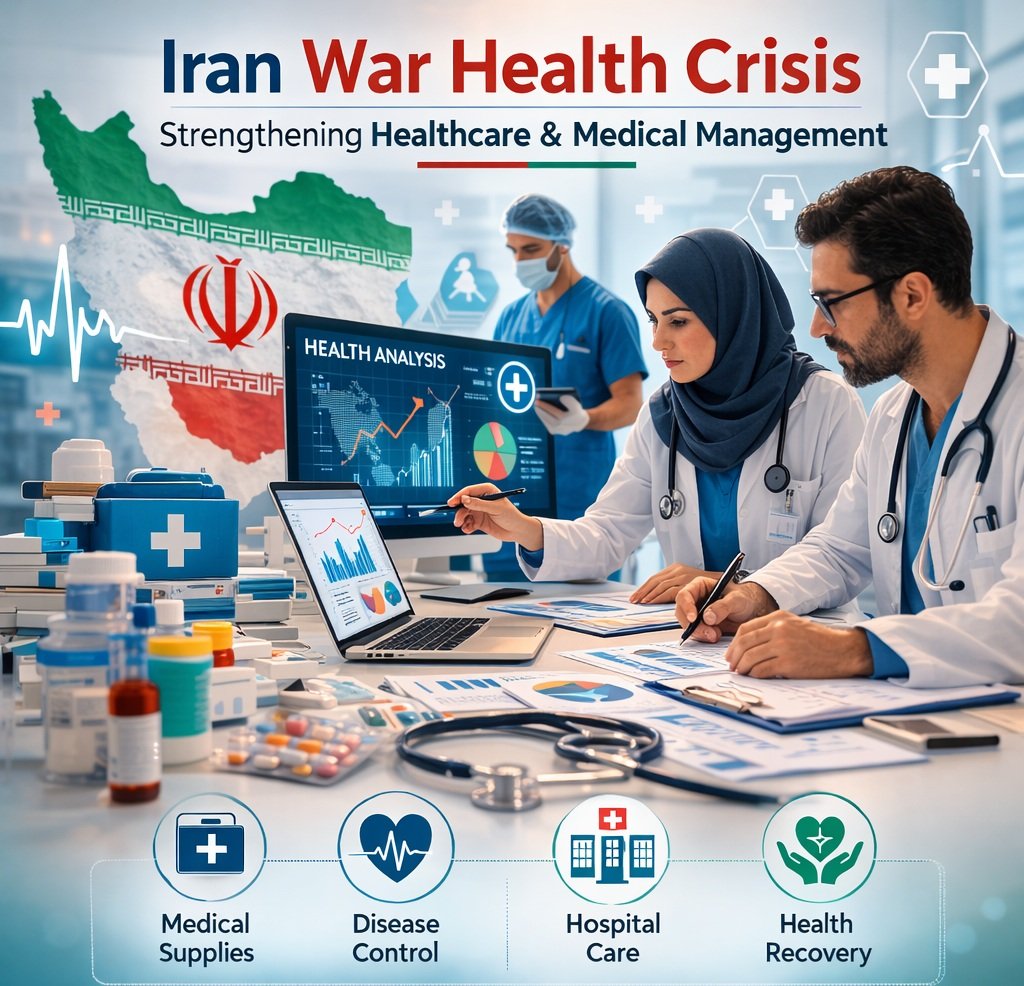
War does not only destroy buildings and infrastructure—it also destroys healthcare systems. The Iran war health crisis has rapidly become one of the most alarming humanitarian challenges in the region. Hospitals are overwhelmed, medical supplies are scarce, and millions of civilians are struggling to receive basic treatment.
As conflict intensifies, doctors and aid organizations warn that the healthcare system may reach a breaking point. Injured civilians, displaced families, and vulnerable patients are facing an unprecedented emergency.
This article explores how the Iran war health crisis is affecting hospitals, civilians, and the international community.
The Beginning of the Iran War Health Crisis
The Iran war health crisis began shortly after military tensions escalated across the region. Airstrikes, missile attacks, and ongoing clashes have damaged hospitals, clinics, and emergency response systems.
Healthcare workers report several major problems:
- Hospitals damaged by attacks
- Shortage of doctors and nurses
- Lack of emergency medical equipment
- Disruption of medicine supply chains
When conflict spreads across cities, healthcare infrastructure often becomes collateral damage. In Iran and surrounding areas affected by the conflict, medical facilities are struggling to operate under extremely dangerous conditions.
Many hospitals are now operating beyond their capacity.
Hospitals Under Pressure
Overcrowded Emergency Rooms
One of the most visible aspects of the Iran war health crisis is overcrowded hospitals. Emergency rooms are flooded with patients suffering from:
- Blast injuries
- Burns
- Gunshot wounds
- Trauma-related injuries
Doctors are forced to treat patients in hallways due to lack of beds.
In some cities, hospitals designed for a few hundred patients are now treating thousands.
Shortage of Medicines and Equipment
Another serious problem fueling the Iran war health crisis is the shortage of essential medicines.
Key shortages include:
- Antibiotics
- Painkillers
- Surgical equipment
- Blood supplies
- Oxygen cylinders
Supply routes are often disrupted during wartime, making it difficult for hospitals to receive shipments.
Doctors sometimes have to reuse equipment or perform surgeries with limited tools.
Impact on Civilians
Women and Children at Highest Risk
Civilians suffer the most during war, and the Iran war health crisis is no exception.
Women and children face unique challenges:
- Pregnant women struggle to access maternity care
- Children miss routine vaccinations
- Malnutrition increases due to food shortages
In some areas, parents must travel long distances just to find a functioning clinic.
Rise of Infectious Diseases
War conditions often create the perfect environment for disease outbreaks.
Poor sanitation, overcrowded shelters, and damaged infrastructure have increased the risk of diseases such as:
- Cholera
- Respiratory infections
- Skin infections
- Waterborne diseases
Public health experts warn that the Iran war health crisis could lead to large-scale epidemics if emergency support is not provided quickly.
Mental Health Crisis
Trauma and Psychological Stress
The Iran war health crisis is not limited to physical injuries. Mental health problems are rising rapidly among civilians.
Common psychological issues include:
- Post-traumatic stress disorder (PTSD)
- Anxiety disorders
- Depression
- Sleep disorders
Children exposed to explosions and violence often develop long-term trauma.
Unfortunately, mental health services are extremely limited during wartime.
Healthcare Workers on the Front Line
Doctors, nurses, and paramedics are risking their lives daily.
Healthcare workers face multiple dangers:
- Working under bombardment
- Long shifts without rest
- Lack of protective equipment
- Emotional burnout
Many hospitals operate with reduced staff because some healthcare workers have been displaced or injured.
Despite these challenges, medical teams continue to treat patients under extremely difficult conditions.
Their dedication remains one of the few pillars supporting the collapsing healthcare system.
International Aid Efforts
Humanitarian organizations are trying to respond to the Iran war health crisis, but access remains difficult.
Several global organizations have attempted to deliver aid, including:
- Emergency medical kits
- Mobile hospitals
- Vaccination programs
- Clean water supplies
However, conflict zones often limit safe access for aid workers.
Without large-scale international cooperation, the crisis could worsen.
Economic Impact on Healthcare
War severely damages national economies, and healthcare systems suffer as a result.
Government resources are redirected toward military spending, leaving fewer funds available for healthcare.
Economic challenges affecting the Iran war health crisis include:
- Rising medical costs
- Inflation affecting medicine prices
- Reduced hospital funding
- Damage to pharmaceutical supply chains
This economic strain makes recovery even more difficult.
The Role of Global Health Organizations
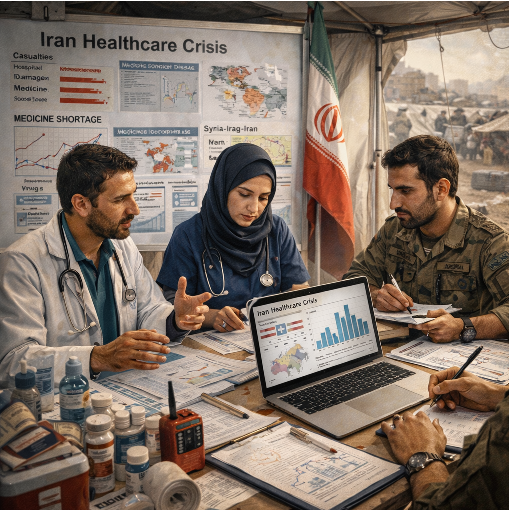
Global health agencies are monitoring the Iran war health crisis closely.
Organizations are working to:
- Track disease outbreaks
- Provide emergency vaccines
- Support refugee healthcare
- Deliver medical supplies
Public health experts emphasize that early intervention can prevent long-term regional health disasters.
Why the Iran War Health Crisis Matters Globally
The Iran war health crisis is not just a regional issue—it has global implications.
War-driven health emergencies can lead to:
- Refugee health crises in neighboring countries
- Spread of infectious diseases across borders
- Strain on international aid systems
Global health stability depends on addressing crises before they escalate further.
The Iran war health crisis refers to the severe strain on healthcare systems caused by ongoing conflict, including damaged hospitals, medicine shortages, and limited access to treatment for civilians.
War often disrupts infrastructure, supply chains, and hospital operations. In the Iran war health crisis, medical facilities face damage, staff shortages, and difficulties obtaining essential medicines and equipment.
Civilians experience limited access to hospitals, increased risk of disease, shortages of medicines, and delays in emergency treatment. Vulnerable groups like children and the elderly are especially affected.
Hospitals report shortages of antibiotics, surgical supplies, blood units, oxygen cylinders, and basic medical equipment due to disrupted supply chains.
Conflict often leads to overcrowded shelters, poor sanitation, and damaged water systems. These conditions can increase the spread of infectious diseases such as respiratory infections and waterborne illnesses.
Several humanitarian organizations and global health agencies attempt to provide medical supplies, emergency clinics, and vaccination programs, although access to conflict zones can be difficult.
The Iran war health crisis has increased psychological stress among civilians, leading to anxiety, trauma, depression, and post-traumatic stress disorder, particularly among children.
Doctors and nurses often work long hours under dangerous conditions, dealing with overcrowded hospitals, limited resources, and emotional pressure while treating large numbers of patients.
Large-scale displacement may increase refugee populations in nearby regions, which can place additional pressure on healthcare services and humanitarian support systems.
International humanitarian aid, protection of medical facilities, restoration of supply chains, and diplomatic efforts to stabilize the region are key steps to improving healthcare conditions.
Refugee Health Emergency
One of the most serious consequences of the Iran war health crisis is the rapid increase in displaced populations. As violence spreads and infrastructure collapses, thousands of families are forced to leave their homes in search of safety.
Displacement creates immediate health risks. Refugee camps and temporary shelters often lack proper sanitation, clean water, and medical care. Overcrowded living conditions increase the likelihood of disease transmission.
Many refugees arrive at camps with untreated injuries, chronic illnesses, or severe dehydration. Medical volunteers working in these areas report that some families travel for days without access to healthcare.
Children in refugee communities are especially vulnerable. Without regular vaccinations and proper nutrition, they face increased risks of infections and developmental problems.
If displacement continues to grow, the Iran war health crisis could evolve into a regional refugee health emergency affecting neighboring countries as well.
Food Insecurity and Malnutrition
War not only damages hospitals but also disrupts food production and distribution systems. As the conflict continues, the Iran war health crisis is becoming closely connected to rising food insecurity.
When supply chains break down, basic food items become scarce or extremely expensive. Farmers may abandon fields due to safety concerns, while transportation networks struggle to deliver goods to urban areas.
The result is a growing problem of malnutrition, particularly among vulnerable populations such as children, pregnant women, and the elderly.
Malnutrition weakens the immune system, making people more susceptible to infections. In areas already facing limited healthcare access, this creates a dangerous cycle: illness increases while medical treatment becomes harder to obtain.
Doctors warn that prolonged food shortages could worsen the Iran war health crisis, leading to long-term health consequences for entire communities.
Impact on Elderly and Chronic Disease Patients
Another overlooked dimension of the Iran war health crisis is the impact on people living with chronic illnesses.
Patients who depend on continuous treatment face serious challenges during wartime. Conditions such as diabetes, heart disease, kidney failure, and cancer require regular medical monitoring and medication.
However, war disrupts routine healthcare services. Clinics close, pharmacies run out of supplies, and transportation becomes dangerous.
For many elderly patients, traveling to hospitals is no longer possible. As a result, they miss essential treatments such as dialysis, insulin therapy, or blood pressure management.
The consequences can be life-threatening. Healthcare professionals emphasize that chronic disease management must remain a priority, even during conflict.
Without sustained medical support, the Iran war health crisis could lead to a silent surge in preventable deaths among vulnerable populations.
Damage to Public Health Infrastructure
Beyond hospitals and clinics, the war is also damaging critical public health infrastructure.
Essential systems such as water treatment plants, sanitation networks, and electricity grids play a crucial role in maintaining population health. When these systems fail, health conditions deteriorate rapidly.
The Iran war health crisis has already exposed several infrastructure vulnerabilities:
- Power outages affecting hospital equipment
- Damaged water pipelines leading to contamination
- Waste management disruptions increasing infection risks
- Limited fuel supplies for ambulances and generators
Hospitals rely heavily on electricity for operating rooms, ventilators, and life-support systems. Frequent power interruptions make medical procedures extremely difficult.
Public health experts warn that infrastructure damage can create long-term health consequences even after the conflict ends.
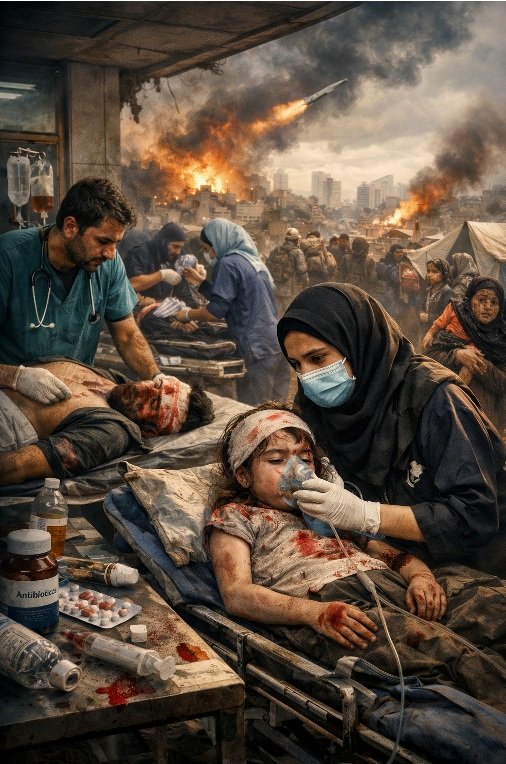
The Burden on Emergency Medical Services
Emergency response systems are under enormous pressure during the Iran war health crisis. Ambulances and rescue teams must operate in unpredictable and dangerous environments.
Medical responders often face obstacles such as blocked roads, destroyed bridges, and ongoing airstrikes. These conditions delay response times and make it harder to reach injured civilians quickly.
In some areas, emergency vehicles struggle to find enough fuel to operate. Hospitals also face shortages of blood supplies and trauma equipment needed for life-saving procedures.
Despite these challenges, emergency teams continue to work tirelessly to rescue victims and transport them to medical facilities.
Their efforts play a crucial role in preventing the healthcare crisis from becoming even more severe.
Long-Term Health Consequences
Even after the fighting eventually stops, the Iran war health crisis will likely leave lasting effects on the population.
War-related health crises often produce long-term consequences such as:
- Increased disability rates from untreated injuries
- Higher maternal and infant mortality
- Long-term mental health disorders
- Chronic disease complications
Children who grow up during conflict may experience lifelong health challenges due to malnutrition, disrupted education, and trauma.
Healthcare systems also require years—sometimes decades—to fully recover from war damage.
Rebuilding hospitals, training medical staff, and restoring supply chains will be a major challenge once peace returns.
The Role of Technology in Crisis Healthcare
Despite the challenges, technology is playing an increasingly important role in addressing the Iran war health crisis.
Telemedicine platforms allow doctors to provide consultations remotely, helping patients who cannot travel safely to hospitals. Mobile health units are also being deployed in some areas to deliver emergency treatment.
Digital health tools help organizations track disease outbreaks and coordinate humanitarian aid more effectively.
Medical drones are being explored as another innovative solution. These drones can deliver small packages of medicines, vaccines, or blood supplies to isolated communities.
While technology cannot replace fully functioning hospitals, it can help reduce some of the immediate pressures caused by war-related disruptions.
Community Support and Local Resilience
In many affected regions, local communities are playing a crucial role in responding to the Iran war health crisis.
Community volunteers often assist in transporting injured individuals, distributing food supplies, and helping healthcare workers manage crowded clinics.
Local charities and civil society groups have also stepped in to provide emergency assistance. Some organizations are organizing mobile medical camps to reach rural or isolated populations.
Community resilience has proven essential in maintaining basic healthcare services during periods of instability.
However, local efforts alone cannot fully address the scale of the crisis.
Diplomatic Efforts and the Path Toward Stability
Ending the Iran war health crisis ultimately requires political solutions. Diplomatic negotiations and ceasefire agreements remain critical for stabilizing the region and allowing humanitarian aid to reach affected populations safely.
International mediators are urging all parties involved in the conflict to respect humanitarian law and protect medical facilities.
Hospitals and healthcare workers must remain neutral zones during conflict. Protecting these institutions is essential for preserving civilian health.
Global leaders and humanitarian organizations continue to advocate for increased cooperation and immediate relief efforts.
Only through coordinated diplomatic action can the healthcare system begin to recover from the damage caused by war.
Conclusion: A Crisis That Demands Global Attention
The Iran war health crisis represents one of the most serious humanitarian challenges emerging from the conflict. Hospitals are overwhelmed, medical supplies are running low, and millions of civilians are facing growing health risks.
From refugee health emergencies to infrastructure damage and chronic disease disruptions, the crisis is affecting every layer of society.
Healthcare workers, volunteers, and humanitarian organizations continue to provide lifesaving assistance despite enormous obstacles. Their efforts highlight the resilience and determination of those working on the front lines of the crisis.
However, lasting solutions require international cooperation, humanitarian access, and a commitment to protecting civilian healthcare systems.
Until stability returns, the Iran war health crisis will remain a critical issue demanding the attention of the global community.