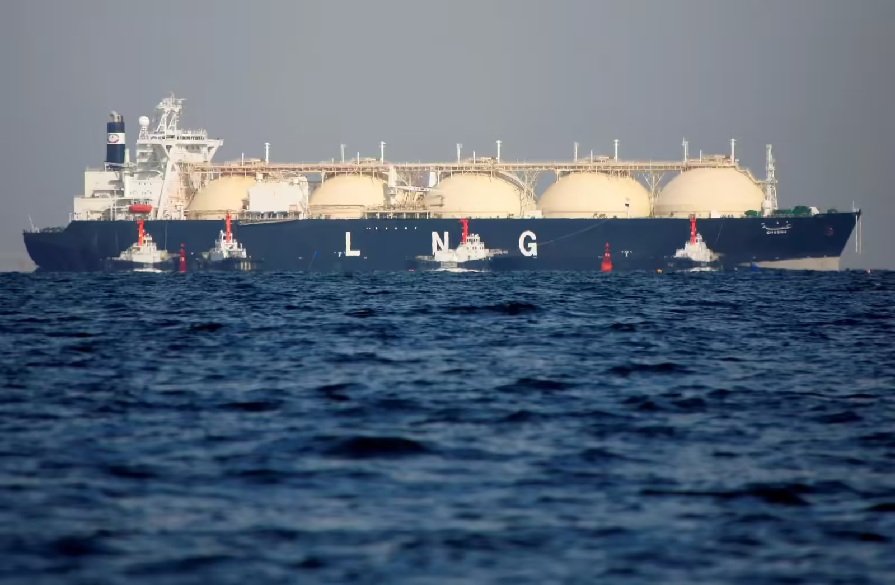

The phrase LPG vessels unloading Mangaluru has suddenly become one of the most searched topics in India’s energy and logistics sector—and for good reason. Over the past few weeks, a mix of global tensions, shipping disruptions, and domestic demand has put pressure on LPG supplies. And right at the center of this unfolding story is Mangaluru’s busy port.
So, what exactly is happening? Why are these shipments so important? And how does it affect everyday households, industries, and even students in hostels?
Let’s break it down in a simple, conversational way.
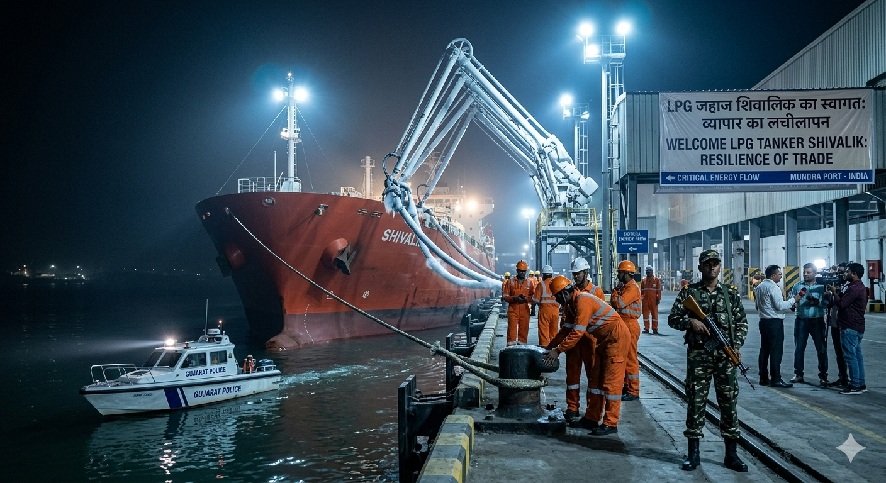
Why Mangaluru Port matters in India’s LPG supply chain
Before diving into recent developments, it’s important to understand why Mangaluru plays such a critical role.
New Mangalore Port is not just any port—it’s one of India’s major gateways for petroleum products, including LPG. Located on the west coast, it handles imports from regions like the Middle East, the United States, and Russia.
Here’s why it’s so crucial:
- It is Karnataka’s only major port
- It handles large volumes of LPG and crude oil imports
- It connects directly to refineries and distribution networks
- It supports both domestic and industrial fuel needs
Because of this, any activity involving LPG vessels unloading here immediately impacts supply across multiple states.
Recent surge in LPG vessel activity
The latest buzz around LPG vessels unloading Mangaluru comes from a series of high-profile arrivals.
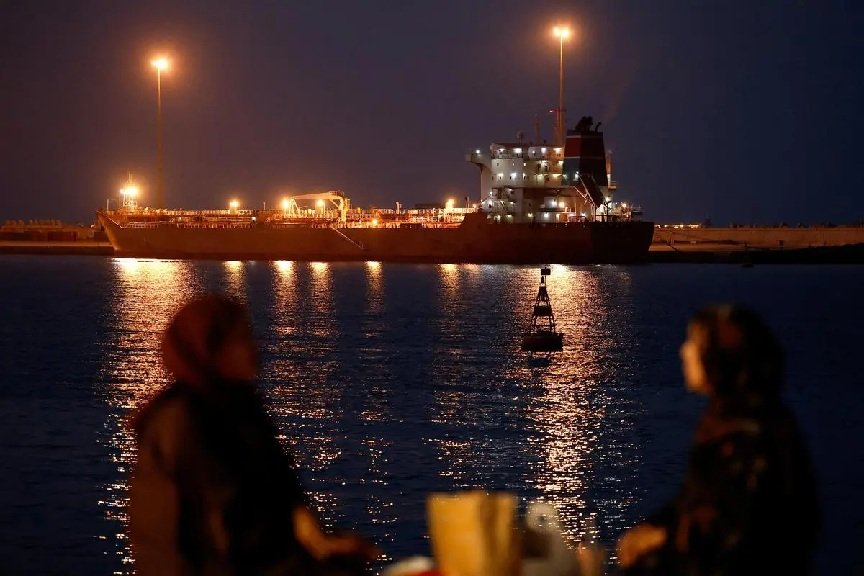
A major LPG tanker named Pyxis Pioneer recently docked at the port carrying over 16,000 tonnes of LPG from the United States.
This wasn’t just another shipment—it arrived at a time when India was facing supply concerns due to geopolitical tensions in West Asia.
Another important detail:
- Multiple vessels are scheduled to arrive in sequence
- Some are carrying LPG, others crude oil and fuel products
- Deliveries are being prioritized to stabilize supply
According to port authorities, additional LPG shipments are expected in the coming days, signaling a sustained effort to ease pressure on the supply chain.
What caused the sudden demand spike?
You might be wondering—why all this urgency?
The answer lies in a combination of global and local factors.
1. West Asia tensions
Shipping routes in the Strait of Hormuz—one of the world’s most important oil corridors—have been disrupted. Several LPG carriers were delayed or stranded.
This created uncertainty in supply.
2. Increased domestic demand
India’s LPG consumption continues to grow due to:
- Rising population
- Expansion of Ujjwala scheme
- Increased urban usage
3. Supply chain disruptions
Some shipments were delayed or rerouted, causing temporary shortages in certain regions.
As a result, LPG vessels unloading Mangaluru became a critical lifeline to restore balance.
Step-by-step: How LPG unloading actually works
Let’s simplify the process—because it’s more interesting than it sounds.
1. Vessel arrival and berthing
The LPG tanker arrives and docks at a specialized terminal designed for gas handling.
2. Safety checks
Before unloading begins:
- Pressure systems are tested
- Leak detection systems are activated
- Emergency protocols are reviewed
3. Transfer to storage tanks
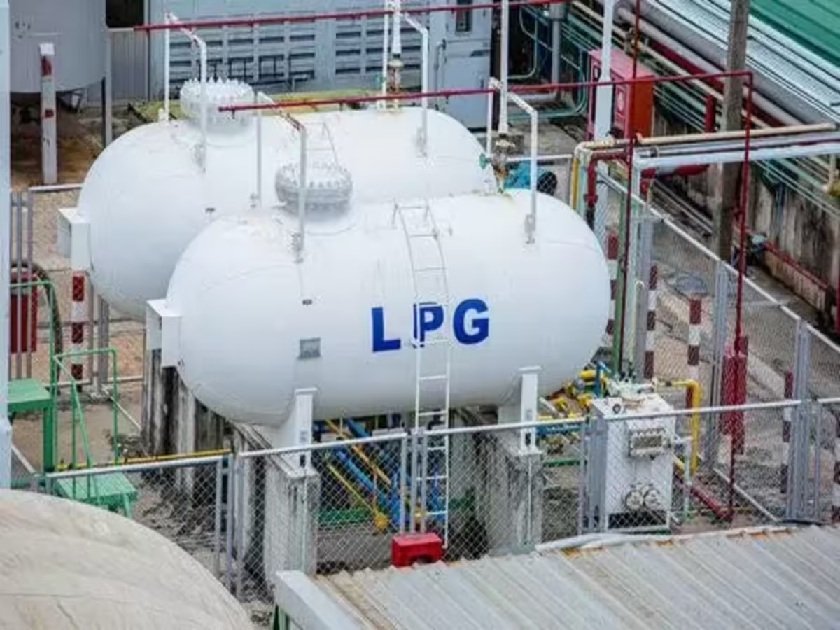
LPG is transferred via pipelines into large storage tanks at the port.
4. Distribution
From there, LPG is transported through:
- Tanker trucks
- Pipelines
- Rail systems
5. Final delivery
Eventually, it reaches:
- Cylinder bottling plants
- Industrial units
- Commercial kitchens
This entire process ensures that LPG safely moves from ship to stove.
Impact on households and daily life
The importance of LPG vessels unloading Mangaluru becomes very real when you look at how shortages affect people.
Recently, due to supply issues:
- Some hostels in Mangaluru had to shut kitchens
- Students were sent home temporarily
- Meal menus were reduced or simplified
That’s a direct reminder—this isn’t just about ships and cargo. It’s about everyday life.
When supply improves:
- Cylinder availability increases
- Prices stabilize
- Panic buying reduces
Industrial and economic implications
Beyond households, LPG is a major industrial fuel.
Key sectors affected:
- Manufacturing units
- Hotels and restaurants
- Chemical industries
- Power generation (in some cases)
A steady flow of LPG vessels unloading Mangaluru ensures that these industries continue functioning without disruption.
If supply slows down:
- Production costs rise
- Output decreases
- Businesses face operational challenges
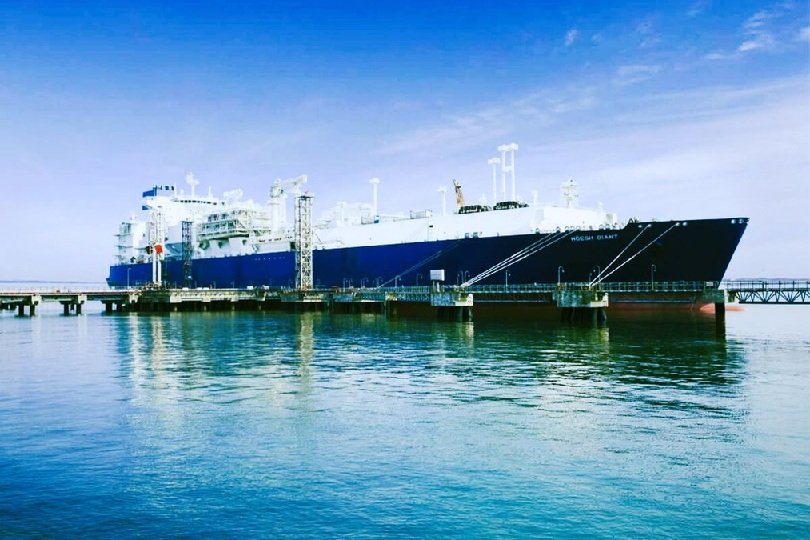
India’s strategy to secure LPG supply
India isn’t relying on just one source anymore. Instead, it’s diversifying imports.
Key strategies include:
- Importing LPG from the United States
- Continuing trade with Russia
- Using alternative shipping routes
- Increasing domestic production
The arrival of US-based LPG shipments highlights this shift.
This diversification reduces dependence on any single region.
The role of logistics companies and refineries
Handling LPG imports isn’t just about ships—it involves a network of companies.
Major players include:
- Indian Oil Corporation Limited (IOCL)
- Bharat Petroleum Corporation Limited (BPCL)
- Mangalore Refinery and Petrochemicals Limited (MRPL)
- Aegis Logistics
These companies coordinate:
- Import contracts
- Storage infrastructure
- Distribution networks
Their efficiency determines how smoothly LPG reaches consumers.
Safety measures during LPG unloading
LPG is highly flammable, so safety is a top priority.
Ports like Mangaluru follow strict protocols:
- Continuous monitoring of pressure levels
- Fire suppression systems
- Restricted access zones
- Emergency response teams
Past incidents in India highlight the importance of these precautions, making safety non-negotiable.
Upcoming shipments and expectations
The story doesn’t end with one or two vessels.
According to port schedules:
- More LPG carriers are expected this week
- Additional fuel shipments are lined up
- Activity at the port will remain high
This consistent flow of LPG vessels unloading Mangaluru is expected to:
- Ease supply shortages
- Stabilize prices
- Restore normalcy
How global geopolitics affects your LPG cylinder
It may sound surprising, but your kitchen cylinder is directly connected to global events.
Here’s how:
- Conflicts affect shipping routes
- Shipping delays impact supply
- Supply shortages influence prices
For example, tensions in West Asia have already impacted LPG transport routes, forcing countries to rethink logistics strategies.
Environmental considerations
While LPG is considered a cleaner fuel compared to coal and firewood, it still has environmental implications.
Positive aspects:
- Lower emissions than solid fuels
- Reduced indoor pollution
- Cleaner cooking fuel
Concerns:
- Fossil fuel dependency
- Carbon emissions during transport
- Storage and handling risks
This is why India is also exploring alternatives like:
- Electric cooking
- Biogas
- Renewable energy
Future of LPG imports in India
Looking ahead, LPG demand is expected to grow steadily.
Trends to watch:
- Increased port infrastructure
- Expansion of storage facilities
- Greater reliance on global suppliers
- Technological upgrades in logistics
Mangaluru will likely remain a key hub in this ecosystem.
Challenges ahead
Despite improvements, several challenges remain:
- Geopolitical uncertainties
- Shipping delays
- Infrastructure bottlenecks
- Price volatility
Ensuring smooth operations of LPG vessels unloading Mangaluru will require continuous coordination between government, ports, and private players.
What this means for consumers
For the average consumer, all this boils down to three things:
- Availability of LPG cylinders
- Stable pricing
- Reliable supply
When shipments increase, the situation improves quickly.
So yes, those ships arriving at Mangaluru really do matter.
Conclusion
The recent developments around LPG vessels unloading Mangaluru highlight how interconnected the world has become. A ship sailing from Texas or Russia can directly impact a household kitchen in India.
From global conflicts to port logistics, from tanker arrivals to cylinder deliveries—it’s all part of one complex system.
The good news? With multiple shipments arriving and more on the way, the situation appears to be stabilizing. Mangaluru’s port continues to play a vital role in ensuring India’s energy security.