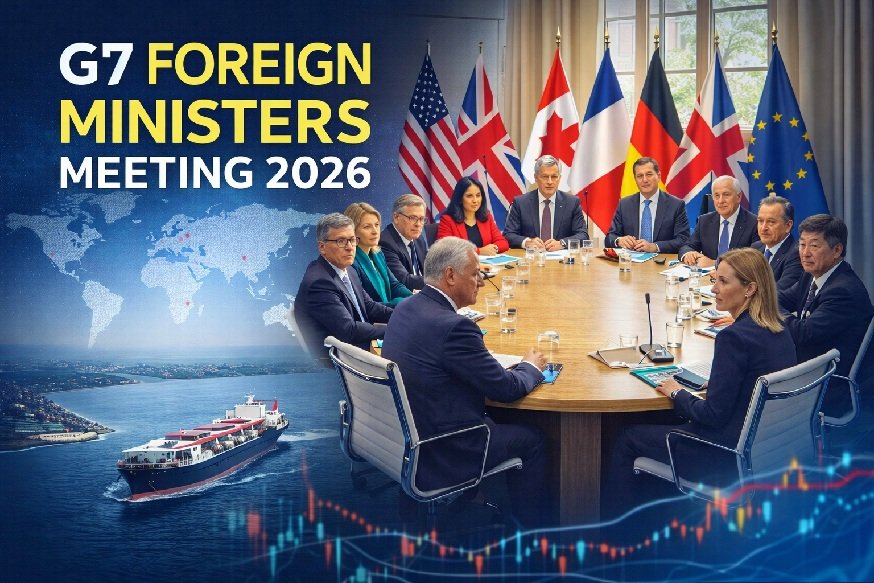

The world of diplomacy rarely sleeps, but some moments carry more weight than others. One such moment is the G7 foreign ministers meeting 2026, a high-level gathering that has drawn global attention due to rising geopolitical tensions, economic uncertainty, and shifting alliances.
Held under France’s presidency, this meeting wasn’t just another diplomatic routine—it became a platform where the most powerful democracies attempted to navigate a rapidly changing world order. From conflicts in the Middle East to economic shocks and maritime security, every discussion carried global consequences.
Let’s unpack everything you need to know in a clear, engaging way.
What is the G7 and why this meeting matters
Before diving deep, it helps to understand the structure behind these discussions.
The Group of Seven (G7) consists of:
- United States
- United Kingdom
- France
- Germany
- Italy
- Canada
- Japan
- European Union (as a non-enumerated member)
These nations represent some of the largest economies and most influential political powers in the world. Their foreign ministers meet regularly to coordinate responses to global crises.
The G7 foreign ministers meeting 2026 plays a critical role because it sets the tone ahead of the annual leaders’ summit and shapes international policy direction.
Where and when the meeting took place
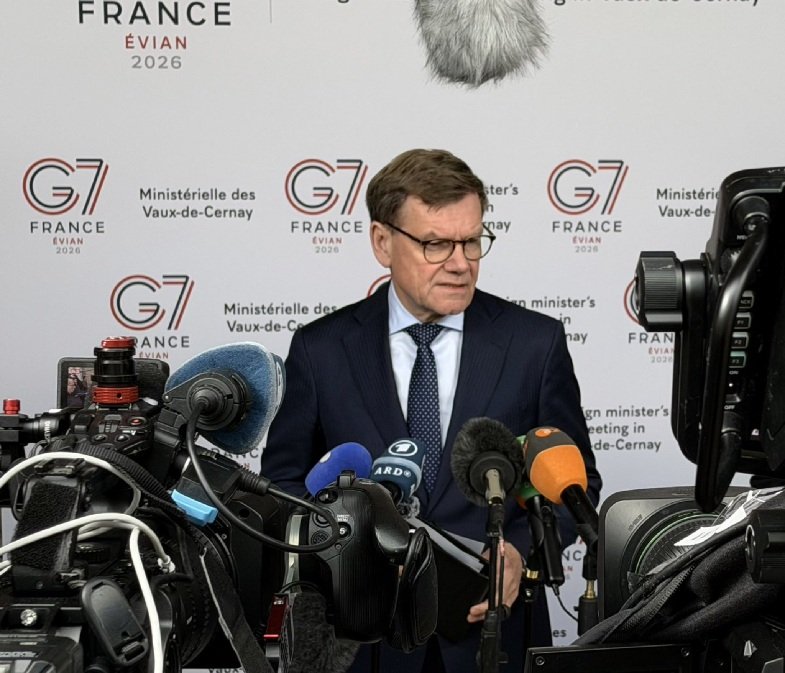
The 2026 meeting was hosted in France, near Paris, as part of its G7 presidency.
It took place in late March, specifically around March 26–27, at a historic venue that symbolized diplomacy and collaboration.
France’s leadership this year is especially important because it is also hosting the G7 Summit scheduled for June 2026.
This makes the ministers’ meeting a crucial preparatory step.
Key global issues discussed
Rising tensions in the Middle East
One of the most urgent topics was the escalating conflict involving Iran.
Foreign ministers expressed deep concern over:
- Attacks on civilians
- Damage to infrastructure
- Regional instability
They called for an immediate halt to violence and emphasized protecting civilian lives.
This issue dominated the agenda, showing how fragile the current geopolitical environment has become.
Ukraine conflict and Western unity
Another major discussion point was the ongoing war in Ukraine.
However, unity wasn’t as strong as in previous years. Reports indicated:
- Differences between the United States and European allies
- Concerns about negotiation strategies
- Pressure regarding peace talks with Russia
These disagreements highlighted cracks within the alliance, making the meeting even more significant.
Freedom of navigation and global trade
Trade routes are the lifelines of the global economy, and the G7 ministers made it clear that protecting them is non-negotiable.
Special attention was given to:
- The Strait of Hormuz
- Maritime security
- Shipping disruptions
The ministers stressed that uninterrupted navigation is essential for economic stability.
This is particularly important as energy supplies and global trade depend heavily on these routes.
Economic shocks and supply chains
The ripple effects of global conflicts are not limited to politics—they directly impact economies.
The meeting addressed:
- Energy supply disruptions
- Fertilizer shortages
- Inflationary pressures
- Fragile supply chains
Ministers emphasized coordinated efforts to reduce these risks and protect global markets.
The role of France as G7 president
France’s leadership in 2026 shaped the tone and priorities of the discussions.
Its focus included:
- Strengthening multilateral cooperation
- Addressing global conflicts diplomatically
- Ensuring economic resilience
By hosting both ministerial meetings and the upcoming summit, France positioned itself as a central player in global diplomacy this year.
Participation of non-G7 countries
Interestingly, the meeting wasn’t limited to G7 members.
Several important nations were invited, including:
- India
- Brazil
- South Korea
- Saudi Arabia
This reflects a growing trend—global challenges require broader collaboration beyond traditional alliances.
India, for example, actively participated in discussions related to maritime security and economic stability, underlining its rising global influence.
Behind-the-scenes tensions
Diplomatic meetings often look polished on the surface, but this one had its share of friction.
Reports suggested:
- Heated exchanges between officials
- Strategic disagreements on Russia
- Concerns over U.S. foreign policy direction
While officials described discussions as “frank,” these moments reveal the complexity of maintaining unity among powerful nations.
Why this meeting is different from previous years
The G7 foreign ministers meeting 2026 stands out for several reasons:
1. Multiple simultaneous crises
Unlike previous years, the world is dealing with overlapping conflicts—Ukraine, Iran, and economic instability.
2. Shifting global power dynamics
Emerging economies are playing a bigger role, making traditional alliances less dominant.
3. Internal disagreements
Unity within the G7 is no longer guaranteed, adding uncertainty to global decision-making.
Impact on global economy
The outcomes of this meeting will directly influence:
- Oil prices
- Trade flows
- Inflation trends
- Investment confidence
For example, instability in the Strait of Hormuz alone can disrupt a significant portion of global oil supply, affecting economies worldwide.
This makes the decisions taken during the meeting extremely important for both developed and developing nations.
Diplomatic strategies moving forward
The ministers focused on balancing two approaches:
Dialogue and negotiation
Efforts to de-escalate conflicts through diplomacy
Strategic pressure
Sanctions, alliances, and coordinated responses
This dual strategy reflects the complexity of modern geopolitics—where soft power and hard power must work together.
Role of emerging partnerships
One noticeable trend from the meeting was the emphasis on partnerships beyond the G7.
This includes:
- Collaboration with Indo-Pacific countries
- Engagement with developing economies
- Inclusion of regional stakeholders
This shift signals a move toward a more inclusive global governance model.
Security and defense priorities
Security remained a core theme throughout discussions.
Key priorities included:
- Protecting civilian populations
- Countering terrorism and extremism
- Strengthening defense cooperation
The ministers also addressed evolving threats such as cyber warfare and hybrid conflicts.
Climate and sustainability discussions
Although overshadowed by conflicts, climate issues were still part of the conversation.
Focus areas included:
- Sustainable energy transitions
- Climate financing
- Environmental security
These discussions align with long-term global commitments, even during times of crisis.
How this meeting influences the upcoming G7 summit
The ministers’ meeting acts as a foundation for the leaders’ summit.
Key outcomes will:
- Shape summit agendas
- Influence policy decisions
- Define global priorities
The June 2026 summit in France is expected to build upon these discussions and deliver more concrete outcomes.
Global reactions and expectations
The international community is closely watching the developments.
Different regions have different expectations:
- Europe seeks stronger unity
- Asia looks for stability in trade routes
- Developing nations expect inclusive policies
This makes the meeting not just a G7 event, but a global turning point.
Media coverage and public perception
Media coverage has highlighted both achievements and challenges.
Positive aspects:
- Strong stance on civilian protection
- Focus on economic stability
Concerns:
- Lack of unified messaging
- Visible disagreements
This mixed perception reflects the reality of modern diplomacy.
Long-term implications
The decisions and discussions from the G7 foreign ministers meeting 2026 will have lasting effects.
These include:
- Redefining global alliances
- Influencing international trade
- Shaping conflict resolution strategies
In many ways, this meeting could mark a shift in how global cooperation works in the future.
Challenges faced during the meeting
No major diplomatic event is without challenges.
Some key hurdles included:
- Balancing national interests
- Managing public expectations
- Navigating complex conflicts
Despite these challenges, the meeting managed to produce important discussions and strategic direction.
Final thoughts
The G7 foreign ministers meeting 2026 is more than just a diplomatic gathering—it’s a reflection of the current state of the world.
From geopolitical tensions to economic uncertainties, the issues discussed here will shape global policies in the months and years ahead.
What makes this meeting particularly interesting is not just what was agreed upon, but how countries interacted, negotiated, and sometimes disagreed.
In a world that’s becoming increasingly complex, such meetings remind us that cooperation—however imperfect—is still essential.
And as we move closer to the G7 Summit in June, one thing is clear: the decisions made now will echo far beyond the meeting rooms of France.