
Introduction
Let’s be honest—most of us only think about the dentist when something starts hurting. A sudden toothache, swollen gums, or sensitivity while drinking something cold often pushes people to finally book an appointment. But dentists will tell you something simple: it’s much better to prevent dental problems than to treat them later.
This is exactly why regular dental cleanings matter so much.
Even if you brush your teeth every morning and night, there are still tiny areas in your mouth that a toothbrush simply cannot reach. Over time, plaque and bacteria start building up in those places. If they stay there too long, they can lead to cavities, gum disease, bad breath, and other oral health issues.
A professional dental cleaning is like a deep reset for your mouth. It removes what your toothbrush cannot and helps keep your teeth and gums healthy in the long run.
Why Brushing Alone Is Not Enough
Most people believe brushing twice a day is enough to maintain healthy teeth. While brushing and flossing are extremely important, they cannot remove everything.
Plaque constantly forms on your teeth. If it stays there for too long, it hardens into tartar, which sticks firmly to the teeth and cannot be removed with regular brushing.
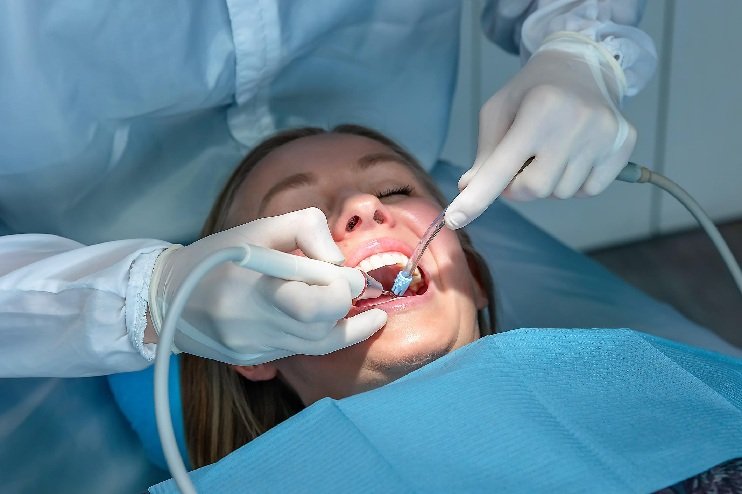
This is where dentists and dental hygienists step in. Using specialized tools, they gently remove tartar and plaque from places that are difficult to reach at home.
Think of it this way: brushing keeps things under control daily, while professional cleanings take care of the buildup that slowly develops over time.
Regular Cleanings Help Prevent Cavities
Cavities are one of the most common dental problems people face. They develop when bacteria in plaque produce acids that slowly damage the tooth enamel.
When plaque is regularly removed through professional cleaning, those harmful bacteria don’t get the chance to cause long-term damage.
Regular dental cleanings help:
- Remove plaque before it turns into tartar
- Protect tooth enamel
- Reduce the chances of cavities forming
This simple preventive step can save you from painful dental treatments later.
Protecting Your Gums From Disease
Healthy teeth need healthy gums. Unfortunately, gum disease often develops slowly and quietly, which means many people don’t notice it until it becomes serious.
Early gum disease, called gingivitis, usually causes symptoms like:
- Red or swollen gums
- Bleeding while brushing
- Sensitivity in the gums
If ignored, it can turn into periodontitis, a more severe infection that can damage the bone supporting your teeth.
Regular dental cleanings remove bacteria from around the gum line and help stop gum disease before it becomes a serious problem.
Fresh Breath That Lasts
Bad breath can be embarrassing, and sometimes brushing alone doesn’t solve the problem.
In many cases, persistent bad breath is caused by bacteria hiding in areas that are difficult to clean at home. Dental cleanings remove those bacteria and give your mouth a much fresher feeling.
Many people notice that after a dental cleaning, their mouth feels lighter, cleaner, and noticeably fresher.
A Brighter and Cleaner Smile
Another pleasant benefit of regular dental cleanings is a brighter smile.
Over time, everyday habits can stain your teeth. Coffee, tea, soft drinks, and certain foods gradually leave marks on the enamel. Even people who take good care of their teeth may notice some discoloration.
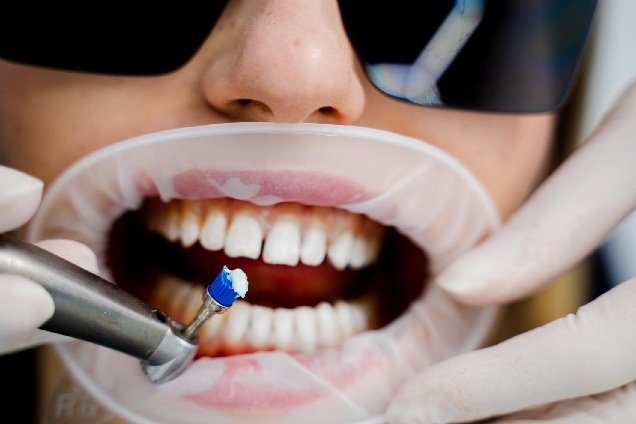
During a cleaning appointment, dentists polish your teeth to remove surface stains. This simple process helps restore the natural shine of your teeth and makes your smile look healthier.
It’s not a cosmetic treatment—it’s just part of keeping your teeth properly maintained.
Catching Problems Before They Get Serious
One of the biggest advantages of visiting the dentist regularly is early detection.
During a dental cleaning appointment, the dentist also checks your mouth for early signs of problems such as:
- Cavities
- Gum infections
- Cracked teeth
- Oral health abnormalities
Finding these issues early often means they can be treated quickly and easily before they become bigger problems.
Skipping regular checkups can allow small issues to quietly develop into more complicated treatments.
Your Oral Health Affects Your Whole Body
Many people don’t realize that oral health is connected to overall health.
Research has shown links between gum disease and conditions like heart disease, diabetes, and respiratory infections. Bacteria from the mouth can sometimes enter the bloodstream and affect other parts of the body.
Maintaining good oral hygiene and scheduling regular dental cleanings can help reduce these risks and contribute to better overall well-being.
Preventive Care Saves Time and Money
A dental cleaning is one of the simplest and most affordable dental procedures.
Compare that with treatments like fillings, root canals, or dental implants, which are far more expensive and time-consuming.
Regular cleanings are part of preventive dental care, meaning they help stop problems before they require major treatment.
In the long run, this simple habit can save both time and money.
How Often Should You Get a Dental Cleaning?
Most dentists recommend visiting the clinic for a professional cleaning every six months.
However, some people may need more frequent visits, especially if they have:
- Gum disease
- Heavy plaque buildup
- Diabetes
- A history of dental issues
Your dentist can recommend the best schedule based on your specific oral health needs.
Simple Habits That Keep Your Teeth Healthy
Between dental visits, maintaining good oral hygiene at home is essential.
A few simple habits make a big difference:
- Brush your teeth twice daily with fluoride toothpaste
- Floss once a day to clean between teeth
- Limit sugary snacks and drinks
- Drink plenty of water
- Avoid tobacco products
When these habits are combined with regular dental cleanings, they create a strong foundation for long-term oral health.
Conclusion
Your smile is something you use every day—when you talk, laugh, and interact with others. Taking care of it doesn’t require complicated routines. Often, it comes down to a few consistent habits and regular visits to the dentist.
The importance of regular dental cleanings lies in prevention. They help remove harmful buildup, protect your gums, brighten your smile, and catch problems before they become serious.
In the end, dental cleanings are not just about having clean teeth—they’re about maintaining a healthy mouth and a confident smile for years to come.