
When it comes to football, few tournaments carry the weight of history, passion, and legacy like the Copa América. It’s not just another competition—it’s the oldest international continental football tournament in the world, and honestly, one of the most thrilling too. From dusty pitches in the early 1900s to sold-out stadiums in the United States, Copa América has seen it all.
Let’s take a deep dive into how this iconic tournament started, evolved, and became a global football spectacle.
The Birth of Copa América (1916)
The story begins in 1916, in Buenos Aires, Argentina. The tournament was originally called the South American Football Championship, organized to celebrate the 100th anniversary of Argentina’s independence.
Only four teams participated:
- Argentina
- Brazil
- Chile
- Uruguay
And guess what? Uruguay took home the very first title, setting the tone for what would become a fierce rivalry between South American giants.
But here’s something even more important: during this tournament, the governing body of South American football—CONMEBOL (Confederación Sudamericana de Fútbol)—was officially formed on July 9, 1916. That decision shaped the future of football on the continent forever.
Early Years: Dominance and Irregular Tournaments
In its early decades, Copa América didn’t follow a strict schedule. Sometimes it was held annually, sometimes there were gaps of several years. Why? Well, logistics, political situations, and global events like wars played a role.
During this period:
- Uruguay and Argentina dominated heavily
- Uruguay became a football powerhouse, even winning early FIFA World Cups
- Matches were intense, physical, and deeply emotional
These early editions built the foundation of South American football culture—passion, skill, and fierce national pride.
Transformation and Renaming (1975)
A major turning point came in 1975, when the tournament was officially renamed Copa América.
This wasn’t just a name change—it reflected a broader vision:
- The tournament became more structured
- A home-and-away format was introduced
- Group stages and knockout rounds were experimented with
This period marked the transition from a loosely organized competition to a more professional and globally recognized tournament.
Expansion: Inviting Guest Teams (1993 Onwards)
One of the most interesting changes came in 1993, when Copa América invited teams from outside South America for the first time.
The first guests?
- Mexico
- United States
This was a game-changer. It:
- Increased global interest
- Brought new playing styles
- Made the competition more competitive
Over the years, other guest teams included:
- Costa Rica
- Japan
- Honduras
- Qatar
Mexico, in particular, impressed everyone by reaching multiple finals!
Copa América Centenario (2016)
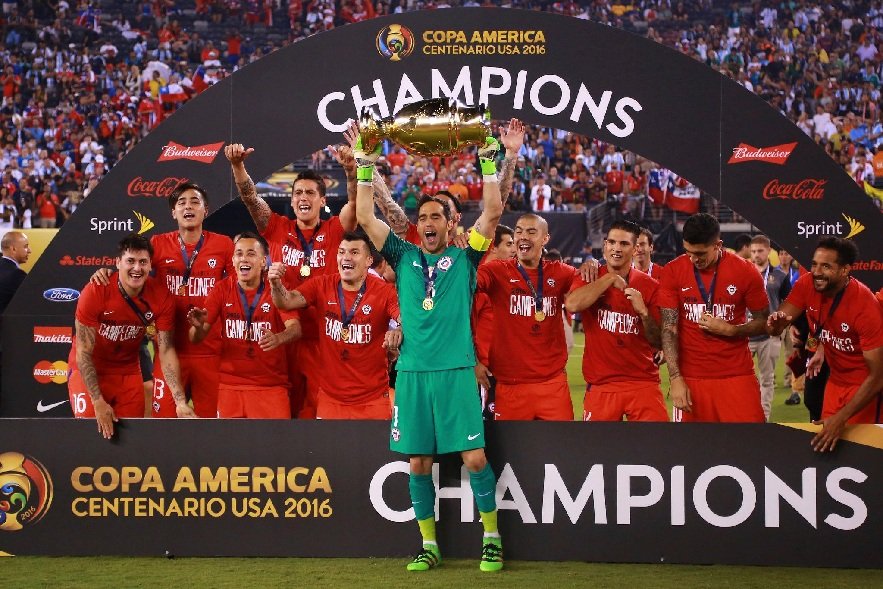
To celebrate 100 years of the tournament, a special edition called Copa América Centenario was आयोजित in 2016.
Key highlights:
- Hosted in the United States (first time outside South America)
- Expanded to 16 teams
- Co-organized with CONCACAF
The final saw Chile defeat Argentina, continuing their golden era. This edition proved that Copa América had truly become a global football event, not just a regional one.
Modern Era: Structure and Global Reach
In recent years, Copa América has become more consistent and organized.
Key developments:
- Now follows a roughly 4-year cycle
- Features 12–16 teams
- Often hosted in collaboration with other regions
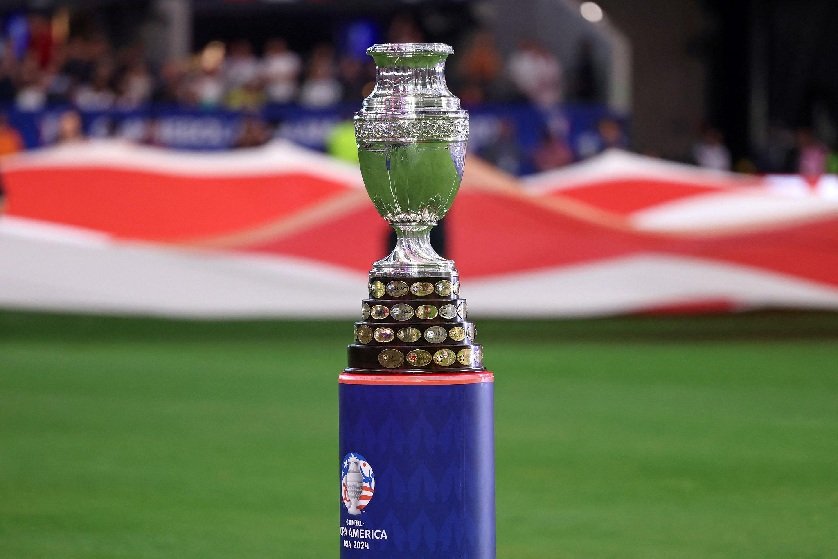
The 2024 Copa América, held again in the United States, showcased this modern approach. With expanded participation and massive global viewership, the tournament reached new heights.
And yes, Argentina lifted the trophy, securing their record 16th title, further cementing their legacy in football history.
Most Successful Teams in Copa América
Over the years, a few teams have dominated the tournament:
- Argentina – 16 titles 🥇
- Uruguay – 15 titles
- Brazil – 9 titles
These three nations have defined the competition, producing legendary players and unforgettable matches.
Legendary Players and Moments
Copa América has been a stage for football legends:
- Pelé (Brazil)
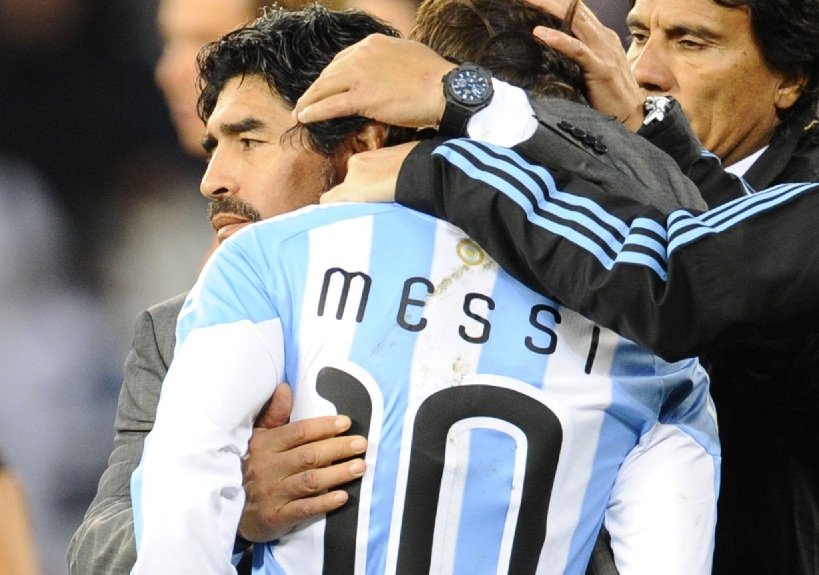
- Diego Maradona (Argentina)
- Lionel Messi (Argentina)
- Neymar Jr. (Brazil)
From stunning goals to emotional finals, the tournament has delivered moments that fans never forget.
Why Copa América Still Matters Today
You might wonder—why is Copa América still so important?
Here’s why:
- It represents over 100 years of football tradition
- Showcases top South American talent
- Acts as a proving ground for future World Cup stars
- Continues to evolve with modern football trends
Even today, the passion in Copa América matches is unmatched. It’s raw, intense, and deeply emotional—everything football should be.
Conclusion
Copa América is more than just a tournament—it’s a legacy. From its humble beginnings in 1916 to becoming a global football spectacle, it has continuously adapted while staying true to its roots.
Whether it’s the fierce Argentina vs Brazil clashes or underdog stories from smaller nations, Copa América always delivers drama, excitement, and unforgettable football.