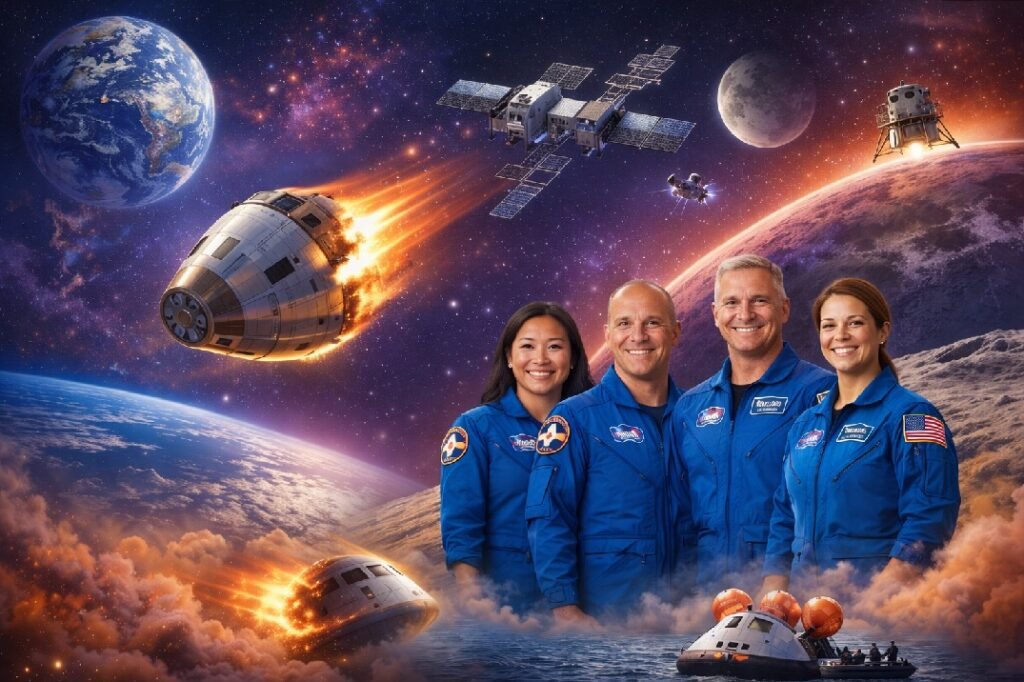

When humanity looks back at this decade, one mission will stand out as a turning point—the Artemis II Success NASA Astronauts Return. It wasn’t just another trip to space; it was a bold statement that humans are ready to go beyond low Earth orbit again, this time with bigger ambitions and smarter technology.
Led by NASA, Artemis II marked the first crewed mission of the Artemis program, orbiting the Moon and safely bringing astronauts back to Earth. It combined cutting-edge engineering, international collaboration, and a vision that extends far beyond the Moon—toward Mars and beyond.
Let’s unpack what made this mission historic, why it matters, and what comes next.
The Vision Behind Artemis II
The Artemis program is not just about revisiting the Moon—it’s about staying there. Named after Artemis, the twin sister of Apollo in mythology, the program builds on the legacy of the Apollo missions while pushing boundaries further.
The Artemis II Success NASA Astronauts Return represents the second major step in this ambitious plan. Unlike Artemis I, which was uncrewed, Artemis II placed astronauts inside the spacecraft, testing life-support systems, navigation, and deep-space operations in real conditions.
Why Artemis II Matters
- First human mission beyond Earth orbit since 1972
- Tests critical systems for long-duration lunar missions
- Builds confidence for future Moon landings
- Strengthens global partnerships in space exploration
This mission wasn’t just about going to the Moon—it was about proving we can live and operate in deep space again.
Table of Contents
- Introduction to Artemis II Mission
- The Vision Behind Artemis II
- Meet the Artemis II Crew
- The Orion spacecraft Explained
- Launch Day and Liftoff Highlights
- Journey Through Deep Space
- Lunar Flyby and Key Observations
- Challenges Faced During the Mission
- Re-entry and Safe Splashdown
- Technological Breakthroughs
- Global Impact of the Mission
- Role of NASA and International Partners
- Future Missions: Artemis III and Beyond
- Why Artemis II Changes Space Exploration Forever
- Conclusion
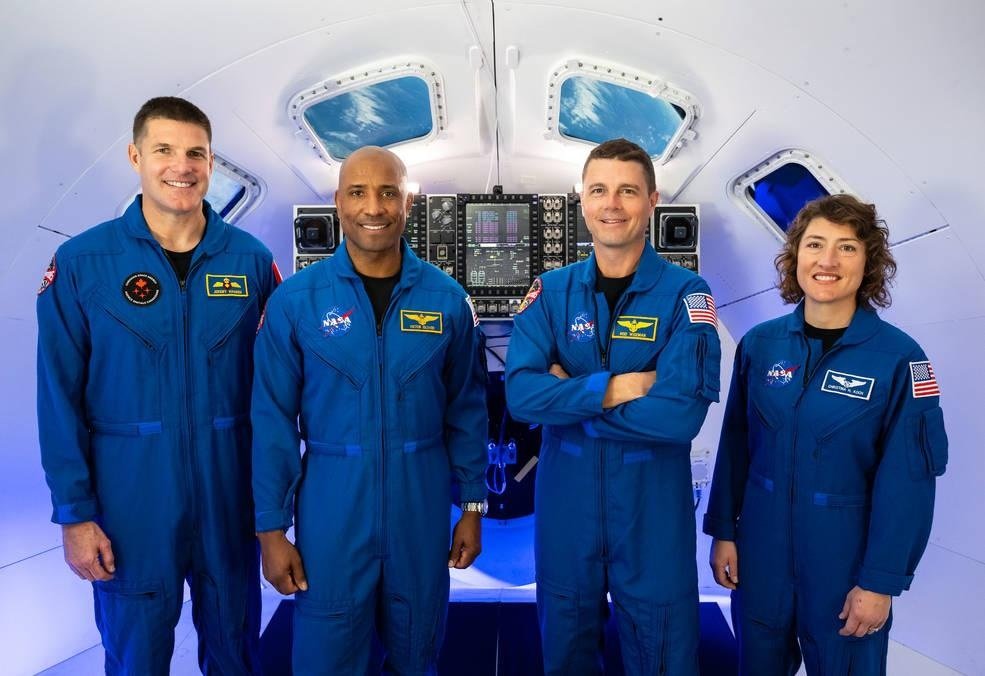
Meet the Artemis II Crew
Every great mission is defined by the people behind it. The Artemis II crew included experienced astronauts and new-generation explorers, representing diversity and international cooperation.
Among them were NASA astronauts and a representative from the Canadian Space Agency, showcasing how space exploration has become a global effort.
What Made This Crew Special
- Extensive training in deep-space conditions
- Diverse backgrounds in engineering, aviation, and science
- Strong focus on teamwork and adaptability
The success of the Artemis II Success NASA Astronauts Return was largely due to their preparation and ability to handle unexpected challenges.
The Orion Spacecraft: Heart of the Mission
At the center of the mission was the Orion spacecraft, designed specifically for deep-space exploration.
Unlike older spacecraft, Orion is built to support longer missions, protect astronauts from radiation, and safely re-enter Earth’s atmosphere at extremely high speeds.
Key Features of Orion
- Advanced life-support systems
- Heat shield capable of withstanding extreme temperatures
- Autonomous navigation with manual override
- Deep-space communication capabilities
The Artemis II Success NASA Astronauts Return proved that Orion is ready for future missions, including lunar landings and eventually Mars exploration.
Launch Day: A Global Spectacle
The launch of Artemis II was nothing short of breathtaking. Millions around the world watched as the rocket lifted off from Kennedy Space Center.
Powered by the Space Launch System (SLS), the most powerful rocket ever built, the mission began with a thunderous ascent into the sky.
Highlights from Launch
- Perfect ignition and liftoff sequence
- Smooth stage separations
- Flawless trajectory toward lunar orbit
From the very beginning, it was clear that the mission was on track for success.
Journey to the Moon
Once in space, the crew embarked on a journey that few humans have experienced. Traveling thousands of kilometers from Earth, they entered a distant retrograde orbit around the Moon.
The Artemis II Success NASA Astronauts Return demonstrated that humans can safely travel and operate in deep space once again.
Life in Deep Space
Living in space isn’t easy. Astronauts had to manage:
- Microgravity effects on the body
- Limited space and resources
- Communication delays with Earth
Despite these challenges, the crew performed exceptionally well, conducting experiments and testing systems crucial for future missions.
Lunar Flyby: A Historic Moment
One of the most emotional moments of the mission came during the lunar flyby. As the spacecraft passed behind the Moon, communication with Earth temporarily dropped—a reminder of the vastness of space.
When contact was restored, it confirmed another milestone in the Artemis II Success NASA Astronauts Return.
What the Crew Observed
- Stunning views of the lunar surface
- Earth rising over the Moon’s horizon
- Valuable data for future landing missions
This moment connected the mission to the legacy of Apollo while setting the stage for a new era.
Challenges Faced During the Mission
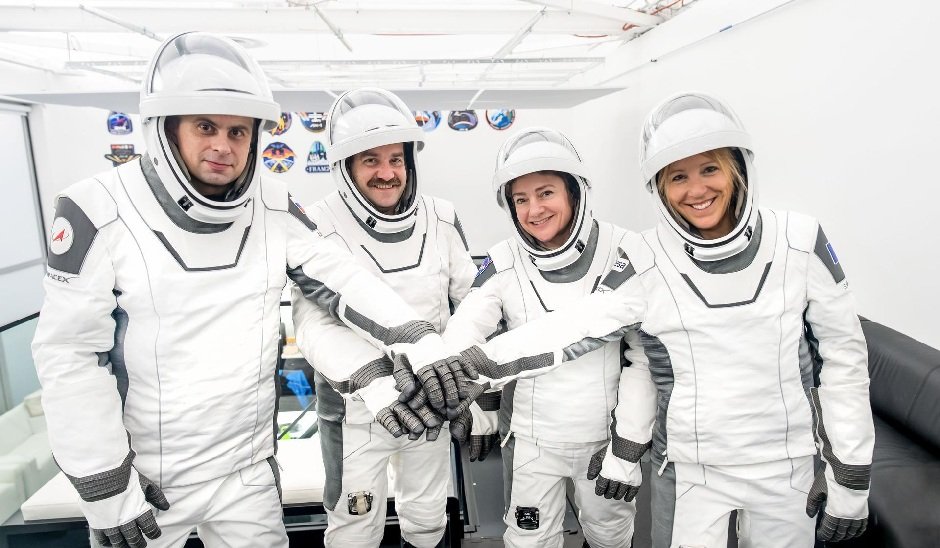
No space mission is without risks. Artemis II encountered minor technical issues and environmental challenges, but none were mission-threatening.
Key Challenges
- Radiation exposure in deep space
- Temperature fluctuations
- Navigation precision over long distances
The crew’s ability to handle these challenges reinforced the success of the Artemis II Success NASA Astronauts Return.
Re-Entry and Safe Return
Returning to Earth is one of the most dangerous phases of any mission. The Orion spacecraft re-entered Earth’s atmosphere at speeds exceeding 39,000 km/h.
Thanks to its advanced heat shield, the spacecraft withstood extreme temperatures and safely splashed down in the ocean.
Recovery Operations
- Coordinated by NASA and naval teams
- Quick retrieval of astronauts and spacecraft
- Immediate medical evaluations
The safe landing marked the final milestone of the Artemis II Success NASA Astronauts Return.
Technological Breakthroughs
Artemis II wasn’t just a mission—it was a testbed for future technologies.
Innovations Demonstrated
- Deep-space navigation systems
- Improved communication networks
- Enhanced astronaut safety measures
These advancements will play a crucial role in upcoming missions, including Artemis III.
Global Impact of Artemis II
The success of Artemis II resonated far beyond the space community. It inspired millions and reinforced the importance of international collaboration.
Broader Impacts
- Boosted interest in STEM education
- Encouraged global partnerships
- Demonstrated peaceful cooperation in space
The Artemis II Success NASA Astronauts Return is a reminder that space exploration unites humanity.
What Comes Next: Artemis III and Beyond
If Artemis II was about proving capability, Artemis III is about making history again—by landing humans on the Moon.
Future missions aim to:
- Establish a sustainable lunar presence
- Build the Lunar Gateway
- Prepare for human missions to Mars
The success of Artemis II lays the foundation for all of this.
Why This Mission Changes Everything
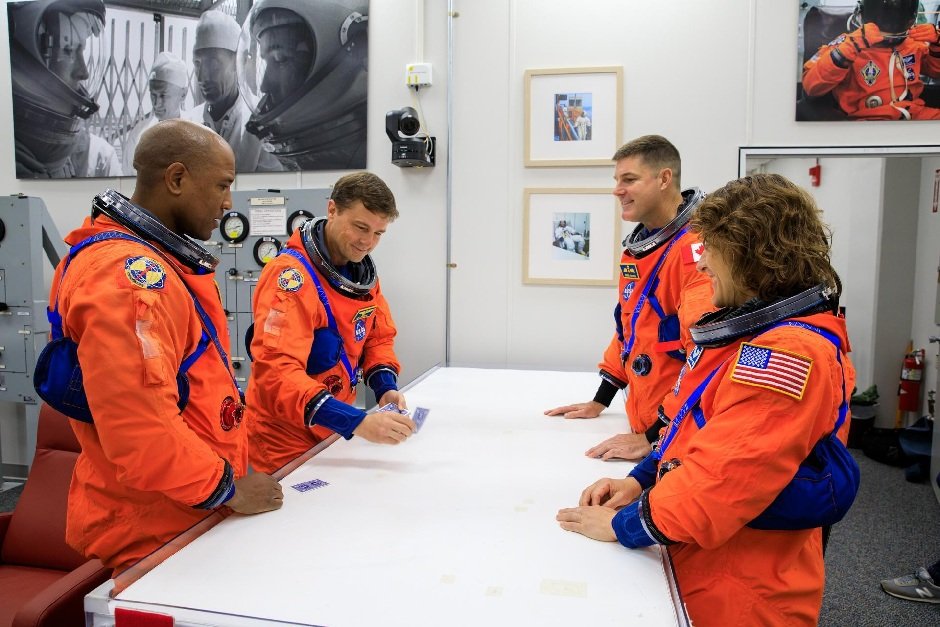
The Artemis II Success NASA Astronauts Return is more than a milestone—it’s a turning point. It signals a shift from exploration to expansion.
Key Takeaways
- Humans are back in deep space
- Technology is ready for longer missions
- International cooperation is stronger than ever
This mission proves that the dream of living beyond Earth is closer than ever.
Conclusion
The Artemis II Success NASA Astronauts Return represents a bold leap forward in human exploration. It combines the spirit of Apollo with modern technology and global collaboration.
From the powerful launch to the emotional lunar flyby and safe return, every moment of this mission tells a story of progress, courage, and possibility.
As we look ahead, one thing is clear: this is just the beginning. The Moon is no longer the final destination—it’s the starting point for humanity’s journey into the cosmos.
The Artemis II Success NASA Astronauts Return marks a defining moment in modern space exploration, proving that humanity is ready to venture beyond Earth orbit once again. From a flawless launch to a historic lunar flyby and safe return, every phase of the mission demonstrated precision, resilience, and technological excellence.
This mission wasn’t just about reaching the Moon—it was about validating systems, strengthening international partnerships, and preparing for a sustained human presence in deep space. The performance of the crew, along with the reliability of the Orion spacecraft and the power of the Space Launch System, sets a strong foundation for future missions.
As we move toward lunar landings and eventually Mars exploration, Artemis II stands as a powerful reminder: the next era of space exploration is not a distant dream—it has already begun.