
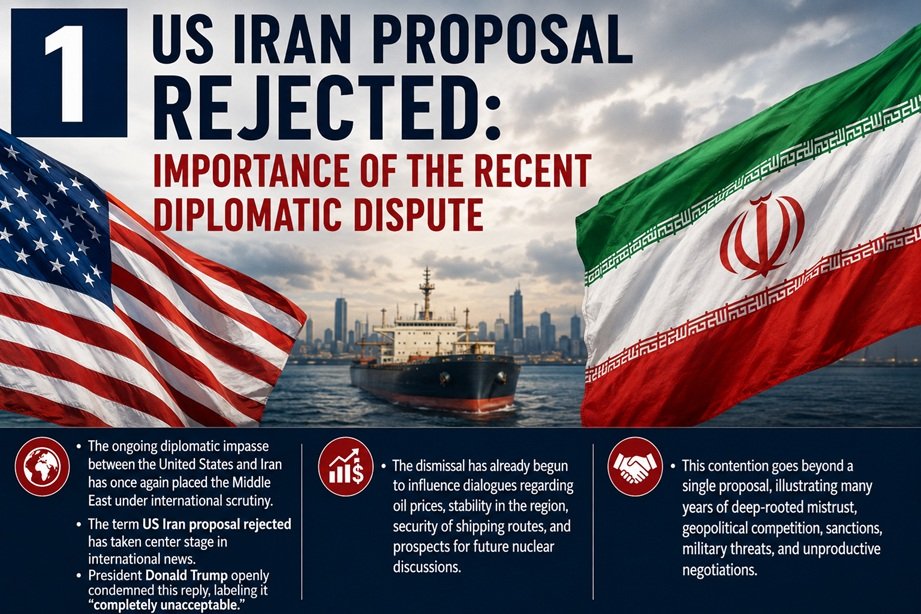
The ongoing diplomatic impasse between the United States and Iran has once again placed the Middle East under international scrutiny. Following weeks of indirect discussions, intense rhetoric, and efforts for mediation, tensions escalated significantly after the American delegation rejected Tehran’s recent reply to a suggested peace framework. This development soon sparked apprehensions across financial markets, energy industries, and diplomatic communities globally.
The term US Iran proposal rejected has taken center stage in international news as political figures, investors, and experts seek to predict the ensuing consequences. This contention goes beyond a single proposal, illustrating many years of deep-rooted mistrust, geopolitical competition, sanctions, military threats, and unproductive negotiations.
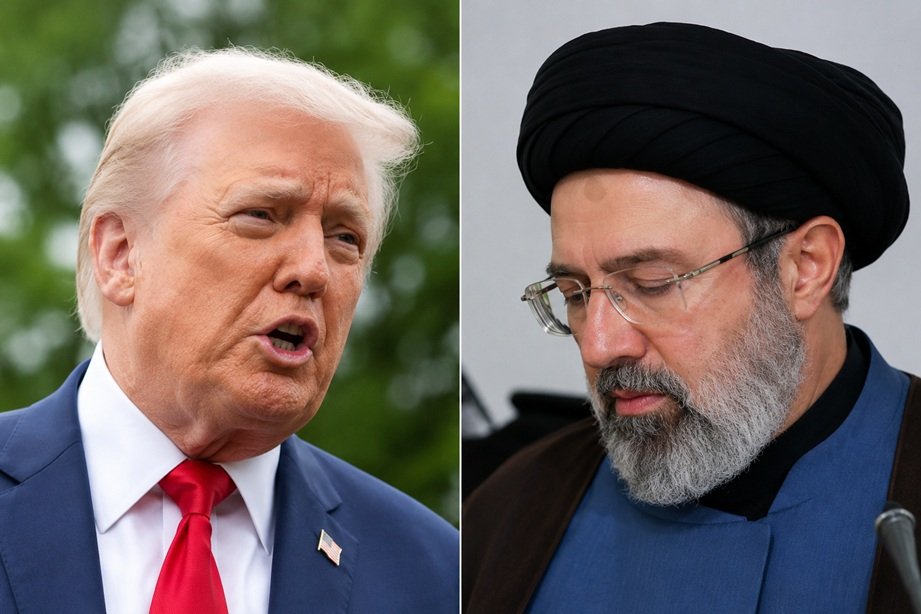
As reported by various international sources, Iran addressed a United States-supported proposal facilitated by mediators, insisting on an end to hostilities, relief from sanctions, and security assurances in the Gulf area. President Donald Trump openly condemned this reply, labeling it “completely unacceptable.”
The dismissal has already begun to influence dialogues regarding oil prices, stability in the region, security of shipping routes, and prospects for future nuclear discussions.
- US Iran Proposal Rejected: Importance of the Recent Diplomatic Dispute
- Reasons Behind the Breakdown of Negotiations
- Increasing Concerns Regarding the Strait of Hormuz
- Continued Efforts for Diplomatic Mediation
- Global Market Reactions
- Iran’s Strategic Standing
- Washington’s Political Dynamics
- The Nuclear Issue Remains Central
- Impact on the Middle East
- Role of China and Other Global Powers
- Public Opinion and Media Narratives
- Could Negotiations Restart?
- What Happens Next?
- Conclusion
- Frequently Asked Questions
Reasons Behind the Breakdown of Negotiations
Efforts for diplomacy between Washington and Tehran have faced hurdles for years due to persistent disagreements on fundamental strategic matters. The latest proposal was said to aim at mitigating military tensions while revitalizing broader discussions concerning sanctions, access to shipping lanes, and security in the region.
Nonetheless, several significant disputes hindered advancements.
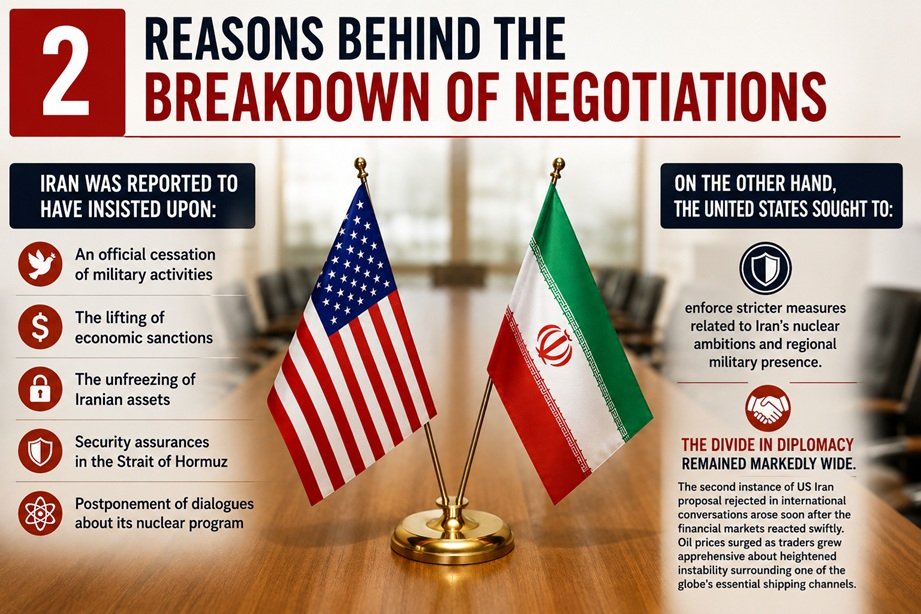
Iran was reported to have insisted upon:
- An official cessation of military activities
- The lifting of economic sanctions
- The unfreezing of Iranian assets
- Security assurances in the Strait of Hormuz
- Postponement of dialogues about its nuclear program
On the other hand, the United States sought to enforce stricter measures related to Iran’s nuclear ambitions and regional military presence.
The divide in diplomacy remained markedly wide.
The second instance of US Iran proposal rejected in international conversations arose soon after the financial markets reacted swiftly. Oil prices surged as traders grew apprehensive about heightened instability surrounding one of the globe’s essential shipping channels.
Increasing Concerns Regarding the Strait of Hormuz
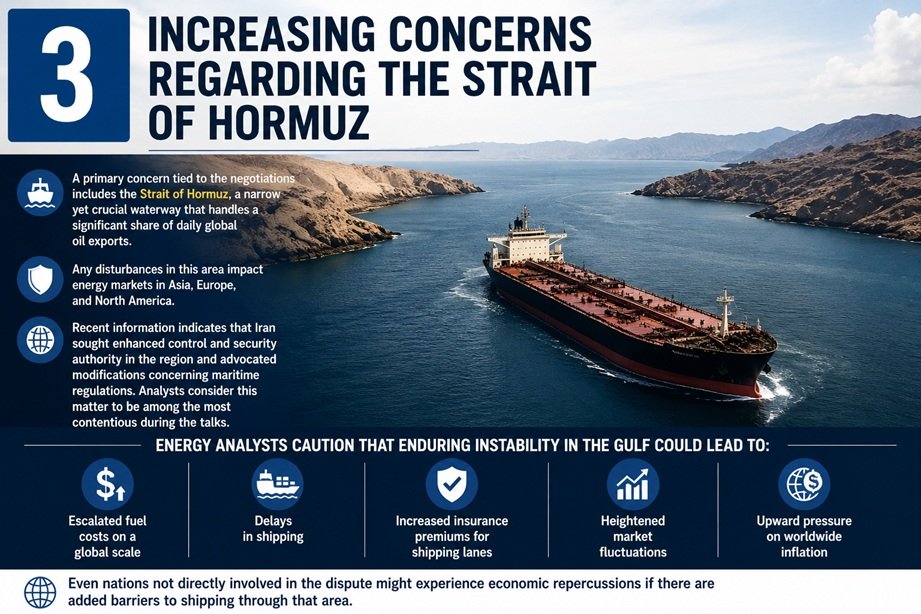
A primary concern tied to the negotiations includes the Strait of Hormuz, a narrow yet crucial waterway that handles a significant share of daily global oil exports.
Any disturbances in this area impact energy markets in Asia, Europe, and North America.
Recent information indicates that Iran sought enhanced control and security authority in the region and advocated modifications concerning maritime regulations. Analysts consider this matter to be among the most contentious during the talks.
As news of the US Iran proposal rejected circulated across international media, traders promptly reacted by driving oil prices upward.
Energy analysts caution that enduring instability in the Gulf could lead to:
- Escalated fuel costs on a global scale
- Delays in shipping
- Increased insurance premiums for shipping lanes
- Heightened market fluctuations
- Upward pressure on worldwide inflation
Even nations not directly involved in the dispute might experience economic repercussions if there are added barriers to shipping through that area.
Continued Efforts for Diplomatic Mediation
Act as a paraphrasing tool. Rephrase each sentence in the following text, altering at least 90% of the wording while keeping the original context intact. Avoid complex wording and jargon. Completely rephrase sentences rather than only replacing individual words, ensuring a fresh and unique structure. The output must match the words of input text. Keep paragraph breaks and headings accurately as they appear. Avoid using symbols or special formatting, and do not merge sentences or paragraphs.
Notwithstanding the verbal conflicts in public, efforts for mediation are still taking place out of the limelight. Pakistan, Qatar, and various regional players have reportedly continued to serve as mediators between the two nations.
Global diplomats are striving to avert a total breakdown of communication, as past experiences indicate that military confrontations in the region can swiftly escalate uncontrollably.
The recurring wave of news regarding the rejection of the US Iran proposal highlighted rising anxieties that diplomatic progress may be waning.
Those involved in negotiations close to the situation allegedly fear three potential scenarios:
Increased Economic Strain
The United States might heighten sanctions or impose stricter limitations targeting Iranian oil exports and financial operations.
Regional Military Intensification
Any skirmishes affecting Gulf trade routes or proxy entities in the Middle East could further raise tensions in the region.
Prolonged Nuclear Negotiations
Discussions regarding uranium enrichment and monitoring systems might encounter additional delays.
Simultaneously, various global powers continue to urge both parties to return to formal negotiations before the conditions deteriorate.
Global Market Reactions
Financial markets are extremely sensitive to geopolitical instability, particularly when it concerns regions that produce oil.
Following the emergence of reports confirming the rejection of the US Iran proposal, energy markets saw immediate fluctuations. Brent crude prices reportedly surged as traders assessed the risk of ongoing instability.
Stock markets displayed mixed responses.
Investors directed their focus towards:
- Energy shares
- Defense firms
- Safe-haven investments like gold
- Currency volatility related to oil-importing countries
Market analysts indicate that uncertainty often elicits stronger reactions than confirmed conflicts since investors find it challenging to foresee future policy changes.
Several economists have cautioned that ongoing tensions could elevate inflationary pressures worldwide, especially in nations already experiencing economic slowdowns.
Iran’s Strategic Standing
Iran has consistently maintained that its priorities revolve around national sovereignty, economic revitalization, and regional safety.
Iranian representatives characterized their latest answer as “reasonable” and “generous,” while condemning American demands as excessive.
The fourth international discussion regarding the rejection of the US Iran proposal centered on whether Tehran genuinely desires a compromise or is merely trying to enhance its bargaining stance.
Iran’s leadership contends with various internal and external pressures:
Economic Hardships
Sanctions have significantly impacted trade, currency valuation, investment prospects, and public trust.
Concerns over Regional Security
Military conflicts involving local groups continue to affect Iran’s broader strategic planning.
Expectations from Domestic Politics
Hardline factions within the nation frequently oppose agreements seen as undermining national sovereignty.
Due to these pressures, Iranian negotiators may feel that more substantial demands are crucial before consenting to significant compromises.
Washington’s Political Dynamics
The United States is also subjected to both domestic and international pressures.
American officials contend that any deal must entail substantial restrictions capable of preventing future escalations. Proponents of a more assertive approach argue that earlier diplomatic endeavors failed to resolve issues related to Iran’s nuclear aspirations and regional influence adequately.
The fifth round of coverage concerning the rejection of the US Iran proposal heavily emphasized Washington’s strategic objectives.
From the viewpoint of American policymakers, their aims include:
- Stronger nuclear regulations
- Less regional instability
- Safer maritime trading lanes
- Security guarantees for allies
- Increased leverage in future negotiations
At the same time, leaders in American politics must take into account the reactions of voters, the economic ramifications, and the global alliances at play.
Any choice regarding sanctions, military deployments, or diplomatic agreements presents notable political dangers.
The Nuclear Issue Remains Central
While recent news has largely concentrated on ceasefire talks and sanctions, the nuclear matter continues to be a focal point of the contention.
Past discussions between the two nations often reached a standstill due to disagreements over uranium enrichment, access for inspections, and assurances for long-term compliance.
Analysts suggest that the sixth primary reason for the rejection of the US Iran proposal gained immense international attention is due to the possibility that this dispute might hinder wider nuclear negotiations.
Experts caution that without ongoing dialogue:
- Oversight mechanisms could weaken
- Verification processes might become more challenging
- Regional suspicions may increase
- Global pressure might heighten
Numerous nations in Europe and Asia persistently encourage both parties to refrain from actions that could irreparably harm prospects for future negotiations.
Impact on the Middle East
The Middle East is already grappling with several interrelated crises involving militant groups, border conflicts, economic challenges, and fluctuating alliances.
Any significant disagreement between Washington and Tehran impacts the broader region.
Nations across the Gulf are vigilantly observing the situation, as extended instability affects:
- Oil exports
- Shipping lanes
- Foreign investment
- Tourism industries
- Defense partnerships
The seventh spike in online interest regarding the US Iran proposal rejection signified rising regional anxiety that diplomatic setbacks could lead to wider geopolitical repercussions.
Regional authorities are increasingly dedicated to preventing escalation while also safeguarding their economic and security priorities.
Role of China and Other Global Powers
China, Russia, and various European nations continue to have crucial roles in the diplomatic situation concerning Iran.
China, in particular, has underscored the necessity of maintaining regional stability, as interruptions to energy supplies could impact global economic development.
Recent reports have suggested that Iranian officials have had discussions with Chinese representatives concerning the current crisis and broader regional security issues.
European governments are also closely observing the situation, as rising oil prices and ongoing instability could exacerbate current economic challenges.
At the same time, international organizations continue to advocate for diplomatic resolutions rather than military confrontations.
Public Opinion and Media Narratives
Views among the populace regarding the conflict are highly polarized.
Some analysts insist that stronger measures are essential to compel compromises, while others maintain that diplomacy is the only viable route moving forward.
Coverage by the media has surged significantly in recent days, particularly following rapid social media responses from political leaders that drew global attention.
The rejection of the US Iran proposal in a prominent eighth dialogue exemplified how contemporary diplomacy increasingly takes place in real time via television, online channels, and financial markets.
Political communication now influences:
- Investor confidence
- Public perception
- Diplomatic pressure
- International coalitions
- Election narratives
Consequently, public declarations frequently have immediate geopolitical ramifications.
Could Negotiations Restart?
In spite of aggressive rhetoric, specialists in diplomacy are optimistic that talks might restart.
Historically, discussions between Washington and Tehran have often failed before resuming via intermediaries or backchannel arrangements.
The ninth discussion regarding the US Iran proposal rejection centered on whether mediators could restore sufficient confidence for a new round of talks.
Several elements might stimulate renewed diplomatic efforts:
Economic Pressure
Both parties recognize that extended unrest poses financial hazards.
Global Energy Concerns
Escalating oil prices exert international pressure for stability.
Regional Security Risks
Wider military escalation could endanger surrounding nations.
International Diplomatic Influence
Significant global powers continue to advocate for compromise.
Nevertheless, regaining trust after substantial public criticism is likely to be challenging.
What Happens Next?
The upcoming weeks could be pivotal.
Diplomatic cues, military actions in the Gulf, decisions on sanctions policies, and responses from the energy markets will all determine the trajectory of forthcoming negotiations.
Experts anticipate multiple potential outcomes.
Possible Outcomes
Limited Diplomatic Thaw
A limited diplomatic thaw could occur through intermediaries if both parties ease their public stances.
Increased Economic Pressure
An alternative scenario might involve heightened economic pressure without direct military engagement.
Escalating Confrontations
The most alarming situation would involve escalating confrontations impacting regional trade routes and energy infrastructure.
The tenth and concluding discussion regarding the rejection of the US Iran proposal highlights a wider reality: the tensions between the two nations are continuing to influence global politics well beyond the Middle East.
For the time being, uncertainty prevails as the main theme.
Governments, investors, and international organizations are closely monitoring the situation to see if diplomacy can endure another significant obstacle or if the region is moving toward a more perilous stage.
Although negotiations may eventually resume, the ongoing impasse has illustrated how precarious geopolitical stability can be when mistrust, military pressure, and economic interests clash.
The global community now anticipates the next actions from both Washington and Tehran.
Conclusion
The US Iran proposal rejected dispute has once again highlighted the fragile state of international diplomacy in the Middle East. Rising tensions between Washington and Tehran are influencing global oil markets, regional security, diplomatic relations, and investor confidence across the world. While both sides continue to defend their strategic positions, concerns are growing that prolonged disagreements could trigger wider geopolitical instability.
At the same time, international mediators and global powers are still encouraging renewed negotiations to prevent further escalation. The coming weeks will be critical as diplomatic efforts, economic pressures, and regional security developments shape the future of relations between the United States and Iran.
Although uncertainty remains high, the situation demonstrates how deeply interconnected global politics, energy markets, and international security have become in today’s world.