
Dubai is transforming urban transport with the launch of fully self-driving taxis for public use. After extensive testing and a period of complimentary rides, users can now enjoy journeys in these autonomous vehicles while paying rates comparable to standard taxi services. This new transportation program signifies another step towards achieving Dubai’s goal of becoming a leading global center for smart transport.
If you are curious about the affordability of these innovative vehicles, their availability, and how they stack up against regular taxis, this guide provides comprehensive information. The fares for Dubai’s driverless taxis aim to make this advanced form of transport accessible rather than exclusive, enabling both locals and visitors to leverage state-of-the-art technology without incurring extravagant costs. The Roads and Transport Authority of Dubai, alongside the Dubai Taxi Company and technology partners such as Apollo Go and WeRide, has stated that pricing for commercial rides adheres to the typical taxi fare system following the introductory free ride period.
Dubai’s Ambition for Self-Driving Transport
Dubai has dedicated years to establishing a foundation for autonomous transportation. The emirate’s goal is for 25% of all transport journeys to become self-driving by the year 2030, positioning driverless taxis as a key component of its long-term transport development plan. This launch embodies Dubai’s extensive investments in artificial intelligence, intelligent infrastructure, and eco-friendly urban growth.
Rather than viewing autonomous vehicles as mere experimental innovations, Dubai is embedding them into standard transport systems, permitting commuters to book rides as they would with conventional ride-sharing services.
What Is the Cost of a Driverless Taxi Journey?
A primary concern for many riders revolves around fare prices.
After the preliminary complimentary phase, the fares for Dubai’s driverless taxis align closely with the established rates of the Dubai Taxi Company, without an additional charge for the technology. This indicates that users are not subjected to higher costs simply due to the absence of a human driver.
Standard fare considerations include:
- Distance of the trip
- Time of day
- Demand fluctuations
- Pickup points
- Applicable toll fees (Salik)
For instance, fare comparisons indicate:
- From Kite Beach to Souk Madinat Jumeirah: roughly AED 30
- From Jumeirah Mosque to Souk Madinat Jumeirah: around AED 69
Overall pricing remains competitive with current ride-hailing services, typically falling between UberX and more premium comfort categories based on the route and demand.
Fare Structure Overview
Since driverless taxis conform to Dubai’s taxi pricing model, passengers can anticipate the usual fare structure being applicable.
The present standard taxi fare structure consists of:
- A starting fee of AED 5 for daytime pickups
- A slightly elevated starting fee at night
- Greater base fares for bookings made via app
- Airport pickups commencing at AED 20 or higher
- Additional Salik fees, as necessary
How to Reserve a Driverless Taxi
Making a booking is designed to be straightforward.
Travelers currently have various options based on the service provider active in their vicinity.
The main methods of booking include:
- Apollo Go mobile app
- Uber (for select autonomous vehicles)
- Other ride-hailing services predicted as availability increases
Once a booking is finalized, the vehicle will arrive at the designated pickup point, and users can unlock the ride via the app before commencing their trip.
Where Can You Find Driverless Taxis?
The rollout process is progressing gradually.
Currently, self-driving taxis mainly function in specific areas such as:
- Jumeirah
- Umm Suqeim
Plans are in place for authorities to gradually extend their reach throughout Dubai as the number of vehicles in the fleet grows and more regulatory approvals are secured.
This gradual strategy enables operators to assess safety, gather operational data, and enhance the rider experience prior to expanding citywide.
Technology Used in Autonomous Vehicles
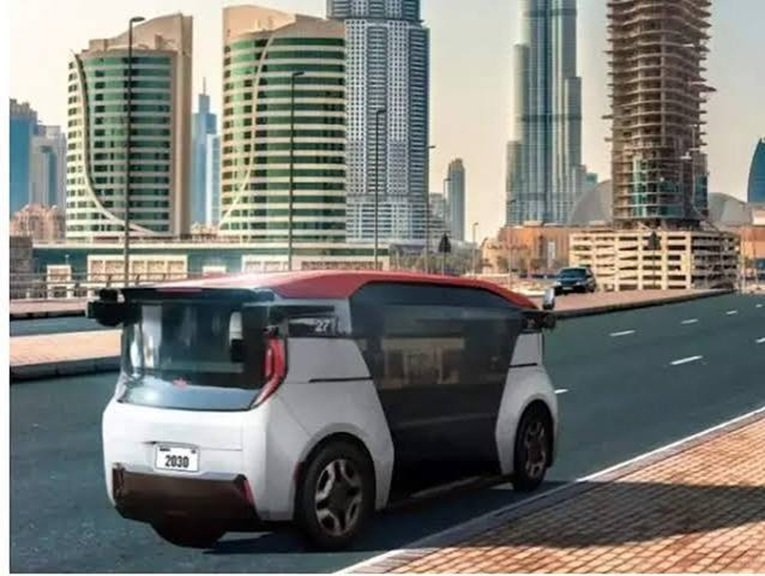
Unlike traditional taxis, these vehicles function exclusively through artificial intelligence and sophisticated sensing technology.
They continuously observe:
- Traffic patterns
- Road signs
- People walking
- Bicyclists
- Traffic lights
- Surrounding vehicles
The vehicles utilize:
AI-Based Decision Making
Robust onboard computers evaluate countless driving conditions every second.
Sensor Integration
A combination of cameras, radar technology, LiDAR systems, and GPS collaborates to develop a thorough understanding of the environment around them.
Ongoing Connectivity
The system links with cloud services and operational hubs for oversight, software enhancements, and customer assistance when needed.
Are Autonomous Taxis Safe?
Safety is the utmost concern during the launch process.
As reported by Dubai Taxi Company, the fleet of Apollo Go’s self-driving vehicles has logged hundreds of millions of autonomous kilometers internationally while keeping an impressively low accident rate. The organization notes that airbag deployment occurs only once in roughly every 12 million kilometers driven.
Riders are also provided with:
- Emergency help buttons
- Customer service numbers within the vehicle
- Direct communication channels through the booking app
- Integration with police emergency contacts if necessary
These features guarantee that passengers are not isolated, even in the absence of a driver.
Passenger Experience
Many newcomers describe their encounter as surprisingly typical.
Upon entering the vehicle, riders simply buckle their seatbelts while the car autonomously navigates.
The trip includes:
- Smooth acceleration
- Automatic lane changes
- Compliance with traffic signals
- Maintaining safe distances
- Controlled turns
Inside, digital screens display ride details, allowing passengers to track the route in real time.
With no driver on board, conversations tend to quiet down, enabling travelers to work, relax, or observe the technology actively.
Comparison of Autonomous and Traditional Taxis
For many travelers, cost is the determining factor.
Fortunately, the fares for Dubai’s driverless taxis do not create worries that autonomous technology automatically leads to increased prices.
Traditional taxis still have benefits such as broader coverage throughout the city and immediate pickups from the street. However, autonomous taxis offer advantages including consistent driving patterns, enhanced safety features, and reduced reliance on driver availability.
As the fleet grows, waiting times are anticipated to decrease.
Influence on Dubai’s Smart Mobility Goals
Self-driving taxis symbolize more than just an additional method of transportation.
They contribute to larger aims such as:
- Alleviating traffic congestion
- Enhancing roadway safety
- Boosting transport efficiency
- Reducing emissions
- Reinforcing Dubai’s status as a global leader in technology
Government representatives view driverless transportation as a crucial component in developing smarter, more sustainable cities in the upcoming decade.
Will Costs Rise in the Future?
While current commercial rates align with standard taxi fares, pricing may change in the future based on demand, fleet growth, operational expenses, and market competition.
However, operators have clarified that no additional technology fees are anticipated, helping to keep the fares of Dubai’s self-driving taxis competitive with other transportation options.
As more self-driving cars begin operation, the increasing competition may lead to better pricing over time.
What Tourist Should Be Aware Of
Guests can take advantage of self-driving rides as long as they utilize the compatible booking apps.
Prior to making a reservation:
- Confirm that the pickup area accommodates self-driving vehicles.
- Make sure that your payment method is associated with the app.
- Review the estimated prices prior to finalizing.
- Examine the recommended pickup site attentively.
The experience provides travelers the chance to observe one of Dubai’s most cutting-edge transport projects up close while moving between key locations.
The Future of Self-Driving Transport
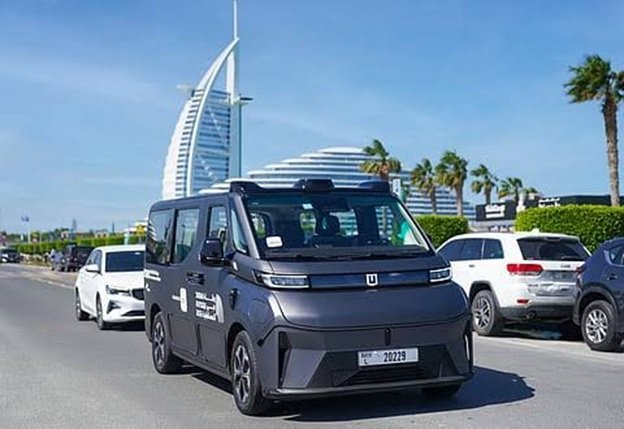
The launch of commercial robotaxis merely heralds the start.
Dubai is concurrently channeling resources into self-driving buses, intelligent traffic systems, AI-enhanced transportation management, along with future aerial taxi concepts.
In the coming years, residents may increasingly regard self-driving cars as a regular element of daily transportation rather than an advanced curiosity.
As infrastructure develops and artificial intelligence improves, driverless transport is anticipated to become quicker, safer, and more efficient.
Final Thoughts
The emergence of commercial self-driving taxis represents a crucial milestone in Dubai’s evolution into one of the top smart cities across the globe. Instead of marketing robotaxis as a luxury offering, officials have opted to keep fares similar to current taxi prices, ensuring the technology is within reach for regular commuters.
For those interested in experiencing autonomous transport, the fares for Dubai’s self-driving taxis provide excellent value without the need for premium spending. With the reservation process available through specific mobile apps, expanding service areas, and a strong commitment to passenger safety, self-driving taxis are rapidly evolving into a feasible travel choice rather than just a display of technology.
As Dubai progresses toward its ambitious goals for autonomous mobility by 2030, these vehicles are expected to become an increasingly common presence on the city’s streets, giving both residents and tourists a look into the future of routine transportation.