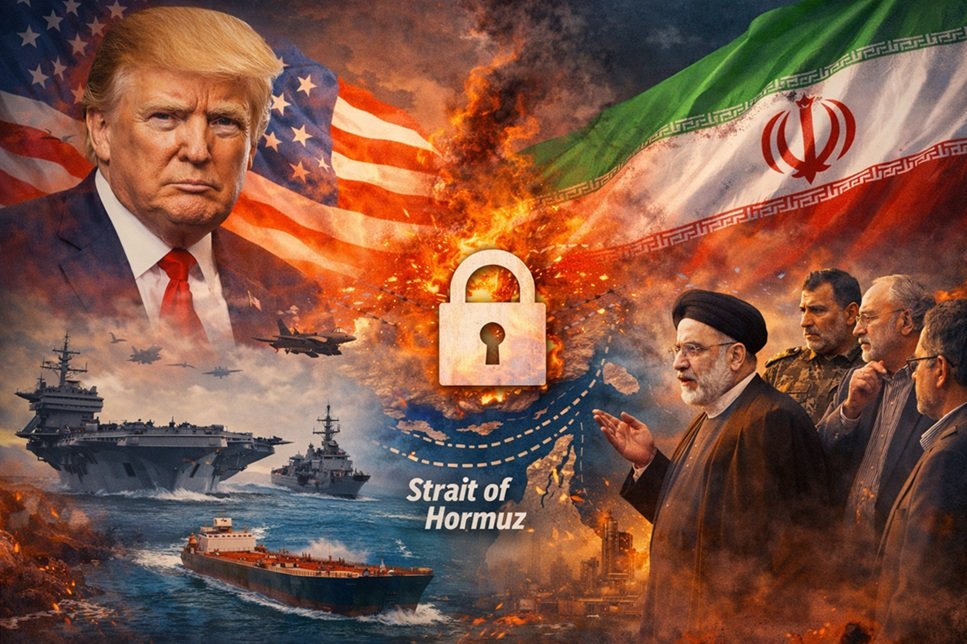

The phrase Trump Iran blockade continues deal has quickly become one of the most talked-about geopolitical developments in 2026. With rising tensions in the Middle East, ongoing negotiations, and global economic consequences, this issue is shaping not only diplomacy but also energy markets and international alliances.
In recent statements, Donald Trump made it clear that the United States will maintain a naval blockade on Iran until a final agreement is fully signed. This strategy has sparked debates worldwide—some see it as a calculated move to pressure Iran, while others warn it could escalate into a larger conflict.
So, what’s really happening? Why is this blockade so significant? And what does it mean for the future?
Let’s break it down in simple, human terms.
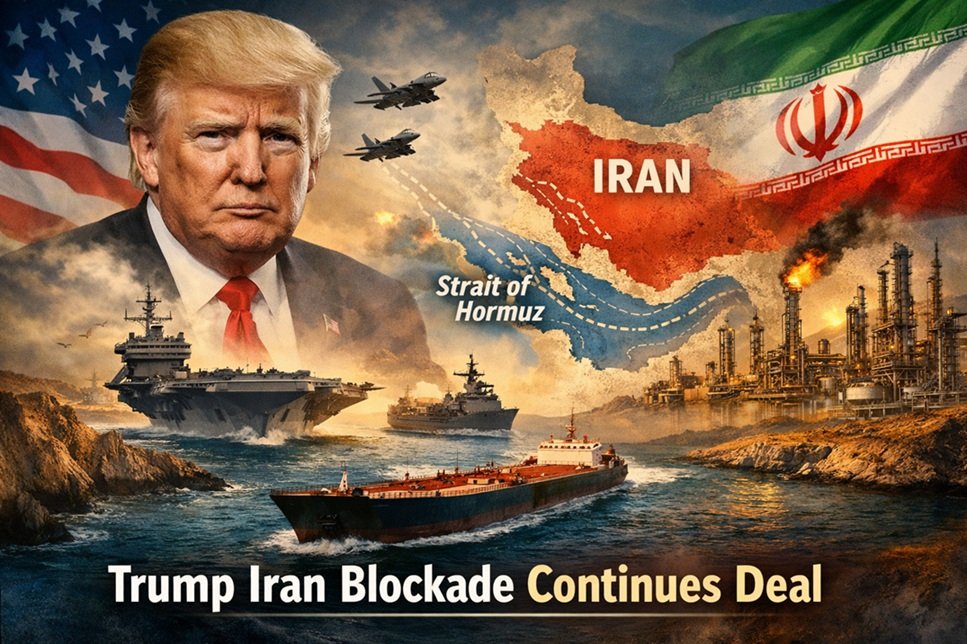
Table of Contents
- Introduction: Trump Iran Blockade Continues Deal Explained
- Understanding the Blockade Strategy
- Why Trump Is Keeping the Blockade in Place
- Maximum Pressure Strategy
- Push for a Comprehensive Deal
- Domestic Political Factors
- Iran’s Response and Rising Tensions
- The Importance of the Strait of Hormuz
- Global Economic Impact
- Oil Prices and Market Volatility
- Inflation and Daily Costs
- Military Risks and Strategic Concerns
- Diplomatic Efforts and Ongoing Negotiations
- Impact on Global Alliances
- Economic Pressure on Iran
- Public Perception and Media Narratives
- Could This Situation Lead to War?
- Future Outlook: What Happens Next
- Key Takeaways
- Final Conclusion
Understanding the Blockade Strategy
At its core, the Trump Iran blockade continues deal policy is about leverage.
After failed negotiations in Islamabad, the United States imposed a naval blockade targeting Iranian ports. The goal was simple: restrict Iran’s economic activity and force it back to the negotiating table.
According to recent reports, the blockade:
- Targets ships entering or leaving Iranian ports
- Does NOT block general global shipping routes
- Is specifically designed to pressure Iran economically
This means global trade isn’t entirely disrupted—but Iran’s ability to export oil and goods is heavily restricted.
The blockade began in April 2026 and has been described by US officials as “full force and effect” until a deal is finalized.
Why Trump Is Keeping the Blockade in Place
1. Maximum Pressure Strategy
The Trump Iran blockade continues deal approach is rooted in economic pressure. By limiting Iran’s exports, especially oil, the US aims to weaken its financial position.
Iran reportedly loses hundreds of millions of dollars daily due to restricted trade, making the pressure immediate and tangible.
2. Forcing a Comprehensive Deal
Trump has emphasized that partial agreements are not enough. He wants:
- Nuclear program restrictions
- Uranium transfer agreements
- Long-term compliance guarantees
Until all terms are agreed upon, the blockade remains.
3. Domestic Political Considerations
The strategy is not just international—it’s also political.
Rising fuel prices and economic pressure at home have forced the administration to push for a quick resolution, but without appearing weak.
Iran’s Response: Resistance and Warning
Iran has not stayed silent.
Officials in Tehran have strongly criticized the blockade, calling it illegal and aggressive. They argue that:
- The blockade violates international law
- It disrupts regional stability
- It could trigger retaliation
Iran has also issued warnings that continued pressure could lead to renewed escalation.
One major flashpoint is the Strait of Hormuz, a crucial shipping route through which a significant portion of the world’s oil passes.
Iran has stated that if the blockade continues, the strait could be closed again—something that would shock global markets.
The Role of the Strait of Hormuz
The Strait of Hormuz is not just a geographic location—it’s the heartbeat of global oil supply.
Why It Matters
- Around 20% of global oil passes through it
- Any disruption causes immediate price spikes
- It’s a strategic choke point
Even though Iran recently allowed commercial ships to pass during a ceasefire, tensions remain high.
Trump celebrated the reopening of the strait, but at the same time confirmed that the blockade targeting Iran would continue.
This dual reality—open waters but restricted Iran—creates uncertainty.
Global Economic Impact
The Trump Iran blockade continues deal policy is not just about politics—it’s hitting wallets worldwide.
Oil Prices and Energy Markets
When the blockade was announced:
- Oil prices surged initially
- Markets reacted with volatility
- Supply chains were disrupted
Later, the reopening of shipping routes caused prices to drop again.
This kind of instability makes it difficult for businesses and governments to plan ahead.
Inflation and Everyday Costs
Higher fuel prices affect everything:
- Transportation
- Food prices
- Manufacturing costs
In many countries, including India, consumers are already feeling the pressure.
Military Risks and Strategic Tensions
Let’s be real—this situation is tense.
The presence of naval forces in the Persian Gulf increases the risk of:
- Accidental clashes
- Miscommunication between forces
- Rapid escalation into conflict
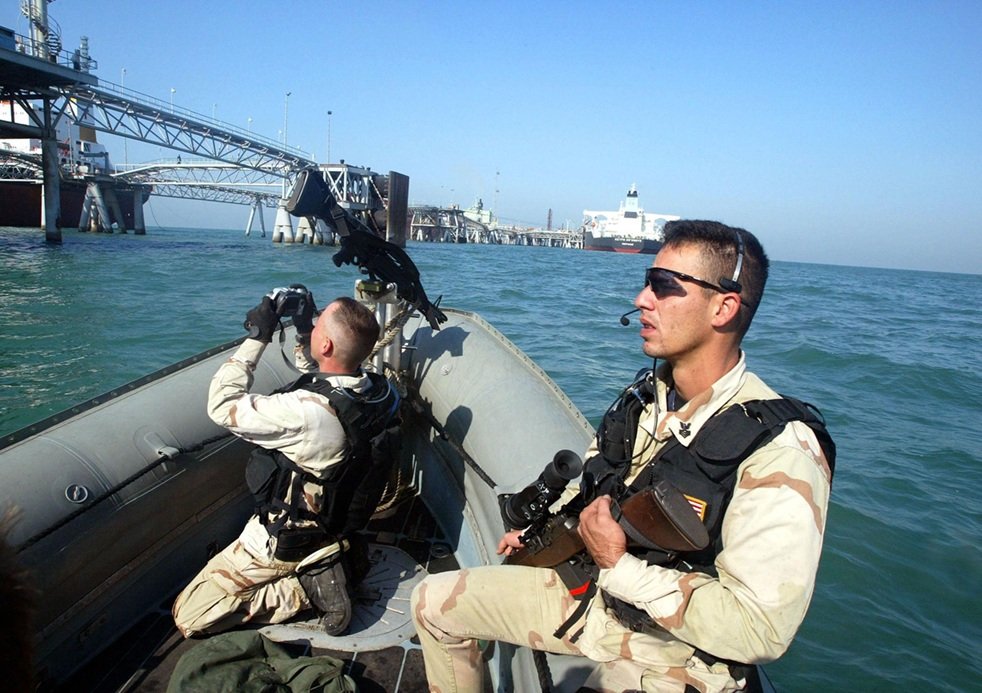
The US has already intercepted multiple vessels to enforce the blockade, showing how serious the operation is.
Iran, on the other hand, has warned that any aggressive move could be met with a “severe response.”
This is not just diplomacy—it’s a high-stakes standoff.
Diplomatic Efforts: Is a Deal Close?
Despite the tension, negotiations are ongoing.
Trump has repeatedly claimed that a deal is “very close,” but Iranian officials have denied many of those claims.
Key Challenges in Negotiations
- Disagreements over uranium stockpiles
- Lack of trust between both sides
- Conflicting public statements
Even when progress seems near, both sides interpret it differently.
Impact on Global Alliances
The Trump Iran blockade continues deal policy is also reshaping global relationships.
Allies’ Reactions
Some US allies are concerned about:
- Being excluded from negotiations
- The risk of escalation
- Economic fallout
European countries, in particular, have expressed frustration at being sidelined.
Emerging Mediators
Countries like Pakistan are playing a role in facilitating talks, showing how regional diplomacy is evolving.
Economic Pressure on Iran
The blockade is designed to hurt—and it is.
Iran’s economy is facing:
- Reduced oil exports
- Currency pressure
- Trade limitations
These factors are intended to push Iran toward compromise.
But there’s a catch.
Economic pressure can also strengthen resistance, especially when national pride is involved.
Public Perception and Media Narrative
Media coverage of the Trump Iran blockade continues deal situation varies widely.
In the United States
- Supporters see it as strong leadership
- Critics warn of unnecessary risk
In Iran
- It’s framed as aggression
- Used to rally domestic support
Globally
- Seen as a potential flashpoint
- Closely monitored by investors and governments
Could This Lead to War?
That’s the big question.
While both sides are currently engaged in negotiations, the situation remains fragile.
A single incident—like a naval clash or misinterpreted action—could escalate quickly.
However, there are also strong incentives to avoid war:
- Economic consequences
- Political risks
- Global instability
For now, both sides appear to be balancing pressure with caution.
What Happens Next?
The future of the Trump Iran blockade continues deal strategy depends on negotiations.
Possible Outcomes
- Successful Deal: Blockade lifted, tensions reduced
- Partial Agreement: Some restrictions remain
- Failure: Escalation or extended standoff
Each scenario carries its own risks and consequences.
Key Takeaways
Here’s a quick summary of what you need to know:
- The US has imposed a naval blockade on Iran
- Trump says it will remain until a deal is finalized
- Iran strongly opposes the blockade
- The Strait of Hormuz remains a critical factor
- Global markets are reacting to uncertainty
Final Conclusion
The Trump Iran blockade continues deal strategy has turned into a defining geopolitical moment, blending economic pressure with high-stakes diplomacy. Donald Trump has made it clear that the blockade is not just symbolic—it’s a calculated move to force Iran into a comprehensive agreement.
While the approach has created leverage, it has also introduced significant risks. Global markets remain volatile, regional tensions are elevated, and the possibility of miscalculation still lingers. At the same time, ongoing negotiations suggest that both sides understand the cost of escalation.
Ultimately, this situation is a balancing act between pressure and patience. If diplomacy succeeds, the blockade could be remembered as a turning point toward stability. If it fails, it may deepen divisions and uncertainty across the region.
For now, the world watches closely—because what happens next won’t just affect two nations, but the entire global landscape.