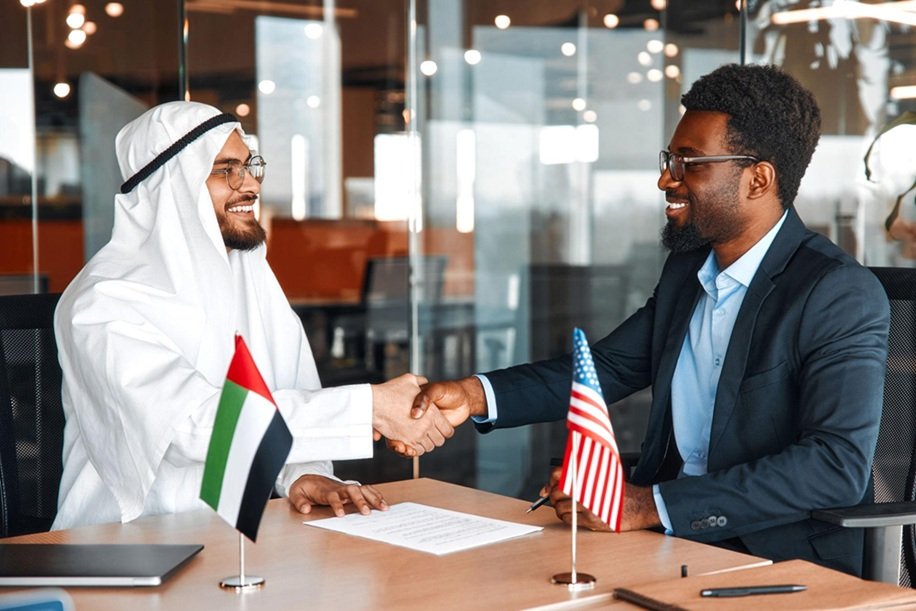

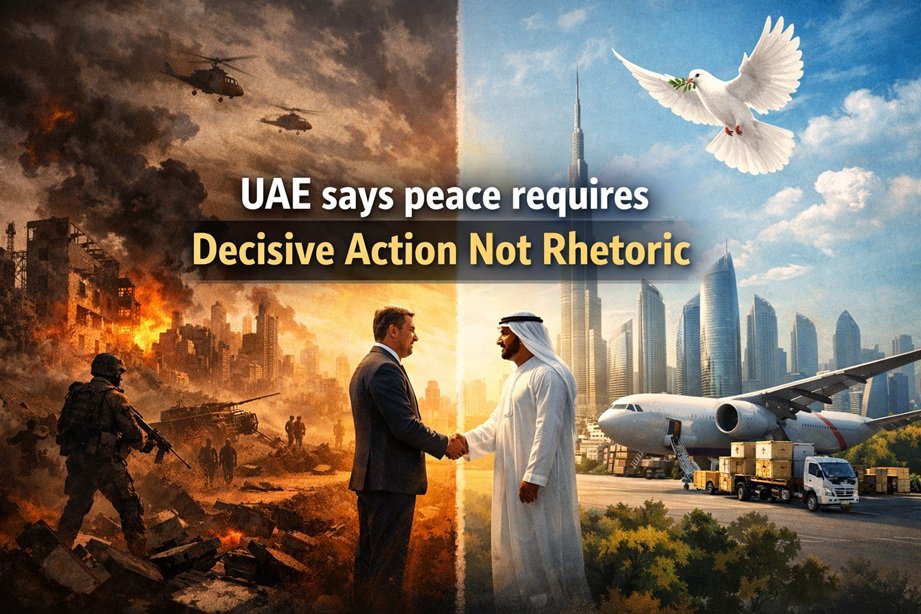
When global tensions rise, statements from influential nations often shape the narrative. Recently, United Arab Emirates made a powerful assertion that has caught international attention: UAE says peace requires decisive action not rhetoric. This message is not just diplomatic language—it reflects a broader shift in how modern geopolitics views conflict resolution.
In a world increasingly driven by rapid developments, social media reactions, and political posturing, the UAE’s stance highlights something critical: words alone are no longer enough.
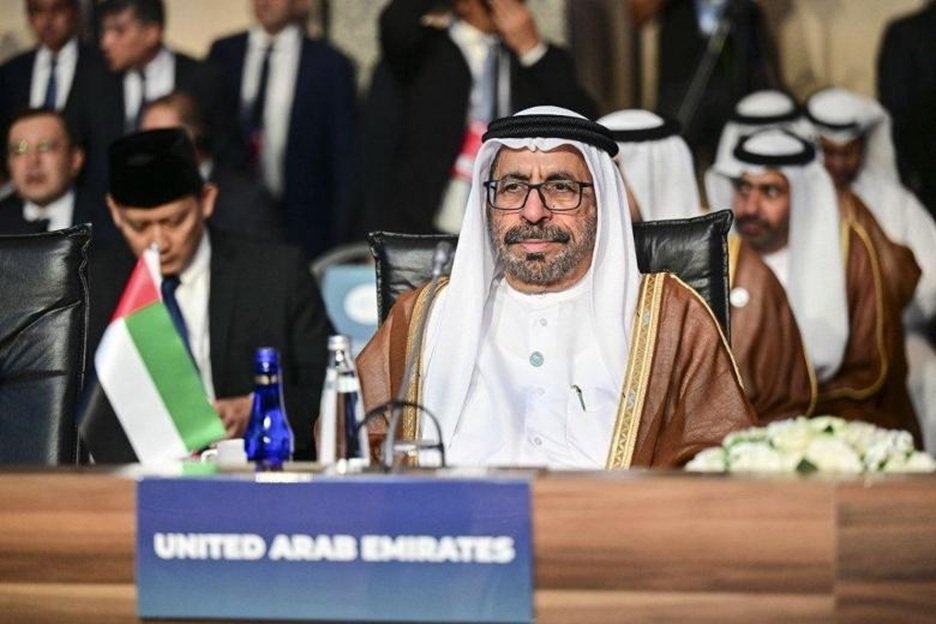
Table of Contents
- Introduction: Understanding the UAE’s Statement
- Understanding the Core Message
- Why This Statement Matters Now
- The Shift from Words to Action
- Limits of Traditional Diplomacy
- Rise of Action-Oriented Diplomacy
- UAE’s Growing Role in Global Peace Efforts
- Real-World Examples of Decisive Action
- Humanitarian Aid Initiatives
- Mediation Efforts
- Economic Support for Stability
- Why Rhetoric Alone Fails
- The Psychology Behind Action vs Words
- The Role of Accountability in Peacebuilding
- Challenges in Implementing Decisive Action
- Political Barriers
- Economic Considerations
- Coordination Issues
- How Technology is Changing Diplomacy
- The Economic Impact of Peace vs Conflict
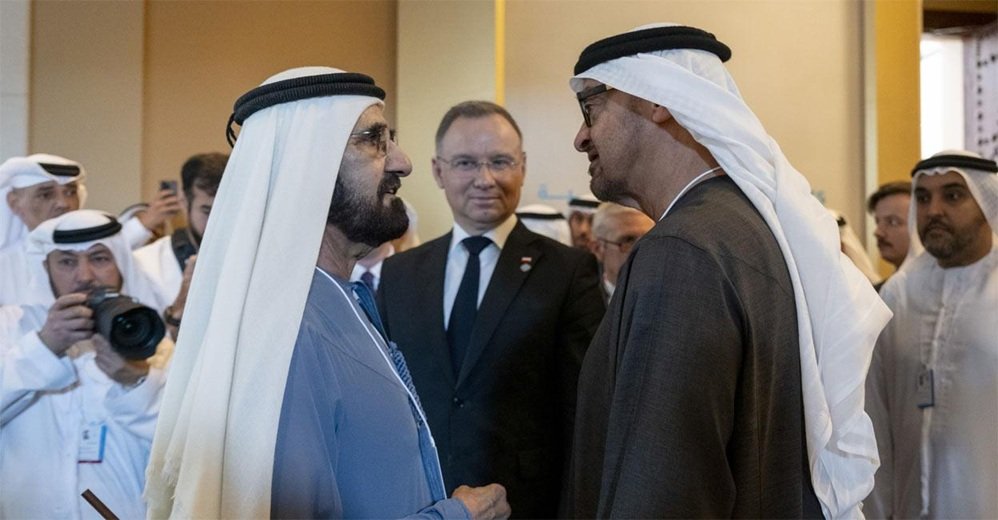
- The Role of Leadership
- Global Reactions to the UAE’s Statement
- Case Studies: When Action Made the Difference
- The Future of Global Diplomacy
- What This Means for Ordinary People
- Lessons for Policymakers
- Balancing Action with Diplomacy
- The Risk of Inaction
- Final Conclusion
Understanding the Core Message
The phrase UAE says peace requires decisive action not rhetoric emphasizes a simple but often ignored truth—real peace is built through tangible steps, not speeches or promises.
Diplomatic rhetoric has long been a tool used by governments to signal intentions, but history has repeatedly shown that:
- Statements without follow-through lose credibility
- Delayed action can escalate conflicts
- Symbolic gestures rarely solve complex crises
The UAE’s position reflects frustration with passive diplomacy and calls for accountability on the global stage.
Why This Statement Matters Now
Global tensions in recent years have intensified across multiple regions. From economic conflicts to territorial disputes, the international community has seen an increase in:
- Prolonged negotiations without outcomes
- Ceasefires that fail to hold
- Humanitarian crises worsening despite diplomatic talks
In this context, UAE says peace requires decisive action not rhetoric becomes more than a statement—it becomes a call to rethink how peace is pursued.
The Shift from Words to Action
The Limits of Traditional Diplomacy
Traditional diplomacy often relies on:
- Negotiations behind closed doors
- Carefully worded statements
- Long-term agreements that take years to implement
While these methods have worked in some cases, they are increasingly seen as insufficient in fast-moving global crises.
The Rise of Action-Oriented Diplomacy
Modern geopolitics is evolving. Countries like the UAE are advocating for:
- Immediate humanitarian interventions
- Clear timelines for peace agreements
- Strong enforcement mechanisms
This is where the idea that UAE says peace requires decisive action not rhetoric gains traction.
UAE’s Growing Role in Global Peace Efforts
The UAE has positioned itself as a proactive player in international diplomacy. Over the years, it has been involved in:
- Mediating regional conflicts
- Providing humanitarian aid
- Supporting reconstruction efforts in war-torn areas
Rather than limiting itself to statements, the UAE often backs its words with action—aligning with its message that UAE says peace requires decisive action not rhetoric.
Real-World Examples of Decisive Action
Humanitarian Aid Initiatives
The UAE has consistently contributed to global relief efforts, providing:
- Emergency food supplies
- Medical assistance
- Infrastructure rebuilding support
These actions demonstrate how countries can move beyond rhetoric.
Mediation Efforts
The UAE has played a role in facilitating dialogue between conflicting parties, often focusing on practical outcomes rather than symbolic gestures.
Economic Support for Stability
Economic investment is another form of decisive action. By supporting development in unstable regions, the UAE aims to address root causes of conflict.
Why Rhetoric Alone Fails
Let’s be honest—how many times have we heard strong statements from global leaders that led to little or no change?
Rhetoric often fails because:
- It lacks enforcement
- It is influenced by political interests
- It prioritizes image over results
This is precisely why UAE says peace requires decisive action not rhetoric resonates with many observers.
The Psychology Behind Action vs Words
Human behavior—whether at an individual or national level—tends to trust actions more than words.
Think about it:
- A promise builds expectation
- An action builds trust
In international relations, trust is everything. Without it, agreements collapse, alliances weaken, and conflicts persist.
The Role of Accountability in Peacebuilding
One of the strongest implications behind UAE says peace requires decisive action not rhetoric is the need for accountability.
What Does Accountability Look Like?
- Clear commitments from nations
- Transparent reporting on actions taken
- Consequences for failing to act
Without accountability, even the best intentions remain ineffective.
Challenges in Implementing Decisive Action
While the idea sounds straightforward, implementing it is anything but simple.
Political Barriers
Countries often hesitate to act due to:
- Domestic political pressures
- Fear of international backlash
- Strategic alliances
Economic Considerations
Decisive action often requires significant resources, including:
- Financial investments
- Military capabilities
- Long-term commitments
Coordination Issues
Global cooperation is difficult. Even when countries agree on goals, aligning strategies can be challenging.
How Technology is Changing Diplomacy
In today’s digital age, diplomacy is no longer confined to official meetings.
Instant Communication
Leaders can communicate instantly, increasing pressure to act quickly.
Public Scrutiny
Social media ensures that governments are held accountable by global audiences.
Data-Driven Decisions
Advanced analytics allow for better planning and execution of peace initiatives.
These developments support the idea that UAE says peace requires decisive action not rhetoric, as delays and inaction are more visible than ever.
The Economic Impact of Peace vs Conflict
Peace is not just a moral goal—it has significant economic implications.
Benefits of Peace
- Increased trade
- Foreign investments
- Tourism growth
Costs of Conflict
- Infrastructure damage
- Loss of human capital
- Economic instability
Decisive action toward peace can therefore create long-term economic benefits.
The Role of Leadership
Strong leadership is essential for turning words into action.
Traits of Effective Leaders
- Willingness to take risks
- Ability to make tough decisions
- Commitment to long-term goals
Leaders who embody these traits are more likely to align with the principle that UAE says peace requires decisive action not rhetoric.
Global Reactions to the UAE’s Statement
The international response has been mixed but largely reflective.
Supportive Views
Many analysts and policymakers agree that:
- The world needs more action-oriented diplomacy
- Delays in decision-making worsen crises
Critical Perspectives
Some critics argue that:
- Decisive action can sometimes escalate conflicts
- Not all situations allow for immediate intervention
Despite differing opinions, the conversation itself highlights the relevance of the statement.
Case Studies: When Action Made the Difference
Rapid Humanitarian Response
In several crises, quick intervention has:
- Saved lives
- Prevented further escalation
- Stabilized regions
Peace Agreements with Enforcement
Agreements backed by clear enforcement mechanisms have a higher success rate compared to those based solely on trust.
These examples reinforce why UAE says peace requires decisive action not rhetoric is more than just a slogan.
The Future of Global Diplomacy
The world is entering a new era where:
- Speed matters
- Transparency is expected
- Results are demanded
Countries that fail to adapt risk losing influence.
What This Means for Ordinary People
You might be wondering—how does this affect everyday life?
The answer is: quite significantly.
Direct Impacts
- Safer global environment
- Economic stability
- Better humanitarian outcomes
Indirect Impacts
- Increased global cooperation
- Improved international relations
- Greater trust in institutions
Lessons for Policymakers
For governments around the world, the message is clear.
To achieve lasting peace, they must:
- Prioritize action over statements
- Invest in long-term solutions
- Build accountability systems
This aligns perfectly with the idea that UAE says peace requires decisive action not rhetoric.
Balancing Action with Diplomacy
It’s important to note that action doesn’t mean abandoning diplomacy.
Instead, it means:
- Combining dialogue with implementation
- Ensuring that agreements lead to real outcomes
- Avoiding empty promises
The Risk of Inaction
Sometimes, the biggest risk is doing nothing.
Inaction can lead to:
- Escalation of conflicts
- Loss of credibility
- Humanitarian disasters
This is why the emphasis that UAE says peace requires decisive action not rhetoric is so crucial.
Final Conclusion
The statement UAE says peace requires decisive action not rhetoric ultimately highlights a powerful shift in global thinking—where outcomes matter more than promises. In today’s fast-changing geopolitical landscape, delays and empty statements can no longer sustain stability or trust.
The UAE’s stance serves as a reminder that real peace demands commitment, courage, and concrete steps. Whether through humanitarian aid, diplomatic mediation, or economic support, action-backed strategies are proving far more effective than prolonged discussions without results.
As global conflicts continue to challenge international systems, the emphasis must move toward accountability and timely intervention. Nations that adapt to this action-first approach are more likely to build lasting peace and credibility on the world stage.
In the end, peace is not achieved through words alone—it is built through consistent, meaningful action.
:contentReference[oaicite:0]{index=0}