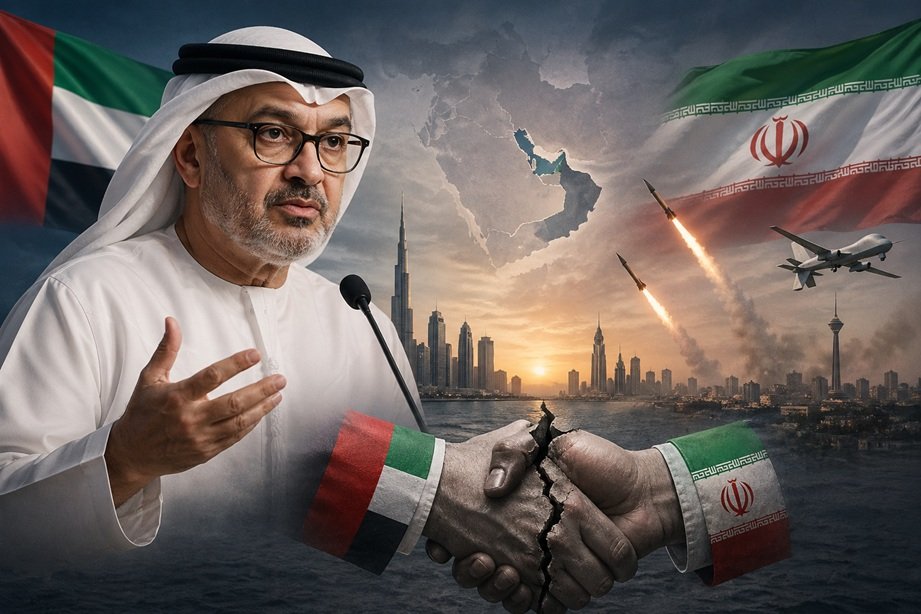

The Middle East rarely runs short of tension—but every once in a while, a statement lands that really makes you pause. Recently, Anwar Gargash, a senior UAE official, made a striking remark: rebuilding trust with Iran could take generations.
That’s not just diplomatic language—it’s a warning. A signal that something deeper than politics is broken.
In this article, we’ll unpack what led to this moment, why trust has eroded so dramatically, and what it means for the region going forward.
Table of Contents
- Introduction: A Defining Diplomatic Moment
- The Statement That Shocked the Region
- Background of UAE–Iran Relations
- 2026 Conflict Escalation and Its Impact
- Missile and Drone Attacks
- Civilian and Economic Damage
- Why Trust Is Harder Than Diplomacy
- Psychological Impact
- Strategic Concerns
- UAE Gargash Iran trust generations: Deeper Meaning
- Trust vs Diplomatic Relations
- Generational Consequences
- Regional Implications
- The Broader Middle East Context
- Role of Global Powers
- Economic Fallout
- Iran’s Position and Internal Challenges
- UAE’s Strategic Shift After the Conflict
- Policy Changes
- Strengthening Alliances
- The Human Side of the Crisis
- Can Trust Ever Be Rebuilt?
- Lessons from History
- Conditions for Reconciliation
- Future Outlook for the Middle East
- Key Takeaways from the Crisis
- Final Conclusion
The Statement That Sparked Global Attention
When UAE Gargash Iran trust generations became a talking point, it wasn’t just another geopolitical headline—it was rooted in real events.
Speaking at an international policy conference, Gargash emphasized a key distinction:
- Restoring diplomatic relations is possible
- Rebuilding trust is far more complex
He pointed out that after thousands of missile and drone attacks, expecting immediate trust is unrealistic.
To put it bluntly—this isn’t a minor diplomatic disagreement. It’s a deep fracture.
What Actually Happened Between UAE and Iran?
To understand the weight of this statement, you need context.
The 2026 Conflict Escalation
In early 2026, tensions escalated dramatically following a broader regional conflict involving the US and Israel. Iran launched a large-scale attack campaign targeting Gulf nations, including the UAE.
According to reports:
- Over 2,800 missiles and drones were launched
- Many targeted civilian areas and infrastructure
- Key economic zones and energy facilities were hit
That’s not just military pressure—it’s psychological and economic warfare.
Civilian Impact
Here’s where things get serious:
- Residential areas were affected
- Energy infrastructure suffered damage
- Casualties included both civilians and personnel
Even if most attacks were intercepted, the fear and disruption were real.
And that’s where trust begins to collapse.
Why Trust Is Harder Than Diplomacy
Let’s be honest—countries can reopen embassies overnight. But trust? That’s a completely different game.
The Psychological Factor
When a nation feels directly attacked:
- Public perception shifts
- Political narratives harden
- Long-term suspicion develops
Gargash made it clear: you can’t just move on after such масштаб events.
The Strategic Reality
From the UAE’s perspective, Iran is now viewed as:
- A persistent regional threat
- A strategic rival rather than a neighbor
- A source of instability in Gulf security
This shift isn’t temporary—it reshapes foreign policy.
UAE Gargash Iran trust generations: What It Really Means
The phrase UAE Gargash Iran trust generations isn’t just rhetoric—it reflects a long-term geopolitical shift.
Let’s break it down.
1. Trust vs Relations
Countries may still engage diplomatically, but:
- Engagement ≠ trust
- Negotiation ≠ confidence
This creates a fragile, transactional relationship.
2. Generational Impact
When Gargash says “generations,” he’s talking about:
- Decades of rebuilding perception
- Political leadership cycles
- Societal memory of conflict
In other words, even future leaders will inherit today’s distrust.
3. Regional Ripple Effects
The UAE isn’t alone. Other Gulf nations share similar concerns.
This leads to:
- Stronger alliances within the Gulf
- Increased reliance on global partners
- Greater military preparedness
The Broader Middle East Context
To really understand the situation, you need to zoom out.
The Role of Global Powers
The conflict didn’t happen in isolation.
- The United States played a key military role
- Israel’s actions triggered wider escalation
- Global diplomacy is now trying to contain fallout
This makes the situation even more complex.
Economic Consequences
Conflict isn’t just about missiles—it hits economies hard.
- Oil supply disruptions
- Trade instability
- Rising insurance and transport costs
Even global markets felt the impact.
Iran’s Position and Challenges
While much focus is on the UAE, Iran also faces significant challenges.
Internal Pressure
Reports suggest:
- Political fragmentation
- Economic strain from sanctions
- Diplomatic isolation
Gargash even hinted that Iran is facing a political impasse.
International Image
After the attacks:
- Iran’s reputation in the Gulf has deteriorated
- Trust deficit extends beyond just the UAE
- Long-term diplomatic recovery looks uncertain
UAE’s Strategic Shift
The UAE has historically maintained a pragmatic relationship with Iran.
But things are changing.
From Engagement to Caution
Previously:
- Trade links existed
- Diplomatic channels remained open
Now:
- Security concerns dominate
- Policies are becoming more defensive
Strengthening Alliances
Expect to see:
- Closer ties with Western allies
- Stronger Gulf cooperation
- Increased defense investments
This is not just reaction—it’s a recalibration.
The Human Side of Conflict
It’s easy to get lost in geopolitics, but let’s not forget the human angle.
Fear and Uncertainty
Imagine living in a city where:
- Air defense systems activate regularly
- Explosions are heard nearby
- News updates feel like crisis alerts
That psychological toll doesn’t disappear overnight.
Expat Communities
The UAE hosts millions of expatriates, including Iranians.
This creates a complex situation:
- Personal ties vs political tension
- Economic interdependence vs security concerns
Can Trust Ever Be Rebuilt?
Here’s the big question.
Is Gargash being realistic—or overly pessimistic?
What History Tells Us
History shows:
- Trust after conflict takes decades
- Some rivalries last generations
- Reconciliation requires consistent effort
Think of post-war Europe—it didn’t happen overnight.
What Needs to Change
For trust to rebuild:
- Hostile actions must stop
- Transparency must increase
- Diplomatic consistency is essential
Without these, trust remains a distant goal.
UAE Gargash Iran trust generations in Future Geopolitics
Looking ahead, this phrase may define regional politics for years.
A New Normal
Expect:
- Limited engagement
- High caution in diplomacy
- Strategic hedging by Gulf nations
Impact on Global Relations
Global powers will:
- Play mediator roles
- Balance interests carefully
- Focus on stability over alliances
Key Takeaways from the Crisis
Let’s simplify what this all means:
- Trust has been deeply damaged
- Military conflict reshapes diplomacy
- Recovery will take decades, not years
- Regional alliances are shifting
- Global involvement is unavoidable
Final Conclusion
The phrase UAE Gargash Iran trust generations perfectly captures the depth of the current geopolitical divide. What we’re witnessing isn’t just a temporary fallout—it’s a long-term shift in regional dynamics shaped by conflict, fear, and strategic recalibration. While diplomacy may continue on the surface, genuine trust has taken a serious hit, one that cannot be repaired through quick agreements or symbolic gestures.
For the UAE, the priority now lies in security, stability, and strengthening alliances, while Iran faces growing pressure to rebuild its regional credibility. The road ahead is uncertain, and any meaningful reconciliation will require consistent actions, not just words.
In the end, this situation highlights a powerful truth about international relations: trust, once broken, doesn’t return easily. It takes time, leadership, and a complete change in approach. Until then, the Middle East will likely operate under cautious engagement rather than true partnership—proving that some fractures in global politics really do take generations to heal.