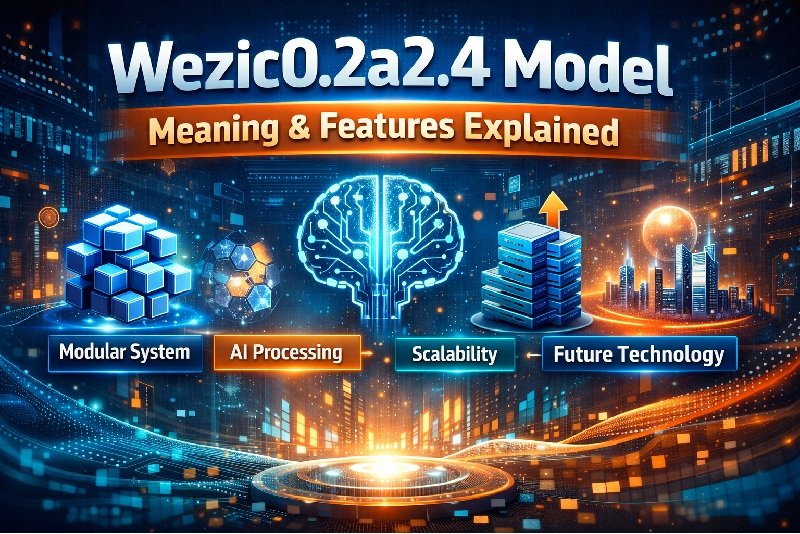

Technology moves so fast these days that every few months a new concept, system, or model appears in the digital world. One such term that has recently started appearing in tech discussions is the Wezic0.2a2.4 model. At first glance, the name might look complicated or even confusing, but the idea behind it is actually quite simple.
The Wezic0.2a2.4 model refers to a structured digital framework designed to improve how modern systems process information, manage data, and make decisions automatically. In simple words, it represents a smarter way of organizing technology so that computers and digital platforms can work more efficiently.
As industries continue moving toward automation, artificial intelligence, and cloud-based platforms, models like Wezic0.2a2.4 are being explored as possible solutions for handling complex digital tasks.
Understanding the Meaning of the Wezic0.2a2.4 Model
To understand the Wezic0.2a2.4 model, imagine a digital system that is not built as one giant block but as several smaller parts working together. Each part of the system has a specific job, and when all the parts communicate with each other smoothly, the entire system becomes more powerful and efficient.
The numbers in Wezic0.2a2.4 generally represent a version structure, something commonly used in software development. Each number indicates a stage of improvement or modification in the model. Developers often use such numbering systems to track updates, improvements, and stability in digital frameworks.
In practical terms, the model focuses on three important ideas:
- Better data management
- Smarter system automation
- Faster decision-making processes
Because modern technology relies heavily on data and automation, frameworks like the Wezic0.2a2.4 model can become useful tools for improving digital infrastructure.
Why Models Like Wezic0.2a2.4 Are Important
If we look at the digital world today, we are surrounded by massive amounts of information. From social media platforms to financial systems and smart devices, everything generates data every second.
Managing this information efficiently is not an easy task. Traditional systems sometimes struggle with speed, scalability, and security. This is where advanced frameworks like the Wezic0.2a2.4 model come into play.
Such models aim to make systems:
- Faster in processing information
- Smarter in analyzing data
- More flexible when handling large workloads
Instead of relying on rigid structures, modern models emphasize adaptability and intelligent processing.
Key Features of the Wezic0.2a2.4 Model
The Wezic0.2a2.4 model includes several features that make it suitable for modern digital environments.
Modular System Design
One of the most important characteristics of the model is its modular structure. Rather than building a system as one massive block of code, it divides the system into different modules.
Each module performs a specific task such as:
- Data analysis
- Monitoring system activity
- Running automated processes
- Generating decisions or outputs
This modular design makes systems easier to manage, upgrade, and maintain.
Intelligent Data Processing
Another key feature of the Wezic0.2a2.4 model is its focus on intelligent processing. Modern systems must analyze huge volumes of data quickly. The model supports algorithms that can process information and identify patterns efficiently.
This capability allows systems to respond to situations faster and with better accuracy.
For example, in digital platforms that handle millions of users, intelligent processing can help detect unusual activity, analyze trends, and improve user experiences.
Scalability for Growing Systems
Technology platforms rarely stay small for long. As businesses grow, their digital systems must handle more users, more transactions, and more data.
The Wezic0.2a2.4 model supports scalability, meaning systems can expand without major disruptions. Companies can increase their infrastructure step by step rather than rebuilding the entire system.
This flexibility is especially important for cloud-based applications and online platforms.
Adaptive Learning Capability
One interesting aspect of the Wezic0.2a2.4 model is its ability to improve over time. Through adaptive learning mechanisms, systems can analyze past data and adjust their behavior accordingly.
In simple terms, the system becomes smarter as it processes more information.
This feature is closely related to modern developments in artificial intelligence and machine learning, where systems learn from experience instead of following fixed instructions.
Enhanced Security Framework
Security has become a major concern in the digital age. Cyber threats, data breaches, and unauthorized access are constant risks for organizations.
The Wezic0.2a2.4 model incorporates multiple security layers to protect sensitive data and maintain system integrity.
These measures may include:
- Secure data encryption
- Access control systems
- Continuous monitoring of system activities
By embedding security into the framework itself, the model helps reduce vulnerabilities in digital systems.
How the Wezic0.2a2.4 Model Works
The working process of the Wezic0.2a2.4 model usually follows a structured flow.
First, the system collects data from different sources. These sources could include user inputs, digital sensors, databases, or external networks.
Next, the system processes the data using intelligent algorithms. These algorithms analyze patterns, identify trends, and extract useful insights.
After processing, the system moves to the decision stage, where it generates recommendations or actions based on the analysis.
Finally, a feedback loop allows the system to learn from previous results and improve its performance over time.
This continuous improvement cycle is what makes modern frameworks like Wezic0.2a2.4 valuable in complex technological environments.
Possible Applications of the Wezic0.2a2.4 Model
Although the concept is still evolving, the Wezic0.2a2.4 model could be applied in several technology sectors.
Some potential applications include:
- Artificial intelligence systems
- Smart data analytics platforms
- Cloud computing infrastructures
- Automated industrial operations
- Digital financial systems
In these areas, the model can help manage complex processes more efficiently.
Future Scope of the Wezic0.2a2.4 Model
Looking ahead, frameworks like the Wezic0.2a2.4 model could play a role in shaping the future of digital technology.
As industries move toward automation, intelligent systems, and data-driven decision-making, there will be a growing demand for flexible and scalable frameworks.
In the coming years, such models may support developments in areas like:
- Smart cities
- autonomous systems
- large-scale cloud infrastructure
- advanced artificial intelligence platforms
With ongoing research and innovation, these frameworks could become key components of next-generation digital ecosystems.
Conclusion
The Wezic0.2a2.4 model represents a modern approach to designing digital systems that are more intelligent, flexible, and efficient. By combining modular architecture, smart data processing, adaptive learning, and strong security measures, the model provides a framework capable of handling the growing complexity of modern technology.
While the concept is still developing, it reflects an important shift in how digital systems are built — moving away from rigid structures toward adaptive, scalable, and intelligent platforms.
As technology continues to evolve, models like Wezic0.2a2.4 could help shape the systems that power tomorrow’s digital world.