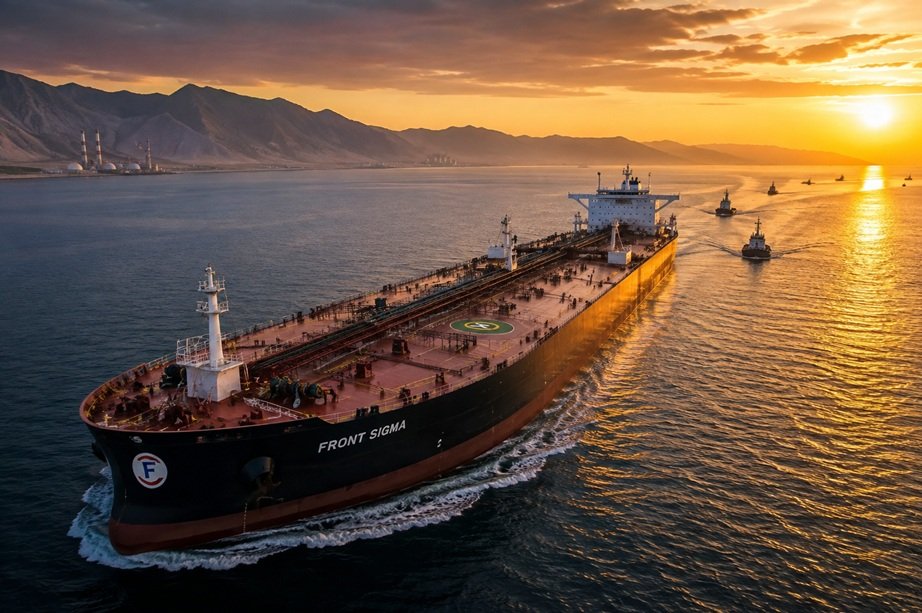

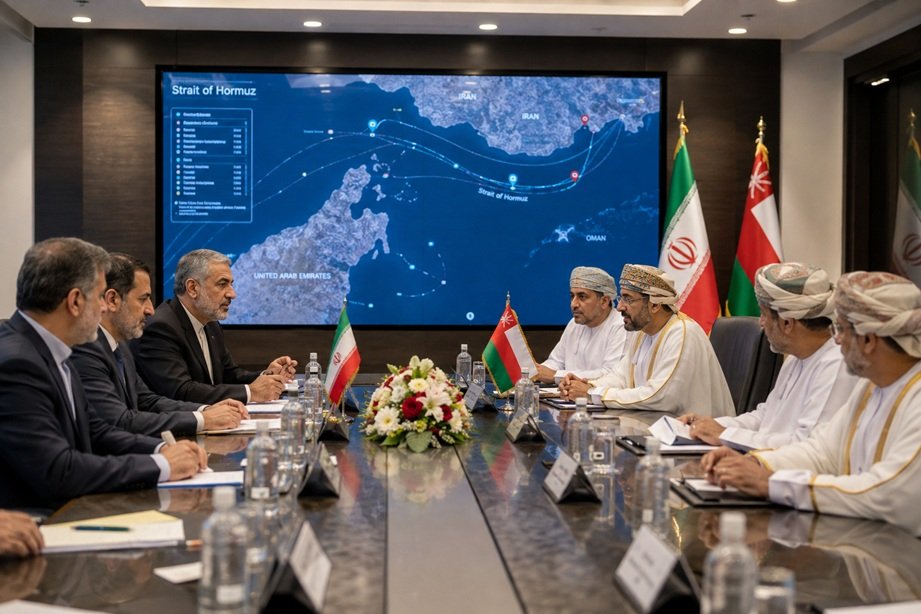
The Middle East is back in the spotlight as Iran and Oman have reported that their latest discussions regarding maritime activities in the Strait of Hormuz have yielded “promising” results. This diplomatic advancement coincides with ongoing indirect talks between Washington and Tehran, which are aimed at addressing wider security and political matters, sparking optimism that tensions in this crucial energy route could start to dissipate over time.
The implications for global markets stretch far beyond local politics. Approximately 20% of the world’s maritime oil trade relies on the secure passage through the Strait of Hormuz, which means any advancements in negotiations are closely monitored by countries, shipping firms, and energy investors.
Despite officials being cautious in proclaiming a finalized agreement, the recent surge in talks indicates that diplomatic efforts are making progress following a prolonged period of ambiguity.
Why the Strait of Hormuz is Significant
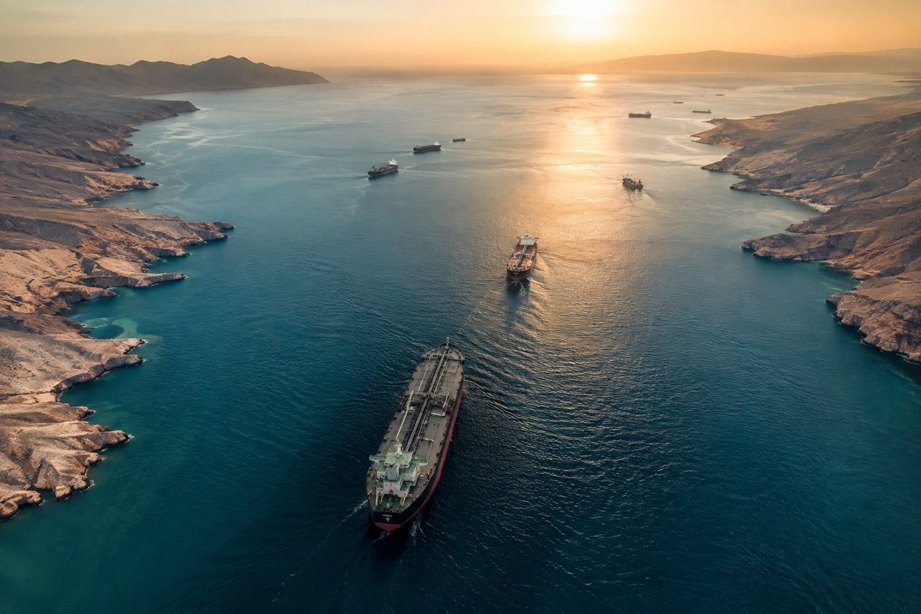
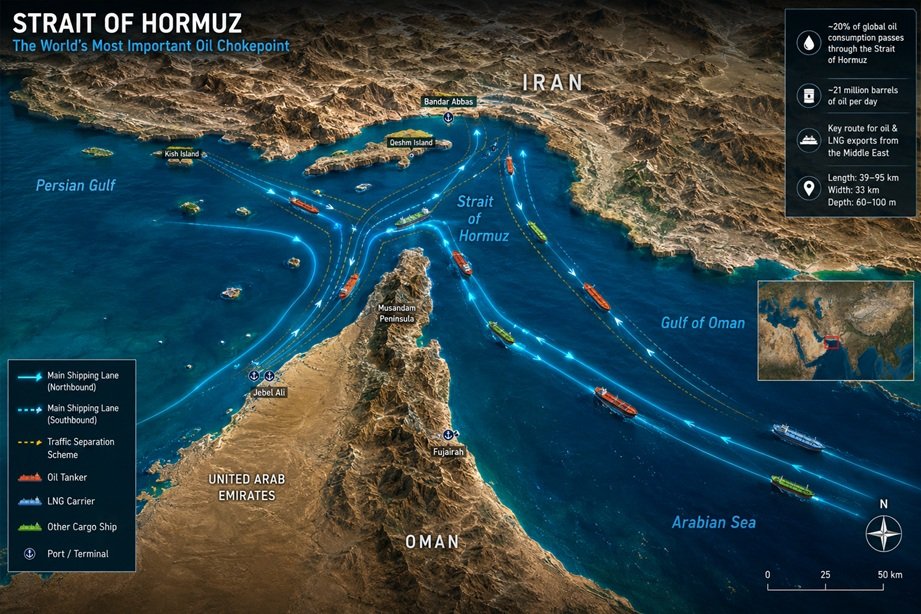
The Strait of Hormuz ranks as one of the most strategically vital waterways worldwide. It links the Persian Gulf with the Gulf of Oman and the Arabian Sea, acting as the main passage for crude oil and liquefied natural gas exported from the Gulf area.
Nations heavily dependent on this route include:
- Saudi Arabia
- United Arab Emirates
- Kuwait
- Iraq
- Qatar
- Iran
A disruption in this narrow passage has immediate repercussions on global fuel costs, insurance rates, freight charges, and international commerce. Even short-term security threats can cause significant fluctuations in oil markets, highlighting the global interest in diplomatic developments.
Iran and Oman Characterize Discussions as Constructive
Officials from Iran mentioned that multiple rounds of talks with their Omani counterparts were aimed at establishing effective systems to ensure safe navigation while honoring the sovereignty of both nations along the coast. Tehran reported that the discussions included operational protocols, maritime cooperation, and technical agreements aimed at fostering trust among shipping companies.
Participants described the engagements as positive, stressing that technical discussions would proceed even though a formal agreement has yet to be finalized.
Oman has historically upheld strong diplomatic relationships with both Western countries and Iran, positioning Muscat as one of the few reliable mediators capable of facilitating delicate regional negotiations.
Understanding the Hormuz Shipping Framework
The envisioned Hormuz Shipping Framework aims to create clearer regulations for commercial vessels operating in this strategically critical waterway.
Although not all specifics of the negotiations have been made public, sources suggest that several key components are still under consideration.
Safe Navigation Routes
Negotiators are assessing the establishment of designated shipping lanes to minimize navigation uncertainties and decrease the likelihood of military incidents.
These routes would assist commercial vessels in maintaining reliable transit paths while enhancing maritime coordination between neighboring nations.
Maritime Security Collaboration
Another primary goal focuses on bolstering communication among maritime authorities tasked with overseeing commercial transit.
Enhanced collaboration could shorten response times during crises while building trust among international shipping companies.
Environmental Safeguarding
Officials have also examined strategies to safeguard the marine ecosystem by improving reactions to accidents, oil spills, and other maritime challenges that could impact the narrow waterway.
How US-Iran Discussions Relate to the Negotiations
Although Iran and Oman are the main participants in naval talks, wider diplomatic interactions involving the United States are still significantly interconnected.
Recent updates suggest that Washington views enhanced security for shipping as a crucial initial step toward revitalizing discussions on broader regional matters, encompassing sanctions, stability in the region, and nuclear talks.
U.S. officials have expressed approval towards signs of diplomatic advancements while reiterating that international shipping through the Strait should continue to operate freely and without constraints as per international law.
Concurrently, Tehran asserts that any enduring agreement should acknowledge the genuine security needs of the nations located near the waterway.
The equilibrium between these two stances continues to influence the trajectory of the negotiations.
Global Energy Markets Are Watching Closely
Financial markets have reacted with caution to news of diplomatic progress.
Oil prices saw slight variations as investors assessed the potential for the negotiations to eventually restore greater predictability to one of the globe’s critical energy supply corridors.
Even though shipping activities have remained lower than those recorded prior to the recent conflict, vessel traffic persists through the area under increased security scrutiny.
Energy experts believe that even small diplomatic advancements can enhance market confidence because a lack of certainty often leads to fluctuations in commodity prices.
Shipping Industry Awaits Greater Clarity
International shipping firms are remaining tentatively hopeful.
Commercial operators are continuously analyzing security threats, insurance costs, and route strategies while looking for clearer operational direction from the negotiators.
Marine insurers have been closely observing every diplomatic update, as decreased geopolitical tensions might eventually lead to lower shipping expenses for companies transporting energy supplies across the Gulf.
Currently, however, businesses are staying ready for swift changes, highlighting the unpredictable character of regional security.
Geopolitical Implications for the Middle East
The newest strides in diplomacy encompass more than just sea transit. Observers in the region view the fruitful collaboration between Iran and Oman as a sign that communication can persist even amid significant political divides.
Oman has consistently maintained a strategy of impartial diplomacy, upholding positive relations with neighboring Gulf states, Iran, and Western countries. This distinctive stance has empowered Muscat to promote talks that may otherwise encounter obstacles to their advancement. Analysts suggest that the nation’s involvement could gain even more weight if discussions continue to progress positively.
Regional authorities are also closely observing the situation. Stability in the Strait of Hormuz benefits all economies relying on seamless export and import operations, while it also diminishes the chances of unintended military conflicts.
Economic Impact on Global Trade
The economic significance of the Hormuz Shipping Framework goes far beyond oil transportation.
Annually, thousands of commercial vessels navigate through the Strait carrying:
- Crude oil and refined petroleum
- Liquefied natural gas (LNG)
- Raw materials for industry
- Goods for consumers
- Agricultural items
A more stable maritime situation could lead to fewer shipping holdups, decreased insurance premiums, and enhanced trust throughout global supply chains.
Nations in Asia and Europe that import energy would especially gain from smoother transit in the Gulf. Companies making long-term investments often consider geopolitical stability crucial, meaning even incremental diplomatic advancements might boost further business activity.
Financial markets generally react favorably when vital trade routes seem more secure. Investors typically see reduced geopolitical threats as an indicator of increased economic stability, albeit markets usually hold off on significant changes until tangible agreements are reached.
Challenges Still Standing in the Way
In spite of optimistic remarks from negotiators, numerous intricate issues remain unsolved.
Political Differences
The overall relationship between Tehran and Washington is still characterized by differences regarding sanctions, regional safety, and various longstanding diplomatic issues.
Improvements in maritime collaboration do not automatically resolve these broader political conflicts. Instead, experts refer to the shipping dialogues as one method of building trust within a significantly more extensive diplomatic dialogue.
Security Concerns
Guaranteeing safe navigation necessitates collaboration among several military and civilian entities functioning in the Gulf.
Shipping firms require clear channels for communication, swift emergency response protocols, and transparent operational norms. Establishing these infrastructures requires time and ongoing trust among the involved governments.
International Legal Considerations
The Strait of Hormuz operates under international maritime law as well as the sovereign concerns of bordering nations.
Creating workable agreements that satisfy all involved while maintaining navigation freedom remains one of the most sensitive components of the negotiations.
International Reactions
Nations globally have shown cautious hopefulness.
Countries that depend on energy imports welcome any sign that tensions at sea might lessen, as dependable shipping routes are essential for stabilizing both fuel supplies and transport expenses.
Global shipping organizations have also indicated optimism that technical agreements will enhance operational reliability for shipping companies.
Market analysts observe that businesses generally favor steady, sustainable diplomatic strides over immediate announcements. Consequently, investors are expected to concentrate on prospective execution rather than solely on optimistic press releases.
Diplomatic analysts stress that ongoing dialogue among all parties involved will be crucial for sustaining the forward momentum.
What’s Next?
The next few months are anticipated to reveal if the recent advancements turn into a formal agreement.
It is expected that negotiators will persist in their technical discussions focusing on:
- Navigation protocols
- Maritime collaboration
- Emergency response strategies
- Improving communication methods among relevant authorities
Future sessions linked to broader US-Iran diplomatic efforts may also impact the speed of maritime negotiations. If larger political matters begin trending towards consensus, the confidence around shipping agreements could also enhance.
Nevertheless, officials have consistently reminded that diplomacy demands time. Complicated international pacts typically progress through various phases before achieving final execution.
For the global shipping sector, the main focus remains on clarity. Operators of vessels, insurance providers, logistics firms, and energy merchants all gain from stable operating environments and clear maritime regulations.
Why This Issue Is Significant Worldwide
The Strait of Hormuz holds a distinctive role in the international economy. Few regions exert such a direct impact on energy security, worldwide commerce, and financial systems.
Improvements in diplomatic ties lead to increased business confidence in planning investments, reduced supply-chain risks for governments, and potential benefits in stable energy prices for consumers.
On the other hand, renewed conflicts could swiftly elevate transportation costs, insurance charges, and commodity prices.
This is why policymakers, economists, and global organizations are keeping a keen eye on the situation. The negotiations between Iran, Oman, and other participants signify more than just regional diplomacy; they hold consequences for global economic stability.
Conclusion
The recent announcement regarding positive advancements in the Hormuz Shipping Framework signifies an encouraging development in one of the world’s most strategically vital maritime areas. Although negotiators have yet to finalize a comprehensive agreement, the productive talks between Iran and Oman, along with progressing US-Iran diplomatic interactions, suggest that meaningful discussions remain achievable despite deep-rooted political divides.
Substantial obstacles still exist, such as security protocols, legal systems, and wider geopolitical issues. However, the commitment of all parties to persist with negotiations brings a sense of cautious optimism for what lies ahead.
Should these diplomatic initiatives ultimately lead to effective maritime collaboration, the advantages could reach far beyond the Gulf. Enhanced navigation safety, improved regional cooperation, and greater assurance in international shipping would bolster global trade, energy sectors, and economic stability. As discussions progress, nations, enterprises, and investors around the globe will closely observe whether today’s advancements transform into a lasting framework for one of the most critical waterways on the planet.