

The Middle East experienced a significant shift when U.S. President Donald Trump declared his intention to stop a proposed military response against Iran, stating that dialogues had progressed sufficiently to merit another opportunity for diplomacy. This revelation surfaced during a period when the strain between Washington and Tehran had escalated to its highest tension in several months, heightening concerns that a broader regional conflict might be imminent.
Trump’s remarks indicated that leaders from pivotal Gulf nations urged the United States to delay military engagements, as negotiations were advancing towards a potential agreement that could lessen hostilities and restore essential shipping lanes in the Persian Gulf. While this announcement led to a cautious sense of optimism among financial markets and global leaders, Iranian officials have not entirely corroborated Trump’s account, leaving several critical inquiries unanswered.
This article examines the reasoning behind Trump’s cancellation of the Iran attack, details the contents of the proposed agreement, assesses regional powers’ influence on the decision, and evaluates the potential implications for global security.
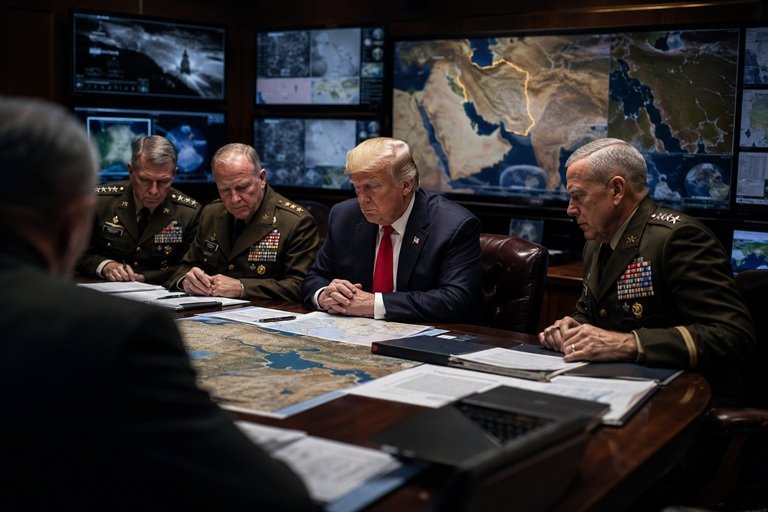
Reasons for the Escalation of US-Iran Tensions
The discord between the United States and Iran has evolved over numerous years, but recent months have experienced a significant escalation in military engagement. Airstrikes, assaults on commercial vessels, drone strikes, and conflicts involving regional proxies have brought both nations closer to direct confrontation.
Several factors exacerbated the crisis:
- Ongoing assaults on commercial ships near the Strait of Hormuz.
- Military confrontations involving U.S., Israeli, and Iranian military entities.
- Worries regarding Iran’s missile capabilities and nuclear ambitions.
- Increasing demands from regional partners seeking firmer security assurances.
These factors instilled fears that another American assault could provoke a much larger war involving multiple nations in the Middle East.
Diplomatic Efforts Altered the Circumstances
Just hours prior to the anticipated military interventions, Trump shared that numerous Middle Eastern leaders had requested additional time for diplomatic discussions.
The White House indicated that conversations had reached what Trump termed the “perimeters of a deal,” prompting Washington to delay further military measures while negotiations were ongoing. The proposed framework reportedly seeks to ease military tensions, while also addressing concerns surrounding shipping safety and stability in the region.
Although optimism surged following the announcement, Iranian officials have taken a more reserved stance, stating that several significant issues are yet to be resolved, and that no conclusive agreement has been reached.
What Does the Proposed Agreement Entail?
As negotiations persist, reports indicate that the emerging agreement framework comprises several key components.
Restoration of the Strait of Hormuz
Among the top priorities is the complete restoration of commercial shipping through the Strait of Hormuz.
This narrow passage is responsible for a substantial portion of global oil exports. Any interruptions can rapidly influence worldwide energy costs, insurance rates, and international commerce.
Officials are confident that reinstating uninterrupted passage would quickly alleviate economic uncertainty and bolster market confidence.
Nuclear Negotiations
A further critical goal involves reinitiating discussions regarding Iran’s nuclear program.
The United States continues to demand assurances that Iran will refrain from enhancing its nuclear weapons capabilities, whereas Iranian representatives assert that their nuclear endeavors remain non-military in nature.
Diplomatic representatives are optimistic that renewed dialogue might lessen the likelihood of future military conflicts.
Regional Security
The proposed framework is said to foster greater collaboration among local governments to decrease potential assaults on energy facilities and international shipping routes.
Despite the information being kept private, nations in the Gulf have shown strong support for initiatives aimed at preventing another significant military escalation.
Why Gulf Countries Played an Important Role
One of the key elements of this diplomatic achievement is the participation of partners from the Middle East.
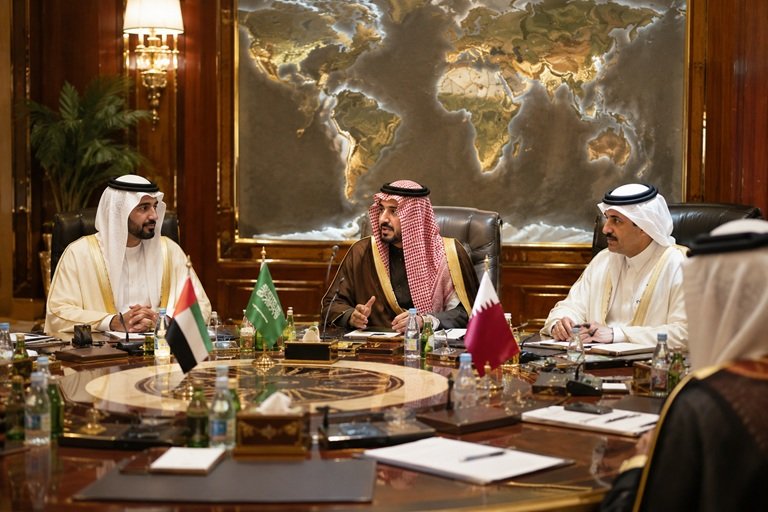
Reportedly, Saudi Arabia, Qatar, and the United Arab Emirates encouraged Washington to delay military actions while talks were ongoing. Their leadership cautioned that a further extensive military strike could heighten instability throughout the Gulf and endanger the region’s energy framework.
These nations are increasingly motivated to avoid another drawn-out conflict, as the regional economies rely heavily on consistent energy exports and seamless maritime commerce.
Their involvement illustrates how local diplomacy has gained prominence in addressing significant global crises.
Global Markets Reacted Immediately
Financial markets pay close attention to every event related to the Middle East due to its crucial role in worldwide energy provisions.
After reports surfaced about Trump Cancelling the Iran Attack, investors responded positively as concerns regarding immediate military escalation diminished.
Experts observed several immediate consequences:
- Oil price fluctuations stabilized compared to prior trading days.
- Shipping firms were vigilant regarding occurrences around the Strait of Hormuz.
- Global stock exchanges exhibited cautious optimism.
- Energy firms assessed potential enhancements in supply reliability.
Nevertheless, economists cautioned that market trust is reliant on negotiations leading to a sustainable agreement rather than a mere temporary cessation of military actions.
Different Reactions from Around the World
The announcement elicited varied international responses.
Numerous Western governments embraced this opportunity for diplomacy, stressing that negotiations are preferable to military escalation.
Governments in the region also conveyed measured support, hoping that diplomatic efforts could avert further attacks and enhance economic stability.
Conversely, defense analysts cautioned that uncertainty persists due to the failure of previous ceasefire attempts, which have collapsed quickly after short intervals of tranquility. Some specialists argue that ongoing diplomatic efforts will be essential before achieving lasting peace becomes feasible.
Challenges That Could Still Derail the Deal
Even though the latest announcement brings optimism, considerable hurdles remain before a comprehensive agreement can be achieved.
Among the primary difficulties are the differing expectations held by Washington and Tehran concerning nuclear limitations, military operations, sanctions, and commitments to regional security.
Iran has publicly indicated that it has not yet greenlighted every detail of the proposed framework, while U.S. officials maintain that robust security guarantees must be integral to any deal.
These discrepancies suggest that negotiations could still encounter challenges despite the recent advancements.
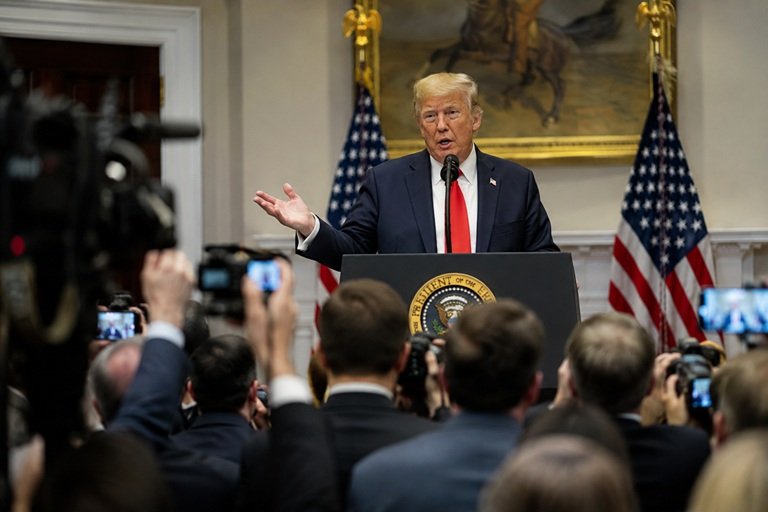
How the Decision Could Impact Israel and Regional Partners
A major question that arises after the announcement is the expected reactions of America’s closest allies in the Middle East. Israel has consistently maintained that Iran’s military strength and nuclear aspirations represent a significant security threat. Consequently, Israeli officials are likely to monitor any suspension of military operations very closely, as they have repeatedly stressed the importance of curbing Iran’s growth in regional power.
At the same time, nations in the Gulf have largely embraced diplomatic initiatives. Countries like Saudi Arabia, Qatar, and the United Arab Emirates have focused heavily on easing regional tensions since ongoing conflict poses risks to trade, tourism, investment, and energy exports.
If negotiations proceed successfully, regional governments might experience enhanced economic stability and improved collaboration. However, should talks fail, these nations could confront increased security threats and interruptions to global shipping.
What This Signifies for Global Energy Markets
The Middle East is a crucial region for energy production globally, making each diplomatic or military event extremely important for worldwide markets.
The news of Trump Cancelling Iran Attack alleviated immediate concerns regarding supply interruptions. While oil prices remain sensitive to any new developments, investors perceived this decision as a chance for diplomatic engagement instead of another rise in tensions.
Multiple industries are expected to keep a close watch on discussions:
- International oil producers
- Shipping and logistics firms
- Aviation sector
- Global financial markets
- Manufacturers reliant on consistent fuel costs
If transportation through the Strait of Hormuz proceeds without issues, global supply chains could escape the severe disruptions many experts had anticipated during the recent surge in tensions.
Political Implications Within the United States
The decision also bears political weight domestically. Administration supporters contend that postponing military action illustrates strategic restraint and affords diplomacy the chance to prevail prior to engaging forcefully.
Conversely, critics argue that negotiations should be approached with caution until tangible commitments are established. They contend that prior diplomatic efforts between Washington and Tehran often faltered due to disagreements concerning sanctions, nuclear activities, and regional security matters.
As such, discussions are likely to persist in Congress and among foreign policy analysts, especially if negotiations extend over several weeks.
Iran’s Stance Remains Reserved
Despite the international focus on Washington’s announcement, Iranian officials have offered a more tempered reaction.
Tehran’s representatives have suggested that talks remain ongoing but assert that several key issues are still unresolved. They have also emphasized that any long-lasting agreement must honor Iran’s national interests and address security matters in the region.
This disparity in public communication highlights why analysts caution against swift conclusions, even amidst positive news. Diplomatic negotiations typically involve several phases before reaching a formal agreement, and statements from both parties may vary as talks progress.
Therefore, observers believe the next few weeks will be crucial to determine whether the existing momentum will lead to a significant breakthrough or simply delay additional confrontations.
Could This Avert a Larger Regional Conflict?
Perhaps one of the most critical inquiries is whether diplomatic efforts can result in a lasting decrease in hostilities between the United States and Iran.
Experts in military affairs suggest that steering clear of a direct clash is advantageous not only for these two nations but also for surrounding countries that depend on regional peace for their economic wellbeing. A successful deal could diminish the chances of future military confrontations, motivate renewed diplomatic efforts, and foster an environment conducive to broader discussions concerning security and economic collaboration.
Nevertheless, historical trends indicate that the relationship between Washington and Tehran has seen cycles of advancement followed by regressions. Sustainable improvement will hinge on ongoing conversations, the establishment of mutual trust-building initiatives, and the ability to verify promises made during discussions.
What Happens Next?
The primary emphasis now turns to ongoing diplomatic conversations. Representatives from various nations are anticipated to continue their involvement in aiding negotiations, while global organizations persist in advocating for peaceful resolutions.
In the upcoming weeks, experts will be keenly observing for:
- Official announcements regarding any formal agreements.
- Updates on maritime security efforts in the Strait of Hormuz.
- Further remarks from officials in the U.S. and Iran.
- Changes in regional security collaboration.
- Market responses to new diplomatic developments.
All of these elements will affect whether the current halt in military actions evolves into a more extensive framework aimed at guaranteeing long-term peace.
Conclusion
The decision by Trump to cancel the attack on Iran signifies one of the most pivotal moments in the recent diplomatic landscape of the US-Iran tensions. Rather than proceeding with military measures, this choice represents an attempt to give negotiations another chance to tackle enduring security issues through conversational means.
While hope has risen following indications of progress, the circumstances remain dynamic. Significant disagreements between Washington and Tehran must still be addressed before any all-encompassing agreement can be reached. Regional partners, international markets, and global observers will be vigilant at each phase of the negotiations, as the results could alter security dynamics across the Middle East.
Regardless of whether this diplomatic initiative ultimately succeeds, the recent development underscores a crucial truth: even amidst periods of heightened geopolitical conflict, dialogue can still serve as a viable alternative to immediate military engagement. The subsequent weeks will reveal if this pause leads to enduring stability or simply adds another chapter to the intricate and lengthy history between the United States and Iran.