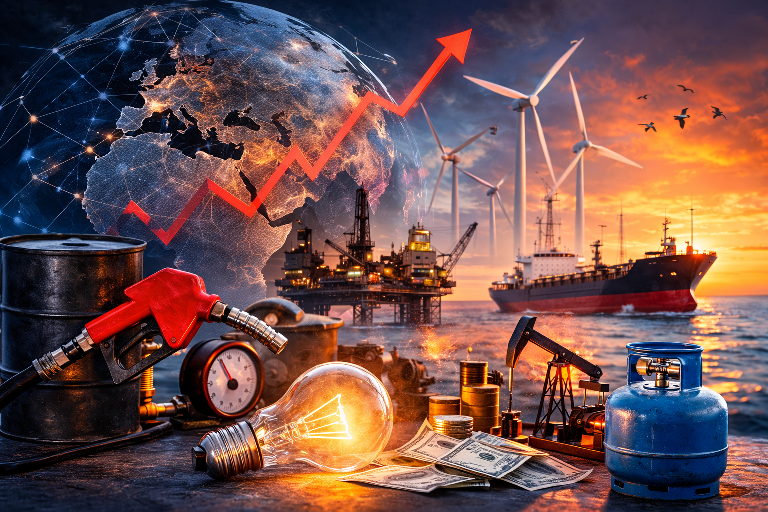

The phrase Global Energy Crisis Risk has rapidly moved from policy discussions into everyday headlines. Around the world, governments, economists, and energy experts are warning that the stability of the global energy system is under serious pressure.
Energy powers almost everything in modern life. Transportation, manufacturing, agriculture, electricity generation, and even digital infrastructure rely heavily on stable energy supplies. When those supplies are threatened, the ripple effects reach every sector of the global economy.
Recent geopolitical tensions, especially conflicts affecting major oil routes, have significantly increased concerns about a potential global energy shock. For example, around 20% of the world’s oil supply normally passes through the Strait of Hormuz, one of the most important energy shipping routes in the world. Any disruption there can quickly push prices upward and trigger shortages.
But geopolitical tensions are only one part of the story. Several structural challenges are increasing the Global Energy Crisis Risk, including growing demand, aging infrastructure, slow renewable transitions, and supply chain disruptions.
Understanding these risks is essential for businesses, governments, and individuals preparing for the future of global energy markets.
What Does Global Energy Crisis Risk Actually Mean?
At its core, Global Energy Crisis Risk refers to the possibility that global energy supply could become insufficient, unstable, or too expensive to meet worldwide demand.
An energy crisis can happen when:
• Supply of energy resources drops sharply
• Demand rises faster than production capacity
• Major transport routes become blocked
• Political conflicts disrupt energy markets
• Infrastructure failures interrupt energy distribution
Energy crises have occurred before. The most famous example was the 1973 oil crisis, when oil supply restrictions caused fuel shortages and economic recessions across multiple countries.
Today, experts worry that a combination of modern geopolitical tensions and rising energy demand could trigger another global shock.
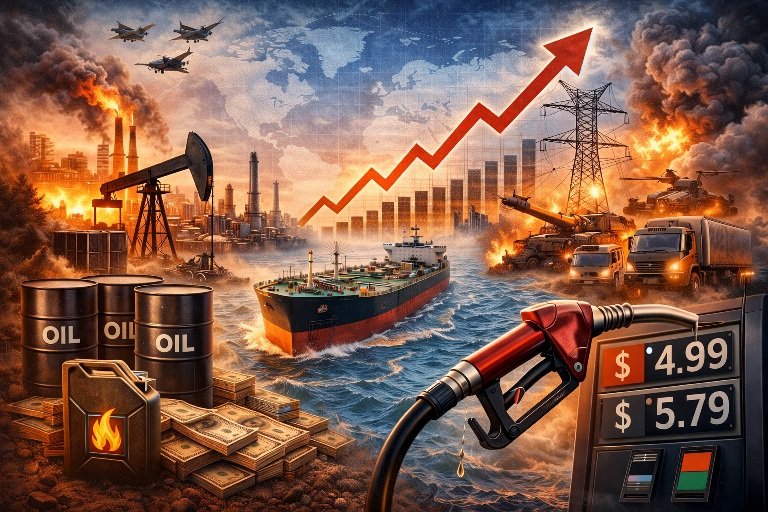
Why the Global Energy Crisis Risk Is Increasing
Energy systems today are deeply interconnected. Oil extracted in the Middle East may power vehicles in Europe, factories in Asia, or airlines in North America.
Because of this interdependence, disruptions in one region can quickly affect the entire world.
Several major factors are driving the growing Global Energy Crisis Risk.
Geopolitical Conflicts and Oil Supply Disruptions
One of the most immediate drivers of the Global Energy Crisis Risk is geopolitical conflict.
Energy infrastructure—oil fields, pipelines, shipping routes, and refineries—is highly vulnerable during military conflicts. When tensions escalate in key energy regions, the entire global supply chain can be affected.
The Strait of Hormuz crisis illustrates this clearly. This narrow shipping route handles roughly 20 million barrels of oil per day, representing about one-fifth of global oil consumption.
When tankers cannot safely pass through the region, global oil shipments slow dramatically. Shipping companies may avoid the route due to security risks, insurance costs may rise, and oil producers may be forced to reduce output.
These disruptions can quickly push global fuel prices higher.
Energy experts warn that even a short-term disruption in such a critical route can create weeks or months of instability in global energy markets.
Heavy Global Dependence on Fossil Fuels
Another major contributor to Global Energy Crisis Risk is the world’s continued dependence on fossil fuels.
Despite years of discussion about renewable energy, fossil fuels still dominate global energy production.
Oil, coal, and natural gas together supply the majority of the world’s energy needs. Transportation systems in particular rely heavily on petroleum fuels.
This dependency means that any disruption in oil or gas supply can rapidly trigger economic consequences.
Countries that import large amounts of energy are especially vulnerable. Many Asian economies rely heavily on Middle Eastern oil shipments, making them sensitive to disruptions in shipping routes or regional conflicts.
Without sufficient diversification of energy sources, these economies face higher exposure to global energy shocks.
Rapid Growth in Global Energy Demand
Energy demand has been rising steadily for decades.
Population growth, urbanization, industrial expansion, and technological development all increase energy consumption.
Emerging economies in Asia, Africa, and Latin America are experiencing particularly rapid growth in electricity demand, transportation fuel consumption, and industrial energy use.
While global demand rises, energy supply expansion has not always kept pace.
This imbalance between demand and supply increases Global Energy Crisis Risk, especially when sudden disruptions occur in major producing regions.
Energy markets are extremely sensitive to even small supply gaps. A reduction of only a few million barrels per day in oil production can cause significant price spikes.
Vulnerability of Critical Energy Routes
Global energy supply depends heavily on a few strategic transport routes.
These routes are known as energy chokepoints, and they play a critical role in global trade.
Some of the most important chokepoints include:
• Strait of Hormuz
• Suez Canal
• Strait of Malacca
• Bab el-Mandeb Strait
• Panama Canal
When shipping through these routes is disrupted, global energy markets react immediately.
The Strait of Hormuz alone carries roughly 20% of global petroleum liquids consumption every day.
Because such a large share of global energy supply flows through a single narrow passage, any conflict or blockade in the region dramatically increases Global Energy Crisis Risk.
Rising Energy Prices and Inflation
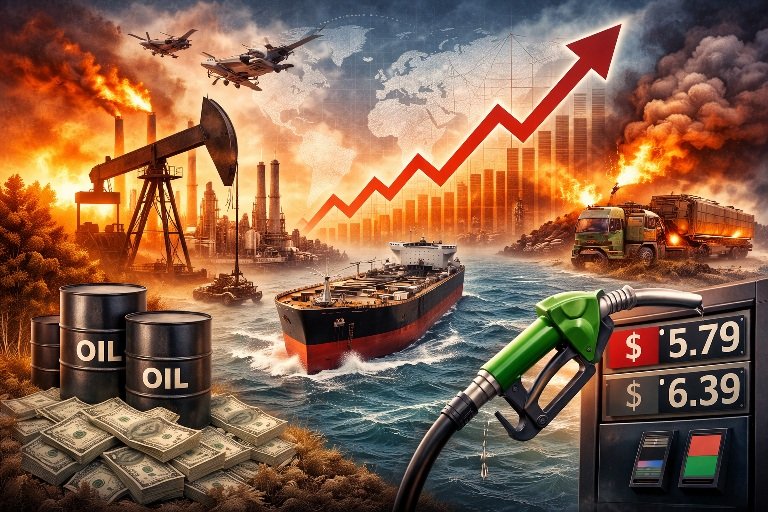
One of the most visible consequences of Global Energy Crisis Risk is rising fuel prices.
Energy prices affect nearly every sector of the economy. When oil or natural gas prices rise, transportation costs increase, manufacturing becomes more expensive, and electricity prices often rise as well.
These increases quickly translate into broader inflation.
For example:
• Airlines raise ticket prices
• Food transportation becomes more expensive
• Manufacturing costs rise
• Electricity bills increase
Consumers ultimately pay the price.
In many countries, energy price spikes can also trigger political instability or economic slowdowns.
Strategic Oil Reserves and Emergency Measures
Governments around the world maintain strategic energy reserves to reduce Global Energy Crisis Risk.
Strategic oil reserves allow countries to release emergency supplies into the market when major disruptions occur.
For example, some countries have stockpiles equal to several months of oil consumption. These reserves can stabilize markets temporarily and prevent sudden shortages.
However, strategic reserves are not a permanent solution.
They are designed to provide short-term relief while governments and energy companies restore normal supply flows.
If disruptions continue for long periods, even large reserves may eventually run out
Renewable Energy and the Long-Term Solution
Many experts believe that expanding renewable energy could significantly reduce Global Energy Crisis Risk.
Renewable energy sources include:
• Solar power
• Wind energy
• Hydropower
• Geothermal energy
• Biomass energy
Unlike fossil fuels, renewable energy sources are widely distributed across the planet and are not concentrated in specific geopolitical regions.
This reduces the likelihood that conflicts or supply disruptions in one area could affect global energy availability.
However, transitioning to renewable energy takes time. Building renewable infrastructure requires major investments in power grids, battery storage, and new technologies.
Despite these challenges, renewable energy is increasingly seen as a critical strategy for improving global energy security.
How Energy Infrastructure Weakness Increases Crisis Risk
Energy infrastructure is another important factor in Global Energy Crisis Risk.
Oil pipelines, refineries, gas terminals, and power plants require constant maintenance and protection.
In many parts of the world, energy infrastructure is aging or vulnerable to natural disasters, cyberattacks, or military strikes.
For example, attacks on refineries, LNG terminals, or pipelines can immediately reduce global energy supply.
Repairing damaged infrastructure often takes weeks or months, further increasing instability in energy markets.
As energy demand continues to grow, maintaining resilient infrastructure becomes increasingly important.
The Impact on Global Economic Stability
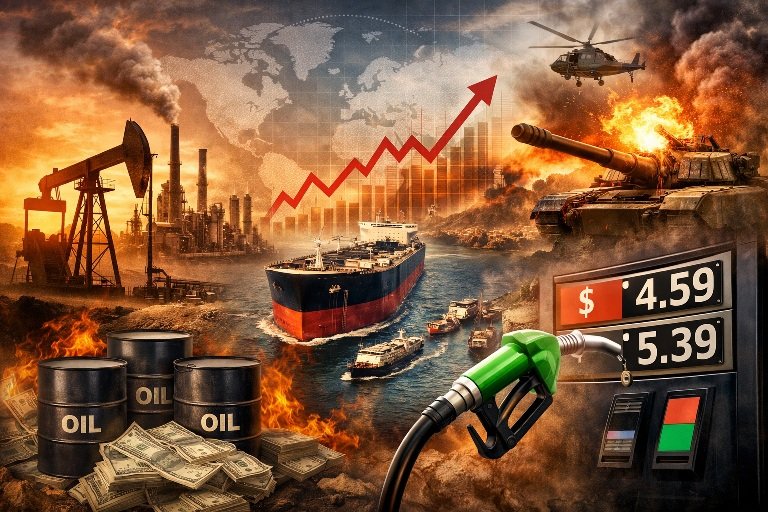
The economic consequences of Global Energy Crisis Risk can be enormous.
Energy price shocks have historically triggered global recessions. When fuel prices rise sharply, businesses reduce spending, consumers cut back on purchases, and economic growth slows.
Financial markets also react strongly to energy shocks. Stock markets may fall, currency values may fluctuate, and investors may become more cautious.
Energy-dependent industries such as transportation, manufacturing, and agriculture are particularly vulnerable.
Because modern economies rely heavily on stable energy supplies, disruptions can quickly spread across the entire economic system.
The Role of International Cooperation
Managing Global Energy Crisis Risk requires international cooperation.
Energy markets are global, meaning no single country can solve the problem alone.
International organizations often coordinate responses to major energy disruptions. These responses may include:
• Coordinated release of oil reserves
• Emergency energy trade agreements
• Maritime security operations
• Energy infrastructure protection
Global cooperation helps stabilize markets and prevent panic in energy trading.
Without coordination, supply disruptions could lead to extreme price volatility and global economic instability.
Preparing for Future Energy Challenges
While the immediate focus is on geopolitical conflicts and supply disruptions, the long-term challenge is building a more resilient global energy system.
Reducing Global Energy Crisis Risk requires several strategies:
• Diversifying energy sources
• Expanding renewable energy capacity
• Improving energy efficiency
• Protecting energy infrastructure
• Strengthening global cooperation
These measures can help reduce vulnerability to supply shocks and improve global energy stability.
The transition will not happen overnight, but each step toward a more diversified and resilient energy system reduces the likelihood of future crises.
The Future Outlook for Global Energy Security
The global energy system is entering a period of significant transformation.
Rising demand, geopolitical tensions, climate policies, and technological innovation are all reshaping how energy is produced and consumed.
While Global Energy Crisis Risk remains a serious concern, it also serves as a reminder of the importance of energy diversification and resilience.
The world’s energy future will depend on how effectively governments, industries, and international organizations respond to these challenges.
Balancing economic growth, environmental sustainability, and energy security will be one of the defining issues of the coming decades.
For now, the growing Global Energy Crisis Risk highlights just how interconnected and fragile the global energy system has become—and why preparing for disruptions is more important than ever.