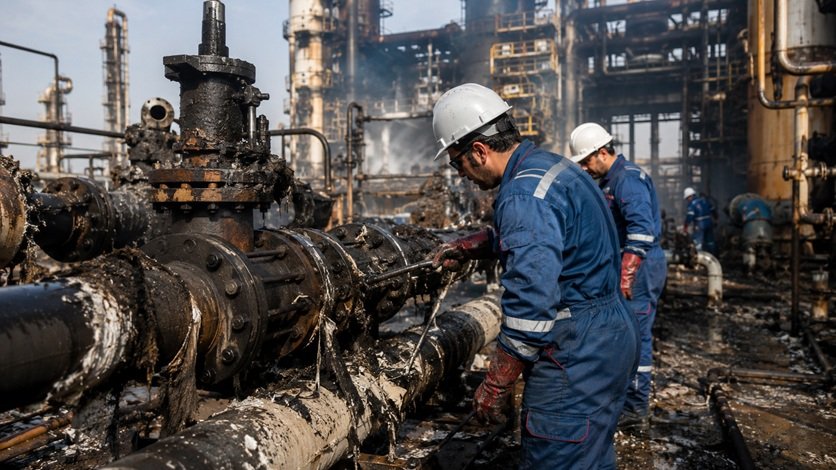

For a long time, natural gas has served as the foundation of Iran’s energy system, fueling homes, industries, and power generation throughout the nation. Nevertheless, the most recent statistics provided by the government indicate a major setback in recent times. Authorities report that damage related to conflicts has led to a decrease in daily natural gas production capabilities by around 230 million cubic metres, resulting in significant challenges for local energy supplies and industrial activities.
The impact of this disruption reaches well beyond Iran’s frontiers. Being among the largest global holders of confirmed natural gas reserves, any downturn in Iran’s output catches the eye of international energy traders, policymakers, and neighboring nations. Although Iran has shared intentions to recover much of the lost capacity in the forthcoming months, the recovery will necessitate repairs to essential infrastructure, an increase in investments, and stable operating conditions.
This piece examines the events leading to the decline, the significance of this production drop, and its potential repercussions on regional and global energy markets.
Grasping the Extent of the Crisis
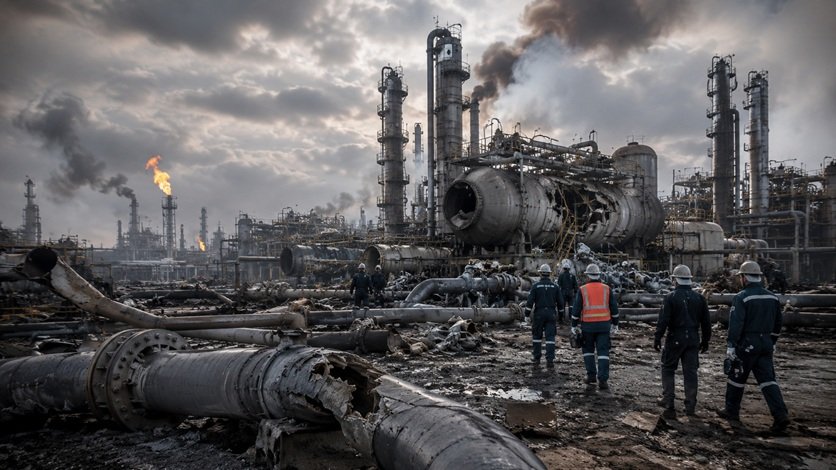
The reported drop in production accounts for about one-third of Iran’s daily natural gas output prior to the conflicts. Before these incidents, the country’s production was approximately 650 million cubic metres each day. Government representatives now project that approximately 230 million cubic metres of production capacity has been lost due to destruction of energy facilities.
For a nation that heavily depends on internal gas usage, this decline imposes immediate strain on:
- Electricity production
- Heating systems
- Petrochemical industries
- Heavy manufacturing sectors
Various analysts remark that the impact goes beyond just diminished exports. Given that Iran utilizes the majority of its own gas production, any significant interruption in supply can swiftly influence both households and businesses.
What Caused the Production Decline?
The decrease is associated with damage incurred during recent military operations directed at components of Iran’s energy infrastructure. Although some of the nation’s largest gas fields remained largely intact, associated facilities used for processing, transport, and distribution were impacted, leading to a reduction in total production capacity.
Energy specialists clarify that the production of natural gas relies on a cohesive system instead of just individual wells. Damage to processing facilities, compressor stations, pipelines, and other crucial infrastructure can drastically lower the volume of gas reaching end users.
Primary Reasons for the Decrease
- Destruction of essential energy infrastructure
- Interruptions in gas processing facilities
- Decreased operational capability across the supply chain
- Ongoing pressure from seasonal energy demands
- Difficulties in maintaining infrastructure amid conflict
These intertwined problems have resulted in one of the most significant energy supply challenges the country has faced in years.
Iran’s Plan for Recovery
Officials from the government have stressed that recovery initiatives are currently in progress. According to reports from state media, Iran anticipates recovering nearly 100 million cubic metres per day of the lost production in the months ahead through the repair of infrastructure and enhancements in operations.
While this would indicate significant advancement, it would still result in production levels being below what they were prior to the conflicts. Engineers are continuing to evaluate damaged facilities while prioritizing repairs that can swiftly restore capacity to the national power grid.
The administration has promoted greater efficiency in energy use during the peak demand of summer, a time when the need for electricity surges due to air conditioning.
Domestic Impacts on Energy Provision
The drop in production occurs at a particularly challenging period.
During the summer, there is a notably high demand for electricity in Iran, which intensifies the strain on natural gas supplies utilized by power generation facilities. A decrease in gas availability raises the risk of power outages and operational difficulties for sectors that rely on a consistent supply of fuel.
Manufacturing businesses, producers in the petrochemical sector, and large-scale industries may find it necessary to modify their production timelines if the availability of fuel continues to be limited.
Consumers may also feel the impact indirectly through stricter energy conservation protocols and modifications in the management of electricity aimed at reconciling the available supply with the growing demand.
South Pars Remains Essential
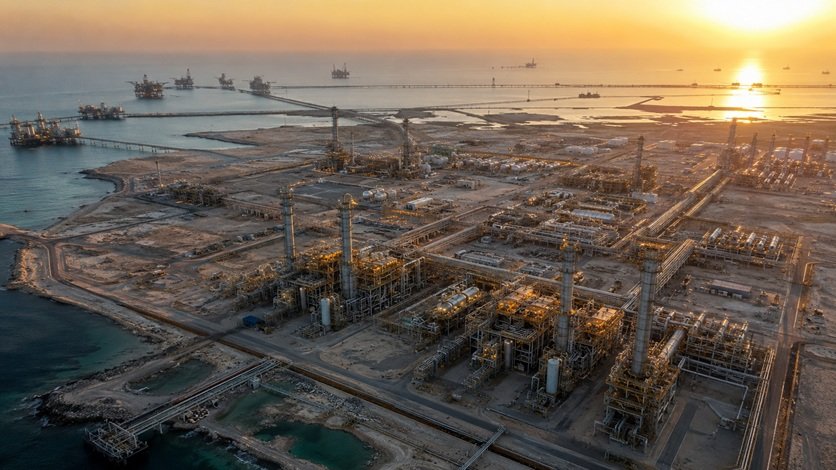
A significant portion of Iran’s natural gas is sourced from the expansive South Pars field, recognized as one of the largest gas reserves globally, which it shares with Qatar.
Reports suggest that although not every production facility faced direct harm, the overall framework that supports extraction and processing is crucial for sustaining national output. Any disruption to this connected system can lead to effects that extend well beyond a single production location.
Due to the significance of South Pars, ongoing investment in maintenance and the resilience of infrastructure will be a key focus for energy planners in Iran.
Global Energy Markets Are Watching Closely
Although Iran’s natural gas exports constitute a smaller proportion compared to those of other leading producers, changes within its energy sector still have an impact on global market perceptions. Investors vigilantly observe disruptions involving one of the largest holders of gas reserves worldwide, since extended production difficulties can alter forecasts regarding future supply in the region.
Energy traders additionally take notice of the broader geopolitical climate. Any violence impacting oil and gas facilities in the Middle East has the potential to induce market fluctuations, even if the current levels of exports largely remain stable. Analysts point out that uncertainty can affect prices nearly as much as actual reductions in supply.
Consequently, the decline in Iran’s gas production has become part of a broader conversation concerning energy security, resilience of infrastructure, and the stability of fuel provisions throughout the region.
Why International Markets Care
There are several reasons why this situation has garnered global interest:
- Iran has some of the largest confirmed natural gas reserves on the planet.
- Regional energy infrastructure is significant for maintaining global confidence.
- Long-term reductions in production may shape future investment strategies.
- Any tension affecting energy facilities heightens market unpredictability.
- Adjacent economies also keep watch for potential disruptions in supply chains.
Although numerous factors determine global gas prices, developments in key producing nations serve as a critical indicator for investors.
Economic Challenges Inside Iran
The drop in production capacity entails more than just an operational hurdle; it also impacts the overall economy.
Natural gas is essential for:
- Generating electricity
- Industrial manufacturing
- Steel fabrication
- Fertilizer production
- The petrochemical sector
A decrease in available fuel can elevate production expenses, diminish industrial output, and further strain government resources allocated for infrastructure repair.
Economists emphasize that swiftly restoring damaged infrastructures will be crucial for sustaining industrial activity and alleviating economic repercussions in the forthcoming months. Any delays could undermine business confidence and elevate maintenance costs across various industries.
Another concern is the domestic demand for energy. During high consumption seasons, authorities may need to prioritize residential supply while restricting fuel availability for some industrial sectors.
The Road to Recovery
Restoring energy infrastructure involves a complex engineering effort that goes beyond merely replacing damaged machinery. Experts must evaluate processing plants, pipelines, compressor stations, and monitoring systems prior to resuming production safely to previous levels.
Key Priorities During Recovery
Infrastructure Repairs
Engineering groups are expected to initially concentrate on reinstating processing capacity, followed by the rehabilitation of transportation and distribution systems.
Operational Testing
Each restored facility will require thorough testing before being fully reinstated into commercial service, which helps mitigate the chances of future interruptions.
Long-Term Resilience
Authorities are likely to assess how to enhance infrastructure’s ability to endure future crises through modernization and better maintenance strategies.
Industry analysts suggest that regenerating around 100 million cubic meters of daily output would indicate significant progress; however, achieving pre-crisis production levels may demand considerably more time based on the extent of the ongoing damage.
Geopolitical Implications
Energy has consistently been a crucial element in international affairs, and recent occurrences underscore the strong link between geopolitics and infrastructure.
For adjacent nations, consistent Iranian production enhances regional economic stability. Global energy firms and policymakers are also keeping a close watch on changes, as prolonged turmoil may affect future investment strategies throughout the Middle East.
The decline in Iran’s gas production brings to light a larger issue confronting energy-producing countries: safeguarding essential infrastructure during times of political or military discord. Nations globally are increasing their investments in enhanced security protocols, digital surveillance systems, and emergency response capabilities to mitigate such threats.
Insights for the Global Energy Sector
The recent interruption highlights various critical truths concerning contemporary energy frameworks.
To begin with, production relies on an interconnected network rather than solely on individual gas fields. The interplay of processing plants, transport pipelines, storage units, and distribution networks means that damage to any single part can disrupt the entire system.
Additionally, the resilience of infrastructure is gaining importance as nations strive for dependable energy supplies in a shifting geopolitical landscape.
Furthermore, diversification remains a vital tactic for many countries that import energy. Expanding the use of renewable energy sources, importing liquefied natural gas, and seeking alternative supply avenues help to lessen reliance on any specific region.
The decrease in Iran’s gas production serves as a further reminder that energy security encompasses the integration of engineering, economics, diplomacy, and long-term strategic planning.
What Comes Next?
Much will hinge on how swiftly reconstruction moves forward and the overall security landscape.
If repairs proceed according to plan, Iran might gradually restore a significant part of its lost production capabilities in the forthcoming months. Ongoing investment in infrastructure and maintenance will bolster long-term revival efforts.
Nevertheless, experts warn that rebuilding intricate energy systems frequently requires more time than originally predicted. Unforeseen technical obstacles, availability of equipment, and the need for operational testing can all impact recovery schedules.
As a result, markets will persist in watching for official updates on production, announcements about infrastructure repairs, and wider geopolitical changes in the region.
Final Thoughts
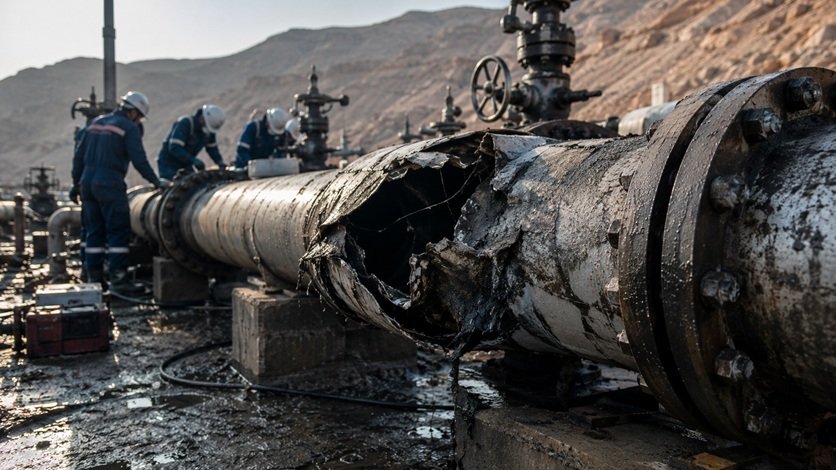
The reported reduction of 230 million cubic meters per day in natural gas production signifies one of the most substantial recent upheavals in Iran’s energy industry. Aside from the immediate operational repercussions, this incident highlights the necessity of robust infrastructure, effective recovery strategies, and stable conditions in the region.
While officials aim to restore a considerable portion of the lost production capacity, the rebuilding phase will demand ongoing technical effort and capital. For industries, policymakers, and international energy markets, the loss of Iranian gas production represents more than just a domestic issue—it showcases the interconnectedness of today’s energy systems.
As reconstruction efforts progress, the upcoming months will demonstrate how swiftly production can rebound and what insights governments and energy firms globally can gather from this situation.