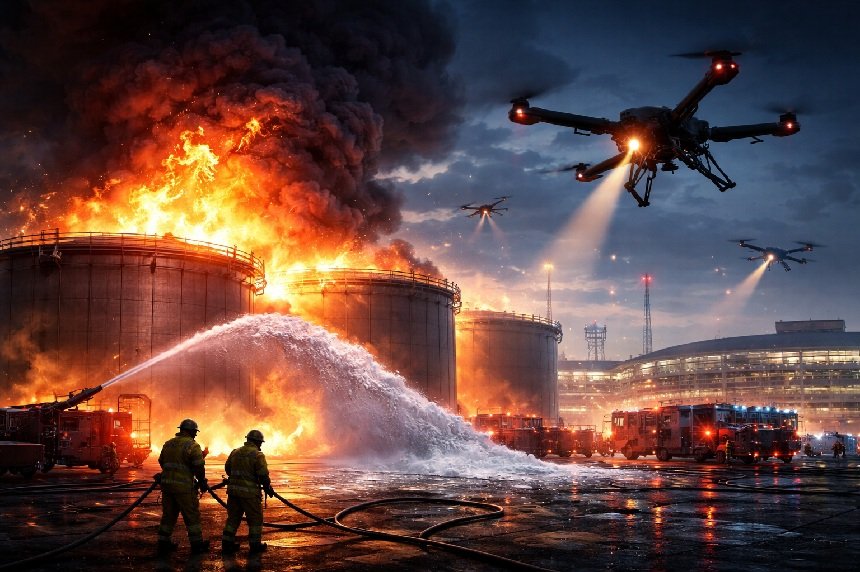

The Kuwait airport fuel tank fire drones incident has quickly become one of the most talked-about global news events in recent times. If you’ve been scrolling through headlines wondering what exactly happened, why it matters, and how it could impact global aviation and energy markets—you’re in the right place.
This isn’t just another isolated incident. It’s part of a much bigger geopolitical puzzle involving security threats, regional tensions, and modern warfare tactics. Let’s break it down in a way that’s easy to understand but still packed with real insights.
Understanding the Kuwait Airport Incident
On March 25, 2026, a serious situation unfolded at Kuwait International Airport, one of the busiest aviation hubs in the Middle East.
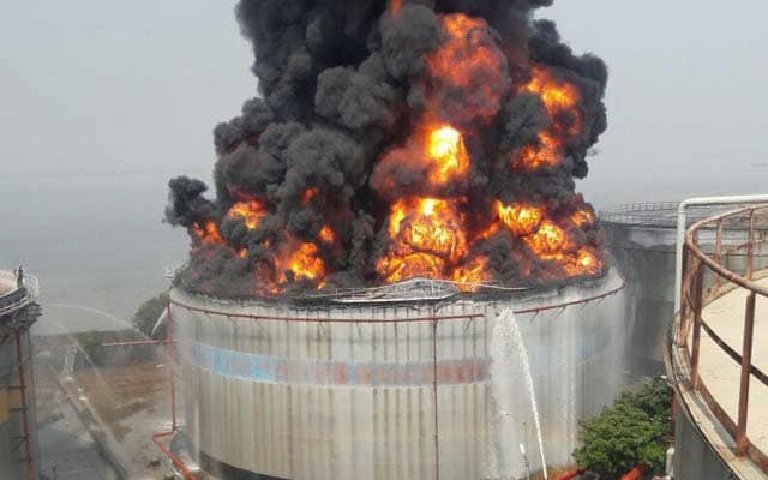
According to official aviation authorities, drones targeted a fuel storage tank at the airport, sparking a fire that immediately triggered emergency response systems. Thankfully, no casualties were reported, but the implications go far beyond physical damage.
What Happened in Simple Terms?
- Drones struck a fuel tank at the airport
- A fire broke out instantly
- Emergency protocols were activated within minutes
- Firefighters contained the blaze quickly
- Damage was limited to infrastructure
Sounds straightforward, right? But the reality is much more complex.
Why Fuel Tanks Are High-Value Targets
Let’s think about it—why would attackers target a fuel tank instead of something else?
Fuel storage areas are among the most critical components of any airport. Without fuel, flights simply can’t operate. That makes these tanks strategic targets.
Key Reasons Fuel Tanks Are Targeted
- They are highly flammable and can cause large-scale fires
- Disrupting fuel supply cripples airport operations
- Fires create panic and economic disruption
- Easier to damage compared to heavily guarded terminals
In this case, the attackers didn’t just aim for destruction—they aimed for disruption.
The Role of Drones in Modern Attacks
The Kuwait airport fuel tank fire drones incident highlights a growing trend: the use of drones in warfare and sabotage.
Why Drones Are Being Used
- They are inexpensive compared to missiles
- Harder to detect on radar
- Can be remotely operated from long distances
- Capable of precision targeting
This shift represents a major evolution in modern conflict. Unlike traditional warfare, drone attacks blur the lines between military and civilian targets.
Timeline of Events
To fully understand the situation, let’s walk through how things unfolded:
Early Warning Signs
Before this incident, there had already been multiple drone-related threats in the region. Reports indicated that airports and energy facilities were under increasing risk.
The Attack
- Drones entered Kuwaiti airspace
- Air defense systems attempted interception
- At least one drone hit a fuel tank
- Fire erupted immediately
Emergency Response
- Airport emergency systems activated
- Firefighters rushed to the scene
- Blaze contained within a short time
- Authorities confirmed no casualties
Aftermath
- Flights experienced temporary disruption
- Security protocols were tightened
- Investigations launched
Was This an Isolated Incident?
Short answer: No.
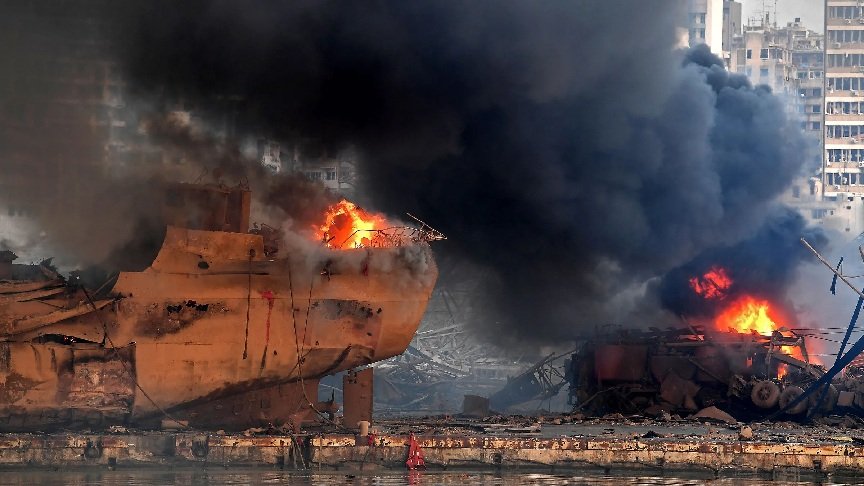
The Kuwait airport fuel tank fire drones event is part of a larger pattern of attacks in the region. Over the past few weeks, multiple drone strikes have targeted infrastructure in Kuwait and neighboring countries.
These include:
- Refinery attacks
- Military base targeting
- Energy facility disruptions
This clearly shows a coordinated strategy rather than a one-off incident.
The Bigger Geopolitical Context
To understand the full picture, you need to look beyond the airport.
The Middle East has been experiencing heightened tensions, particularly involving Iran and allied forces. Several countries hosting strategic military and energy assets have been targeted.
What’s Driving These Attacks?
- Regional power struggles
- Military retaliation strategies
- Control over energy resources
- Political signaling
In fact, reports suggest that drone and missile strikes have been part of broader military responses across the region.
Impact on Aviation Industry
You might be wondering—does this affect regular travelers?
Absolutely.
Even though no one was injured, the Kuwait airport fuel tank fire drones incident has serious implications for aviation.
Immediate Effects
- Flight delays and rerouting
- Increased security checks
- Temporary suspension of operations
Long-Term Effects
- Higher operational costs for airlines
- Increased insurance premiums
- Enhanced airport security infrastructure
Airports worldwide are now re-evaluating how they protect critical assets like fuel storage.
Economic Impact: More Than Just an Airport Fire
Let’s zoom out a bit.
A fire at a fuel tank doesn’t just affect one airport—it can ripple across global markets.
Potential Economic Consequences
- Rising oil prices
- Disruption in fuel supply chains
- Increased transportation costs
- Market instability
The Middle East plays a crucial role in global energy supply. Any disruption here can affect economies worldwide.
How Authorities Responded
One of the most impressive aspects of the incident was the rapid response by Kuwaiti authorities.
Emergency Measures Taken
- Immediate activation of fire suppression systems
- Deployment of specialized firefighting teams
- Isolation of the affected area
- Continuous monitoring to prevent escalation
Because of this quick action, what could have been a catastrophic disaster was contained efficiently.
Security Lessons Learned
The Kuwait airport fuel tank fire drones incident has exposed vulnerabilities that many countries can no longer ignore.
Key Takeaways
- Critical infrastructure needs stronger protection
- Drone detection systems must be upgraded
- Coordination between military and civilian agencies is essential
- Rapid response systems save lives
This event will likely lead to major upgrades in airport security worldwide.
How This Changes Airport Security Forever
Airports are no longer just concerned about traditional threats like hijacking or terrorism. Now, they must deal with aerial threats from drones.
Future Security Measures
- Anti-drone defense systems
- AI-based surveillance
- Electronic jamming technologies
- Restricted airspace monitoring
Expect airports to become more technologically advanced—and more secure—in the coming years.
Public Reaction and Global Attention
News of the Kuwait airport fuel tank fire drones spread rapidly across the globe. Social media platforms were flooded with videos, discussions, and speculation.
People were concerned about:
- Safety of international travel
- Risk of escalation in the region
- Impact on fuel prices
The incident quickly became a global talking point.
Comparing With Past Incidents
This isn’t the first time Kuwait has faced such challenges.
Back in 1991, during the Gulf War, massive oil fires caused environmental devastation across the country.
While the current incident is far smaller in scale, it still serves as a reminder of how vulnerable energy infrastructure can be.
What Happens Next?
So, where do we go from here?
Authorities are currently investigating:
- Who launched the drones
- How they bypassed defenses
- Whether more attacks are expected
At the same time, governments worldwide are watching closely.
Should Travelers Be Worried?
This is probably the question on your mind.
The honest answer? Not immediately—but awareness is important.
Air travel remains one of the safest modes of transportation. However, incidents like the Kuwait airport fuel tank fire drones remind us that global events can sometimes impact travel plans.
Conclusion
The Kuwait airport fuel tank fire drones incident is more than just a headline—it’s a glimpse into the future of global security challenges.
It shows how:
- Technology is changing warfare
- Infrastructure is becoming a key target
- Rapid response can prevent disasters
While the situation was handled efficiently, it raises important questions about preparedness in an increasingly unpredictable world.