

Understanding the exact namaz time in Dubai UAE is more than just checking a clock—it’s about aligning your daily routine with faith, discipline, and spiritual connection. Whether you are a resident, tourist, or someone planning to visit Dubai, knowing the correct prayer timings helps you stay consistent with salah and avoid confusion.
Dubai is a fast-paced city, but when the call to prayer echoes from mosques, everything slows down for a moment of reflection. That’s the beauty of it. So, how do you stay updated with accurate timings? Why do they change daily? And what factors influence them?
Let’s dive deep into everything you need to know.
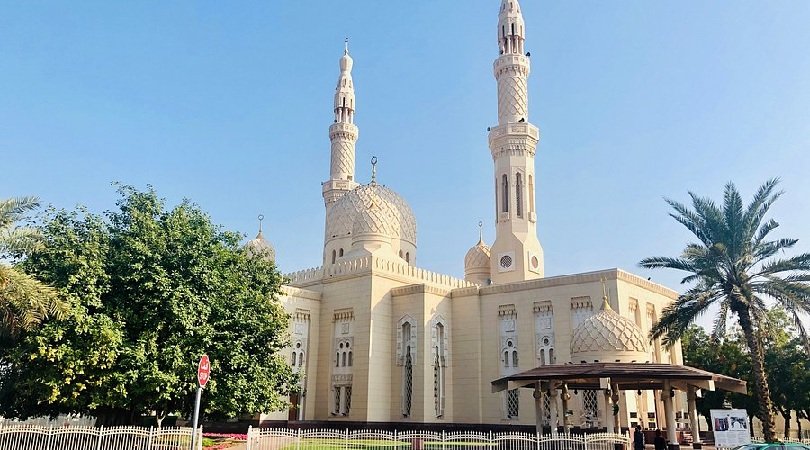
Understanding the Importance of Namaz Timings
Prayer (Salah) is performed five times a day, and each prayer has a specific time window. Missing that window means the prayer becomes Qaza (missed), which is something every practicing Muslim tries to avoid.
Here’s why tracking the exact namaz time in Dubai UAE matters:
- It ensures timely prayer without delay
- Helps structure your daily routine
- Strengthens discipline and consistency
- Keeps you spiritually connected throughout the day
In a city like Dubai, where work schedules and activities are busy, having accurate prayer timing becomes even more essential.
Today’s Prayer Timing in Dubai (Example)
Prayer times slightly vary depending on the day and calculation method, but here’s a typical daily schedule:
- Fajr: Around 4:58 AM
- Sunrise: Around 6:12 AM
- Dhuhr: Around 12:27 PM
- Asr: Around 3:53 PM
- Maghrib: Around 6:36 PM
- Isha: Around 7:51 PM
These timings are not fixed—they shift slightly every day based on the position of the sun.
Why Prayer Times Change Daily
If you’ve ever noticed that prayer times shift by a few minutes every day, you’re not imagining things.
The exact namaz time in Dubai UAE changes because:
1. Movement of the Sun
Prayer times are directly linked to the sun’s position. For example:
- Fajr begins before sunrise
- Dhuhr starts after the sun passes its peak
- Maghrib begins at sunset
These natural changes cause daily variations.
2. Seasonal Differences
In summer, days are longer, so Maghrib and Isha occur later. In winter, they come earlier.
3. Geographical Location
Dubai’s coordinates influence the calculation. Even within the UAE, slight differences can occur.
How Namaz Timings Are Calculated in Dubai
You might be wondering—who decides the exact time?
Dubai follows recognized Islamic calculation methods based on astronomy and Sharia principles.
Key Calculation Factors
- Angle of the sun below the horizon (for Fajr & Isha)
- Shadow length (for Asr)
- Sunset and sunrise positions
Some commonly used methods include:
- Umm Al-Qura (Makkah method)
- University of Islamic Sciences Karachi method
- Muslim World League standards
Dubai mainly follows the Umm Al-Qura method, ensuring consistency across the UAE.
Breakdown of the Five Daily Prayers
Let’s understand each prayer briefly so you know exactly what you’re tracking.
Fajr – The Beginning of the Day
This prayer starts before sunrise and marks the beginning of the day. It’s peaceful, quiet, and spiritually uplifting.
Dhuhr – Midday Pause
Performed after the sun passes its highest point, this prayer gives you a break from work or daily activities.
Asr – Afternoon Reflection
Asr reminds you that the day is moving towards its end. It’s often the most missed prayer due to busy schedules.
Maghrib – Sunset Prayer
This prayer starts immediately after sunset and has a short window, so timing is crucial.
Isha – Night Prayer
The final prayer of the day, offering closure and calmness before rest.
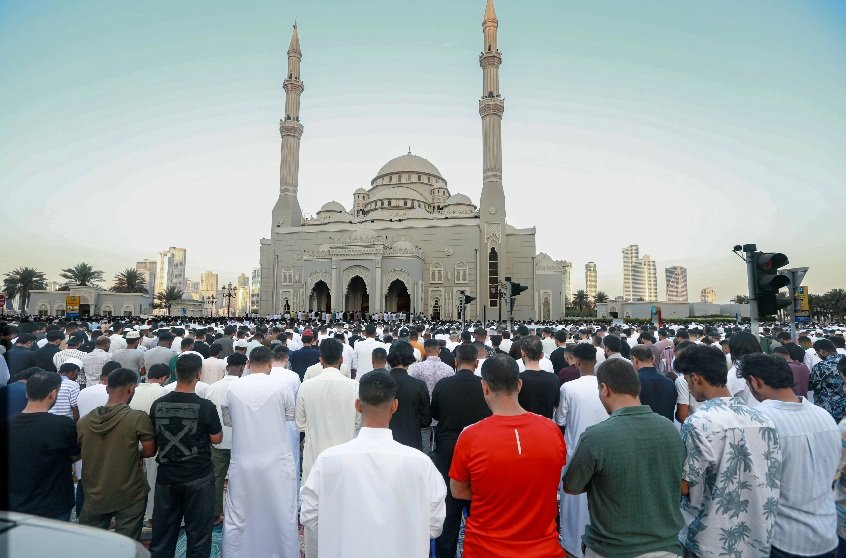
Best Ways to Check Accurate Prayer Times
Keeping track of the exact namaz time in Dubai UAE is easier than ever, thanks to technology and local systems.
Mobile Apps
Apps like Muslim Pro and others provide real-time updates with notifications.
Mosque Announcements
Mosques in Dubai announce Adhan loudly, making it easy to stay aware.
Islamic Websites
Reliable websites update daily prayer schedules based on Dubai’s location.
Smart Devices
Smartwatches and digital assistants can also remind you of prayer times.
Life in Dubai Around Prayer Times
Dubai beautifully blends modern life with Islamic traditions. Prayer times influence many aspects of daily life.
Business and Work Culture
Many offices provide prayer rooms. During prayer times, especially Friday prayers, schedules may adjust.
Public Spaces
Shopping malls, airports, and offices have designated prayer areas.
Transportation
You may notice slight changes in crowd flow around prayer times, especially during Maghrib and Jumu’ah.
This integration shows how important the exact namaz time in Dubai UAE is in everyday life.
Friday (Jumu’ah) Prayer Timing in UAE
Friday prayers are special and slightly different from regular Dhuhr prayer.
In the UAE:
- Jumu’ah prayer is typically held around 12:45 PM nationwide
Mosques fill up quickly, so it’s always better to arrive early.
Prayer Timings During Ramadan
Ramadan brings a completely different rhythm to life.
Key Changes
- Fajr marks the start of fasting
- Maghrib marks Iftar (breaking fast)
- Isha is followed by Taraweeh prayers
Prayer timings become even more important during this month.
Common Mistakes People Make
Even with access to information, people still make small errors.
Relying on Old Timetables
Prayer times change daily—using outdated schedules can lead to mistakes.
Ignoring Location Settings
Apps must be set to Dubai to show accurate timings.
Delaying Maghrib
Maghrib has a short window, so delays can cause missed prayer.
Tips to Never Miss a Prayer
Staying consistent requires a little effort and planning.
- Set multiple alarms for each prayer
- Use apps with Adhan notifications
- Keep a printed timetable at home
- Align your daily routine with prayer breaks
Small habits can make a big difference.
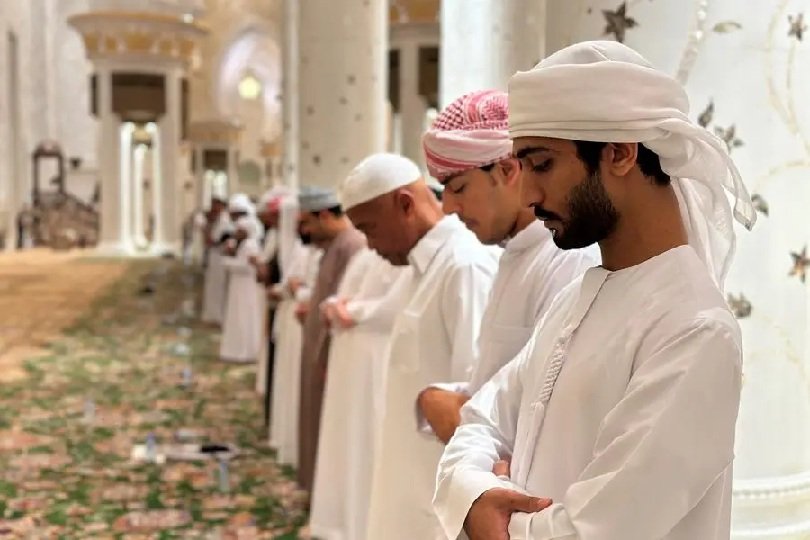
How Accurate Are Online Prayer Times?
Most online platforms are highly accurate, but slight variations (1–3 minutes) may occur due to:
- Different calculation methods
- Local mosque adjustments
- Device settings
Still, they are reliable enough for daily use.
Role of Mosques in Dubai
Mosques play a central role in maintaining accurate prayer timing.
They:
- Announce Adhan five times daily
- Display updated prayer schedules
- Provide community guidance
Some famous mosques also attract visitors who want to experience the spiritual atmosphere.
Cultural Significance of Prayer in Dubai
Prayer is not just a ritual—it’s a lifestyle.
In Dubai:
- It shapes daily routines
- Influences business timings
- Strengthens community bonds
Even non-Muslims notice and respect these practices, making Dubai culturally unique.
Seasonal Changes in Prayer Timings
Dubai experiences noticeable seasonal shifts.
Summer
- Longer days
- Later Maghrib and Isha
Winter
- Shorter days
- Earlier evening prayers
These changes reinforce the need to check timings daily.
Digital vs Traditional Methods
Both methods are used widely in Dubai.
Digital
- Apps
- Websites
- Smart devices
Traditional
- Mosque announcements
- Printed timetables
Combining both ensures maximum accuracy.
Conclusion
Keeping track of the exact namaz time in Dubai UAE is essential for maintaining a disciplined and spiritually fulfilling life. In a city that never slows down, these prayer moments act as peaceful checkpoints throughout the day.
By understanding how timings work, why they change, and how to track them accurately, you can ensure that no prayer is missed—no matter how busy life gets.