
When it comes to women’s cricket, few rivalries feel as intense, skill-packed, and unpredictable as Australia Women vs India Women T20. It’s not just a match—it’s a clash of two cricketing philosophies. One team thrives on dominance and consistency, while the other brings flair, aggression, and fearless energy.
But what makes this rivalry so special? Why do fans across the world eagerly wait for every encounter?
Let’s break it all down—from history and stats to iconic moments and what lies ahead.
The Evolution of This Rivalry
The journey of this contest has been fascinating. Australia has long been a powerhouse in women’s cricket, while India has steadily grown into a serious contender.
In the early days, matches were mostly one-sided. Australia’s depth and professionalism gave them a clear edge. However, over the past decade, India has closed the gap significantly.
Today, when these two sides meet, it’s no longer predictable. It’s competitive, thrilling, and often goes down to the wire.
Table of Contents
- Introduction
- The Evolution of This Rivalry
- Head-to-Head Stats Overview
- Recent Match Performances
- Key Players Who Define the Rivalry
- Australia’s Match-Winners
- India’s Game Changers
- Batting Comparison – Power vs Precision
- Bowling Strength – Who Holds the Edge?
- Iconic Matches That Shaped the Rivalry
- 2020 T20 World Cup Final
- 2023 T20 World Cup Semi-Final
- 2025 World Cup Clash
- Tactical Differences Between the Teams
- Fielding – The Silent Game Changer
- Psychological Battle – Pressure and Mindset
- Role of Captains
- Fan Following and Global Impact
- Strengths and Weaknesses
- Future Outlook of the Rivalry
- Why This Rivalry Matters
- Final Thoughts
Head-to-Head Stats Overview
Numbers tell an interesting story. Australia still leads overall, but India has made strong progress in recent years.
According to available records:
- Australia has historically dominated with significantly more wins
- India has improved consistency, especially after 2020
- Matches are now closer, often decided in final overs
- Batting averages and strike rates have improved for both teams
Australia leads the head-to-head battle with a clear margin in wins, showcasing their long-standing dominance in the format
However, India’s recent performances indicate a shift in momentum.
Recent Match Performances
The latest encounters have been nothing short of thrilling.
In a recent T20 series:
- India secured a rain-affected victory in the opening match
- Australia bounced back strongly in the second game
- The series decider showcased high-scoring drama
India won one match by 21 runs (DLS), showing their ability to handle pressure situations
Australia responded with a 19-run win in another match, highlighting their resilience
So, what does this tell us?
Simple—this rivalry is no longer one-sided.
Key Players Who Define the Rivalry
Australia’s Match-Winners
Australia’s success is built on a strong core of experienced and versatile players.
- Beth Mooney – One of the most consistent T20 batters
- Ellyse Perry – A true all-rounder with unmatched experience
- Ashleigh Gardner – A game-changer with both bat and ball
- Annabel Sutherland – Emerging as a dependable performer
These players bring stability and match-winning ability, making Australia a tough opponent.
India’s Game Changers
India’s rise in this rivalry is driven by a new generation of fearless cricketers.
- Smriti Mandhana – Elegant yet explosive at the top
- Harmanpreet Kaur – A leader who thrives under pressure
- Shafali Verma – Aggression personified in powerplay overs
- Deepti Sharma – Reliable all-round performance
Harmanpreet Kaur recently became the most-capped woman in international cricket, highlighting her experience and leadership
Batting Comparison – Power vs Precision
One of the most exciting aspects of this rivalry is the contrast in batting styles.
Australia’s Approach:
- Structured innings building
- Strong middle-order stability
- High finishing ability
India’s Approach:
- Aggressive starts
- Risk-taking gameplay
- Momentum-based scoring
Both approaches have proven effective, which is why matches are so evenly contested today.
Bowling Strength – Who Holds the Edge?
Bowling often decides the outcome in T20 cricket.
Australia’s bowling unit is known for discipline and variety. Their ability to execute plans under pressure gives them an advantage.
India, on the other hand, relies on smart spin options and emerging pace talent.
Top wicket-takers include players like Ashleigh Gardner and Deepti Sharma, who have consistently delivered in big matches
Iconic Matches That Shaped the Rivalry
Some matches have defined the intensity of this contest.
2020 T20 World Cup Final
Australia dominated with a massive total, showcasing their strength on big occasions.
2023 T20 World Cup Semi-Final
A nail-biting contest where Australia edged past India by just a few runs.
2025 World Cup Clash
India pulled off a stunning chase, proving their growth and resilience
These matches highlight how the balance of power has started to shift.
Tactical Differences Between the Teams
Cricket is as much about strategy as skill.
Australia’s Strategy:
- Consistent team combinations
- Strong fielding standards
- Data-driven decision making
India’s Strategy:
- Flexible batting order
- Spin-heavy bowling plans
- Aggressive powerplay tactics
This tactical contrast adds another layer of excitement to every encounter.
Fielding – The Silent Game Changer
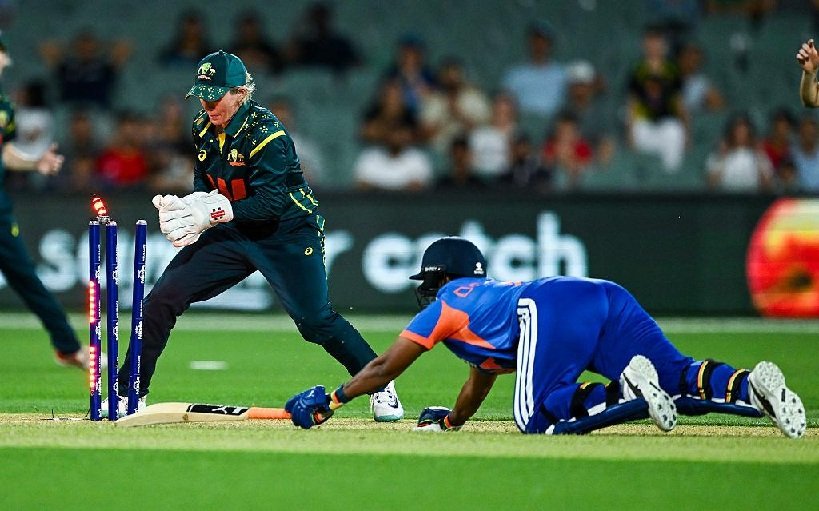
If there’s one area where Australia traditionally dominates, it’s fielding.
Their athleticism, sharp reflexes, and accuracy often save crucial runs.
India has improved significantly in this area, but consistency is still key.
Even a single dropped catch can change the outcome—and in this rivalry, it often does.
Psychological Battle – Pressure and Mindset
Let’s be honest—cricket isn’t just physical; it’s mental.
Australia enters matches with confidence built on years of success.
India, meanwhile, plays with hunger and a point to prove.
This psychological contrast often creates high-pressure moments, especially in close games.
Role of Captains
Leadership plays a crucial role in tight T20 matches.
Australia’s captaincy has always been calm and calculated, focusing on long-term strategies.
India’s leadership style is more aggressive and instinct-driven.
Both approaches have their strengths, and the battle of captains often decides the game.
Fan Following and Global Impact
The popularity of women’s cricket has skyrocketed, and this rivalry is a major reason.
- Massive TV viewership
- Growing social media engagement
- Increasing sponsorship deals
The upcoming Women’s T20 World Cup is expected to have a record prize pool, reflecting the sport’s growing global impact
This rivalry is no longer just about cricket—it’s about global entertainment.
Strengths and Weaknesses
Australia Strengths:
- Depth in batting lineup
- Strong fielding
- Experience in big matches
Australia Weaknesses:
- Occasional over-reliance on top order
India Strengths:
- Explosive batting
- Strong spin attack
- Fearless mindset
India Weaknesses:
- Inconsistent middle order
- Fielding lapses under pressure
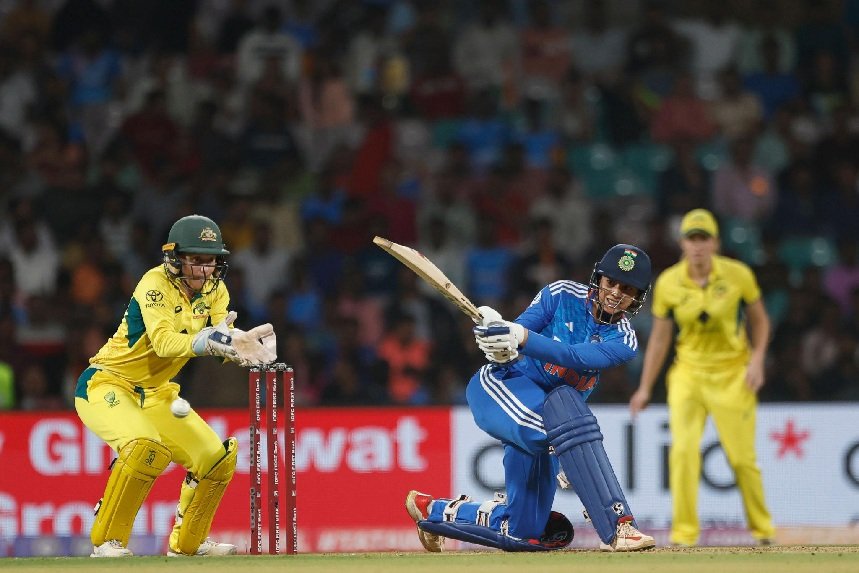
Future Outlook of the Rivalry
So, what’s next?
The future looks incredibly exciting.
India is rapidly closing the gap, and upcoming tournaments could see them dominate more consistently.
Australia, however, remains a benchmark of excellence.
With new talents emerging on both sides, this rivalry is only going to get bigger and better.
Why This Rivalry Matters
Let’s step back for a moment.
Why does this matchup matter so much?
Because it represents:
- The evolution of women’s cricket
- The rise of competitive balance
- The spirit of modern T20 cricket
Every match inspires young cricketers and pushes the boundaries of the sport.
Conclusion
The clash between Australia Women and India Women in T20 cricket once again proved why this rivalry is among the most exciting in the modern game. Both teams displayed exceptional skill, determination, and tactical awareness, keeping fans on the edge of their seats throughout the match.
Australia showcased their trademark consistency and composure, capitalizing on key moments with disciplined bowling and sharp fielding. India, on the other hand, impressed with their fearless batting approach and fighting spirit, never allowing the game to slip away easily.
In the end, the match was decided by small but crucial moments—whether it was a breakthrough wicket, a brilliant catch, or a few extra runs in the death overs. These fine margins highlight how competitive this rivalry has become over the years.
While one team walked away with the victory, both sides gained valuable momentum and confidence. More importantly, the match reinforced that future encounters between these two powerhouses will continue to deliver high-quality, thrilling cricket for fans around the world.