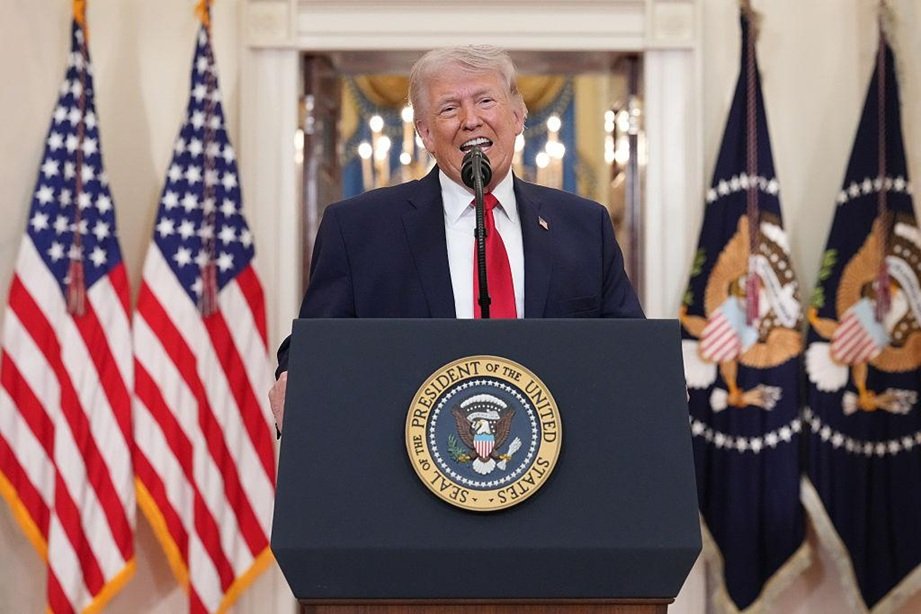

The phrase Trump Iran deal skepticism has become a defining theme in modern geopolitical discussions. Ever since Donald Trump took a hard stance on Iran’s nuclear agreement, the ripple effects have been felt across diplomacy, economics, and security policies worldwide.
But what exactly fuels this skepticism? Is it purely political, or are there deeper strategic concerns at play?
This article breaks down the issue in a clear, human way—no jargon overload, just real insights.
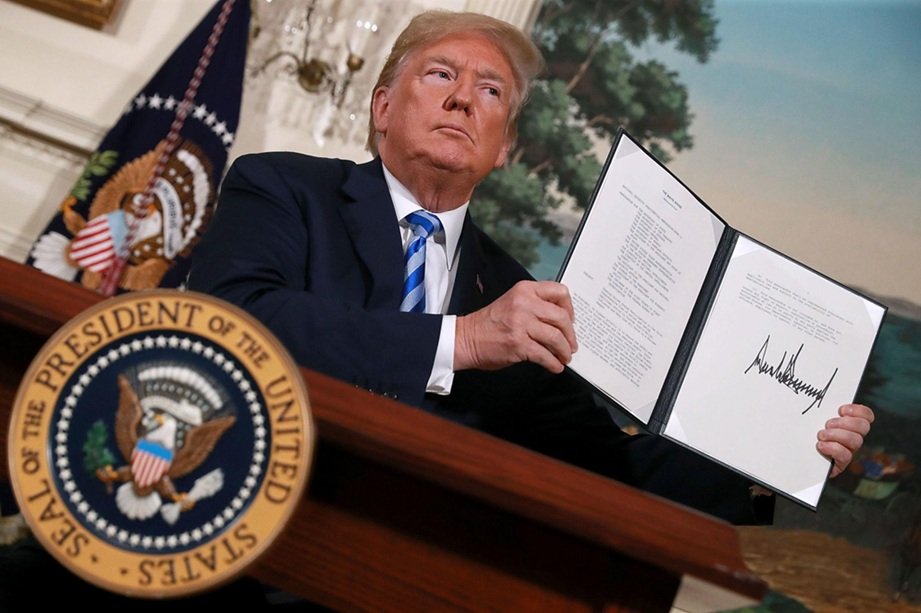
Table of Contents
- Introduction: Understanding Trump Iran Deal Skepticism
- Background of the Iran Nuclear Deal (JCPOA)
- Why Donald Trump Opposed the Deal
- Key Criticisms of the Agreement
- U.S. Withdrawal and Immediate Consequences
- Global Reactions and Diplomatic Tensions
- Economic Pressure Strategy Explained
- Effectiveness of Sanctions on Iran
- Political Motivations Behind the Decision
- Strategic Concerns and Security Risks
- Impact on Global Security and Stability
- Alternative Diplomatic Approaches
- Media Influence and Public Perception
- Long-Term Effects on International Relations
- Future Scenarios for Iran and Global Powers
- Lessons Learned From the Policy Shift
- Trust Issues in Global Agreements
- Why This Topic Still Matters Today
- Conclusion
Understanding the Roots of the Iran Nuclear Deal
To grasp the depth of Trump Iran deal skepticism, you first need to understand the agreement itself.
The Iran nuclear deal, formally known as the Joint Comprehensive Plan of Action (JCPOA), was signed in 2015. It aimed to limit Iran’s nuclear capabilities in exchange for lifting economic sanctions.
Key Elements of the Deal
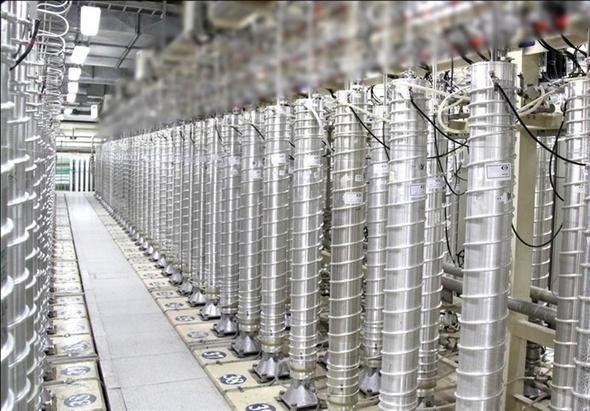
- Iran agreed to reduce uranium enrichment
- International inspections were allowed
- Economic sanctions were eased
- A timeline-based compliance framework was created
At the time, many global leaders saw it as a diplomatic win. But not everyone was convinced.
Why Trump Opposed the Deal From the Start
From the early days of his political campaign, Trump Iran deal skepticism was loud and clear. He frequently labeled the agreement as flawed and one-sided.
Main Criticisms Raised
- The deal did not permanently stop nuclear development
- It ignored Iran’s ballistic missile program
- It failed to address regional influence and proxy conflicts
- Sunset clauses allowed future nuclear expansion
Trump believed the agreement delayed rather than eliminated the threat.
The Withdrawal Decision and Its Impact
In 2018, Trump officially withdrew the United States from the deal. This move shocked allies and reignited global tensions.
Immediate Consequences
- Reimposition of heavy sanctions on Iran
- Strained relationships with European allies
- Increased volatility in oil markets
- Rising tensions in the Middle East
The decision marked a turning point where Trump Iran deal skepticism became policy rather than rhetoric.
Global Reactions to the Shift
The international community didn’t respond in a unified way. Some supported the move, while others strongly opposed it.
Europe’s Response
Countries like France, Germany, and the UK tried to keep the deal alive. They believed diplomacy was still the best path forward.
Middle East Perspective
Several regional powers quietly supported Trump’s approach, viewing Iran as a growing threat.
Iran’s Reaction
Iran initially remained compliant but later began reducing its commitments, increasing uranium enrichment levels.
Economic Pressure as a Strategy
One of the central pillars behind Trump Iran deal skepticism was the idea of “maximum pressure.”
What Did This Strategy Include?
- Strict sanctions targeting oil exports
- Financial restrictions on Iranian banks
- Blacklisting of key industries
- Secondary sanctions affecting global partners
The goal was simple: force Iran back to the negotiating table under stricter conditions.
Did the Strategy Work?
This is where things get complicated.
Supporters argue that economic pressure weakened Iran significantly. Critics say it escalated tensions without achieving meaningful diplomatic progress.
Observed Outcomes
- Iran’s economy faced severe contraction
- Currency value dropped sharply
- Internal protests increased
- Nuclear activities resumed at higher levels
So while pressure created strain, it also triggered resistance.
The Political Dimension Behind the Skepticism
Trump Iran deal skepticism wasn’t just about policy—it was also deeply political.
The deal was signed under a previous administration, and opposing it aligned with broader campaign promises. Undoing the agreement symbolized a shift in U.S. foreign policy direction.
Strategic Concerns Driving the Skepticism
Beyond politics, there were genuine strategic concerns.
Long-Term Risks Identified
- Iran could restart nuclear development after deal expiration
- Verification mechanisms might not be strong enough
- Regional instability could worsen
- Military confrontation risks could increase
These concerns continue to influence global debates even today.
The Role of Sanctions in Modern Diplomacy
Sanctions became a key tool under Trump’s approach. But are they effective?
Advantages of Sanctions
- Non-military pressure
- Immediate economic impact
- Signals strong political stance
Limitations
- Can hurt civilians more than governments
- May push countries toward alternative alliances
- Risk of escalation
Trump Iran deal skepticism leaned heavily on sanctions as leverage, but their long-term success remains debated.
How This Affects Global Security
The implications go far beyond the United States and Iran.
Key Global Concerns
- Nuclear proliferation risks
- Energy market instability
- Increased military tensions
- Shifting alliances
When a major agreement collapses, it sends a message about the reliability of international deals.
Diplomatic Alternatives That Were Considered
Even amid Trump Iran deal skepticism, alternative approaches were discussed.
Proposed Solutions
- Renegotiating stricter terms
- Expanding scope to include missiles
- Including regional security issues
- Extending timelines beyond sunset clauses
However, reaching consensus on these changes proved difficult.
Media Influence and Public Perception
Media coverage played a big role in shaping how people viewed the situation.
Some outlets framed the skepticism as bold leadership, while others criticized it as risky and destabilizing.
Public opinion became divided, reflecting broader political polarization.
The Future of the Iran Deal Debate
Even after Trump’s presidency, the effects of his policies continue to shape discussions.
Possible Future Scenarios
- Revival of a modified deal
- Continued sanctions and pressure
- Escalation into military conflict
- Shift toward regional diplomacy
The debate is far from over.
Lessons Learned From the Situation
Trump Iran deal skepticism offers several important lessons about international relations.
Key Takeaways
- Agreements must address long-term risks
- Global cooperation is fragile
- Economic tools have limits
- Political shifts can reshape diplomacy quickly
Understanding these lessons helps predict future global decisions.
The Bigger Picture: Trust in Global Agreements
One of the biggest concerns raised by Trump Iran deal skepticism is trust.
If countries believe agreements can be easily reversed, they may hesitate to commit in the future.
This creates challenges for diplomacy across all global issues—not just nuclear policy.
Why This Topic Still Matters Today
You might think this is old news—but it’s not.
The consequences of Trump Iran deal skepticism are still unfolding. From energy prices to military tensions, the effects are ongoing.
And as global politics continue to evolve, this issue remains a key reference point.
Conclusion
The debate around Trump Iran deal skepticism ultimately reflects a deeper clash between diplomacy and pressure-based strategy. While the withdrawal from the nuclear agreement reshaped global politics, it also exposed the fragility of international commitments. Supporters argue the approach forced the world to confront long-term risks in the deal, while critics believe it escalated tensions without delivering a stronger alternative.
What’s clear is that the decision didn’t just impact U.S.-Iran relations—it influenced global alliances, economic stability, and nuclear policy discussions worldwide. The ripple effects are still visible today, reminding us that major geopolitical moves rarely have simple outcomes.
In the end, whether viewed as a bold correction or a risky gamble, this moment continues to shape how nations negotiate, trust, and respond to global threats.