
The landscape of international travel is evolving swiftly, and the most recent passport rankings illustrate the significance of diplomatic connections and visa regulations. The latest updates released in May 2026 have ignited discussions among travelers, immigration specialists, business leaders, and students preparing for international trips.
The most recent passport index reveals several unexpected variations. Certain nations have gained significantly due to newly established visa-free agreements, while others have declined as a result of geopolitical conflicts, shifts in policies, or decreased travel access. For millions of travelers, these rankings represent more than mere figures; they impact how easily individuals can navigate borders for tourism, education, employment, and business prospects.
The term Passport ranking changes May 2026 has emerged as one of the most frequently searched topics related to travel, as numerous travelers seek to comprehend the real-life implications of the updated rankings. With Singapore maintaining its leading position and India showing marked improvement, the global mobility landscape appears markedly different this year.
Recent figures from the Henley Passport Index indicate that rankings are determined by the number of locations passport holders can access without needing a visa beforehand. This index utilizes data from the International Air Transport Association (IATA) and is frequently refreshed.
What Determines Global Passport Rankings?
The process of ranking passports is not arbitrary. Various significant factors determine whether a passport’s strength increases or decreases over time.
Visa-Free Agreements
Nations that establish more bilateral travel pacts typically witness an immediate enhancement in their rankings. Visa-free access allows individuals to enter foreign countries without extensive paperwork, thus boosting mobility scores.
Diplomatic Relationships
Robust foreign relations generally facilitate easier travel. Countries with stable diplomatic connections tend to negotiate more favorable agreements for their citizens.
Economic Influence
Countries with powerful economies are likely to possess stronger passports, as other nations are eager to attract tourists, investors, and business travelers from those economies.
Security and Immigration Policies
Nations with stringent border regulations or political turmoil may experience a decline in passport strength due to increased visa requirements imposed by other governments.
Global Perception
International reputation also plays a crucial role. Countries perceived as politically stable and economically trustworthy typically enjoy greater travel freedoms.
The recent Passport ranking changes May 2026 encapsulate all of these global shifts collectively.
Singapore Remains the World’s Strongest Passport
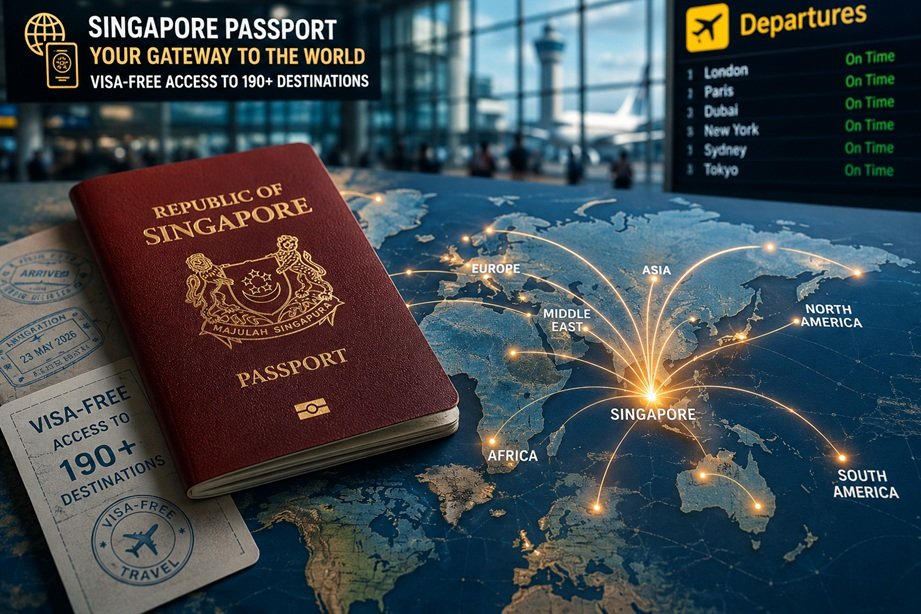
Once again, Singapore has claimed the top spot in the most recent global passport rankings. The nation consistently leads international mobility rankings, granting access to over 190 destinations worldwide without the need for a typical visa.
Experts in travel assert that Singapore’s steady diplomatic approach and solid economic alliances are central to its ongoing success. The country has strategically developed visa partnerships with countries across Europe, Asia, and the Americas.
For those holding a Singapore passport, embarking on international travel is among the simplest experiences globally. Airport procedures are usually more efficient, visa requirements are minimal, and planning for travel is significantly less daunting.
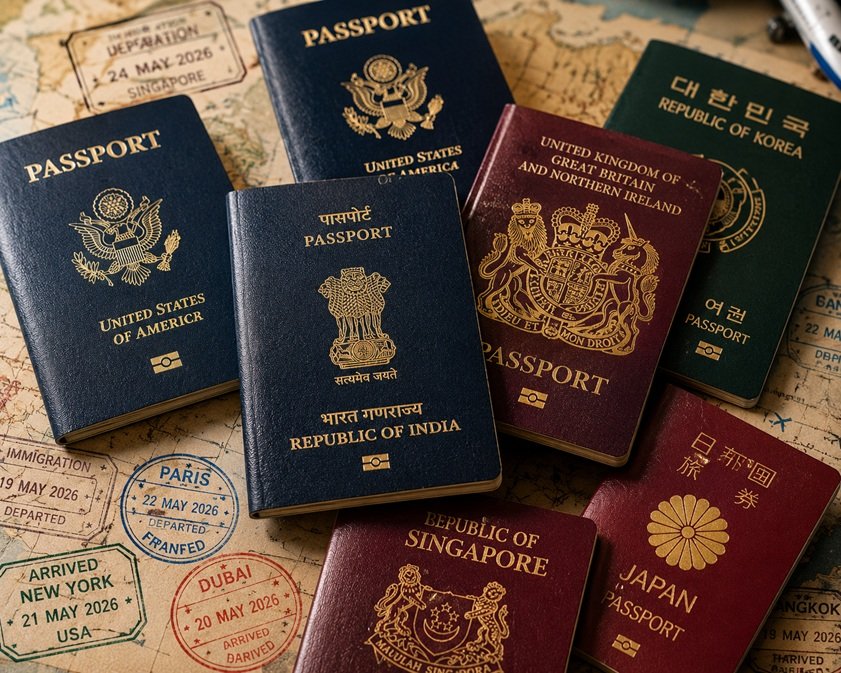
Japan and South Korea remain closely positioned behind Singapore in the rankings, sustaining their statuses among the most powerful passports globally.
India’s Passport Position Improves in 2026
One of the major topics of discussion this year is the advancement of India’s passport standing. India has made remarkable progress in global rankings when compared to earlier years.
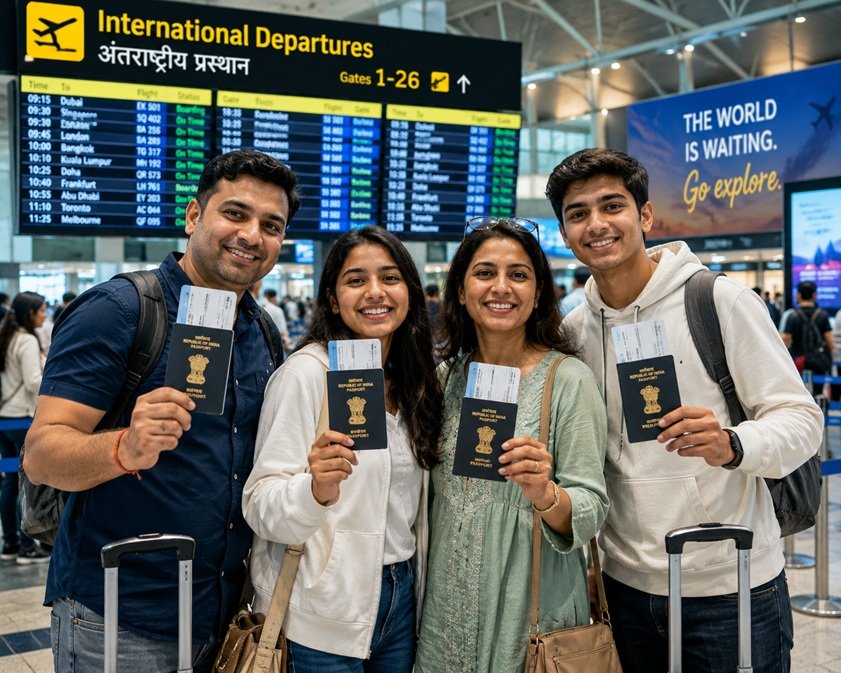
Data indicates that India has improved its position from about 85th place in past rankings to roughly 75th in the revised 2026 data. Holders of Indian passports now have the privilege of traveling to over 55 nations, utilizing either visa-free entry, visa-on-arrival options, or electronic travel authorization systems.
This advancement is regarded as a favorable indication of India’s increasing global presence.
Factors Behind India’s Rise
- Broadened diplomatic interactions
- Enhanced international collaborations
- Greater use of electronic passports
- Simplified travel agreements with specific nations
- Rise in outbound travel for tourism and business purposes
Nevertheless, analysts observed an intriguing aspect. Even though India’s rank rose, there wasn’t a significant increase in the number of visa-free destinations. Some analyses imply that shifts in rankings may have been partially caused by other nations falling in the index.
Regardless, this enhancement signifies progress for Indian travelers who are progressively venturing abroad for purposes such as education, tourism, remote work, and entrepreneurship.
The issue of changes in passport rankings as of May 2026 has gained particular significance in India, given the swift surge in outbound travel demand.
Countries That Advanced Rapidly
Several countries astonished observers this year with notable improvements in their rankings.
United Arab Emirates
The UAE is steadily establishing itself as a leading passport on the global stage. Throughout the last ten years, it has entered into numerous visa-free agreements across Europe, Asia, and Latin America.
This swift diplomatic growth has enabled the UAE passport to evolve into one of the most powerful travel documents worldwide.
Saudi Arabia
Saudi Arabia also experienced steady progress, aided by reforms in tourism and enhanced international relations due to its modernization initiatives.
China
China’s rising global impact and broadening diplomatic outreach have facilitated greater travel flexibility for its citizens in various areas.
Southeast Asian Nations
Nations such as Thailand and Malaysia gained from collaborative regional tourism and streamlined travel agreements.
These advancements highlight how international mobility increasingly hinges on strategic diplomatic efforts rather than geographical factors alone.
Passports That Experienced Declines This Year
Not all countries enjoyed positive changes. Several nations faced drops in rankings due to issues such as political turbulence, economic downturns, or alterations in visa regulations.
Afghanistan
Afghanistan remains at the very bottom of the global passport rankings, with extremely limited access to destinations. Ongoing unrest and safety concerns continue to hinder international travel.
Syria and Iraq
Prolonged conflicts and diplomatic limitations persistently restrict visa-free access for individuals from these nations.
Pakistan
Pakistan continues to hold a low position in global passport rankings due to security issues and restrictive international travel agreements.
Yemen and Somalia
Internal strife and political turmoil continue to greatly affect travel freedoms.
These lower rankings illustrate how geopolitical factors directly influence ordinary citizens’ ability to engage in international travel.
Why Passport Rankings Are More Important Than Ever
Many people believe that passport rankings only matter for tourists, yet their effects go far beyond just leisure travel.
International Students
Students seeking admission to foreign educational institutions often encounter visa challenges that are dependent on the strength of their passports. Increased ease of obtaining visas streamlines both the admission and relocation procedures.
Business Travelers
Professionals participating in conferences, client engagements, or international gatherings experience fewer delays in visa processing and more straightforward travel approvals.
Digital Nomads
The rise of remote work has led to a growing number of individuals temporarily residing and working in foreign countries. Possessing strong passports greatly facilitates this relocation process.
Immigration and Residency Planning
The strength of a passport frequently impacts choices concerning investment migration and residency options.
Tourism Growth
Nations with more powerful passports generally experience a rise in outbound tourism expenditures.
Recent adjustments to passport rankings in May 2026 underscore the significance of global mobility as an essential economic and social dimension across the globe.
How the Henley Passport Index Works
The Henley Passport Index is among the most acknowledged passport ranking frameworks in the world.
This ranking assesses passports based on how many locations can be accessed without the necessity of obtaining a visa in advance.
The Scoring Criteria Includes:
- Access without a visa
- Entry with a visa upon arrival
- Electronic travel authorization access
The index evaluates 199 passports alongside more than 227 travel destinations globally.
Countries earn higher ratings when their citizens enjoy greater freedom of movement with fewer paperwork requirements.
Travel authorities frequently draw comparisons between Henley rankings and alternative passport indexes, as various systems may utilize slightly differing methods. Nevertheless, Henley remains a prominent reference point for global mobility standards.
The Growth of E-Passports and Digital Travel Platforms
A significant trend impacting passport rankings is the shift towards digital solutions.
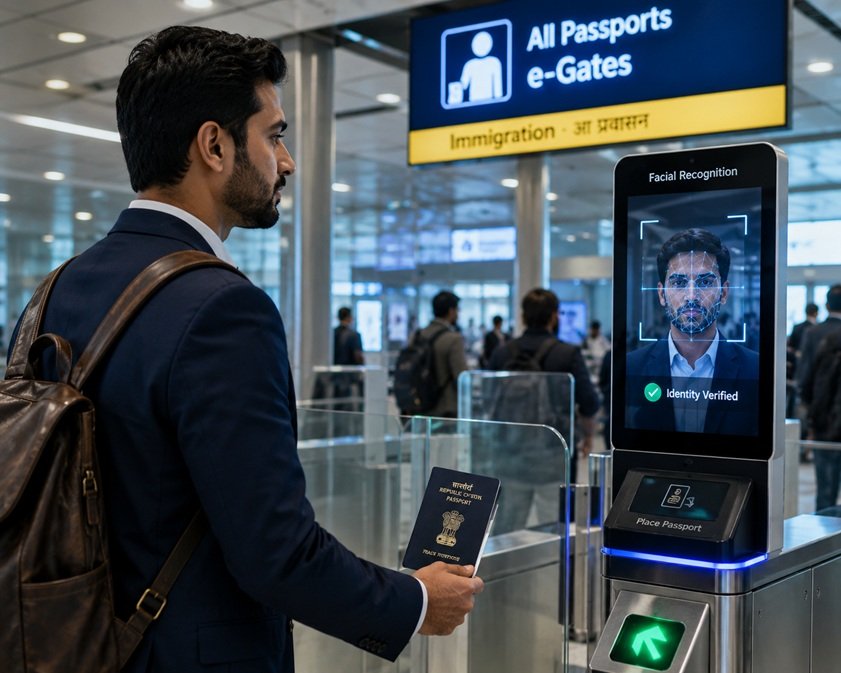
Numerous nations are implementing sophisticated e-passports that include biometric information and upgraded security features. These advancements enhance confidence on an international scale and assist in minimizing fraud risks.
In recent years, India has intensified its e-passport deployment, which specialists suggest may facilitate improvements in future travel mobility.
Airports Increasingly Rely On:
- Facial recognition technology
- Automated immigration checkpoints
- Biometric authentication
- Digital visa authorizations
- Online travel clearance platforms
These innovations are altering the dynamics of worldwide travel.
Additionally, travelers are becoming more proactive and methodical. Recent findings indicate that Indian travelers are progressively utilizing digital-focused visa application procedures and more efficient documentation habits.
How Travelers Are Adapting to the Updated Rankings
The revised rankings are having several impacts on travel behaviors.
Growing Interest in Secondary Passports
Affluent individuals are actively investigating investment migration options to secure more robust travel documents.
Heightened Travel Preparation
Travelers are conducting thorough research on visa regulations prior to confirming international travel arrangements.
Emphasis on Visa-Friendly Locations
Countries with simpler entry requirements are experiencing a surge in tourism.
Increased Awareness Among Younger Travelers
Students and young professionals are paying closer attention to global mobility prospects than in the past.
Social media channels are furthering conversations regarding passport strength, making rankings more accessible to average travelers.
The discussion surrounding changes in passport rankings up to May 2026 highlights how significantly global mobility influences contemporary lifestyles.
The Disparity Between Strong and Weak Passports
One notable feature of international passport rankings is the substantial disparity between the highest-ranked and lowest-ranked nations.
Top-ranking passports grant entry to over 190 locations, whereas lower-ranking passports might permit access to fewer than 30 destinations.
This Disparity Results In Significant Inequalities Concerning:
- Education
- Job opportunities
- Tourism
- Global connectivity
- International commerce
For many individuals in countries with lower rankings, even short getaways require extensive documentation, costly application fees, and unpredictable approval experiences.
On the other hand, travelers from high-ranking countries can often cross borders with relative ease.
This widening gap in mobility remains a prominent concern in discussions about international travel policy today.
Will India Continue to Improve in Future Rankings?
Numerous analysts speculate that India might further enhance its passport status in the upcoming years.
Several Trends Bolster This Potential:
- Wider diplomatic engagement
- Increasing economic clout
- Rising interest in global tourism
- Strengthened international business representation
- More bilateral travel agreements
India’s rapidly expanding middle class is also contributing to an increase in outbound travel every year.
Nevertheless, experts warn that future rankings will significantly hinge on reciprocal visa arrangements and international diplomacy. Typically, advancements occur gradually and not instantaneously.
Nations that consistently prioritize diplomacy, tourism collaborations, and modernization of border security often experience gradual improvements over time.
Emerging Travel Trends for 2026
The newest rankings also highlight broader travel trends that are shaping the direction of global mobility.
Growth in Regional Travel
Short-distance travel within Asia and the Middle East is continuing to expand at a fast pace.
Rising Popularity of Visa-on-Arrival Systems
An increasing number of countries are implementing visa-on-arrival options to draw in tourists and business visitors.
Adaptable Travel Regulations
Governments are easing entry regulations to aid in the revival of tourism and promote economic development.
Digital Nomad Growth
Nations are increasingly working to entice remote employees by offering specialized visa options.
Biometric Travel Technologies
Automated immigration systems are becoming commonplace at significant airports.
These advancements are transforming perceptions of global travel and citizenship.
What Travelers Must Consider Before Going Abroad
Despite the rise in passport rankings, travelers should never take for granted that entry regulations will remain stable.
Prior to organizing international travel, specialists advise verifying:
- Visa stipulations
- Validity duration of passports
- Transit regulations
- Vaccination obligations
- Required entry documents
- Digital approval systems
Policies can shift rapidly due to diplomatic actions or safety issues.
Travel insurance and having current documentation are also gaining importance, particularly for those traveling internationally for an extended period.
Concluding Remarks on Global Passport Changes
The most recent passport rankings highlight an interconnected world where diplomacy, technology, and global movement are increasingly linked.
Nations that are enjoying greater travel freedom are seeing advantages from enhanced international relations and advanced immigration systems. In contrast, countries experiencing instability continue to struggle with limited mobility.
India’s advancing status mirrors broader shifts in its global interactions and an expanding international presence. While obstacles persist, this upward trend indicates steady improvement.
For travelers, students, business owners, and professionals, awareness of these rankings is now more than mere curiosity. The strength of a passport directly affects opportunities, ease of travel, and the freedom to move around the world.
The conversation regarding changes in passport rankings expected in May 2026 is likely to persist throughout the year as more nations adjust travel treaties and governments strive to enhance global connectivity.
Regardless of whether a person travels annually or monthly, the influence of passport strength has silently emerged as a crucial element of contemporary international existence.