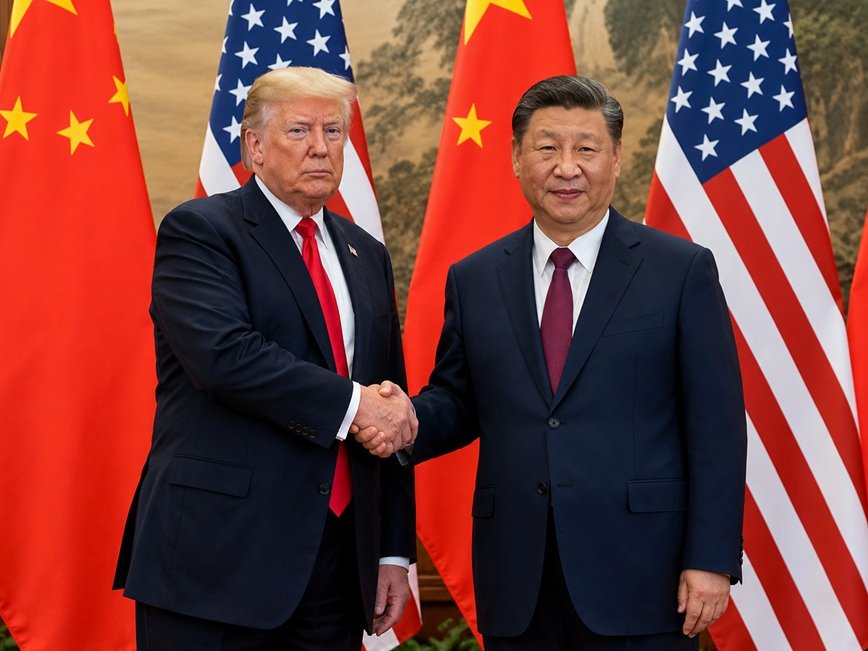

This week, global attention turned decisively towards China as Donald Trump and Xi Jinping engaged in one of the most scrutinized diplomatic talks of recent years. The meeting in Beijing took place during a time when geopolitical tensions, economic unpredictability, military competition, and technology rivalries are transforming global relations at a pace that outstrips predictions made by experts only a few years ago.
For both Washington and Beijing, the implications could not be more significant. Although the United States and China are economically interconnected, their strategic divisions are growing. Their conflicts span trade, Taiwan, advancements in artificial intelligence, restrictions on semiconductors, military presence in Asia, and international coalitions. In this context, the recent summit held much more weight than mere formal greetings or state banquets.
This visit was Donald Trump’s first significant trip to China following his return to the presidency, with Beijing hosting a lavish welcome that included military honors, diplomatic fanfare, and comprehensive bilateral discussions. Various international news sources reported lengthy discussions between the two leaders, indicating a desire to stabilize a relationship that has fluctuated between cautious collaboration and open conflict.
Reasons for the Global Focus on This Summit
Whenever Washington and Beijing directly interact, financial markets, governments, multinational firms, and military strategists are highly observant. This particular meeting, however, came during a notably unstable time for the global landscape.
Several elements heightened the significance of this summit:
- Persistent tensions regarding Taiwan
- Economic rivalry between the United States and China
- Worries about leadership in artificial intelligence
- The Iran crisis impacting energy markets
- Instability within global supply chains
- Trade barriers and tariff conflicts
- Strategic competition in the Indo-Pacific area
Experts viewed this summit not as a groundbreaking occasion but rather as a measure of whether the two largest economies could prevent further escalations in conflict.
China’s Tactically Orchestrated Diplomatic Presentation
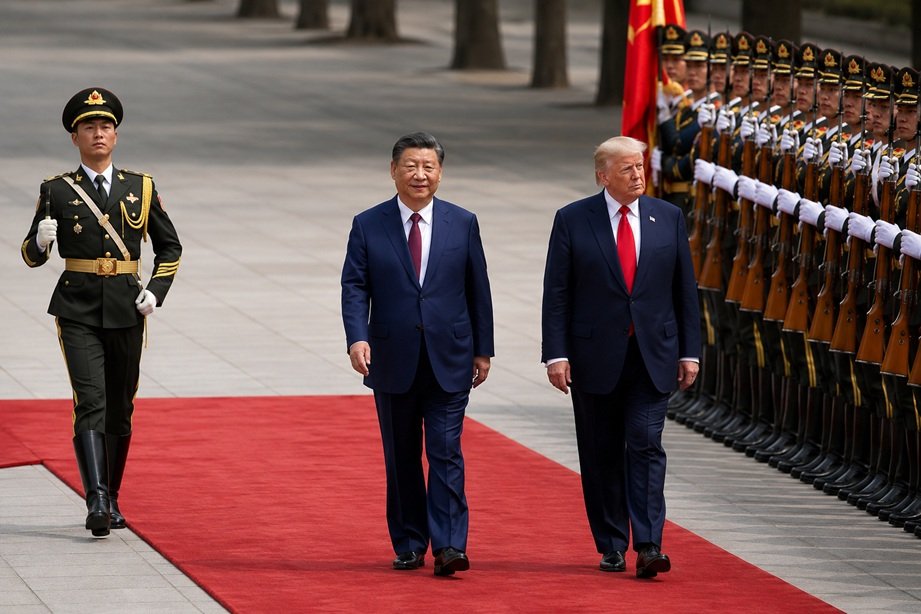
China meticulously organized the visit. State media highlighted themes of friendship, stability, and mutual respect throughout the welcoming ceremonies. Trump was given a grand reception that included a military salute and greetings from senior Chinese officials before they entered discussions at the Great Hall of the People.
The Symbolism Behind the Visit
The symbolism conveyed was significant.
Chinese diplomacy frequently utilizes visuals and ceremonial elements to express strength, assurance, and prestige. By providing Trump with an elaborate welcome, Beijing indicated that it still regards direct dialogue with Washington as strategically beneficial, despite the ongoing tensions.
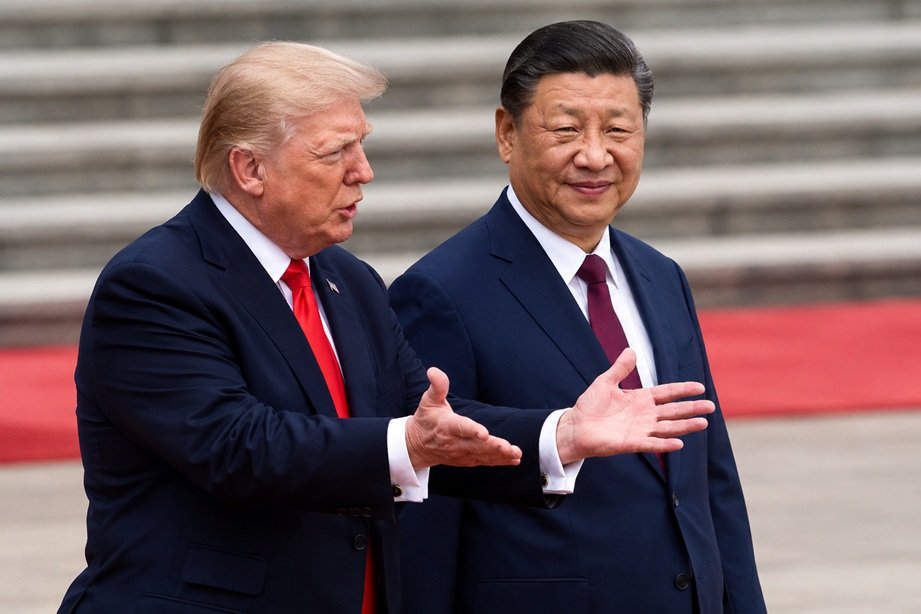
Observers also noted a friendlier dynamic between the two leaders in contrast to earlier encounters marked by tension. Prolonged handshakes, smiles during public engagements, and open body language suggested that both parties aimed to convey a message of stability rather than hostility.
Economic Matters Took Center Stage
Economic topics were paramount throughout much of the agenda. Following years of tariffs, sanctions, export restrictions, and manufacturing disputes, the United States and China remain economically linked in complex ways that are hard for either to unravel.
Reports indicated that Trump advocated for increased market access for American businesses while stressing the need for “fair and reciprocal” trade practices. On the other hand, Chinese officials concentrated on rebuilding global investor confidence and stabilizing business relationships.
Numerous prominent American corporate leaders participated in the US delegation, representing various sectors such as:
- Technology
- Manufacturing
- Consumer goods
Their involvement signified the significant reliance of corporate America on Chinese supply chains and its consumer markets.
The Economic Reality Behind the Diplomacy
In spite of existing political strains, neither nation can completely withdraw from economic ties without facing serious repercussions.
The United States Continues to Depend on China For:
- Consumer products
- Electronics
- Industrial parts
- Rare earth minerals
China Still Relies on America For:
- Financial systems
- Technology collaborations
- Agricultural exports
This scenario creates an unusual situation where strategic rivalry and economic reliance coexist.
This paradox is why each principal summit between the two nations garners profound market interest. Investors recognize that even slight agreements regarding tariffs or trade restrictions can rapidly impact:
- Global stock exchanges
- Commodity values
- Supply chains
Taiwan Emerged as the Most Sensitive Issue
While trade negotiations captured the headlines, Taiwan stood out as the most precarious issue during the summit.
International reports indicated that Xi Jinping cautioned that mismanagement of the Taiwan situation could lead both countries toward direct confrontation. Chinese representatives reiterated that Taiwan is a focal point in US-China relations and is the most sensitive topic for Beijing.
For China, Taiwan signifies more than just geopolitical concerns. It is fundamentally linked to:
- National identity
- Territorial sovereignty
- Legitimacy of the Communist Party
Beijing perceives any foreign backing for Taiwan as interference in domestic matters.
On the other hand, the United States maintains military and political support for Taiwan as part of its established strategic commitments.
This creates a precarious balancing situation.
Why Taiwan Matters Globally
Any military rise in tensions involving Taiwan would have broader implications beyond East Asia.
Taiwan accounts for a significant portion of the global advanced semiconductor production, essential for:
- Smartphones
- Automobiles
- Artificial intelligence systems
- Military equipment
- Cloud computing frameworks
Any disruption in the Taiwan Strait could potentially lead to worldwide economic disturbances.
This reality underscores why international leaders, corporations, and defense analysts closely observe every pronouncement made during US-China summits regarding Taiwan.
The recent discussions did not alleviate those tensions. However, keeping the lines of communication open may help mitigate the chances of miscalculations.
Artificial Intelligence Became a Strategic Battleground
Technological rivalry was another critical topic overshadowing the summit.
Artificial intelligence has swiftly transformed from a competitive commercial innovation initiative into a central national security issue. Both Washington and Beijing perceive leadership in AI as essential for future:
- Military dominance
- Economic dominance
- Political dominance
The United States has enacted export restrictions on advanced semiconductor technologies aimed at hindering China’s advancements in AI. Meanwhile, China is aggressively investing in:
- Chip manufacturing
- AI infrastructure
- Technological independence
Analysts believe both nations acknowledge that unrestrained escalation in the technology conflict could hinder global innovation and economic progress. Nevertheless, neither side seems inclined to relinquish strategic advantages.
This tension influenced numerous behind-the-scenes conversations during the meetings in Beijing.
Iran Conflict Added New Pressure
Another significant factor impacting the summit was the ongoing conflict in Iran, which has caused disruptions in energy markets and heightened geopolitical uncertainty across the globe.
Sources suggested that Trump was optimistic about China’s potential role in stabilizing the situation, especially concerning:
- Oil distribution
- Regional diplomatic efforts
China engages in significant economic and political interactions in the Middle East, particularly with Iran. This grants Beijing a level of influence that Washington must acknowledge.
The conflict in Iran has also led to an increase in oil prices, putting political and economic strain on a global scale.
Rising Energy Costs Affect:
- Inflation rates
- Consumer expenditures
- Manufacturing processes
- Transportation systems
This wider geopolitical backdrop rendered the summit more critical than a standard diplomatic gathering.
The Meaning Behind the State Banquet
Diplomatic symbolism was notably prominent during the visit.
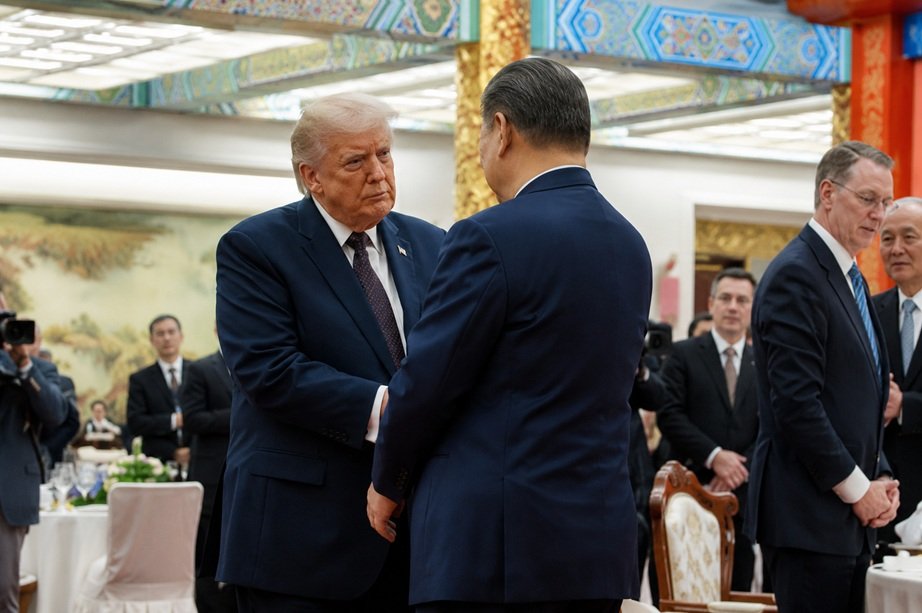
A formal state banquet highlighted China’s approach of using culinary diplomacy to convey cultural elegance and goodwill. Reports indicated that the meal featured specially chosen dishes that incorporated traditional Chinese flavors alongside those appealing to American visitors.
Why Diplomatic Symbolism Matters
In the realm of international diplomacy, such details hold significance.
State dinners, ceremonial greetings, visits to historical sites, and public communications are all crafted to influence perceptions. Beijing seemed keen to portray itself as:
- Stable
- Self-assured
- Globally influential
The visuals served a domestic objective as well. Chinese authorities aimed for local audiences to witness China welcoming the American president from a standpoint of strength and equality.
Trump’s Aims in China
For Trump, this summit held importance on both international and domestic fronts.
He approached the discussions intending to convey strong leadership concerning:
- Trade
- National security
- Global diplomacy
Publicly, Trump focused on enhancing economic relations while upholding a firm position on matters such as Taiwan and competition in technology.
Domestically, the administration is under pressure regarding:
- Inflation
- Worldwide instability
- Strategic rivalry with China
A successful summit could illustrate diplomatic success while calming businesses anxious about escalating tensions.
Trump also invited Xi Jinping to come to the White House later this year, reflecting a mutual desire for continued direct communication despite existing disagreements.
Xi Jinping’s Stance Before the Summit
Xi entered the discussions from a markedly different political landscape.
Unlike US presidents, Xi does not contend with immediate electoral pressures, allowing Beijing greater leeway in its long-term strategic planning. Analysts suggest that China increasingly perceives itself as acting from a position of rising global power, even amidst domestic economic slowdowns.
The Chinese leadership regards international instability as a chance to position China as a more stable global player, contrasting with what Beijing often characterizes as American unpredictability.
China’s Key Messaging Themes
Xi consistently highlighted themes of:
- Stability
- Collaboration
- Long-term partnerships
At the same time, he cautioned against confrontation.
Chinese officials seem committed to steering clear of direct conflict while simultaneously pushing back against American pressure on:
- Trade
- Technology
- Regional dominance
Markets Show Caution
Financial markets reacted with caution to the developments from the summit.
Investors seemed relieved that the discussions were productive rather than overtly hostile. Markets frequently respond strongly to tensions between the US and China due to the significant roles both economies play in global trade and manufacturing.
Businesses Continue Monitoring:
- Restrictions on semiconductor exports
- Supply chains for rare earth elements
- Tariff regulations
- Rules for technology investments
- Military conflicts in Asia
- Shipping routes linked to Taiwan
Even minor policy adjustments between Washington and Beijing can have far-reaching impacts on global industries, from automobiles to consumer electronics.
Can the Summit Actually Alter US-China Relations?
This is still the primary inquiry.
Most analysts believe that significant changes are not likely to arise from just one summit. The deep-rooted structural issues between these nations are multifaceted, encompassing differing:
- Governmental systems
- Military goals
- Economic frameworks
Nonetheless, diplomatic efforts are still important.
Effective communication diminishes potential misinterpretations and decreases the risk of unintended escalation during crises. While ongoing discussions may not address every conflict, they can establish boundaries that prevent rivalry from escalating out of control.
Numerous experts characterized the meetings in Beijing as a move to stabilize relations instead of completely transforming them.
How the Global Community Is Observing
Nations throughout:
- Europe
- Asia
- The Middle East
- Latin America
are attentively observing the interactions between Washington and Beijing.
Many nations are reluctant to take sides in the US-China rivalry. They desire stability that facilitates continued trade, investment, and diplomatic relations without significant interruptions.
Asian allies like Japan and South Korea are particularly alert to any changes concerning Taiwan or military competition in the Indo-Pacific.
At the same time, emerging economies are concerned about how tensions between the US and China might impact:
- Supply chains
- Commodity costs
- Global growth
Thus, the summit had implications beyond just bilateral relations.
Media Coverage Demonstrated Significant Global Interest
International news outlets viewed the summit as one of the key geopolitical highlights of the year.
The Coverage Mainly Focused On:
- Tensions related to Taiwan
- Trade discussions
- Competition in artificial intelligence
- Conversations about the conflict with Iran
- Symbolic gestures in diplomacy
- Participation of business delegations
- Potential upcoming visit to the White House
The enormous amount of attention from global media illustrated how crucial US-China relations are to international politics and economics.
Even nations situated far from East Asia recognize that choices made in Beijing can impact:
- Inflation
- Access to technology
- Security partnerships
- Economic stability worldwide
The Larger Context Surrounding the Summit
The broader narrative is not merely about two leaders convening in Beijing.
It’s about the future landscape of global power.
The United States continues to stand as the top military and financial authority worldwide. China persists in its economic, technological, and strategic ascent. The dynamics between these two increasingly shape the international system.
Key Realities Shaping Global Politics
- Their competition is expected to endure for years
- Complete separation is unrealistic
- Economic interdependence remains extremely deep
- Cooperation and rivalry now coexist simultaneously
The summit in Beijing illustrated this very contradiction.
On one side, both parties publicly highlighted:
- Partnership
- Dialogue
- Economic connections
On the flip side, unresolved conflicts regarding:
- Taiwan
- Technology
- Military presence
- Strategic rivalry
continued to linger.
Final Reflections
The gathering in Beijing revealed that direct diplomacy between Washington and Beijing remains crucial, even amidst heightened rivalry.
The discussions between Trump and Xi did not eliminate significant disputes.
Major Issues Still Remain
- Taiwan remains a critical point of contention
- Trade issues have yet to be settled
- The AI and technology race is accelerating
- Strategic rivalry continues to grow
Nonetheless, the readiness of both leaders to directly engage is significant.
At a moment when worldwide disputes, financial uncertainties, and geopolitical rivalries are escalating, ongoing discussions between the United States and China might represent one of the rare approaches that can avert more significant global emergencies.
The meeting further highlighted a broader issue: both parties seem unprepared for total conflict, yet neither is willing to yield ground in terms of strategy.