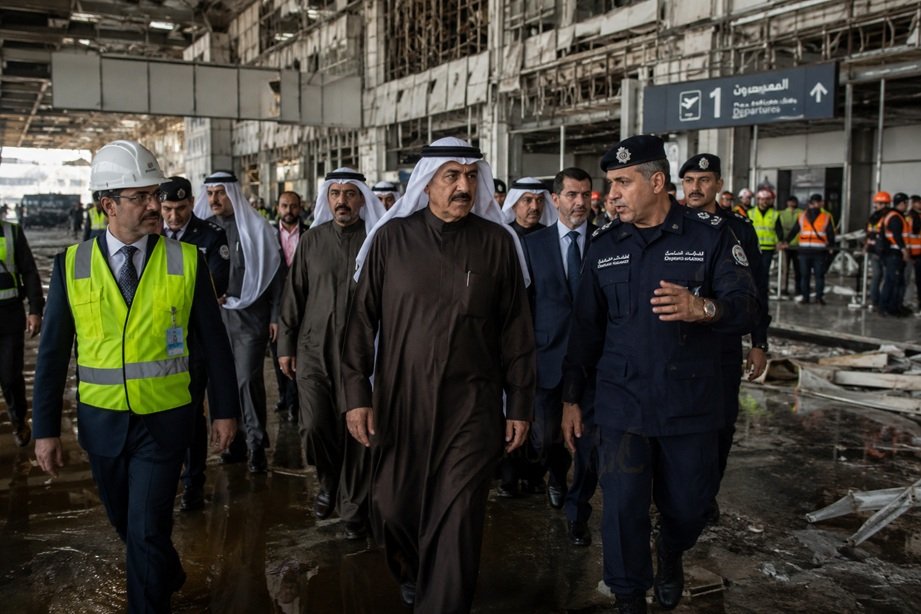

The recent trip by the Prime Minister of Kuwait to Terminal 1 at Kuwait International Airport has garnered notable attention throughout the Gulf area. This inspection took place shortly after a significant security event that led to damage of airport facilities and momentarily halted aviation activities.
The purpose of the visit was not merely symbolic but also to evaluate the damage, examine recovery initiatives, and guarantee a swift return to normal operations for the nation’s main aviation hub.
The visit of the Kuwait Prime Minister to the airport has become a central theme in regional media given the airport’s status as one of the nation’s crucial transportation centers. Every day, thousands of individuals depend on Terminal 1, which makes the restoration of airport services a vital national concern.
Recent updates suggest that the Prime Minister personally assessed the damaged areas of Terminal 1 and received in-depth briefings from aviation authorities concerning repairs, safety protocols, and readiness for operations. This inspection underscored Kuwait’s dedication to regaining confidence in its aviation industry while enhancing airport security for the future.
Why the Prime Minister Visited Terminal 1
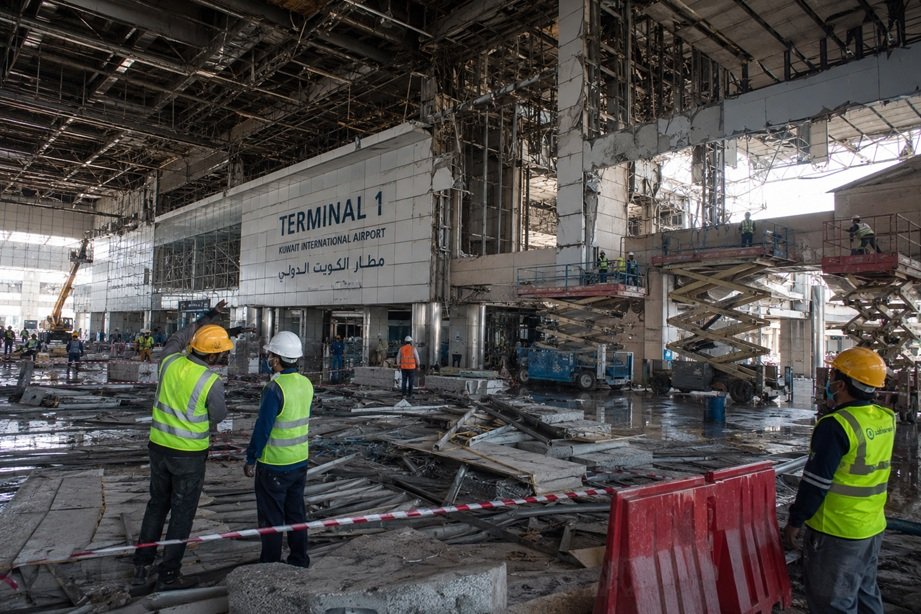
The inspection was conducted in the aftermath of reports regarding extensive damage inflicted during a recent attack aimed at Kuwait International Airport. Officials confirmed that substantial structural impairments occurred at Terminal 1, resulting in temporary flight interruptions and the need for emergency operational adjustments.
The goals for the Prime Minister’s visit included:
- Evaluating the state of airport infrastructure directly
- Assessing the progress of repair and restoration
- Consulting with aviation and security representatives
- Ensuring that passenger safety remains prioritized
- Accelerating the restoration efforts
- Enhancing future preparedness for emergencies
By personally visiting the airport, the Prime Minister conveyed that the government is actively engaged in addressing the crisis and facilitating swift recovery initiatives.
Understanding the Damage at Terminal 1
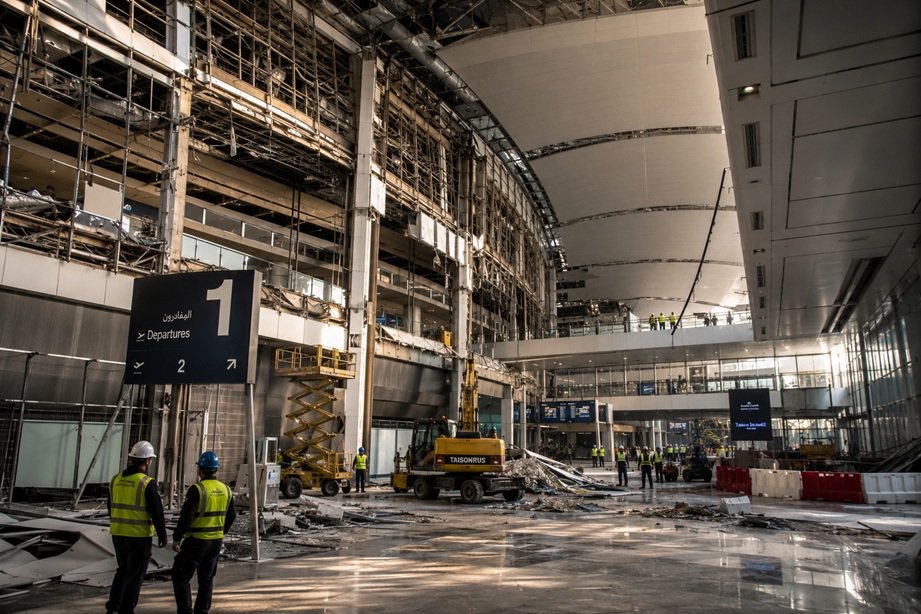
Terminal 1 serves as the principal terminal for passengers at Kuwait International Airport, managing a substantial amount of international travel. As per official accounts, the recent attack inflicted considerable harm on various sections of the terminal building and disrupted airport functions. Authorities temporarily rerouted flights and enacted emergency protocols to safeguard both travelers and personnel.
Key Areas Affected
The documented damage included:
- Structural impacts to various parts of the terminal
- Interruption of passenger processing areas
- Temporary halting of certain airport services
- Safety evaluations across vital airport facilities
- Emergency operational adjustments to sustain air traffic management
Despite these obstacles, aviation authorities quickly acted to reduce disruptions and initiate recovery measures.
The Importance of Kuwait International Airport
Kuwait International Airport is vital to the nation’s economy and connectivity. Situated in close proximity to Kuwait City, it accommodates millions of travelers each year and serves as a significant entry point linking Kuwait to various destinations across Asia, Europe, Africa, and the Middle East.
The airport’s importance transcends passenger travel. It also facilitates:
- International commerce
- Cargo transport
- Tourism development
- Business connectivity
- Engagement in regional diplomacy
Due to this crucial role, any interruption to airport operations has immediate economic and logistical consequences.
What Officials Briefed the Prime Minister About
During the visit of the Prime Minister to Kuwait’s airport, high-ranking officials in aviation allegedly shared comprehensive updates on current restoration activities. The Prime Minister evaluated reports regarding infrastructure renovations, uninterrupted operations, and improved safety protocols.
Recovery Aims
Infrastructure Rehabilitation
Engineers are engaged in mending affected areas while guaranteeing adherence to global aviation regulations.
Passenger Security
Airport management has heightened safety evaluations to confirm that all facilities satisfy operational standards before fully resuming operations.
Operational Consistency
Measures are being implemented to uphold flight timetables and lessen interruptions for airlines and passengers.
Security Improvements
Additional protective strategies are under consideration to bolster airport defenses against potential future risks.
Aviation Operations Post-Incident
After the assault, aviation authorities made temporary alterations to airport procedures to ensure safety. Some flights were redirected while urgent evaluations were conducted. Subsequently, officials declared a partial return to operations following the completion of safety assessments.
This response showcased the efficiency of Kuwait’s emergency aviation procedures. Swift collaboration among airport management, airlines, security entities, and government bodies played a crucial role in minimizing operational interruptions.
Passengers were encouraged to keep an eye on airline notifications and frequently verify flight schedules throughout the recovery phase.
Government’s Reaction to the Incident
The government’s response has entailed multiple agencies collaborating to manage both the immediate and prolonged repercussions of the event.
The visit by the Prime Minister to the airport was a part of a larger national strategy focusing on infrastructure repair, security evaluations, and partnerships with global aviation bodies.
Actions Taken Instantly
Authorities put several emergency protocols into effect:
- Initiation of airport emergency response strategies
- Mobilization of repair crews
- Strengthened security surveillance
- Services for assisting passengers
- Ongoing evaluations of operations
These initiatives helped stabilize the situation while facilitating efficient restoration efforts.
Security Strategies Under Consideration
A primary point of discussion during the inspection was airport safety. Modern airports contend with increasingly sophisticated threats, necessitating ongoing enhancements in security.
Officials are thought to be reviewing:
Sophisticated Monitoring Technologies
Innovative technologies can enhance threat identification and situational awareness throughout airport installations.
Asset Protection
Vital airport facilities may receive added security measures to mitigate risks.
Crisis Preparedness
Revised emergency protocols support quick reactions in the event of future crises.
Cross-Agency Collaboration
Stronger partnership between aviation, military, and security agencies can bolster crisis management effectiveness.
These strategies are anticipated to enhance the airport’s long-term durability.
Effects on Passengers
For travelers, the incident raised understandable worries regarding flight patterns and airport functionalities. Nevertheless, authorities acted swiftly to calm travelers and reinstate services where feasible.
Travelers should be aware that:
- Airport operations are progressively recovering
- Airlines are issuing scheduling updates
- Safety checks are still being conducted
- Passenger safety remains a key focus
Officials have stressed that all operational choices are being directed by safety concerns.
Kuwait’s Aviation Industry Displays Fortitude
The recent occurrences have underscored the robustness of Kuwait’s aviation sector. In spite of considerable setbacks, airport authorities and aviation specialists have tirelessly endeavored to restore operations and uphold vital services.
The Prime Minister’s airport visit highlighted governmental support for the aviation industry and its commitment to expediting recovery.
Lessons for the Aviation Sector
The event presents several significant insights:
- Being ready for emergencies is crucial
- Enhancing the resilience of infrastructure is a continuous process
- Investments in security are necessary
- Swift communication is key to upholding public trust
- Leadership from the government plays an essential role in times of crisis
These insights are applicable not just in Kuwait, but to airports globally.
Economic Consequences of Airport Recovery
Airports serve as crucial economic resources. Any extended interruption can impact tourism, commerce, investment, and business travel.
Consequently, swiftly restoring Terminal 1 is crucial for:
- Economic stability
- International links
- Airline functions
- Tourism activities
- Confidence from investors
Officials in the government recognize these aspects and have prioritized repair and restoration initiatives accordingly.
Regional Importance of the Inspection
The visit from the Prime Minister garnered attention outside of Kuwait, as regional airports are integral to the Middle Eastern transportation framework.
A successful revival at Kuwait International Airport illustrates:
- Proficient crisis management skills
- Dedication to aviation safety
- Government’s responsiveness
- Strength of infrastructure
Observers from the region have been closely watching the situation as the airport resumes normal operations.
Repair and Restoration Efforts
Engineers and technical professionals are actively engaged in restoring affected areas of Terminal 1. Authorities have reaffirmed that repairs will adhere to international aviation guidelines.
Areas of Concentration
Current rehabilitation initiatives encompass:
- Assessments of structures
- Repairs to buildings
- Replacement of equipment
- Testing of systems
- Certification of operations
These actions are necessary to ensure all facilities can operate fully once again.
The visit of the Kuwait PM at the airport provided an opportunity for leaders to directly oversee progress and ensure recovery timelines stay on course.
Public Trust and Leadership
In crisis situations, public trust is often shaped by visible leadership. The Prime Minister’s presence at the airport showcased the government’s dedication to transparency and accountability.
By personally inspecting the site, evaluating updates, and interacting with officials, the nation’s leaders bolstered reassurance in the ongoing recovery initiatives.
This strategy aids in reassuring:
- Travelers
- Airport staff
- Airlines
- Business sectors
- International associates
Such confidence is vital for reinstating normal functions and fostering long-term economic health.
Moving Forward
As repairs progress and operational capacity is enhanced, Kuwait International Airport is anticipated to regain full operational status. Authorities are still concentrating on balancing swift recovery with rigorous safety protocols.
The Kuwait PM Airport Visit underscored the government’s resolve to repair damaged infrastructure, enhance security measures, and sustain Kuwait’s role as a significant regional aviation hub.
Despite the challenges posed by the incident, the reactions from government agencies, aviation professionals, and airport staff reflect a strong dedication to recovery and resilience.
Conclusion
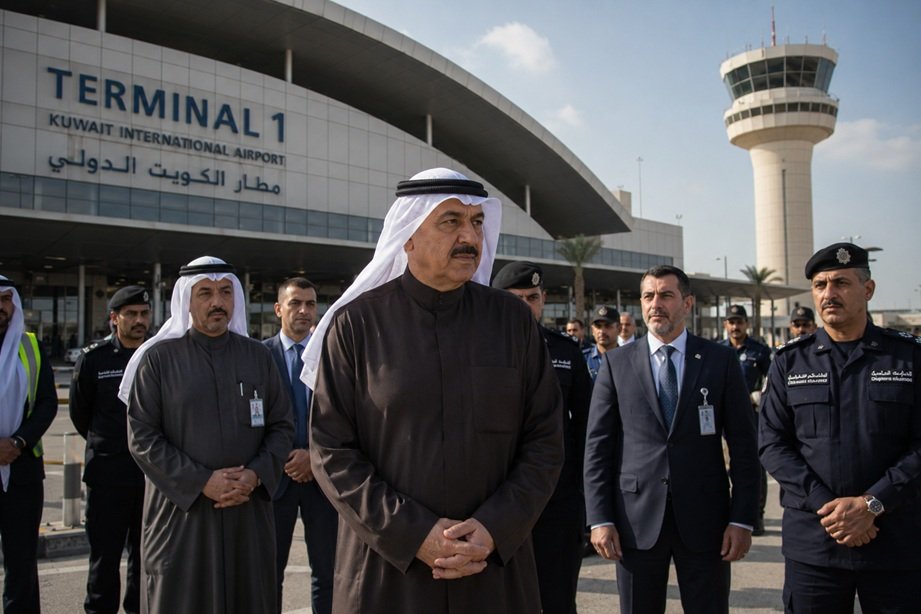
The inspection of Terminal 1 by the Prime Minister of Kuwait constituted a pivotal moment in the nation’s reaction to a critical aviation security incident. By personally assessing the damage, evaluating the recovery status, and stressing safety, the government conveyed its commitment to reinstating airport activities and safeguarding national infrastructure.
As progress is made in repairs and security protocols are refined, Kuwait International Airport stands as a testament to the nation’s resilience. The insights gained from this occurrence will probably impact future strategies for aviation planning, emergency readiness, and infrastructure safeguard practices for years to come.
The visit by the Kuwait Prime Minister to the airport represents a crucial step in the nation’s continuous work to restore, reconstruct, and enhance one of its key transportation facilities. Recent updates suggest that the work on repairs, safety assessments, and the revival of operations is moving forward consistently, instilling hope for the complete recovery of the airport in the near future.