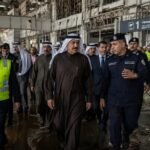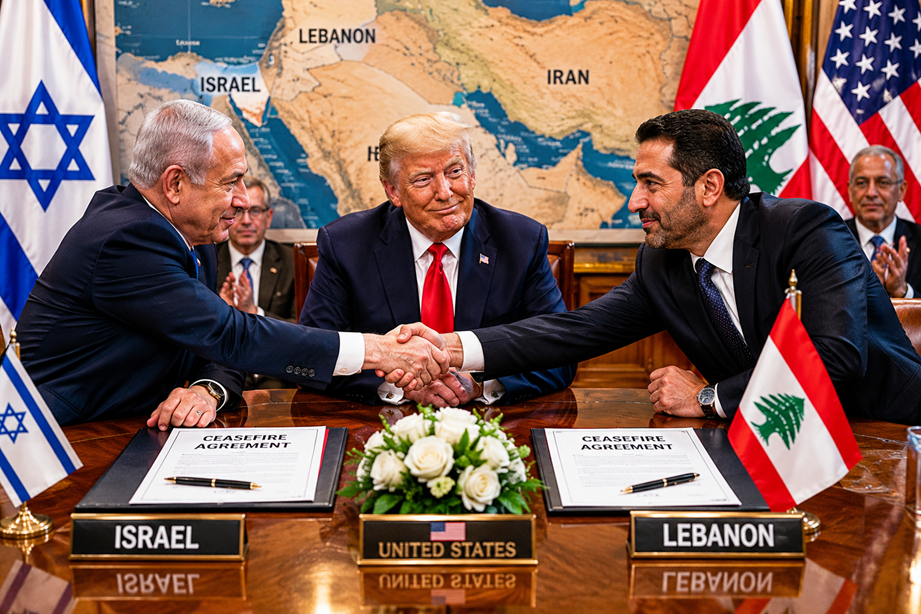

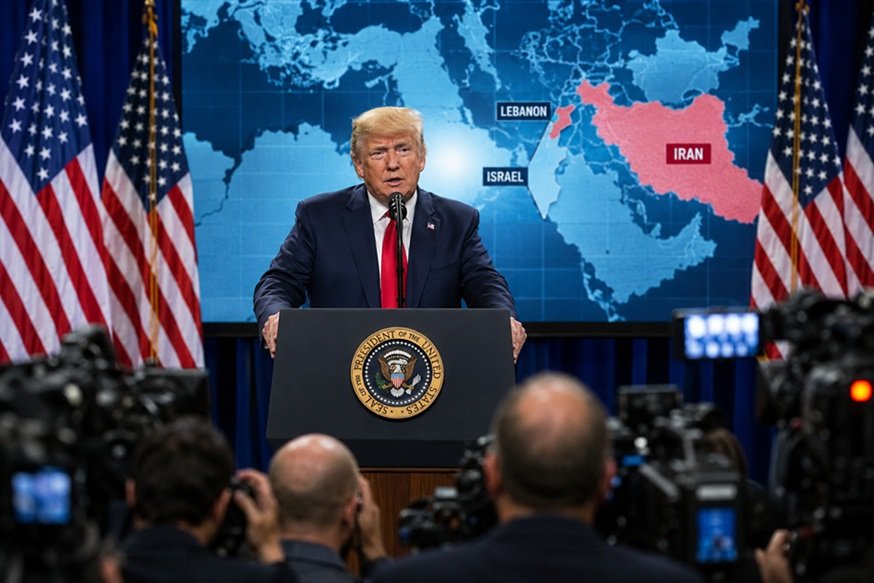
The Middle East experienced another significant shift in diplomatic relations after President Donald Trump of the United States stated that Israel and Hezbollah have concurred to cease fighting, while discussions relating to Iran are proceeding at what he termed a “rapid pace.” This revelation comes amid heightened regional tensions, as global markets remain vigilant, and international leaders are in search of ways to achieve stability.
For several months, the situation involving Israel, Hezbollah, and Iran has brought about uncertainty throughout the Middle East. Military actions, diplomatic dialogues, and efforts at international mediation have all influenced the current climate. Trump’s recent remarks indicate that diplomatic negotiations behind the scenes may be yielding some progress, even though substantial obstacles still exist before enduring peace can be realized.
A Key Diplomatic Announcement
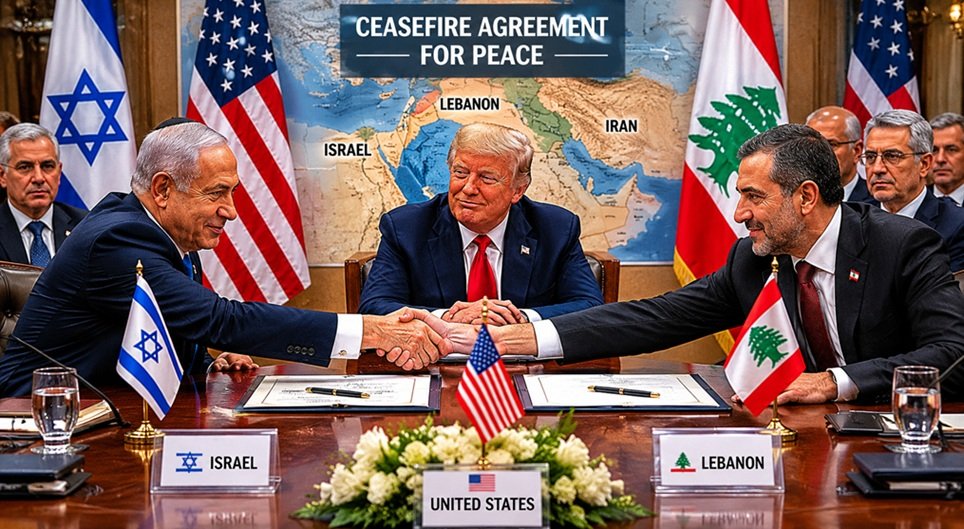
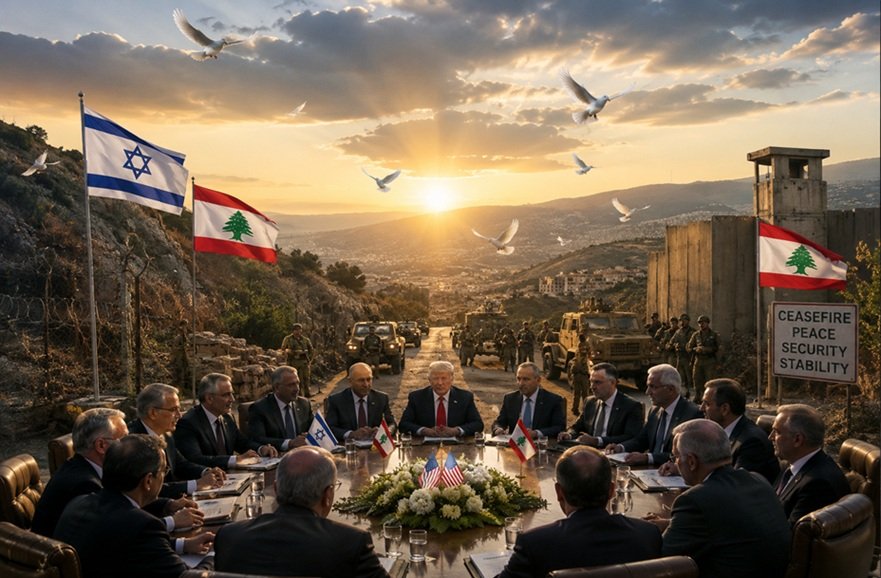
The announcement regarding the Trump Israel Hezbollah Ceasefire developed after a series of discussions that included Israeli officials, Lebanese mediators, and U.S. delegates. Reports suggest that Trump mentioned Hezbollah had conveyed, through intermediaries, its intention to halt attacks on Israel, and in return, Israel consented to lessen its planned military actions aimed at Beirut.
This event is particularly significant given that engagement, whether direct or indirect, between U.S. presidents and Hezbollah has been historically infrequent, primarily due to the organization’s classification as a terrorist group by the United States. Consequently, Trump’s statement quickly garnered global interest.
Analysts characterized this development as a potentially pivotal move towards diminishing violence that has led to the displacement of many civilians and heightened fears of an enlarged regional conflict.
Context of the Israel-Hezbollah Conflict
To appreciate the importance of recent events, it is essential to look at the historical background of the ongoing escalation.
The discord between Israel and Hezbollah has profound historical antecedents. Over the years, both parties have experienced intermittent confrontations, encompassing border skirmishes to extensive military operations. However, the current conflict is deeply intertwined with broader regional tensions related to Iran.
The preceding months have featured:
- Escalating rocket and drone strikes
- Israeli military activities in Lebanon
- Rising concerns regarding regional escalation
- International appeals for restraint
- Diplomatic initiatives involving multiple nations
These events fostered an atmosphere where any significant progress in negotiations would carry considerable geopolitical consequences.
How the Ceasefire Proposal Developed
The Trump Israel Hezbollah Ceasefire initiative seems to have unfolded through various negotiation phases.
Diplomatic sources indicate that U.S.-endorsed proposals concentrated on establishing mutual commitments. Hezbollah would refrain from assaults on Israeli territory, and Israel would halt attacks on critical locations in Lebanon, including the southern suburbs of Beirut. Lebanese officials publically expressed support for such arrangements as part of a wider strategy to stabilize the region.
Hezbollah’s Stance
Reports suggest that representatives from Hezbollah backed an extensive ceasefire framework that would encompass all Lebanese land. The organization asserted that any enduring agreement would need to consider the ongoing military activities and security issues.
Israel’s Stance
Israeli leaders indicated their readiness to decrease certain military operations while ensuring the fulfillment of security objectives. Officials emphasized that any break in hostilities would hinge on the cessation of attacks on Israeli communities as well.
The contrasting priorities reveal why negotiations remain intricate, notwithstanding encouraging statements.
Iran Remains Key to Regional Diplomacy
While news coverage highlighted the announcement of a ceasefire, another significant aspect of Trump’s statement included the ongoing discussions with Iran.
Trump mentioned that negotiations with Tehran were proceeding swiftly, even though there were reports indicating that communication channels might have been interrupted. His comments were at odds with assertions from Iranian sources, which suggested that some indirect talks had halted following recent events in Lebanon.
This apparent discrepancy illustrates the intricate nature of international diplomacy, where public announcements and behind-the-scenes negotiations frequently operate on different levels.
Why Iran Is Important
Iran holds a vital position in the larger regional context due to:
- Its status as a prominent regional force
- Its connections with various groups throughout the Middle East
- Its ongoing interactions with the United States
- Its choices that impact regional security situations
- The close observation of its activities by energy markets
Consequently, advancements in discussions between the U.S. and Iran could greatly influence the prospects for stability in the region.
Diplomatic Obstacles Still Present
Even with the hopeful tone surrounding the announcement, analysts warn that ceasefires are generally simpler to declare than to maintain.
Past agreements encountered numerous challenges because of:
- Distrust among the parties involved
- Concerns regarding security
- Political influences
- Divergent strategic goals
- Competition among regional powers
Recent information also suggested that military operations persisted in certain areas after ceasefire declarations, raising doubts concerning the effectiveness of implementation and enforcement measures.
Ensuring Compliance
For a ceasefire to be effective, it usually requires several essential components:
- Establishing clear communication pathways
- Implementing verification methods
- Involving international mediation
- Securing political dedication
- Providing swift reactions to breaches
In the absence of these components, even well-meaning accords can quickly fall apart.
Impact on Lebanon
Lebanon has endured significant hardship due to the recent conflict.
Throughout the nation, communities have experienced displacement, economic struggles, damage to infrastructure, and persistent instability. Any decrease in violence could offer essential relief for civilians and create chances for recovery initiatives.
Thus, Trump’s announcement regarding the Israel-Hezbollah ceasefire holds importance not just for the politics of the region but also for the lives of ordinary individuals affected by months of turmoil.
Humanitarian Issues
Humanitarian groups continue to stress the importance of:
- Safeguarding civilians
- Ensuring access to healthcare
- Restoring vital services
- Facilitating the safe return of displaced families
- Providing long-term reconstruction support
A sustained drop in hostilities could enhance the conditions for humanitarian efforts across the affected regions.
The U.S. Involvement in Mediation
The United States has historically been a pivotal player in Middle East diplomacy, and recent events highlight Washington’s ongoing influence.
Trump’s engagement shows how U.S. diplomatic efforts can direct negotiations among regional players. His interactions with Israeli leaders and indirect communications involving Hezbollah indicate a significant commitment to averting further escalation.
At the same time, American officials encounter the challenge of juggling various goals:
- Backing regional partners
- Avoiding broader conflict
- Retaining diplomatic power
- Addressing security issues
- Pursuing wider peace efforts
Successfully balancing these priorities presents one of the most challenging aspects of U.S. foreign policy in the region.
Market Responses to the Situation
Financial markets typically react swiftly to geopolitical events, particularly those concerning the Middle East.
After news of decreased tensions, investors paid close attention to the prices of commodities and overall economic signals. Experts observed that the unpredictability linked to local conflicts may affect energy sectors, valuable metals, and worldwide investor attitudes.
The value of gold, often considered a secure investment amid turbulent times, mirrored the persistent uncertainty despite advancements in diplomatic negotiations.
Why Investors Are Observing
Primary issues include:
- Energy transport pathways
- Risks to regional safety
- Disturbances in trade
- Inflationary pressures
- Stability of the global economy
Any enduring advancement in local relations could foster increased confidence in the markets.
International Responses
Nations across the globe have expressed support for initiatives aimed at lessening violence while advising caution with respect to expectations.
Leaders in Europe, local governments, and global organizations persist in advocating for lasting political solutions rather than temporary ceasefires. Numerous diplomats contend that achieving long-term peace necessitates tackling the root causes that have perpetuated cycles of conflict.
The global community widely concurs that ongoing dialogue is preferable to military intensification.
Could This Lead to an Expansive Peace Initiative?
A key inquiry regarding the Trump Israel Hezbollah Ceasefire is whether it could serve as the groundwork for broader diplomatic advancement.
Past experiences indicate that localized ceasefires can occasionally open doors for wider negotiations. As violence diminishes, political leaders frequently find themselves with more opportunities to pursue diplomatic strategies that would face challenges amid ongoing fighting.
Possible topics for future negotiations encompass:
- Border security agreements
- Regional de-escalation strategies
- Economic collaboration
- Humanitarian efforts
- Frameworks for long-term conflict resolution
It remains unclear whether present developments will progress into a broader peace initiative, but numerous observers regard the recent announcement as a potentially significant opportunity.
Iran Negotiations: The Upcoming Major Challenge
While the ceasefire has garnered considerable attention, many experts argue that the outcomes of negotiations between the U.S. and Iran could ultimately hold even greater significance.
Trump’s statement that talks are proceeding swiftly hints at ongoing attempts to sustain diplomatic movement despite recent obstacles and divergences. At the same time, Iranian officials are reiterating their own needs and priorities.
Key Issues Under Consideration
Negotiators are reportedly concentrating on several essential matters:
- Security assurances
- Regional stability
- Economic factors
- Future diplomatic agreements
- Measures to build confidence
Advancements in these areas could greatly impact the future direction of relations in the Middle East.
What Lies Ahead?
The next several days and weeks will be vital in determining if recent diplomatic achievements can be maintained.
Several developments will warrant close scrutiny:
- Whether assaults remain on hold
- Reactions from regional players
- Advancements in U.S.-Iran discussions
- Efforts for international mediation
- Humanitarian situations in the area
It is anticipated that diplomats will continue their intensive efforts to avoid a resurgence of hostilities and to build on any beneficial momentum created by the latest announcements.
Conclusion
The news that Israel and Hezbollah have reached an agreement to cease hostilities signifies a potentially critical juncture in a region facing a complex crisis. Although challenges persist and skepticism is justifiable, the chance for diminished violence brings hope to civilians who have endured months of conflict.
Concurrently, ongoing discussions involving Iran are continuing to influence the wider diplomatic context. Trump’s assertion that talks are advancing quickly underscores the necessity for sustained engagement, even in the face of discord and uncertainty.
Whether these events will signify the onset of a lasting change or merely a brief pause will hinge on the actions taken in the forthcoming weeks. For the moment, global observers are focused intently as diplomats, political figures, and local stakeholders strive to convert fragile progress into a more stable future for the Middle East.