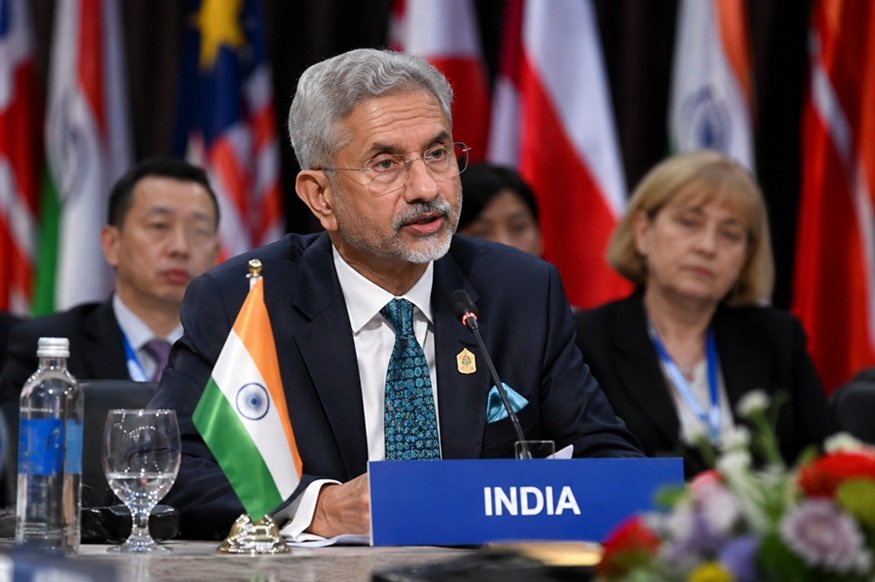

India’s choice to keep acquiring Russian crude oil has again sparked significant global discussion. The conversation heated up after External Affairs Minister S. Jaishankar ardently supported New Delhi’s energy strategy during recent meetings in Europe, asserting that India’s decisions are driven by national interests, price considerations, and energy security rather than external political pressures.
Jaishankar’s recent comments highlighted that India’s intake of Russian oil increased following the Ukraine crisis because it was accessible, economical, and essential for ensuring stability in domestic energy sectors. He also disclosed that the United States had urged India to procure Russian crude in 2022 to help stabilize worldwide oil prices amid significant disruptions.
This matter extends beyond mere oil transactions. It signifies India’s wider foreign policy stance, its economic objectives, and its resolve to uphold strategic independence in an ever-polarized world. As governments across Europe and North America persist in deliberating sanctions and energy strategies, India has continually stressed that its primary obligation is towards its populace and economic advancement.
This article investigates the motives behind India’s stance, the geopolitical ramifications, and the reasons why the issue of Russian oil continues to be crucial for global energy sectors.
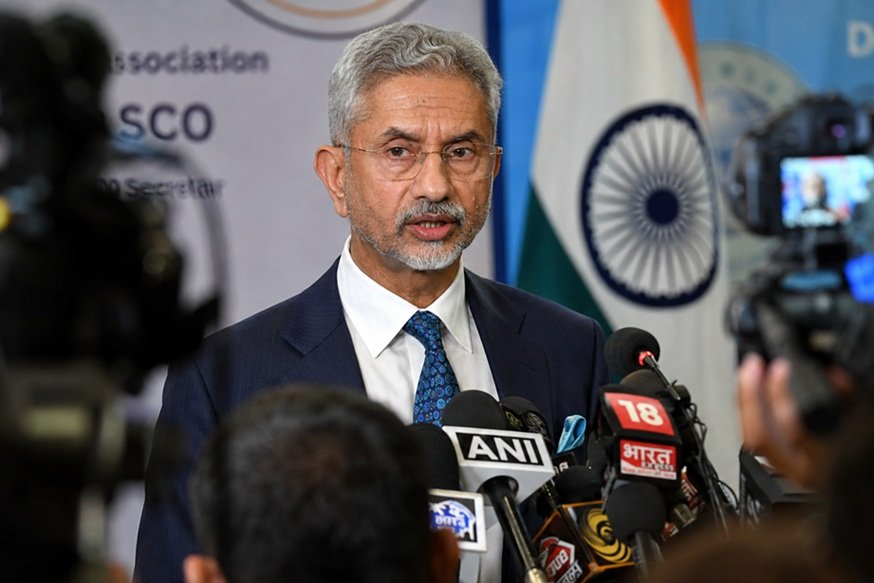
The Context of India’s Russian Oil Acquisitions
Before the onset of the Ukraine crisis, Russia was not the leading oil provider for India. Traditionally, India sourced significant amounts of crude oil from Middle Eastern nations like Saudi Arabia, Iraq, and the UAE.
However, the worldwide energy scenario shifted dramatically in 2022. Western sanctions imposed on Russia transformed global supply networks, creating avenues for nations ready to acquire Russian crude at lower prices. These reductions became appealing for India, which fulfills over 80 percent of its crude oil requirements through imports.
As international oil prices escalated, Indian refiners commenced obtaining greater amounts of Russian crude due to the considerable cost benefits it provided compared to other sources. This enabled India to cope with inflationary challenges and lessen the financial strain on consumers and businesses.
The shift occurred swiftly. Russia became one of India’s key energy suppliers, significantly altering the composition of the country’s oil imports.
Why Jaishankar Supports Purchasing Russian Oil
The main point articulated by India’s foreign minister revolves around the need for energy security and economic necessity.
Jaishankar asserts that governments must ensure their citizens have access to affordable energy. In his recent statements, he mentioned that India makes oil purchases based on price and availability rather than political factors. He noted that conditions in global markets compelled India to rely on Russian crude as other established suppliers became pricier or less available.
Addressing criticism from Western countries, he pointed out what he referred to as inconsistencies in global approaches to energy trade and sanctions. He contended that many nations reproaching India have similarly adopted policies rooted in their economic interests when deemed appropriate.
For India, the rationale is clear:
Key Reasons
- Accessible energy drives economic development.
- Reduced oil prices assist in controlling inflation.
- Energy security is a national priority.
- Varied suppliers lessen reliance on any single region.
These elements clarify why Jaishankar supports the importation of Russian oil even amidst ongoing global scrutiny.
Energy Security Remains a Major Concern for India
India ranks as one of the most rapidly advancing significant economies worldwide. To sustain economic growth, a reliable supply of energy, particularly crude oil, is vital.
Any interruption in supply or a major spike in prices can impact transport, manufacturing, agriculture, and household costs. Thus, policymakers consider a steady energy supply crucial for national progress.
The government has always maintained that energy-related choices must prioritize India’s interests. Officials have consistently emphasized that oil buying decisions are based on economic feasibility and national needs rather than outside political influences.
In practical terms, the availability of discounted Russian crude oil has allowed Indian refiners to cut expenses and enhance profit margins. These advantages have provided some insulation for the domestic economy against fluctuations seen in global energy markets.
Strategic Independence in Foreign Relations
Strategic autonomy is a core principle in Indian foreign diplomacy.
Historically, India has steered clear of overly aligning with any single geopolitical faction. Rather, its goal is to foster positive engagements with various nations while ensuring it retains the ability to make independent choices.
This ideology is reflected in India’s interactions with Russia, the United States, Europe, and other worldwide powers. New Delhi collaborates with diverse partners on various matters while avoiding obligations that could restrict its policy autonomy.
The discussion around Russian oil exemplifies this stance effectively. While India keeps robust connections with Western countries, it has also sustained long-time associations with Russia. Officials assert that these alliances can coexist without conflict.
Recent remarks by Jaishankar reaffirmed that India’s foreign policy choices stem from national interests rather than outside pressures.
The Function of Global Oil Markets
To grasp India’s stance, it is essential to look at the dynamics of global oil markets.
Oil transactions occur on an international scale, and prices are shaped by factors such as:
Factors Affecting Oil Prices
- Availability
- Demand
- Geopolitical conflicts
- Sanctions
- Shipping costs
- Production rates
When sanctions affected Russian exports, there was considerable market volatility.
During that period, discounted Russian oil became available for those willing to engage in the trade. India identified a chance to obtain affordable energy sources while ensuring economic stability.
Interestingly, Jaishankar recently mentioned that the United States had specifically urged India to buy Russian oil in 2022 as a means to stabilize global energy markets. This disclosure introduced an extra layer to the discussion by suggesting that powerful nations acknowledged the need to avert significant oil supply disruptions.
This statement contested oversimplified narratives that view the issue strictly through a geopolitical perspective.
European Criticism and India’s Rebuttal
A recurring point in Jaishankar’s statements has been his reactions to critiques from European nations.
He contended that certain European countries doubt India’s energy decisions while they themselves pursue their own strategic and economic goals in other domains. In his most recent comments, he highlighted European defense exports that have historically impacted India’s security situation.
His overarching message was that nations typically make choices based on their national interests, and India should not be regarded any differently.
This viewpoint resonates with numerous analysts who perceive international affairs as primarily influenced by pragmatic factors rather than lofty ideals. It also symbolizes the increasing assertiveness in Indian foreign policy as the nation steps into a more significant position on the world stage.
Jaishankar’s defense of Russian oil purchases through economic and strategic reasoning instead of ideological motives has become a hallmark of India’s diplomatic communication.
Economic Advantages for India
Apart from geopolitical factors, there are real economic benefits tied to purchasing oil at discounted rates.
Cheaper crude can deliver several advantages:
Economic Benefits
- Lower costs for imports.
- Better profit margins for refineries.
- Increased adaptability in fuel pricing.
- Boosted competitiveness for Indian businesses.
These benefits are especially crucial during times of global inflation and economic instability.
Indian leaders have consistently emphasized that accessible energy is a vital contributor to economic advancement. Given the nation’s developmental goals and large population, the affordability of energy remains a key concern.
Consequently, economic factors consistently play a significant role in influencing India’s energy policies.
Russia’s Role in India’s Energy Supplies
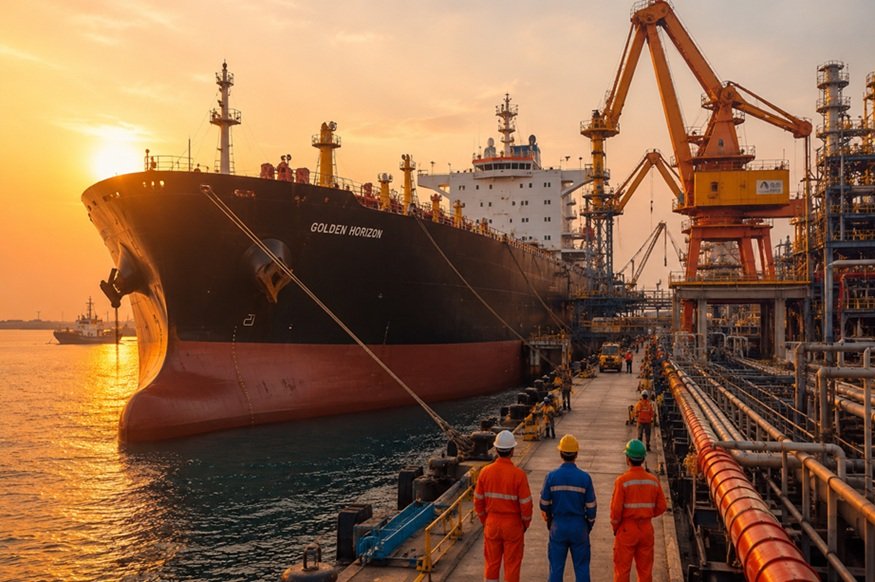
In recent years, Russia has emerged as an increasingly vital energy supplier for India.
This partnership is founded on shared goals. Russia aims to establish stable markets for its exports, while India looks for dependable and affordably sourced energy.
While India is broadening its sources of imports, crude oil from Russia continues to be a significant part of its energy strategy. Analysts typically anticipate that this partnership will persist as long as economic conditions are advantageous.
Simultaneously, India has worked to avoid total reliance on a single source, maintaining imports from the Middle East, Africa, and other areas.
This varied strategy aids in minimizing risks and aligns with long-term energy security ambitions.
The Evolving Stance of Western Nations
One reason the discussion remains contentious is the belief that Western attitudes toward Russian oil have shifted over time.
Jaishankar has recently pointed out that sanctions and trade regulations frequently change based on national interests instead of established principles. He remarked that nations might enforce restrictions, alter them, or lift them based on strategic factors.
This insight underscores the intricacies of global energy diplomacy.
Governments often juggle conflicting priorities such as:
- Economic stability
- Diplomatic goals
- Energy security
- Domestic political factors
As situations evolve, policies tend to adapt in response.
India contends that it is merely adhering to the same rationale by focusing on its national needs.
Implications for India’s Global Standing
The issue of Russian oil has emerged as a representation of India’s increasing self-assurance in global matters.
Rather than defensively reacting to criticism, Indian officials are more frequently expressing their views with clarity and determination. The communications from the government underscore independence, practicality, and national interests.
This strategy mirrors India’s wider ambitions as a significant global power. By fostering relationships with various partners and adopting an autonomous foreign policy, New Delhi aims to enhance its strategic choices in a swiftly changing environment.
The discussion has also showcased India’s readiness to resist outside pressure when fundamental economic interests are at stake.
For numerous analysts, this marks a notable shift in India’s diplomatic stance.
Looking Ahead for India’s Oil Policy
In the future, India’s energy strategy is likely to center on three primary goals:
Core Energy Goals
- Energy security
- Diversification of supply sources
- Cost-effectiveness
Crude oil from Russia will likely continue to play a crucial role as long as it is economically viable and readily available. Concurrently, India will keep strengthening connections with traditional suppliers in the Middle East while seeking new avenues in other regions.
Global energy markets are unpredictable, necessitating adaptive policymaking in response to changing conditions. Whether oil is sourced from Russia, the Middle East, Africa, or the Americas, India’s main aim will continue to be securing dependable supplies at favorable prices.
Recent comments from government officials indicate that upcoming purchasing choices will be influenced by commercial practicality and national interests rather than outside pressure.
Conclusion
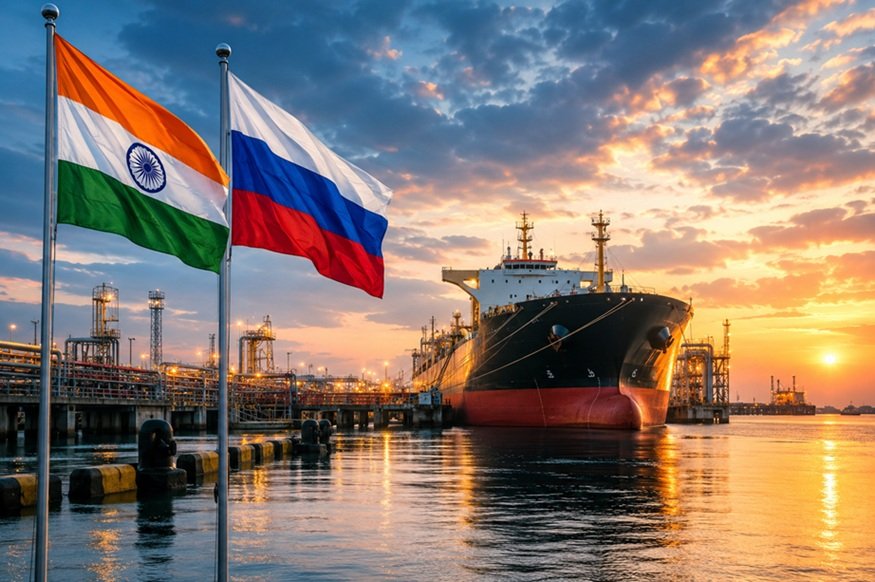
The debate surrounding Russian oil imports extends beyond mere energy commerce. It raises issues regarding sovereignty, economic growth, diplomacy, and the evolving power dynamics in global relations.
When Jaishankar advocates for Russian oil, he simultaneously supports India’s overarching principle of strategic independence. His viewpoint emphasizes that governments should focus on the needs of their citizens, guarantee accessible energy resources, and base their choices on practical conditions instead of external pressures.
India’s ongoing acquisition of Russian crude is driven by a blend of economic rationale, energy safety issues, and autonomous foreign policy perspectives. Regardless of whether critics agree or disagree, the stance of the nation is unmistakable: national priorities will persist as the driving force behind its choices.
As global energy markets change and geopolitical conflicts continue, India’s strategy regarding Russian oil will serve as a significant example of how rising nations deal with intricate global issues while striving for their own developmental objectives.