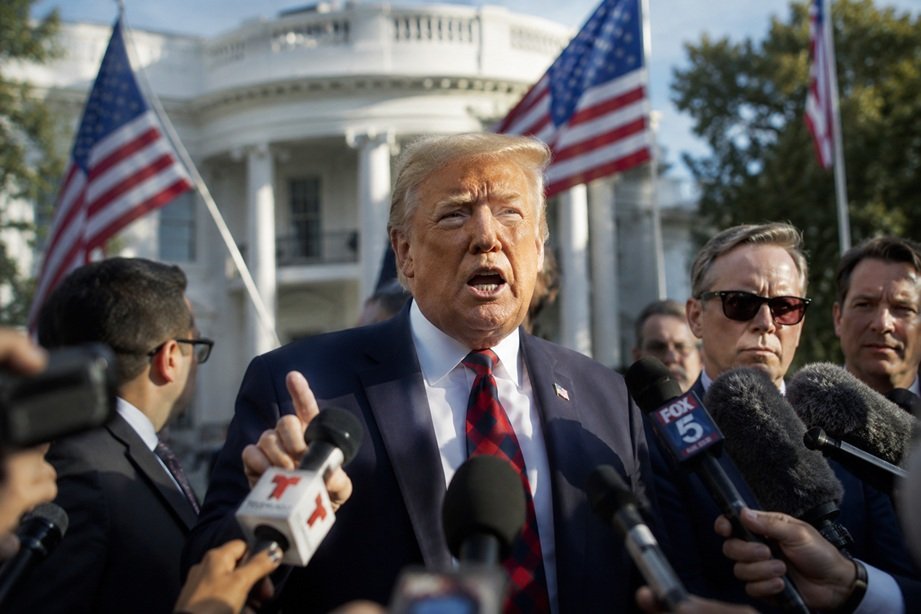

Recent events in Washington and the Middle East have escalated the political discourse surrounding the United States’ involvement in regional conflicts. Former President Donald Trump has vocally condemned a Senate resolution aimed at curtailing presidential military powers concerning Iran, labeling it as “ill-timed and pointless.” Concurrently, Secretary of State Marco Rubio has attempted to reassure partners by affirming that the ceasefire talks in Lebanon are distinct from the ongoing negotiations related to a wider agreement with Iran.
This debate emerges at a pivotal time. Members of Congress are increasingly scrutinizing the powers held by the executive branch over military actions, while diplomatic initiatives continue to influence the trajectory of U.S.-Iran relations and the security landscape in the region. The mixture of domestic political strain and international diplomatic ambiguity has resulted in one of the year’s most closely monitored foreign policy narratives.
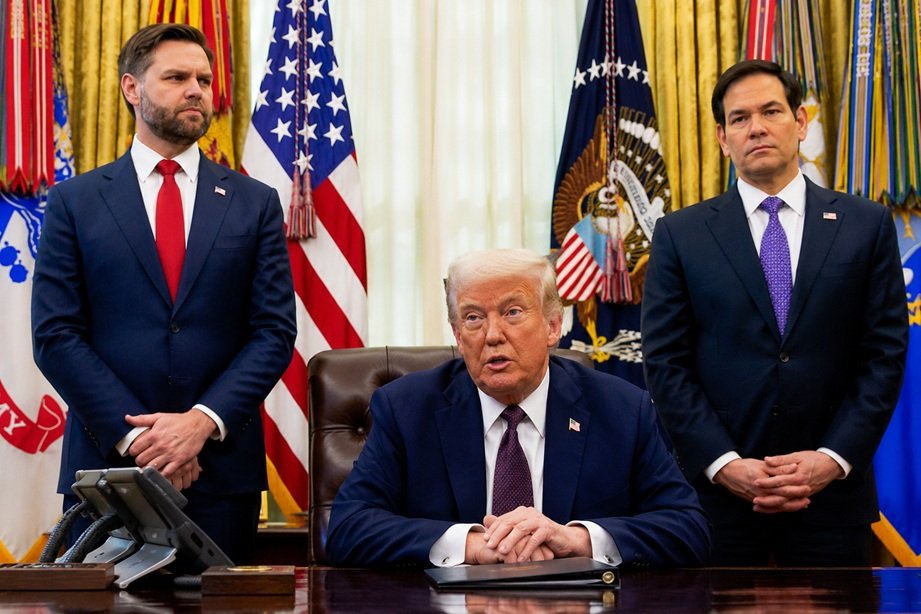
Grasping the Senate Decision on Iran
Recently, the Senate passed a resolution concerning war powers aimed at limiting additional military action against Iran without clear congressional consent. This measure was approved by a narrow margin and indicated rising apprehension among legislators about the scope of presidential military authority.
A group of Republican senators collaborated with Democrats in backing the resolution, illustrating a bipartisan sense of disquiet regarding the conflict’s trajectory. Although the measure primarily holds symbolic value and faces notable political challenges ahead, its approval conveys a powerful message about Congressional oversight of military endeavors.
The voting results also emphasize a longstanding constitutional discussion in American politics: who ultimately holds the authority to determine when and how the nation engages in military conflicts?
Reasons for Trump’s Rejection of the Resolution
The dispute concerning Trump’s stance on the Iran War Vote gained traction after he openly criticized the Senate’s decision. He asserted that lawmakers were undermining diplomatic initiatives during a delicate phase in negotiations with Iran.
Reports indicate that Trump considered the resolution ill-timed, arguing it could diminish America’s negotiating advantage and portray disunity to both global allies and rivals. He also reproached Republican senators for supporting the resolution, insinuating that their decisions hindered efforts to obtain a favorable resolution.
Advocates of Trump’s viewpoint argue that presidents need the agility to tackle rapidly evolving security threats. They maintain that congressional limitations could weaken the effectiveness of both diplomatic strategy and military deterrence.
On the other hand, detractors assert that Congress has a constitutional duty to supervise military involvement and ensure accountability when American troops are deployed overseas.
Overview of the Iran Conflict
To appreciate the importance of this discussion, one must review the wider context.
The U.S. involvement, along with Israel and Iran, has unfolded through various phases, encompassing military actions, diplomatic talks, ceasefire negotiations, and debates over regional security frameworks. This ongoing situation has significant implications for critical waterways like the Strait of Hormuz, a vital corridor for global energy distribution.
Throughout the duration of this conflict, policymakers have faced conflicting priorities:
Key Priorities
- Avoiding additional military escalation
- Safeguarding regional allies
- Ensuring freedom of navigation
- Contending with Iran’s nuclear aspirations
- Stabilizing energy markets
These aims have often been at odds with each other, hindering diplomatic advancements.
Rubio’s Stance on the Lebanon Ceasefire
As political debates raged in Washington, Secretary of State Marco Rubio set his sights on a distinct challenge: providing assurance to allies in the region.
Rubio has consistently emphasized that negotiations regarding Lebanon should not be mixed up with talks about Iran. He believes that the ceasefire in Lebanon has a particular aim and should not be tied to larger diplomatic negotiations.
This clarification is vital as various players in the region have sought to connect different conflicts. Historically, Iran has exercised influence through allied factions operating in numerous countries, including Lebanon.
Rubio’s perspective is clear: addressing the issues in Lebanon necessitates a specific diplomatic approach, even if related geopolitical matters persist in other areas.
The Significance of Lebanon
Lebanon holds a pivotal role in the security dynamics of the Middle East.
The nation has faced recurring bouts of instability due to conflicts involving Israel and Hezbollah. Any ceasefire agreement reached in Lebanon has ramifications not just for local populations but also for broader regional stability.
Recent developments show that ceasefire agreements are already encountering difficulties, with allegations of breaches and worries about potential escalations. Such occurrences highlight how delicate these arrangements can be.
For diplomats, ensuring stability in Lebanon is deemed crucial for averting a wider regional crisis.
Hezbollah’s Influence
One of the primary factors affecting the ceasefire is Hezbollah.
This organization is closely connected to Iran and significantly impacts Lebanon’s security framework. Consequently, many analysts contend that it is impossible to entirely dissociate Lebanese events from Iranian strategies.
Conversely, some argue that having separate negotiation paths could present better chances for meaningful advancements.
This contention is central to ongoing diplomatic dialogues.
Congress’s Perspective on the Situation
The debate regarding the Trump Iran War Vote has revealed substantial rifts within Congress.
Numerous legislators argue that military actions should not proceed without clear authorization from elected officials. They reference constitutional principles that bestow Congress with the power to declare war.
Proponents of the resolution maintain that unchecked powers of the executive branch can lead to protracted conflicts without adequate public accountability. They also highlight the financial and human costs tied to military interventions.
Conversely, opponents argue that national security matters often necessitate the swift and flexible decision-making that congressional processes cannot offer.
The outcome is a persistent political struggle between the authority of the executive and the oversight of the legislature.
Global Reactions
International governments have been closely monitoring the ongoing debate.
Allies in the Gulf region have expressed worries about the long-term effects of any agreements with Iran. Some administrations fear that concessions may bolster Tehran’s influence throughout the Middle East.
At the same time, European partners continue to advocate for diplomatic efforts that minimize the likelihood of renewed hostilities.
The global community generally seeks stability, especially since regional tensions have repeatedly impacted global energy markets, shipping lanes, and economic development.
The Diplomatic Tightrope
The Trump Iran War Vote discourse is taking place alongside intricate diplomatic negotiations.
U.S. Officials Are Required To:
- Provide reassurance to regional partners
- Navigate domestic political pressures
- Retain leverage in discussions
- Avert military escalation
- Safeguard economic interests
Balancing these goals proves to be extremely challenging.
Every comment from those in power can sway discussions, financial markets, and military decisions.
This is part of the reason Trump claimed that the timing of congressional actions was inappropriate. His backers argue that public disputes diminish the United States’ strength during crucial negotiations.
The Economic Aspect
In addition to politics and security, the economy holds significant importance.
The Strait of Hormuz stands as one of the world’s critical routes for oil transportation. Any interruption could impact global energy costs and supply chains. Previous episodes of conflict have created instability in energy markets and sparked worries among companies around the globe.
Investors, governments, and consumers all have vested interests in the negotiation outcomes.
A stable resolution could enhance market confidence, while a resurgence of conflict might lead to considerable instability.
Difficulties Encountered by Negotiators
Those involved in the negotiations face a myriad of challenges.
Distrust persists between the United States and Iran. Longstanding grievances, sanctions, safety concerns, and conflicting regional priorities continue to hinder discussions.
Other Hurdles Consist Of:
- Confirmation of agreements
- Security assurances for the region
- Future discussions on nuclear matters
- Measures for reducing military tensions
- Relations with partner nations
These challenges cannot be swiftly solved.
Consequently, even hopeful observers recognize that negotiations might necessitate prolonged efforts over a significant timeframe.
Is Diplomatic Effort Viable?
The success relies on various elements.
Firstly, all relevant parties must see advantages in reaching an agreement. Secondly, regional players should refrain from any actions that could disrupt discussions. Thirdly, domestic political dynamics in various nations must stay under control.
Recent diplomatic initiatives indicate that leaders still recognize the importance of seeking negotiated solutions despite ongoing conflicts.
Whether these initiatives will ultimately lead to a sustainable agreement remains unclear.
Political Implications for Trump
The controversy surrounding Trump’s vote on the Iran War might also impact politics at home.
When military conflicts arise, foreign policy frequently turns into a key topic in campaigns. Trump’s actions reveal his intent to steer the conversation regarding negotiations and matters of national security.
His supporters interpret his disapproval of the Senate resolution as a mark of strong leadership and resolve.
Conversely, his adversaries argue that this situation showcases the need for increased congressional oversight.
As negotiations progress and legislators evaluate upcoming changes, the discussion is set to persist.
Media Attention and Public Opinion
Interest from the public on this topic remains significant.
Americans are closely monitoring issues related to military involvement, diplomatic arrangements, and constitutional powers. Surveys and political analyses indicate that voters are split on how the United States ought to handle conflicts in the Middle East.
Coverage In The News Has Centered Around Three Main Issues:
- Oversight by Congress
- Trump’s response to the Senate’s vote
- Rubio’s stance on negotiations regarding Lebanon
Collectively, these subjects have contributed to the public’s comprehension of the wider narrative.
What Happens Next?
The prospects for the ongoing conflict and associated negotiations are unclear.
Congress may keep pursuing oversight initiatives. The administration is anticipated to continue diplomatic engagement with partners in the region. Meanwhile, events in Lebanon could challenge efforts to maintain distinct negotiations effectively.
Multiple Possible Outcomes Exist:
- A more comprehensive diplomatic arrangement with Iran
- Ongoing ceasefire agreements in Lebanon
- Further action from Congress
- Renewed tensions in the region
- Prolonged negotiations without a conclusive resolution
Each of these possibilities has important consequences for stability within the region and international relations.
Conclusion
The controversy regarding Trump’s vote on the Iran War illustrates the convergence of domestic politics, constitutional powers, and international diplomacy. Trump’s critique of the Senate resolution accentuates ongoing discussions about presidential authority, while Rubio’s determination to keep Lebanon ceasefire discussions distinct highlights the intricacies of negotiations in the Middle East.
As lawmakers, diplomats, and leaders within the region continue to navigate these complexities, the results will influence not only U.S.-Iran relations but also the wider security landscape throughout the Middle East. Currently, both the political struggle in Washington and foreign diplomatic initiatives remain unresolved.