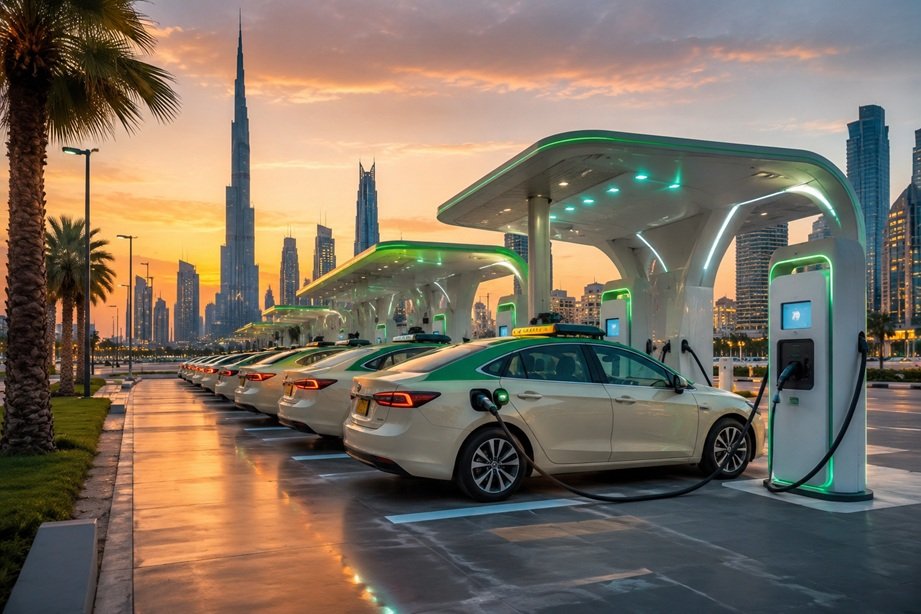

Dubai has never been shy about embracing the future. From autonomous transport trials to smart city initiatives, the emirate has consistently positioned itself as one of the world’s leading innovation hubs. Its latest step toward cleaner mobility is the creation of a dedicated electric vehicle charging network designed specifically for taxi operations.
The announcement marks a significant milestone because charging infrastructure has long been one of the biggest challenges for commercial electric fleets. By establishing specialized ultra-fast charging hubs, Dubai aims to reduce charging times, improve fleet efficiency, and accelerate its transition toward low-emission transportation. The initiative is part of a broader collaboration between the Dubai Electricity and Water Authority (DEWA) and Dubai Taxi Company (DTC), supporting Dubai’s sustainability ambitions and long-term transport strategy.
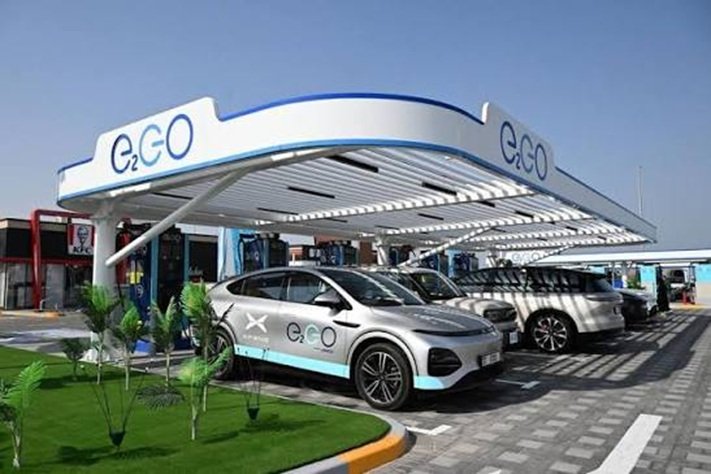
Dubai’s Journey Toward Sustainable Mobility
Over the past decade, Dubai has steadily expanded its investment in electric mobility. Government agencies have introduced policies encouraging EV ownership while simultaneously expanding public charging infrastructure.
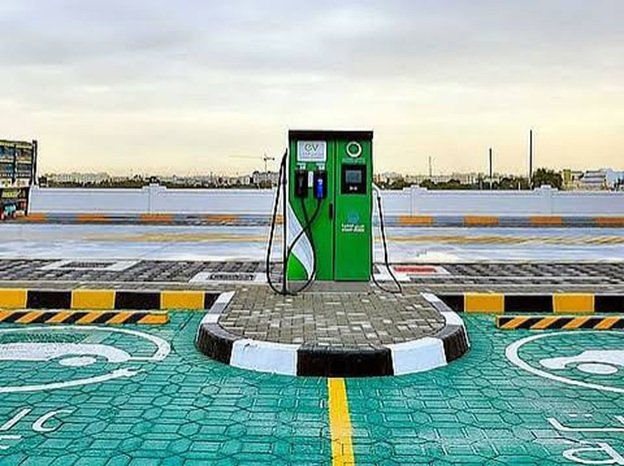
The launch of the EV Green Charger initiative was one of the first major steps. Since then, the number of charging stations has grown significantly, making electric vehicle ownership more practical for both residents and businesses. Today, Dubai continues expanding this network while introducing regulations that encourage private investment in charging infrastructure.
Unlike private motorists, however, taxi operators require infrastructure capable of supporting vehicles that spend most of the day on the road. Even short charging delays can reduce operational efficiency and customer service.
That is where the Dubai Taxi EV Hub plays an important role.
Why Dedicated Charging Matters for Taxi Fleets
Commercial taxis operate under very different conditions compared to privately owned cars.
A private EV may only require charging every few days, while taxis can cover hundreds of kilometres daily. Fast turnaround becomes essential to maintain availability throughout the day.
Dedicated charging hubs provide several important benefits:
- Reduced waiting time for drivers
- Faster battery replenishment
- Improved fleet scheduling
- Lower operational costs
- Better passenger availability
Instead of competing with public charging stations, taxi operators gain access to purpose-built facilities that are designed around commercial fleet requirements.
DEWA and Dubai Taxi Company Join Forces
The partnership between DEWA and Dubai Taxi Company represents one of the UAE’s largest commercial EV charging projects to date.
The agreement includes the deployment of 208 ultra-fast charging points across strategic locations in Dubai. These chargers will gradually support thousands of electric taxis as the company’s fleet expands during the coming years. Future expansion plans aim to increase charging capacity further as electrification accelerates.
Officials describe the project as an important contributor to Dubai Green Mobility Strategy 2030 and the UAE Net Zero ambitions.
Ultra-Fast Charging Technology
Unlike conventional public chargers, these facilities will feature next-generation chargers capable of delivering up to 360 kW of power.
Higher charging speeds mean taxis spend less time parked and more time transporting passengers.
For fleet operators, every minute saved translates into:
- Higher vehicle utilization
- Better revenue generation
- Lower downtime
- Improved customer experience
This operational advantage is one of the biggest reasons why dedicated commercial charging infrastructure is becoming increasingly important worldwide.
First Charging Locations Already Identified
The initial rollout focuses on two major operational centres used extensively by Dubai Taxi Company.
These include:
- DTC Depot near Dubai International Airport
- DTC Headquarters in Muhaisnah 4
Both locations were selected because they serve large numbers of vehicles throughout the day, allowing charging operations to be integrated directly into fleet management systems.
Supporting a Fully Electric Future
Dubai Taxi Company has outlined ambitious sustainability goals.
According to company plans, the fleet is expected to continue increasing its share of electric vehicles over the coming years while gradually replacing older combustion-powered vehicles.
The organisation has already reported that over 90% of its fleet consists of hybrid or electric vehicles, highlighting the rapid pace of its green transition. Long-term plans target complete electrification by 2040.
Economic Advantages Beyond Ecological Objectives
Although sustainability serves as a primary motivation for the investment, the established charging infrastructure also provides noteworthy economic benefits. Companies engaged in commercial transportation adhere to strict schedules, where each hour of vehicle readiness has a direct impact on earnings.
By minimizing the downtime involved in charging, the Dubai Taxi EV Hub facilitates an increased number of taxis operating during busy travel times. This results in enhanced efficiency for drivers, improved use of the fleet, and increased ease for passengers who depend on taxis on a daily basis.
Electric cars also present lower operational expenses when compared to traditional gas-powered vehicles. Due to having fewer mechanical components, the need for maintenance is typically less demanding, and electricity generally proves to be more economical than fuel over extended periods. When these savings are considered across thousands of vehicles, they become considerably more impactful.
Fleet managers can also maximize the insights acquired from interconnected charging systems. Intelligent scheduling assists in identifying optimal charging periods, tracking battery condition, and minimizing unnecessary energy usage.
Enhanced Fleet Oversight
Today’s charging infrastructure goes beyond merely providing power. It increasingly integrates into a smart transport network.
The latest charging stations are anticipated to work in conjunction with digital fleet management solutions that enable operators to:
Operators can:
- Observe charger availability instantly
- Plan charging sessions effectively
- Monitor energy usage
- Enhance vehicle distribution
- Refine maintenance strategies
These innovations aid in alleviating operational challenges while guaranteeing vehicle availability during peak passenger demand.
As such, the Dubai Taxi EV Hub signifies an investment not solely in charging technology but also in more efficient transport operations.
Supporting Dubai’s Climate Ambitions
Dubai has introduced several long-term sustainability projects targeted at decreasing greenhouse gas emissions while advancing renewable energy use and cleaner transportation methods.
The transport sector remains crucial in this shift, as road vehicles are a significant source of urban emissions.
Substituting conventional taxis with electric options furthers multiple strategic goals, which include:
Key benefits include:
- Diminished carbon emissions
- Less urban air contamination
- Quieter urban environments
- Enhanced energy efficiency
- Increased reliance on renewable electricity
These enhancements are in harmony with Dubai’s wider Green Mobility Strategy and the UAE’s pledge to reach Net Zero emissions by the year 2050. As more electric taxis are deployed, the environmental advantages will progress in tandem with the expansion of the charging infrastructure.
Passenger Experience Is Also Enhancing
The transition toward electric taxis encompasses more than just ecological concerns. Passengers are likely to observe significant enhancements during their rides.
Electric vehicles offer a quieter interior, more gradual acceleration, and less vibration compared to traditional fuel-operated taxis. These features contribute to a more enjoyable journey, especially during extended travels across the city.
The specialized charging infrastructure also aids in reducing service disruptions. Drivers face shorter waiting times for charging, resulting in a more reliable availability of taxis during peak travel hours.
For visitors coming to Dubai, this advancement strengthens the city’s reputation as a pioneer embracing innovation and sustainable urban growth.
How Commercial Charging Stations Differ
Public charging locations cater to diverse drivers, but commercial taxi services have specific needs.
Fleet charging hubs are designed to facilitate the constant movement of vehicles instead of just serving for sporadic charging intervals. These hubs usually encompass high-capacity chargers, several charging stations, and systems capable of supporting substantial daily operations.
A few elements set these specialized centers apart:
- High-capacity charging technology
- Exclusive access for fleets
- Shorter wait times
- Improved operational planning
- Centralized support for maintenance
This strategy allows fleet managers to effectively oversee numerous vehicles without adding strain on public charging systems.
As Dubai’s electric transportation framework continues to grow, similar dedicated centers could likewise be advantageous for buses, delivery vans, and corporate transportation fleets.
A Template That Other Cities Could Emulate
Cities across the globe are striving for cleaner transportation solutions, but expanding commercial electric fleets presents difficulties when adequate charging facilities are lacking.
Dubai’s recent endeavor illustrates the collaborative potential of governments and public organizations in addressing one of the most significant challenges in the sector.
By establishing specialized commercial hubs instead of solely depending on public charging locations, fleet operators can benefit from a stable operational framework. This model may appeal more to urban areas aiming to electrify taxi services while ensuring dependable passenger transportation.
With the increasing global need for electric mobility, such collaborations could become widespread in leading urban regions.
Obstacles That Still Require Focus
Despite the progress this project signifies, the shift to fully electric commercial transportation still faces numerous hurdles.
A swift expansion of fleets will necessitate ongoing investment in charging infrastructure, power supply, and battery advancements.
Fleet operators must also take into account:
- Battery replacement expenses
- Anticipated future charging needs
- Planning for grid capacity
- Driver education
- Upgrading technology
Tackling these aspects will be vital to guarantee that the charging network continues to foster fleet expansion in the upcoming decade.
Fortunately, Dubai has shown a robust dedication to investing in intelligent infrastructure, positioning itself well to tackle these challenges.
What This Indicates for the Future of Transport in Dubai
The establishment of a specialized charging network indicates that Dubai is progressing beyond pilot programs toward widespread electric mobility.
Rather than regarding electric vehicles as an exclusive technology, the city is constructing the necessary infrastructure to support regular commercial operations. This lays a more solid groundwork for the growth of electric transport in taxis, public transportation, and other mobility services.
The Dubai Taxi EV Hub also illustrates how sustainability can align with economic efficiency. Enhanced charging speed, reduced operational expenses, and cleaner transportation yield advantages for businesses, passengers, and environmental health alike.
As advancements in battery technology continue and charging networks evolve further, electric taxis are projected to take on a progressively vital role in Dubai’s transportation framework.
Conclusion
Dubai’s commitment to dedicated charging infrastructure represents a pivotal achievement in its quest to become one of the premier smart mobility cities globally.
By launching ultra-rapid charging facilities specifically crafted for taxi operations, the city is tackling one of the most substantial barriers to the adoption of electric fleets—reliable and efficient charging solutions.
The Dubai Taxi Electric Vehicle Hub showcases the ways in which specialized infrastructure can boost the efficiency of fleets, lower emissions, and simultaneously improve the experience for passengers. When paired with aggressive sustainability plans and ongoing funding for innovation, this effort reinforces Dubai’s status as a worldwide front-runner in eco-friendly urban transportation.
With an increasing number of electric taxis in operation and more charging stations being established, both locals and tourists can expect to enjoy peaceful, cleaner, and more effective travel throughout the emirate. This initiative transcends merely setting up charging points—it aims to create the groundwork for the future of sustainable public transportation.