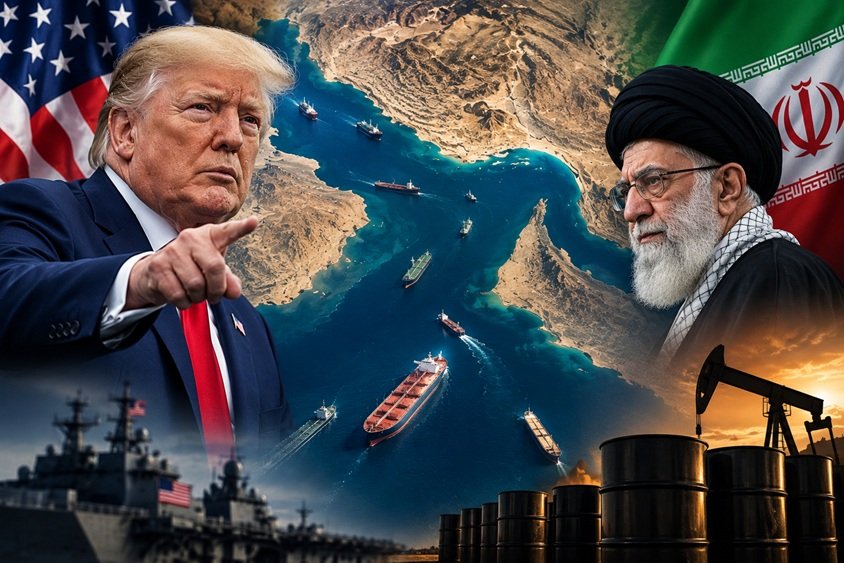

The recent tensions relating to Trump, Iran, and the Strait of Hormuz have escalated an already precarious confrontation into a more unpredictable phase. President of the United States, Donald Trump, characterized the Strait of Hormuz as a piece of “American territory” and reiterated his stance that Iran should never be permitted to develop nuclear weapons. These statements arise while the crucial waterway continues to be a focal point in the broader dispute between the U.S. and Iran.
These statements hold weight because the Strait of Hormuz is not just an ordinary body of water. It serves as a critical global energy chokepoint, connecting the Persian Gulf with the Arabian Sea and the Gulf of Oman. Any disruption in this area can swiftly impact oil markets, shipping operations, energy pricing, and economies far removed from the Middle East.
Trump’s recent declarations follow a period of increasingly aggressive remarks, military assertiveness, and stalled efforts at negotiation. Reports suggest that maritime traffic in the area has faced serious interruptions amid the conflict, adding an economic component to the ongoing security dilemma.
What Trump said about the Strait of Hormuz
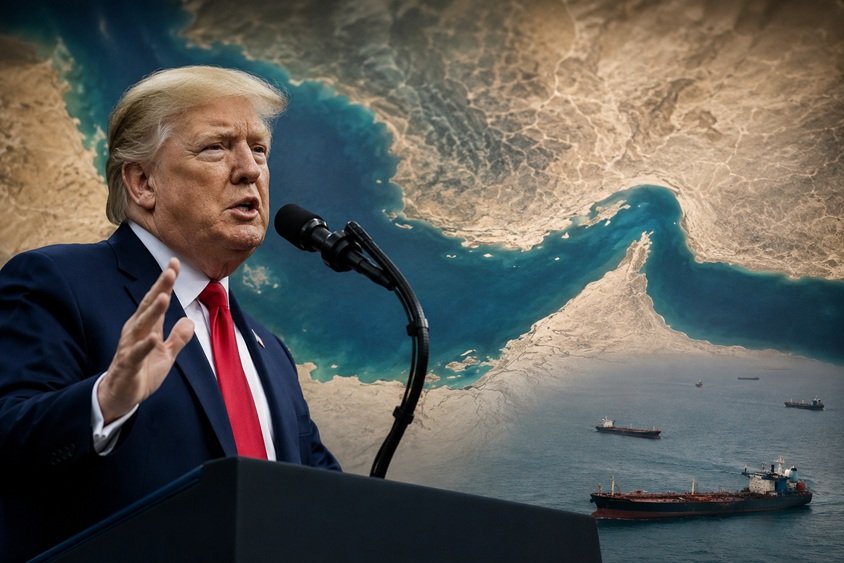
The fresh wave of tensions regarding Trump, Iran, and the Strait of Hormuz began garnering significant attention after Trump addressed a gathering in Myrtle Beach, South Carolina. He expressed that he considered the Strait of Hormuz as American territory and asserted that the United States maintained control over this essential passage.
Earlier in August, Trump had hinted at this idea; on August 14, he stated that he intended to declare the strait a U.S. territory soon after what he referred to as a victory over Iran.
This language marks a considerable increase in political rhetoric. The Strait of Hormuz is globally acknowledged as a vital maritime route, and Trump’s characterization of it as American territory does not, in itself, alter its established legal standing.
Why Hormuz matters so much
The significance of the Trump Iran Hormuz tensions becomes clearer when the geographical context is taken into account.
This waterway is situated between Iran and Oman and is a vital passage for energy shipments. Prior to the ongoing crisis, it facilitated a considerable share of the world’s oil transported by sea, with estimates generally indicating that it accounted for about one-fifth of global oil trade.
This situation means that any extended disruption could prove to be costly.
If commercial ships are unable to navigate the route safely, they may have to wait, change course, or undertake longer routes. This could lead to increased insurance costs, unpredictable delivery timelines, and swift reactions in energy markets due to concerns about future supply.
Consequently, the Strait of Hormuz has transformed into more than just a military or diplomatic topic. It has emerged as a significant economic pressure point.
Iran rejects Trump’s claim
Iran has firmly dismissed the American portrayal of the waterway. Iranian officials have labeled Trump’s remarks as unrealistic and insisted that Iran maintains considerable influence over maritime movement.
The response demonstrates the stark contrast in perspectives between the two parties. Washington frames its stance as a move to ensure safe shipping and thwart Iran’s strategic advantages, while Tehran contends that the United States is trying to enforce new terms via military and economic pressures.
Kazem Gharibabadi, Iran’s Deputy Foreign Minister, openly rebuked Trump’s statements, and other Iranian officials asserted that the US assertion of dominance does not align with the actual situation.
Thus, the conflict is characterized by two opposing narratives:
- American assertions of dominance
- Iranian claims that the waterway is still within its sphere of influence
The warning regarding nuclear weapons represents another significant point of contention.
A further critical aspect of the Trump Iran Hormuz tensions is the president’s ongoing alerts concerning Iran’s nuclear program.
At a rally in Myrtle Beach, Trump declared that Iran should never be allowed to attain nuclear weapon capability. He also stated that actions taken by the US had successfully thwarted Iran from acquiring such weapons.
The nuclear topic has been an extremely delicate issue between Washington and Tehran for many years. For the US, the goal of thwarting Iran’s nuclear weapon development is framed as a vital national security priority. Conversely, Iran has consistently denied intentions to pursue nuclear weapons, asserting that its nuclear endeavors are intended for peaceful applications.
The risk lies in the possibility that nuclear discussions may become entangled with broader military hostilities. Should diplomatic avenues deteriorate further, conflicts surrounding enrichment, oversight, and sanctions could become even more challenging to settle.
The current significance of the nuclear issue.
The nuclear conflict adds complexity to the Trump Iran Hormuz tensions because neither party seems inclined to readily yield on its primary demands.
Trump has placed great emphasis on exerting pressure and maintained that Iran must not be allowed to gain a nuclear weapon. Conversely, Iran has been urging for sanctions relief and easing other limitations while resisting what it deems unacceptable conditions.
This situation creates a tough atmosphere for negotiations. An agreement would have to tackle security issues while simultaneously offering Tehran motivations to accept limitations or verification protocols.
Without a consensus, there is a danger that military pressure and nuclear anxieties will continue to mutually reinforce one another.
Shipping disruption exerts strain on worldwide markets
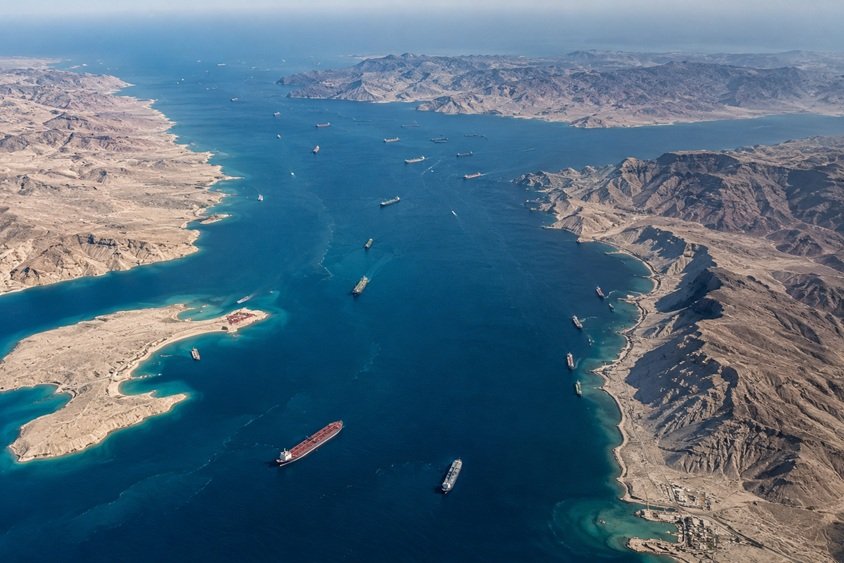
One of the most significant global ramifications of the tensions between Trump and Iran regarding Hormuz is the interruption of commercial shipping.
The Strait serves as a crucial passage for energy transportation, thus concerns about its accessibility can impact the prices of oil and various other goods. The longer ships are unable or reluctant to transit as usual, the more serious the effects on supply chains could become.
Recent updates have highlighted substantial interruptions in commercial shipping activities. The Week reported that traffic through the strait had been heavily disrupted, while News On AIR noted that Iranian authorities were associating the reopening of the waterway with demands such as ending the United States blockade, releasing frozen Iranian funds, and relaxing oil sanctions.
For average consumers, the impact may not be immediately visible. However, extended volatility in the energy market can ultimately influence shipping, production, electricity expenses, and inflation rates.
Oil markets are monitoring each development
The reaction of global markets is one reason why the tensions between Trump and Iran over Hormuz hold significance far beyond the confines of Washington and Tehran.
A sudden drop in energy shipments could lead to tighter supplies and increase prices. Even if the actual loss in supply remains minor, traders may react to the potential for a more extensive disruption.
This psychological aspect is vital. Markets do not always wait for a crisis to escalate before they react. Anticipations surrounding future supply can suffice to shift price levels.
Nations that rely heavily on imported energy therefore have a strong incentive to prevent the situation from escalating into a prolonged blockade or a broader regional conflict.
Diplomatic options still exist, but discrepancies remain large
Despite the heated language, diplomatic efforts have not entirely vanished from the situation. Trump has implied that Iran is seeking an agreement, while Iranian representatives continue to outline their conditions for resolving the crisis.
Earlier reports suggested that both parties had a memorandum of understanding related to stopping military actions and facilitating the safe passage of commercial ships.
However, the talks encounter significant challenges.
The United States seeks assurances regarding Iran’s nuclear activities and greater freedom for shipping operations. Conversely, Iran desires relief from sanctions and changes to American military and economic pressures.
The involvement of Oman
Oman has also emerged as a crucial player in the diplomatic landscape. Officials from Iran and Oman have held discussions about maritime navigation and the prospects for the waterway, while Trump has criticized Oman’s involvement in the negotiations.
This is particularly noteworthy as Oman has traditionally been seen as a valuable diplomatic bridge between Iran and Western nations.
Should this channel remain accessible, it may offer a pathway for indirect negotiations. Should it fail, the avenues for de-escalation would diminish.
What might occur next?
The subsequent trajectory of the tensions between Trump and Iran regarding Hormuz hinges on various dynamic factors.
The foremost factor is whether commercial shipping can resume operations that resemble normalcy. A consistent reopening would alleviate pressures on global energy markets and potentially foster more diplomatic opportunities.
The second factor is whether Washington and Tehran can reach an agreement on the nuclear front. An effective framework that incorporates limits, oversight, and verification could decrease the chances of further military escalation.
The third aspect involves the wider political ties between the two nations. Comments regarding territorial claims, military threats, and sanctions complicate any potential compromise since both parties encounter pressure to maintain a strong front.
There are numerous potential scenarios:
- Diplomatic achievement: The US and Iran come to an agreement addressing nuclear issues, sanctions, and security in maritime areas.
- Limited conflict: The present standoff persists without transforming into a larger regional war.
- Ongoing shipping crisis: The Strait of Hormuz continues to experience significant disruptions, putting strain on global trade and energy prices.
- Increased tension: Military incidents or unsuccessful negotiations lead to a broader conflict.
Reasons for global interest
The implications of tensions involving Trump, Iran, and the Strait of Hormuz extend much further than the statements of a single political figure.
The crisis intertwines three critical concerns that could impact the world: the spread of nuclear weapons, military conflicts, and energy stability. Each aspect holds significant weight on its own. Collectively, they present a more complex problem for both governments and businesses.
The Strait of Hormuz is also challenging to substitute. Alternative routes may occasionally accommodate extra traffic, but they cannot replicate the capacity and efficiency of this vital waterway immediately.
This is why governments in Asia, Europe, and the Middle East are attentively observing the situation.
The broader context
Ultimately, the tensions involving Trump, Iran, and the Strait of Hormuz encompass more than just Trump’s remarks about the waterway or Iran’s nuclear ambitions. They indicate a deeper conflict regarding security measures, sanctions, military presence, and control of an essential maritime route.
Trump’s assertion that he views Hormuz as American territory has escalated political tensions, while his insistence that Iran must never acquire a nuclear weapon keeps the nuclear aspect at the forefront of US policy.
For Iran, the loss of authority or acquiescing to Washington’s demands without substantial concessions could lead to significant political repercussions. For the United States, permitting Iran to maintain influence over a pivotal energy corridor raises its own strategic challenges.
Hence, the primary focus for the global community is de-escalation. Ensuring safe commercial navigation, establishing credible nuclear negotiations, and forming a viable agreement between Washington and Tehran would provide the most straightforward means of averting a larger crisis.
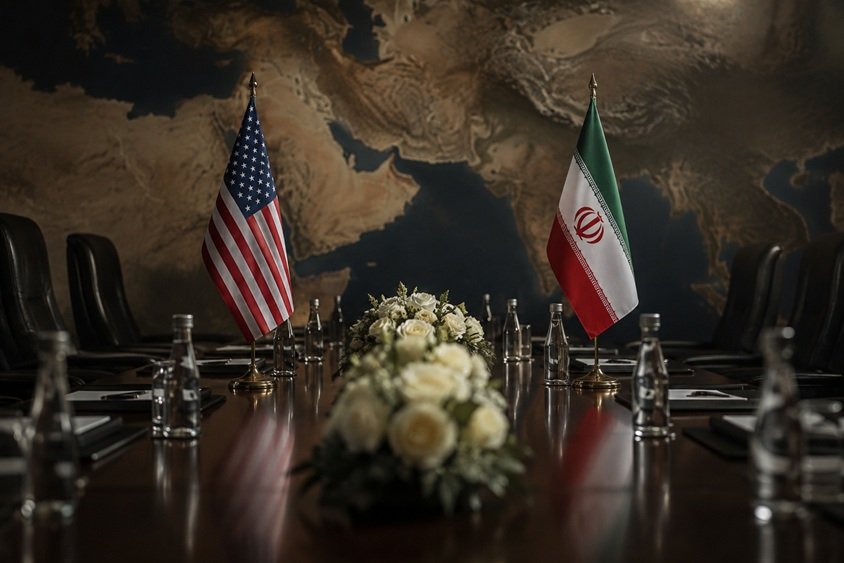
Until such a resolution occurs, the tensions involving Trump, Iran, and the Strait of Hormuz will continue to be a major geopolitical issue, with ramifications that may extend well beyond the Persian Gulf.
Conclusion
The tensions surrounding Trump, Iran, and Hormuz have evolved into a significant global geopolitical concern with implications reaching beyond the Middle East. Trump’s labeling of the Strait of Hormuz as “American territory” and his stern admonition against Iran acquiring nuclear arms has exacerbated an already fragile dynamic between Washington and Tehran.
Concurrently, interruptions in commercial shipping have underscored the vital role Hormuz plays in global energy markets and international commerce. Any extended period of unpredictability could heighten pressures on oil prices, shipping expenses, supply chains, and inflation rates.
Ultimately, the resolution of this situation rests on whether both parties can transition from hostility to constructive diplomacy. Ensuring safe maritime navigation, implementing credible nuclear oversight, engaging in discussions about sanctions, and establishing reliable communication channels could aid in averting further escalation.
At present, the Strait of Hormuz stands as a crucial focal point. Developments in this area could affect not only the relations between the US and Iran but also energy security, global markets, and regional stability. A diplomatic solution is the most feasible approach for mitigating the risk of a broader conflict.