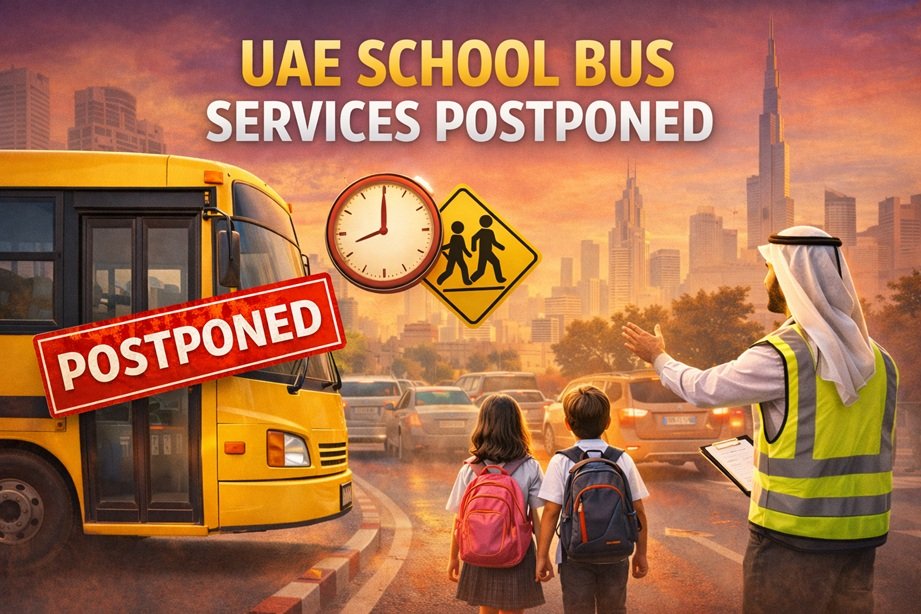

The sudden announcement that UAE school bus services postponed has left many parents scratching their heads and rethinking their daily routines. If you’re a parent, student, or educator, you’re probably wondering: Why now? What happens next? And how long will this last?
This isn’t just a minor operational change—it’s a decision that impacts millions of daily routines across the country. With in-person learning resuming, many expected everything to go back to normal. But instead, transportation services have taken a pause.
Let’s break everything down in simple, practical terms so you know exactly what’s going on and how to adapt.
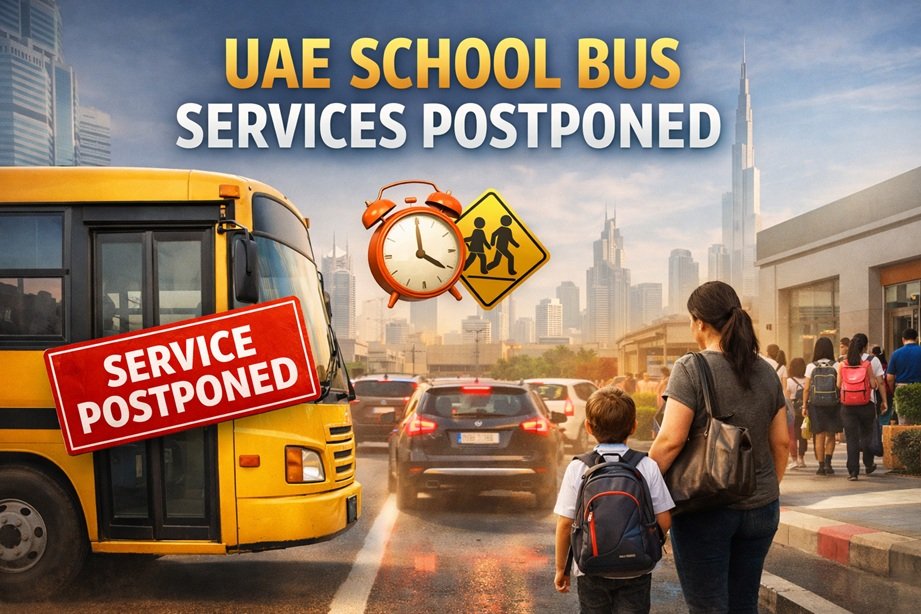
Why UAE School Bus Services Were Postponed
The decision behind UAE school bus services postponed wasn’t random or sudden—it’s part of a broader safety and readiness plan.
Authorities confirmed that this move is aimed at ensuring operational readiness and safety compliance before resuming full-scale transport services.
Key Reasons Behind the Decision
- Ensuring buses meet updated safety standards
- Coordinating with transport authorities and municipalities
- Preparing staff and drivers for new operational guidelines
- Avoiding logistical disruptions during the transition phase
In short, this is a “pause to prepare better” strategy rather than a permanent change.
Table of Contents
- Introduction
- Why UAE School Bus Services Were Postponed
- The Timing Behind the Decision
- How Long Will the Postponement Last
- Impact on Parents and Daily Routines
- How Students Are Affected
- Traffic and Urban Impact
- Safety Measures and Preparations
- Hybrid Learning and School Flexibility
- What Parents Should Do Right Now
- Communication from Authorities
- How Schools Are Responding
- Financial Impact on Families
- Long-Term Implications
- Public Reaction and Concerns
- The Bigger Picture Behind the Decision
- What to Expect Next
- Final Conclusion
The Timing: Why Now?
Here’s where things get interesting.
The announcement of UAE school bus services postponed came right after authorities confirmed that schools would reopen for in-person learning.
That raises a logical question—why reopen schools but delay buses?
The answer lies in phased reopening.
What’s Happening Behind the Scenes
- Schools are ready to operate physically
- Transport systems need additional coordination time
- Safety checks are being finalized before scaling up
Think of it like reopening a mall but testing escalators before turning them on fully.
How Long Will the Postponement Last?
This is probably the most important question on everyone’s mind.
The government has made it clear that the situation will be reviewed weekly.
What Weekly Review Means
- Authorities assess readiness and safety conditions
- Updates will be announced via official channels
- Services could resume gradually—not all at once
So, while there’s no fixed date, it’s not indefinite either.
Impact on Parents: The Real Struggle Begins
Let’s be honest—this decision shifts a big responsibility onto parents.
With UAE school bus services postponed, families now need to figure out daily transport on their own.
Immediate Challenges Parents Face
- Managing school drop-offs and pickups
- Adjusting work schedules
- Increased fuel and travel costs
- Traffic congestion during school hours
For working parents, this can feel like juggling multiple jobs at once.
Impact on Students: More Than Just a Ride
At first glance, skipping the school bus might sound fun for kids. But the reality is different.
How Students Are Affected
- Disruption in routine
- Longer commute times in private vehicles
- Less independence compared to bus travel
- Increased fatigue from irregular schedules
For younger children especially, the school bus is more than transport—it’s part of their daily rhythm.
Traffic and Urban Impact
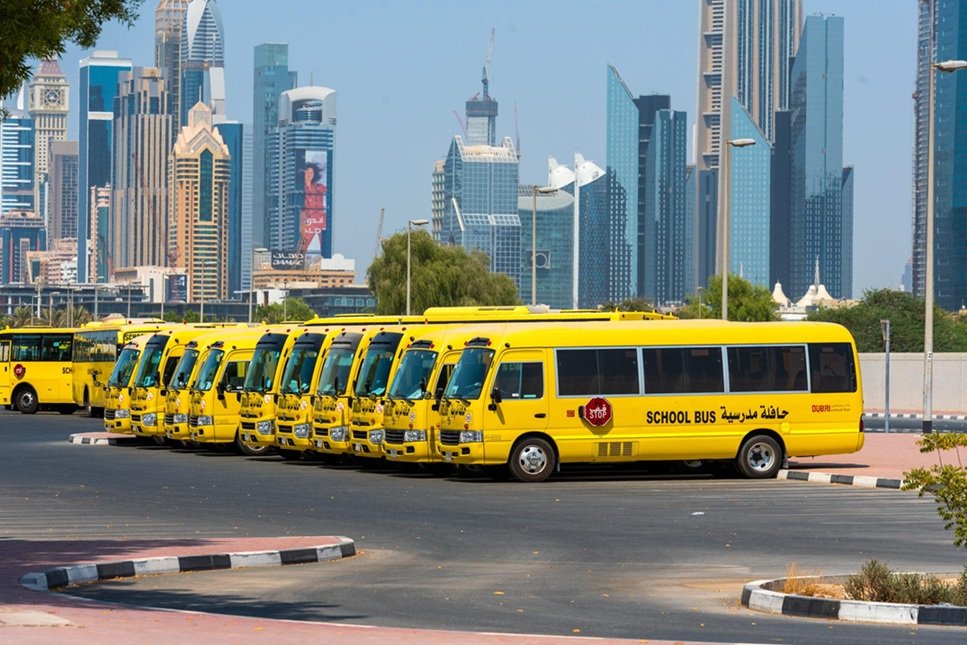
When UAE school bus services postponed, the ripple effect extends beyond families.
Hundreds of thousands of students typically rely on school buses daily.
What This Means for Roads
- More private vehicles on the road
- Peak-hour traffic spikes
- Increased parking congestion near schools
- Higher emissions due to individual transport
Cities may temporarily experience heavier traffic, especially during morning rush hours.
Safety Comes First: The Core Reason
If there’s one thing the UAE prioritizes consistently, it’s safety.
The postponement aligns with strict efforts to ensure that school transportation meets the highest safety standards.
Safety Measures Being Finalized
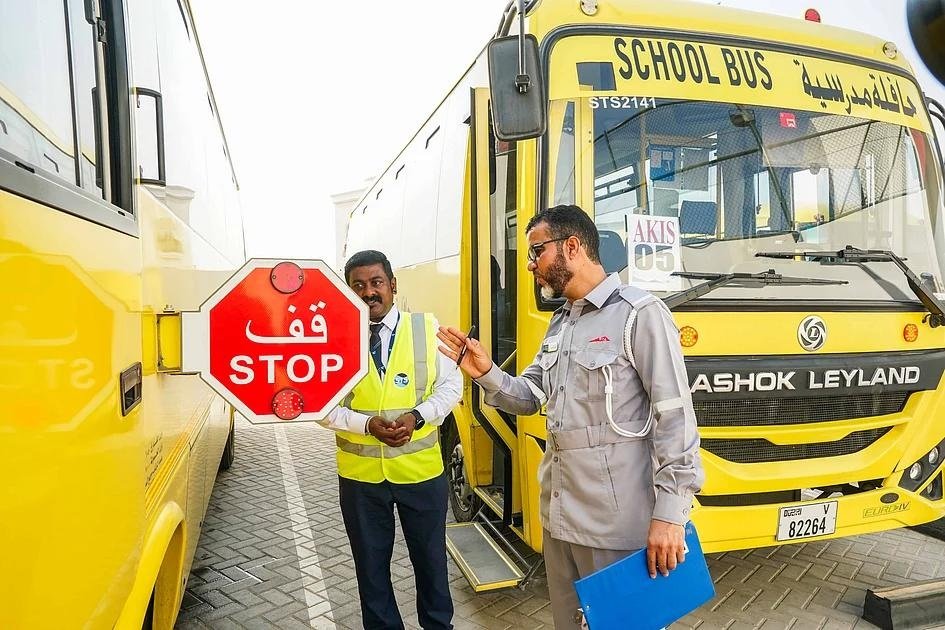
- Vehicle inspections and certifications
- Driver training and compliance checks
- Emergency response readiness
- Coordination with local authorities
This isn’t just paperwork—it’s about preventing risks before they happen.
Hybrid Learning Still an Option
While schools are reopening physically, flexibility remains.
Schools May Offer
- Hybrid learning models
- Rotational attendance systems
- Remote learning alternatives when needed
This ensures that students who cannot commute easily still have access to education.
What Parents Should Do Right Now
If you’re feeling overwhelmed, you’re not alone. But there are practical ways to manage the situation.
Smart Strategies for Parents
- Coordinate carpooling with nearby families
- Adjust work schedules temporarily
- Use school-approved transport alternatives
- Stay updated through official announcements
Planning ahead—even by a day or two—can make a big difference.
Communication from Authorities
Transparency is key during situations like this.
Authorities have assured that:
- Updates will be shared through official channels
- Changes will be announced in advance
- Parents will be informed about resumption timelines
So, instead of relying on rumors, it’s best to follow verified sources.
How Schools Are Responding
Schools aren’t just sitting back—they’re actively adapting.
Measures Taken by Schools
- Staggered timings to reduce crowding
- Flexible attendance policies
- Communication with parents regarding transport
This collaboration between schools and families is essential for smooth functioning.
Financial Impact on Families
Let’s talk about the money side—because it matters.
With UAE school bus services postponed, families may face:
- Increased fuel expenses
- Additional transport service costs
- Time-related productivity losses
While temporary, these costs can add up quickly, especially for families with multiple children.
Long-Term Implications
Even though this is a temporary measure, it may lead to long-term changes.
Possible Future Trends
- More flexible school transport systems
- Increased reliance on hybrid learning
- Improved safety protocols in school transport
Sometimes, short-term disruptions lead to long-term improvements.
Comparing with Previous Situations
This isn’t the first time transport services have been paused in the UAE.
In past situations—like weather disruptions or safety concerns—similar measures were taken to ensure public safety.
What’s different this time is the scale and timing, especially alongside school reopening.
Public Reaction: Mixed but Understandable
Reactions to UAE school bus services postponed have been mixed.
Common Sentiments
- Parents concerned about logistics
- Appreciation for safety-first approach
- Frustration over sudden changes
And honestly, both sides make sense.
The Bigger Picture
When you zoom out, the decision reflects a larger strategy:
- Prioritize safety over convenience
- Ensure systems are fully ready before launch
- Avoid risks during critical transition phases
It’s not just about buses—it’s about managing a complex national system smoothly.
What to Expect Next
Looking ahead, here’s what’s likely:
- Gradual resumption of bus services
- Continued monitoring and adjustments
- Possible phased rollout by region
Patience will be key over the coming weeks.
Final Conclusion
The decision around UAE school bus services postponed may feel inconvenient at first, but it highlights a clear priority—safety and preparedness over rushed implementation. While parents face short-term challenges like managing daily commutes and adjusting schedules, this temporary disruption is part of a broader effort to ensure a smoother and safer transportation system ahead.
Schools, authorities, and families are all adapting in real time, showing how flexibility plays a crucial role during transitional phases. As updates continue to roll out, staying informed and planning ahead will make this period easier to navigate.
In the bigger picture, this move isn’t just about delaying buses—it’s about building a more reliable and secure school transport system for the future.