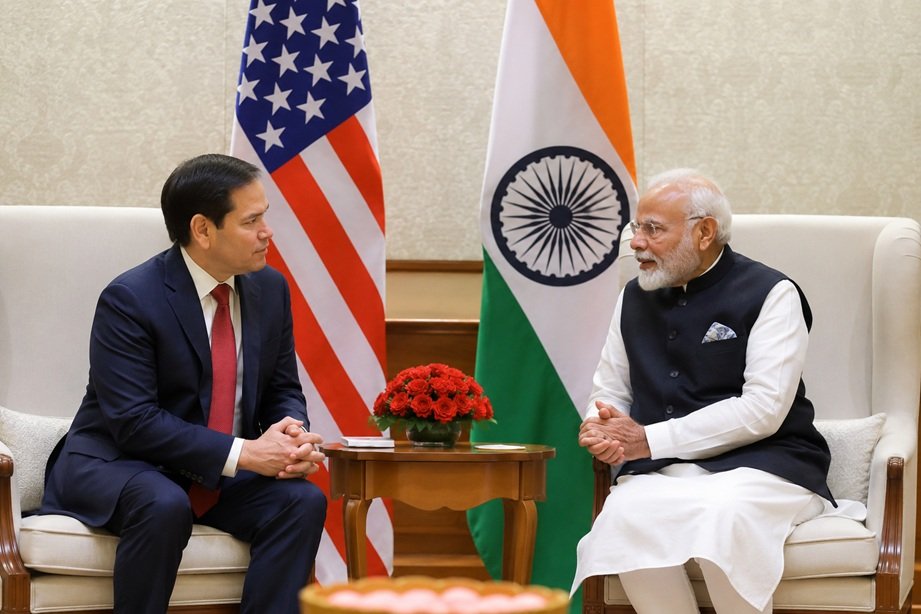

The recent diplomatic encounter between the United States and India has once again highlighted a crucial strategic alliance on a global scale. Marco Rubio, the US Secretary of State, met with Prime Minister Narendra Modi in New Delhi, delivering a significant message from President Donald Trump — an invitation for Modi to visit the White House soon.
This meeting occurred at a pivotal moment as both nations address trade issues, security concerns in the Indo-Pacific, energy collaboration, and increasing geopolitical uncertainties. Despite recent tensions regarding tariffs and international partnerships, the dialogue between the two leaders indicated that both Washington and New Delhi remain dedicated to enhancing long-term collaboration.
For those observing politics, the visit transcended being just another diplomatic engagement. It illustrated a broader effort to rekindle momentum in their bilateral relationship after a period of unpredictability. Reports suggest that discussions included trade, defense, technological partnerships, energy security, and regional stability.
Significance of the Meeting on a Global Scale
The conversation between Rubio and Modi is significant globally as India has increasingly become a vital component of America’s strategy for the Indo-Pacific. The United States considers India a key democratic and economic ally that could counterbalance China’s expanding presence in Asia.
Concurrently, India is keen on maintaining its strategic independence in international matters. New Delhi has carefully managed its relationships with countries like Russia, the United States, Europe, and nearby Asian nations. This balancing strategy has, at times, led to friction with Washington, particularly concerning oil imports and defense acquisitions.
However, both nations recognize the importance of working together despite their differences.
The United States ranks among India’s most significant trading allies, while India is seen as an essential market for American technology, energy supplies, and defense sectors. The strategic partnership has also grown swiftly through the Quad alliance, which includes India, the US, Japan, and Australia.
Trump’s Invitation to the White House Sends a Strong Message
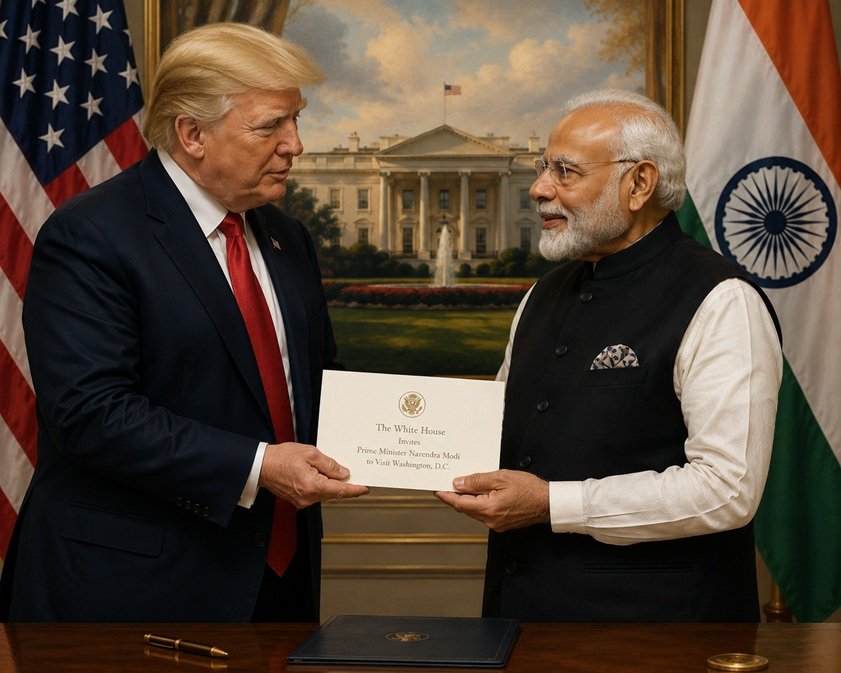
A major highlight of the discussions was Trump’s invitation for Narendra Modi to meet at the White House. Rubio delivered this invitation during his discussions with the Indian Prime Minister.
In diplomatic contexts, such invitations rarely carry solely symbolic weight. They frequently reveal strategic objectives in international relations.
This invitation indicates the Trump administration’s aim to stabilize and enhance ties with India, notwithstanding existing policy differences. It also showcases the personal rapport between Trump and Modi, nurtured through previous interactions.
Political analysts recall notable events such as the “Howdy Modi” event in Texas and the “Namaste Trump” celebration in India, both of which illustrated the unusually cordial public diplomacy shared by the two leaders.
The White House invitation could now act as a catalyst for a renewed partnership between the two governments.
Continued Trade Tensions
Although the diplomatic discourse was encouraging, trade issues remain a significant source of tension between Washington and New Delhi.
In recent years, conflict over tariffs, access to markets, and energy imports has persisted. The Trump administration had placed considerable tariffs on Indian imports during past trade conflicts, and negotiations related to a comprehensive trade agreement have progressed slowly.
India has been working to safeguard its local industries while also enhancing its exports on the international stage. Companies from the United States have continuously advocated for more straightforward entry into Indian markets, particularly within the sectors of technology, agriculture, and manufacturing.
In recent talks, both parties apparently revisited avenues for enhancing trade frameworks and minimizing economic barriers. Rubio also pointed out that the U.S. is keen on boosting its energy exports to India.
For enterprises on both ends, better trade collaboration might unlock billions of dollars in upcoming investments.
Energy Collaboration Could Be a Significant Development
Energy security emerged as a crucial discussion point during the meeting.
The U.S. is encouraging India to vary its energy imports and lessen reliance on oil from Russia. Rubio pointed out that American energy commodities could enhance India’s energy security and aid in stabilizing global markets.
However, India has consistently asserted that its energy choices are guided by national priorities and economic necessities.
The global energy marketplace has grown increasingly unstable due to geopolitical tensions and sanctions. Fluctuating oil prices are continuing to impact developing nations, making energy alliances more vital.
Experts Anticipate Future Collaboration in:
- Heightened U.S. LNG consignments to India
- Collaborative clean energy projects
- Joint initiatives on renewable technologies
- Discussions on strategic petroleum
- Cooperation in nuclear energy
Should negotiations advance favorably, energy could solidify as a key element within bilateral relations.
Defense and Indo-Pacific Strategy Remain Core Focus Areas
Cooperation on security has gradually become a hallmark of India-U.S. relations.
The Indo-Pacific region is central to the strategic considerations of both nations. China’s military growth, maritime conflicts, and regional influence efforts are leading democratic countries to forge stronger alliances.
India holds a critical position in this strategy due to its location and military strength.
Reports indicate that Rubio’s discussions encompassed defense collaboration, regional stability, and the future of Quad cooperation.
Over the past ten years, India and the U.S. have notably expanded military drills, intelligence sharing, and defense acquisition agreements. American defense firms have also broadened their partnerships with Indian companies.
Several Factors Have Contributed to This Emerging Security Alliance:
- Collaborative naval drills in the Indo-Pacific
- Agreements for sharing technology
- Enhanced cooperation in defense manufacturing
- Coordination on cybersecurity
- Partnerships in maritime surveillance
Both nations are also increasing their collaborations on cutting-edge technologies such as artificial intelligence, semiconductor manufacturing, and secure telecommunications systems.
The Personal Connection Between Modi and Trump
Diplomatic relations often hinge not only on policies but also on interpersonal dynamics.
Trump and Modi have exhibited visible camaraderie during their past encounters. Rubio acknowledged the robust personal bond between the two leaders during his visit.
This connection could prove particularly significant in forthcoming negotiations regarding trade, defense, and regional matters.
Both leaders are recognized for their strong nationalist rhetoric and straightforward communication styles. Their previous meetings garnered substantial international media attention and influenced public views on India-U.S. relations.
Political analysts suggest that personal rapport can sometimes expedite agreements that might otherwise be stalled by bureaucratic hurdles.
However, experts warn that personal diplomacy by itself cannot address systemic disagreements. Trade regulations, immigration policies, and geopolitical differences will still need thorough negotiation.
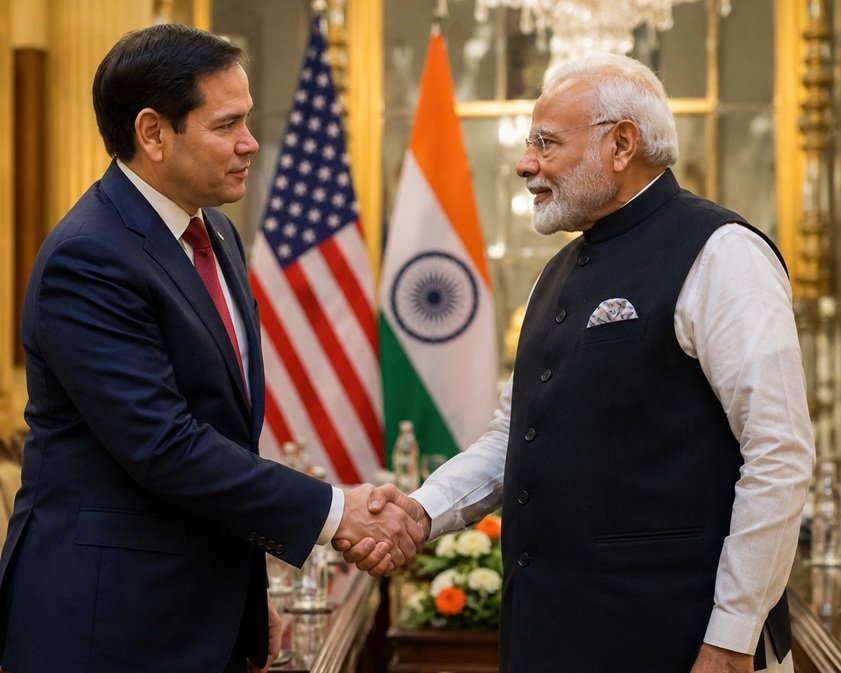
India’s Strategic Balancing Approach
India remains committed to what specialists describe as “multi-alignment.”
Instead of aligning completely with one particular power bloc, India has forged partnerships across various regions. It upholds defense connections with Russia, increases trade with Western nations, fortifies relationships with Gulf countries, and enhances cooperation in the Indo-Pacific.
This approach enables India to optimize both economic and strategic options.
Nonetheless, managing several relationships may lead to diplomatic challenges. The United States has at times voiced concerns regarding India’s imports of Russian oil and its defense procurement choices.
In contrast, India has asserted that its decisions in foreign policy are primarily guided by its own national interests.
The recent meeting indicated that, despite existing differences, both nations are open to engaging in constructive dialogue instead of allowing conflicts to escalate.
Technology Partnerships Are Becoming More Important
The collaboration in technology is swiftly emerging as a crucial component of contemporary diplomacy.
India’s rapidly growing digital economy has drawn significant interest from the United States. Major companies from the US continue to invest substantially in Indian tech, manufacturing, cloud services, and startup environments.
India and the US Have Reinforced Their Cooperation In:
- Artificial intelligence
- Semiconductor manufacturing
- Space technologies
- Cybersecurity
- Telecommunications infrastructure
- Quantum research
The global competition for leadership in advanced technology has heightened rivalry among major powers. Washington increasingly regards India as a dependable democratic technology partner in Asia.
New Delhi also gains from access to capital, innovation, and advanced collaborative research.
This sector could emerge as a key engine for bilateral growth over the next ten years.
Immigration and Indian Professionals in America
Another crucial aspect of India-US relations pertains to migration and skilled professionals.
Individuals of Indian descent have a significant presence in America’s technology, healthcare, education, and business industries. The Indian diaspora has become notably influential in the United States, both in economic and political arenas.
As a result, visa regulations and immigration policies are delicate subjects.
Even though immigration was not the central topic during Rubio’s visit, it continues to be an important underlying factor in bilateral ties. Future discussions may encompass issues such as student mobility, skilled worker visas, and startup collaborations.
For numerous Indian families, enhanced connections with the US signify educational and professional opportunities overseas.
Can the Relationship Overcome Recent Friction?
The past two years have put the strength of India-US relations to the test.
Disagreements regarding trade, tariff conflicts, varied geopolitical priorities, and shifting global partnerships have created uncertainty about the future course of their relationship. Some analysts even cautioned about a potential decline in strategic progress.
Nonetheless, Rubio’s visit seems intended to reassure India that Washington still perceives the partnership as strategically important.
Diplomatic Analysts Believe Several Elements Will Influence the Relationship:
Economic Negotiations
The advancement of trade is poised to influence the overall dynamics between the two administrations. Achieving successful deals may swiftly rebuild trust.
China Factor
China’s regional sway is consistently driving the United States and India to align more closely in terms of strategy, particularly in areas concerning maritime security and the diversification of supply chains.
Energy Markets
The instability of global energy markets might enhance opportunities for collaboration between Washington and New Delhi.
Defense Modernization
India’s plans for military advancement present avenues for expanded defense collaboration with American forces.
Leadership Chemistry
Direct interactions between Trump and Modi could assist in sustaining diplomatic momentum.
What Happens Next?
An invitation from the White House is anticipated to pave the way for yet another prominent meeting between Trump and Modi.
Should the Visit Occur, the Dialogue Will Likely Concentrate On:
- Trade negotiations
- Defense collaboration
- Indo-Pacific strategy
- Technological alliances
- Energy safety
- Global supply networks
High-level diplomatic discussions often yield both symbolic results and actionable agreements. Even if substantial contracts are not finalized right away, such interactions contribute to guiding decisions and establishing political aims.
For India, nurturing robust relations with the United States bolsters economic development, enhances security cooperation, and increases global leverage.
For the United States, India is a vital long-term ally in the Asian region.
This shared strategic significance accounts for the ongoing substantial investments both nations are making in their relationship, despite occasional disputes.
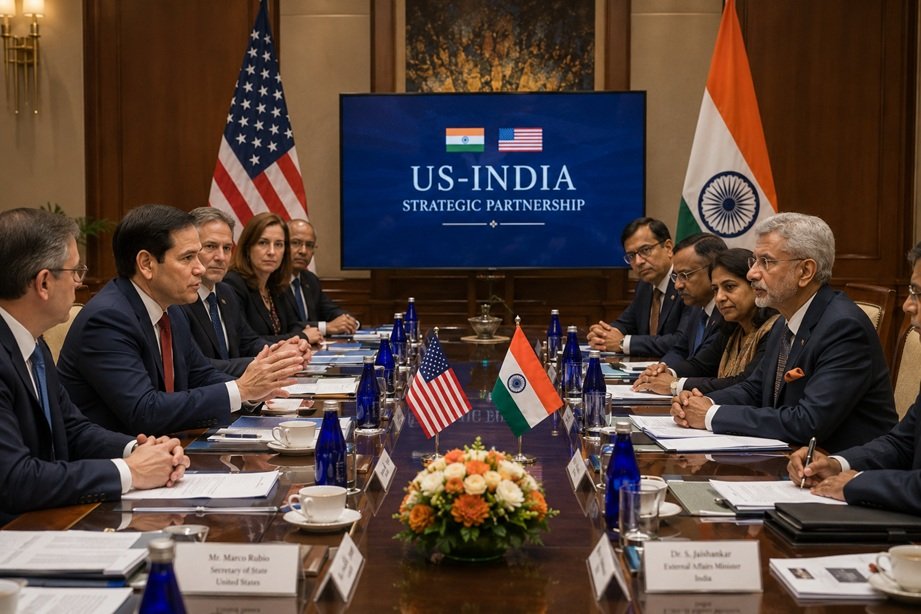
A Defining Moment for Modern Diplomacy
The most recent diplomatic interaction involving Rubio and Modi revealed the rapid changes in global alliances.
The international landscape is undergoing transformation driven by technological rivalry, realignment of supply chains, energy unpredictability, and geopolitical competition. In this context, partnerships among leading democracies are gaining prominence.
While India and the United States may not see eye to eye on every matter, both understand the importance of collaboration.
Rubio’s visit, along with Trump’s invitation, indicates that Washington aims to rebuild trust and regain momentum following a period of tension. In the meantime, India is positioning itself as a significant independent global player that can engage with various partners concurrently.
Regardless of whether forthcoming discussions yield substantial agreements or gradual advancements, one reality is becoming increasingly apparent — the relationship between India and the United States has grown too crucial for either nation to overlook.
As diplomatic engagements escalate in the ensuing months, the global community will closely observe how this partnership evolves in the next stages.