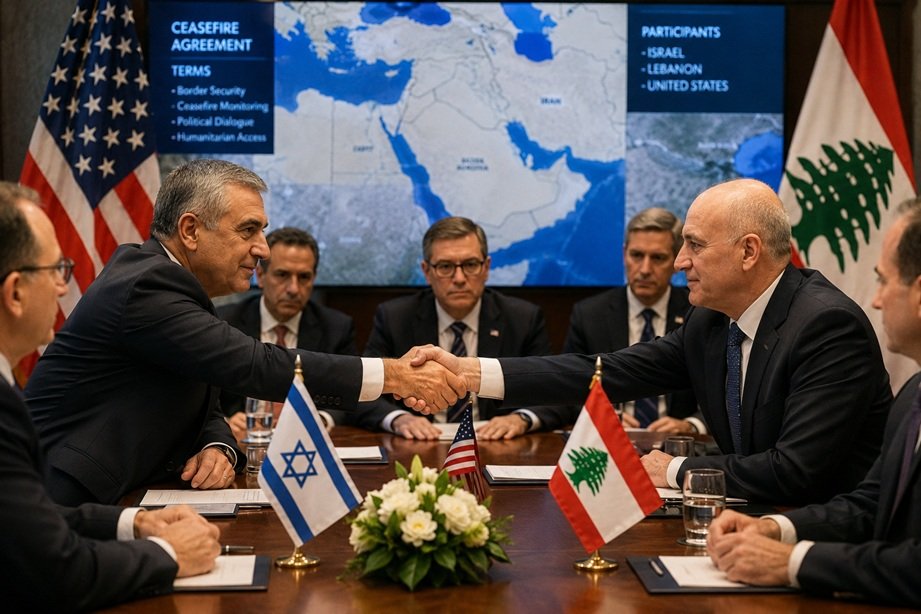

This week, a notable diplomatic event occurred in the Middle East, as Israel and Lebanon made progress towards a renewed ceasefire while politicians in Washington sought to restrict presidential power regarding military actions against Iran. These developments signify a crucial transformation in the regional political climate in recent months, which may impact future peace initiatives throughout the area. Recent updates suggest that Israel and Lebanon have consented to a renewed agreement under U.S. facilitation, and the U.S. House of Representatives has approved a measure aimed at enhancing congressional authority over military engagements related to Iran.
The interplay of diplomatic discussions, military conflicts, and legislative measures has created a multifaceted political environment. Governments in the Middle East, along with global observers, are closely monitoring the situation to see if the new agreements will help diminish violence and avert a wider regional war.
A New Chapter in Regional Diplomacy
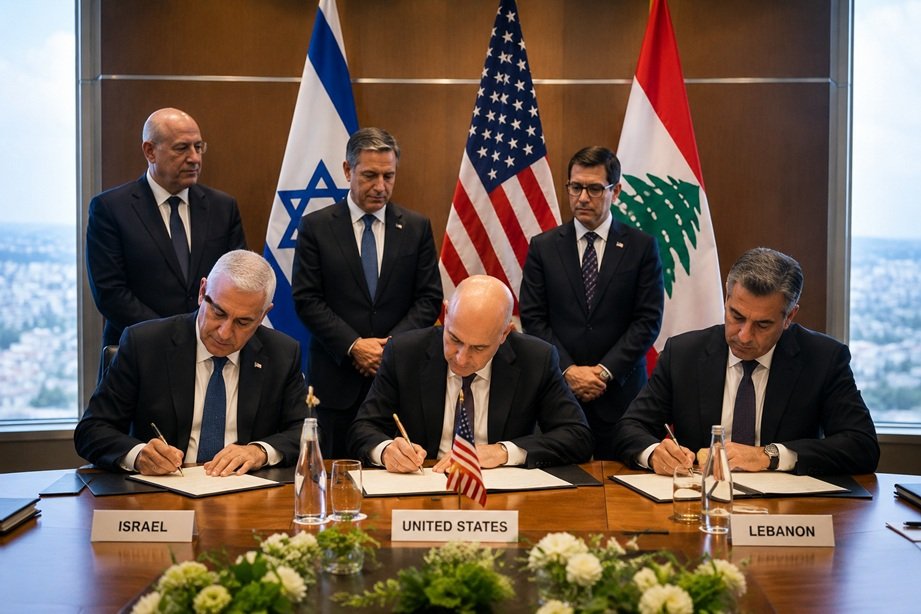
The latest truce was reached following extensive talks involving American diplomats and representatives from both nations. The focus of the negotiations was on minimizing cross-border hostilities, enhancing security conditions, and establishing a framework for ongoing political conversations. Reports indicate that the agreement involves security measures intended to stabilize critical areas along the boundary.
For many years, the relationship between Israel and Lebanon has been a significant source of turmoil in the region. Recurrent instances of conflict, worries regarding militant groups operating near the frontier, and wider geopolitical tensions have continually threatened to escalate into larger clashes.
This recent development is seen as a chance to alter that course. Although there are still obstacles to overcome, this agreement illustrates that diplomacy continues to be essential in resolving enduring security issues.
Understanding the Israel Lebanon Ceasefire Deal
The Israel Lebanon Ceasefire Deal aims to cease hostilities and create conditions that may facilitate long-term peace strategies.
Several critical components have been underscored:
- Diminishing military operations along the border
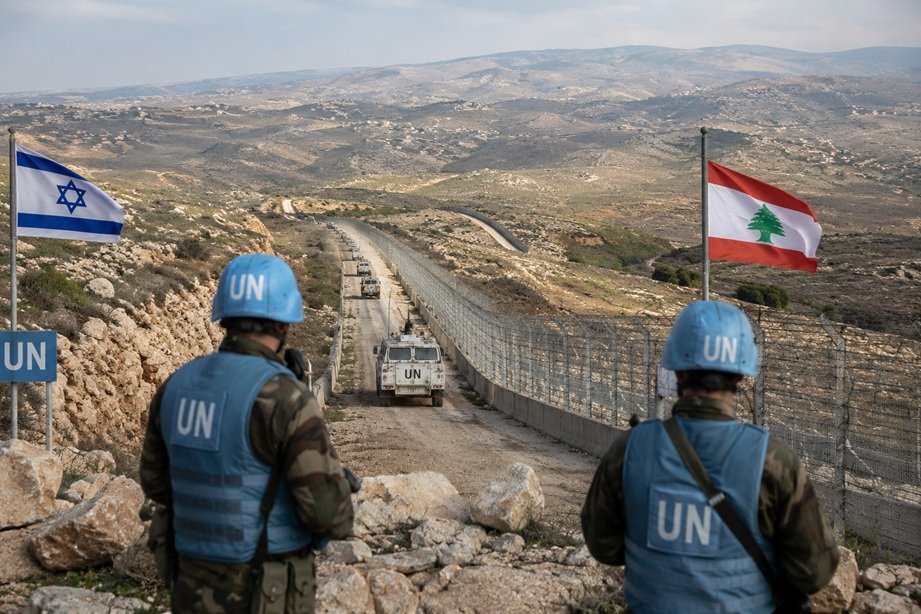
- Greater deployment of Lebanese state security personnel
- Establishing specific security zones
- Maintaining diplomatic dialogues between both nations
- U.S. oversight and mediation assistance
Participants in the negotiations stressed that the success of the agreement hinges on adherence by all parties and ongoing political dedication. Reports suggest that the accord is tied to stipulations regarding Hezbollah’s activities in southern Lebanon and the designation of areas under Lebanese governmental authority.
The effectiveness of this arrangement will significantly rely on whether these commitments are converted into tangible actions in practice.
Why Hezbollah Remains Central to the Agreement
Security Concerns Along the Border
Any discussion surrounding peace between Israel and Lebanon inevitably brings Hezbollah into consideration. This group has been influential in regional affairs for decades and continues to play a pivotal role in security assessments on both sides of the border.
Negotiators purportedly included measures aimed at minimizing Hezbollah’s military presence in sensitive areas and fostering stronger oversight by formal Lebanese institutions.
Israeli authorities have consistently maintained that restricting armed operations near the border is essential for enduring security. On the other hand, Lebanese leaders are confronted with the challenge of reconciling local political realities with international expectations.
Challenges of Enforcement
Even when resolutions are achieved, the execution tends to be challenging.
Various elements complicate the enforcement process:
- Intricate local political alliances
- Safety issues in adjacent communities
- Long-standing suspicion among involved parties
- Outside regional factors
- Possibility of isolated events escalating rapidly
These circumstances clarify why analysts maintain a cautious optimism rather than complete assurance regarding the sustainability of the existing agreement.
The Involvement of the United States
The United States played a pivotal role in promoting dialogues that ultimately resulted in the ceasefire declaration. U.S. officials have been working for several months to alleviate tensions in numerous conflict zones throughout the Middle East.
The most recent discussions underscore the persistent effect of American diplomacy despite changing geopolitical circumstances. Reports indicate that American negotiators aided in reconciling differences among the parties and stimulated further discussions aimed at extensive normalization pursuits.
Additionally, the U.S. perceives regional stability as a crucial aspect of broader initiatives to tackle issues related to Iran, maritime safety, energy markets, and global trade routes.
Congress Engages in the Iran Discussion
While diplomats endeavored to ensure peace along the Israel-Lebanon boundary, lawmakers in Washington addressed another significant topic: the presidential authority regarding military action towards Iran.
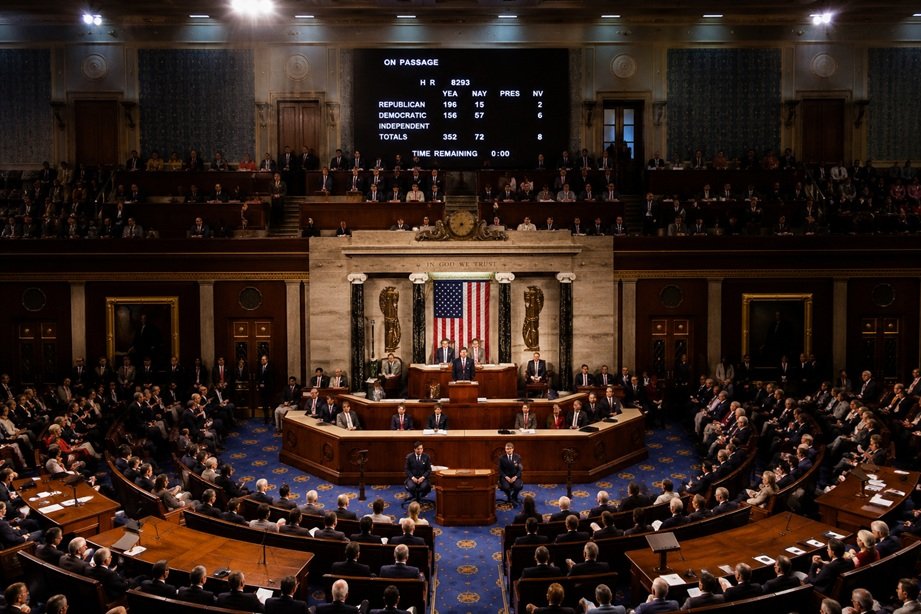
The House of Representatives approved a resolution aimed at curtailing unilateral military actions and reinforcing Congress’s constitutional role in war-related decisions. This proposal represented a rare bipartisan challenge to presidential power in matters of foreign policy.
Proponents claimed that military engagement with Iran should necessitate wider legislative consent, especially considering the potential for escalation.
Opponents of increased military authority argue that congressional oversight is crucial for upholding democratic accountability during global crises.
Potential Effects of the House Resolution on Policy
Reaffirming Congressional Power
The resolution embodies ongoing discussions about the distribution of power between Congress and the executive branch.
Primary goals consist of:
- Enhancing legislative oversight
- Defining authorization criteria
- Minimizing risks of unintended escalation
- Promoting diplomatic solutions
- Boosting transparency around military activities
Though further legislative actions might be needed, the vote conveys a strong political sentiment regarding congressional apprehensions about military involvement with Iran.
Implications for Future Choices
The resolution could impact forthcoming strategic considerations by policymakers.
Should Congress continue to assert a more significant role in foreign policy decisions, future administrations might encounter increased pressure to secure legislative endorsement prior to expanding military initiatives.
This situation could lead to a greater emphasis on diplomacy, coalition formation, and international negotiations.
The Iran Relationship
The ceasefire conversations are intrinsically linked to the broader regional tensions encompassing Iran.
Iran has historically established political and strategic ties with various groups throughout the Middle East. Due to these affiliations, events in Lebanon frequently influence larger diplomatic efforts involving Tehran.
Recent updates suggest that Iranian officials have connected regional stability to wider negotiations addressing security and political matters. Some diplomatic talks have been hindered by apprehensions regarding military actions in Lebanon.
Consequently, advancements in one area often affect discussions in other regions.
Economic Effects of Regional Stability
Energy Markets
When tensions escalate in the Middle East, the energy markets worldwide respond.
Investors remain vigilant about any changes, as this region plays a vital role in global oil and gas availability. A decrease in conflict usually fosters greater market trust and diminishes volatility.
A successful truce may ease market concerns regarding the likelihood of disruptions to key transport routes and production facilities.
Investment and Trade
Economic growth is influenced by political stability.
Potential advantages include:
- Enhanced investor trust
- Broadened tourism prospects
- Strengthened regional commerce
- Decreased security expenditures
- More robust international collaborations
While economic advancements require time, consistent security can often lead to wider development opportunities.
Regional Responses
Governments across the Middle East have embraced moves to lessen violence.
Numerous regional authorities recognize that extended conflict leads to humanitarian issues, economic instability, and security threats that go beyond their borders.
Foreign governments and international organizations have similarly voiced their support for diplomatic efforts that emphasize discussion rather than confrontation.
The international community perceives successful execution as a potential model for resolving various disputes via negotiation instead of military confrontation.
Challenges That May Hinder Progress
Historical Distrust
Years of conflict have resulted in significant scars.
Even when agreements are made between leaders, public doubt often persists. Communities impacted by earlier conflicts may question the durability of new agreements in the face of future difficulties.
Fostering trust requires continuous collaboration and noticeable enhancements in security conditions.
Risk of Isolated Incidents
Unexpected events frequently challenge ceasefires.
Possible dangers include:
- Border skirmishes
- Missile strikes
- Drone incidents
- Political provocations
- Miscommunication among security personnel
Even minor incidents can escalate quickly if channels of diplomatic communication fail.
Domestic Political Pressures
Leaders across the board encounter domestic political obstacles.
Governments must reconcile national security concerns with public expectations, coalition dynamics, and international obligations. These conflicting pressures can complicate the initiative’s execution.
What Lies Ahead?
The upcoming weeks are crucial.
Diplomatic sources suggest that further negotiations are anticipated to tackle outstanding issues and explore the potential for broader agreements. Future discussions might center on border safety, political normalization, and strategies to avert future conflicts.
Observers will keenly watch for:
- Adherence to ceasefire agreements
- Security conditions in southern Lebanon
- Congressional actions related to Iran
- Future negotiations between the U.S. and Iran
- Regional diplomatic efforts
All of these developments could significantly influence the trajectory of Middle Eastern politics in the coming months.
Wider Implications for the Middle East
The Israel-Lebanon Ceasefire Agreement signifies more than a mere halt in hostilities. It represents ongoing attempts to resolve interrelated conflicts through diplomatic means instead of military escalation.
Concurrently, congressional actions in Washington highlight an increasing discussion regarding the U.S. approach to military engagement in the region. Collectively, these occurrences suggest a larger movement towards political negotiation, institutional oversight, and conflict management.
The success of these initiatives will rely on execution, collaboration, and the commitment of leaders to sustain dialogue in the face of adversity.
Conclusion
The deal involving Israel and Lebanon along with the vote in the U.S. House regarding Iran’s military powers signifies two pivotal advancements occurring at a crucial time for security in the area. The truce brings optimism for diminished conflict along one of the Middle East’s most volatile borders, while the legislative measures demonstrate rising examination of military choices in Washington. Reports indicate that both developments arose during wider attempts to stabilize the region and avert further escalation.
Despite the existence of considerable challenges, the current forward motion implies that negotiations still provide pathways to enhanced stability. The weeks ahead will reveal if these advancements turn into enduring successes or merely another entry in a lengthy record of unstable agreements.