
Introduction
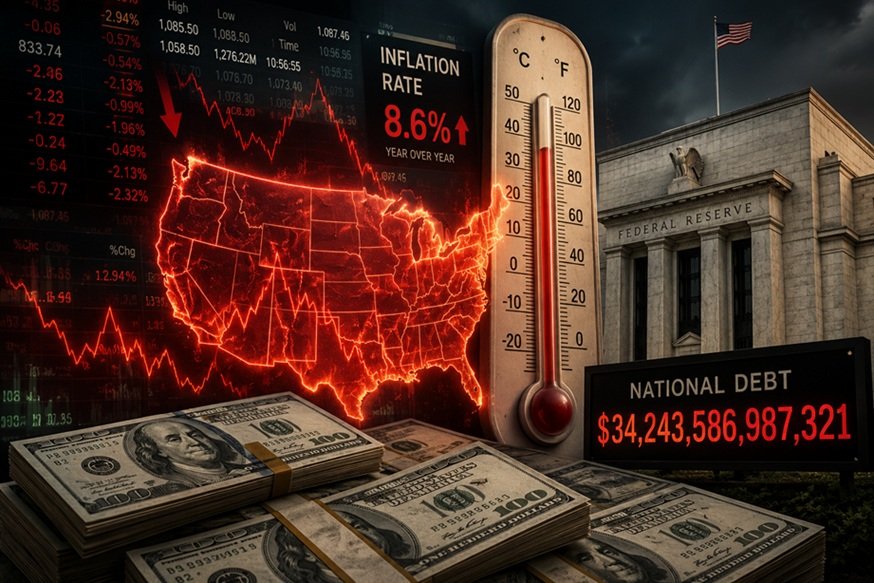
“At present, many economists are analyzing the American economy, which is going to overheat (fever). This is all due to its involvement in a long-period war.”
As geopolitical tensions continue in different parts of the world and government spending remains high, concerns have emerged about the long-term health of the American economy. Some analysts argue that extensive military commitments and rising public debt could place pressure on economic stability. However, to understand whether the United States is truly experiencing an economic “fever,” it is important first to understand what economic overheating means.
What Is an Overheated Economy?
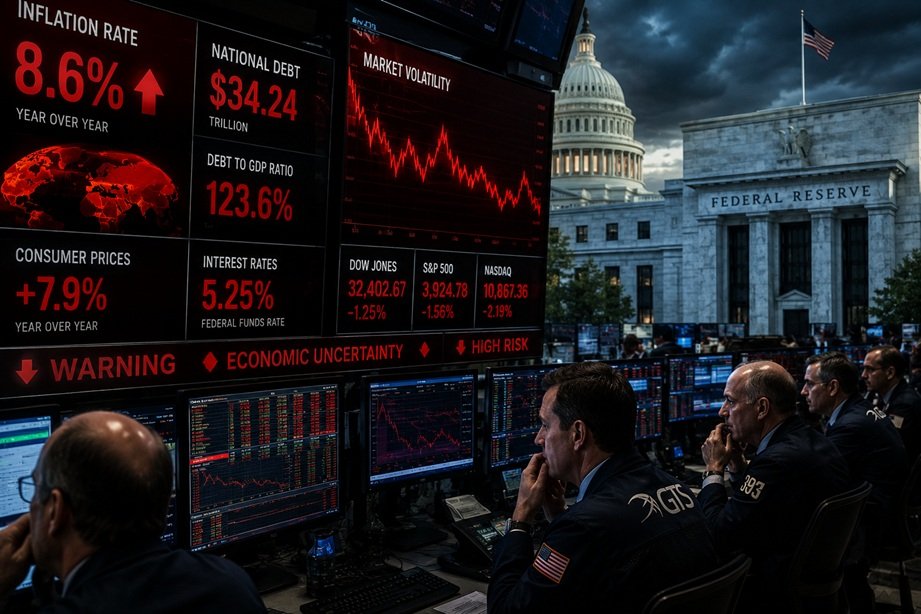
An overheated economy occurs when economic growth expands beyond its sustainable capacity. In such a situation, consumer demand, government spending, and investment grow so rapidly that businesses struggle to meet demand. This often leads to rising prices, labor shortages, wage pressures, and higher inflation.
The famous British economist John Maynard Keynes argued that excessive demand in an economy can push production beyond normal limits, creating inflationary pressures. Similarly, economist Milton Friedman emphasized that inflation often results when too much money chases too few goods and services.
Common signs of an overheating economy include:
- Rapid inflation and rising consumer prices.
- Strong consumer spending that exceeds production capacity.
- Labor shortages and rising wages.
- Asset bubbles in stock markets or real estate.
- Increased government borrowing and fiscal deficits.
Economists often compare an overheated economy to a human body with a fever. While some warmth indicates activity and growth, excessive heat can damage the system if left unchecked.
The Actual Position of the American Economy
The current state of the U.S. economy presents a mixed picture. On one hand, the United States remains the world’s largest economy, supported by strong consumer spending, technological innovation, and a relatively resilient labor market. Unemployment levels have remained historically low, and sectors such as artificial intelligence, advanced manufacturing, and digital services continue to attract significant investment.
On the other hand, several challenges have raised concerns among economists:
Inflation Pressures
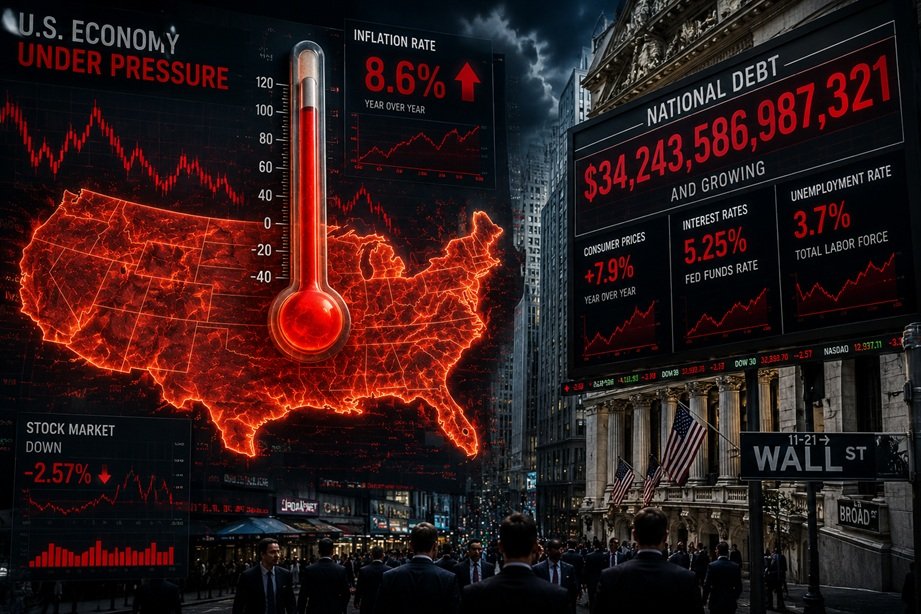
Although inflation has fallen from the unusually high levels experienced after the COVID-19 pandemic, prices remain significantly higher than they were a few years ago. Many American households continue to face higher costs for housing, healthcare, and everyday goods.
Rising National Debt
The federal government’s debt has increased substantially due to years of budget deficits, pandemic-related spending, and military expenditures. Some economists warn that continued borrowing could limit future economic flexibility and increase interest costs.
High Interest Rates
To control inflation, the U.S. central bank, the Federal Reserve System, has maintained relatively high interest rates. While these measures help reduce inflation, they also make borrowing more expensive for businesses and consumers.
Impact of Long-Term Military Commitments
Historically, prolonged military engagements can place pressure on government finances. Increased defense spending may contribute to higher budget deficits if not balanced by revenue growth or spending reductions elsewhere. However, economists differ on the extent to which current military commitments alone are responsible for economic challenges. Most believe that inflation, fiscal policy, global supply chains, and monetary policy play a larger role in shaping the overall economic outlook.

Is America Really Suffering from Economic Fever?
The evidence suggests that the United States is not currently experiencing a classic case of economic overheating. While inflation, debt levels, and government spending remain concerns, economic growth has moderated and inflation has eased compared with its peak levels.
Instead of a severe economic fever, the American economy appears to be undergoing a period of adjustment. Policymakers are attempting to balance growth, inflation control, employment, and fiscal sustainability. The economy faces challenges, but it also retains significant strengths, including innovation, productivity, and global financial influence.
Conclusion
The concept of an “economic fever” refers to an economy that grows beyond sustainable limits, creating inflation and financial imbalances. Economists such as John Maynard Keynes and Milton Friedman highlighted how excessive demand and monetary expansion can contribute to overheating. While concerns about debt, inflation, and long-term military spending persist, the current American economy does not fully fit the definition of an overheated economy. Rather, it is navigating a complex period of economic adjustment while maintaining many of its fundamental strengths.