
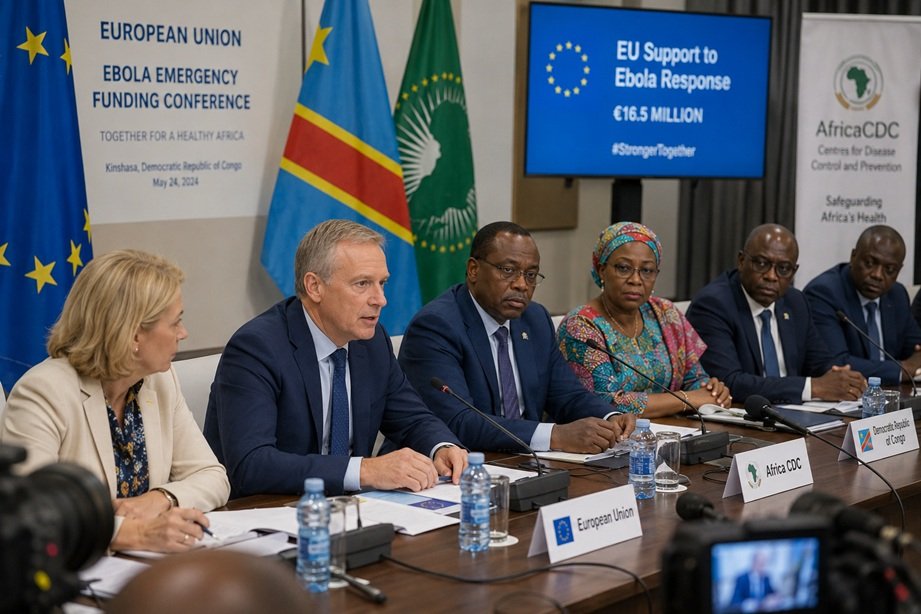
The European Union has intensified its efforts in addressing one of the most urgent public health crises in Africa, unveiling an additional €16.5 million to combat the ongoing Ebola epidemic in the Democratic Republic of Congo (DRC) and enhance preparedness initiatives throughout the area. This latest financial commitment arrives at a pivotal moment as health officials strive to halt the further spread of the lethal virus and bolster healthcare systems that are under significant strain.
This funding announcement reflects the increasing global concern regarding the outbreak, which has extended across various provinces and triggered collaborative responses from governments, humanitarian groups, the World Health Organization (WHO), and the Africa Centres for Disease Control and Prevention (Africa CDC). With a rise in confirmed cases and a continued high risk of cross-border transmission, the newly allocated funds are anticipated to be crucial in areas such as disease surveillance, medical interventions, community involvement, and readiness for emergencies.
Analyzing the Current Ebola Situation
Ebola stands as one of the most perilous viral illnesses worldwide due to its elevated fatality rates and its rapid transmission in regions with inadequate healthcare resources. The ongoing outbreak, attributed to the Bundibugyo strain of the virus, presents substantial challenges, especially since there is currently no approved vaccine targeting this specific strain.
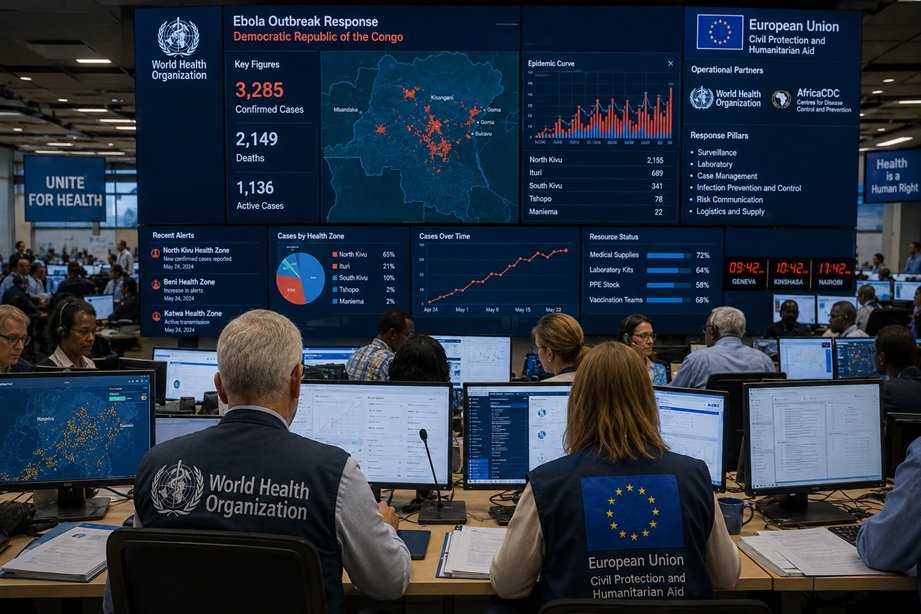
Health authorities first detected strange clusters of illness in eastern Congo, which laboratory tests later confirmed to be Ebola. Since then, the outbreak has broadened into multiple health zones, raising alarms among global health organizations and neighboring nations. The outbreak’s spread across various provinces illustrates the challenges of managing outbreaks in areas plagued by conflict, displacement, and insufficient healthcare access.
The World Health Organization has deemed the situation a Public Health Emergency of International Concern, emphasizing the critical nature of the threat and the urgent need for global intervention.
Reasons Behind the European Union’s Increased Funding
The newly introduced financial support showcases the European Union’s commitment to aiding frontline responders and enhancing health security across the region. Officials from the European Commission noted that the funding announcement followed high-level dialogues with African health entities and assessments carried out in impacted regions.
The additional funds aim to tackle several urgent needs:
- Monitoring disease and identifying cases
- Conducting laboratory tests and diagnostics
- Training healthcare providers
- Implementing infection prevention and control measures
- Running community awareness initiatives
- Facilitating emergency logistics and supplying medical resources
- Establishing cross-border preparedness strategies
These investments are deemed vital for curbing the further spread of the virus and ensuring that health systems can effectively handle any new infections.
This announcement also aligns with the EU’s broader approach to promote African-led health programs and reinforce collaborations with regional organizations.
Utilization of the Funding
Enhancing Disease Monitoring
A key aspect of the response focuses on strengthening surveillance systems. The early detection of Ebola cases greatly enhances the likelihood of successful containment.
The new funding will aid in the expansion of monitoring networks, refinement of reporting mechanisms, and support for rapid-response teams capable of swiftly investigating suspected cases. Improved surveillance is especially crucial in remote areas where healthcare infrastructures are still lacking.
Supporting Medical Personnel
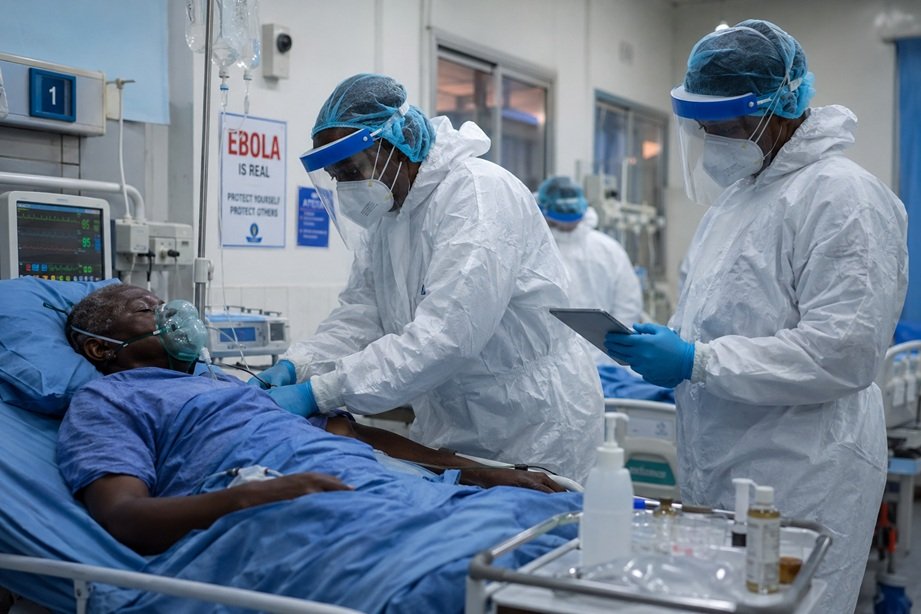
Frontline medical workers form the essential foundation of every response to the Ebola crisis. Physicians, nurses, lab experts, and community health advocates take on significant risks as they care for those infected and work to detect new cases.
The financial initiative provides resources for training sessions, protective gear, and operational support necessary to ensure the safety of healthcare workers while delivering crucial services.
Enhancing Laboratory Capacity
During an outbreak, timely and precise testing is vital. Delays in identifying cases may result in the unknowing transmission of the virus to others in the community.
Monetary assistance will allow laboratories to increase their testing capacity, obtain specialized tools, and enhance sample transportation mechanisms. Improved diagnostic capabilities can greatly shorten response times and facilitate better outbreak management.
The Relevance of EU Ebola Outbreak Support
The role of EU Ebola Outbreak Support goes beyond monetary aid. It signifies a united global initiative to tackle a health crisis that carries consequences stretching beyond the affected nations.
International health authorities have consistently pointed out that outbreaks of infectious diseases ignore geopolitical boundaries. Therefore, swift containment measures are crucial not only for the safety of local populations but also for minimizing broader regional and global threats.
European leaders have highlighted the necessity of collaborating closely with African organizations to guarantee that interventions are tailored to local needs and grounded in the realities experienced on the ground.
Obstacles in Ebola Containment Efforts
Conflict and Displacement
A major hindrance to controlling the outbreak is the persistent instability in certain regions of eastern Congo.
Conflict has displaced millions, leading to conditions that can facilitate the transmission of the disease. Overcrowded shelters, inadequate sanitation options, and limited access to healthcare complicate efforts to contain the virus.
Healthcare workers often encounter logistical obstacles and security issues when trying to reach at-risk populations in isolated or conflict-affected areas.
Community Trust
Efficient responses to Ebola rely significantly on the involvement of community members. Health authorities need to cultivate trust among local populations to promote symptom reporting, acceptance of medical treatment, and compliance with preventive strategies.
Historical outbreaks have demonstrated that misinformation and fear can obstruct response initiatives. Programs that engage the community, funded through international support, are crucial in confronting these issues.
Insufficient Healthcare Infrastructure
Numerous affected areas already contend with a shortage of medical personnel, healthcare equipment, and hospital facilities.
When an outbreak strikes, these pre-existing challenges can quickly become overwhelming. International aid plays a crucial role in alleviating these deficits while fostering long-term improvements in the resilience of health systems.
Regional Preparedness Initiatives
The response approach goes beyond the Democratic Republic of Congo. Surrounding nations are also ramping up their preparedness efforts to minimize the risk of the virus spreading across borders.
Preparedness activities consist of:
- Health screenings at borders
- Establishing emergency operations centers
- Training healthcare staff
- Stockpiling medical resources
- Reinforcing laboratory networks
- Conducting public awareness initiatives
These strategies aim to ensure that potential cases are quickly identified and managed if the virus begins to spread into other countries.
Collaboration among regions has become essential to contemporary outbreak management, especially in areas where there is significant population movement across national lines.
International Organizations Unite in the Battle
The latest commitment from the European Union enhances broader global efforts to manage the outbreak effectively.
The World Health Organization, in conjunction with Africa CDC, has recently introduced an extensive response plan worth over $500 million. This strategy emphasizes:
- Monitoring
- Testing
- Emergency management
- Prevention of infection
- Clinical treatment
- Involvement of the community in impacted areas
Multiple nations have also declared extra funding to enhance response efforts and readiness programs.
This increasing global involvement demonstrates an understanding that Ebola epidemics necessitate ongoing financial and operational backing to effectively manage and control outbreaks.
Humanitarian Air Bridges and Emergency Logistics
During a health crisis, solely providing financial aid is insufficient. Swift provision of essential supplies also plays a critical role.
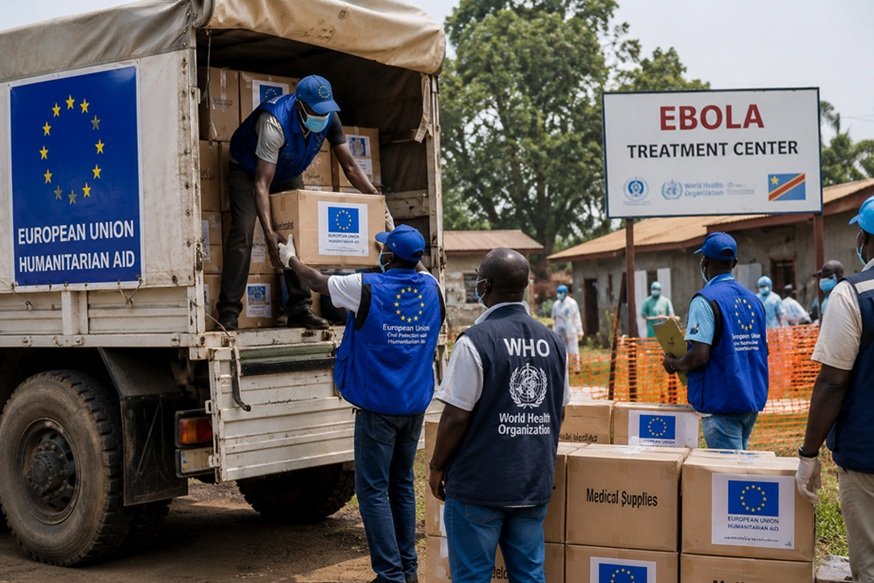
The European Union has engaged in the transportation of urgent materials, such as personal protective gear, medications, diagnostic instruments, and supplies for infection management. Humanitarian air bridge initiatives have facilitated the relocation of vital resources to areas impacted, where transportation systems may be lacking.
Effective logistics frameworks guarantee that those working on the frontline acquire the necessary equipment promptly and in the required locations.
Essential Supplies Being Delivered
Crucial items consist of:
- Personal protective gear (PPE)
- Sample collection kits
- Materials for laboratory testing
- Medications and supportive therapies
- Equipment for infection prevention
- Supplies for emergency shelters
These items are vital for safeguarding healthcare professionals and ensuring operational capability during an epidemic.
Why Early Action Matters
Past experiences have shown that lagging responses can lead to exponentially larger and more challenging Ebola outbreaks to manage.
Swift interventions yield multiple benefits:
- Quicker identification of cases
- Faster isolation of infected individuals
- Enhanced contact tracing
- Decreased transmission rates
- Better safety for healthcare providers
- Overall reduction in mortality
Public health authorities regularly stress that early investments in outbreak management can ultimately save lives and resources over time.
Consequently, the latest funding announcement is regarded as a preemptive strategy aimed at curbing further intensification of the crisis.
Global Health Security and Future Preparedness
The current outbreak has once more underscored the necessity for robust health infrastructure and global collaboration.
The rise of new infectious diseases continues to be a significant concern in an increasingly interconnected globe. Investments in monitoring, diagnostic capabilities, workforce training, and emergency readiness foster resilience against both ongoing threats and future outbreaks.
Health professionals contend that enhancing national and regional capabilities today will lead to better responses to upcoming epidemics and lower the chances of widespread health crises.
Insights gained from the present Ebola response initiatives are expected to shape future public health approaches throughout Africa and elsewhere.
Conclusion
The announcement of €16.5 million in EU support for the Ebola outbreak signifies a meaningful enhancement to current efforts focused on managing one of Africa’s most severe public health challenges. By financing surveillance, healthcare provisions, laboratory infrastructure, community involvement, and preparedness initiatives, the European Union is supplying essential resources to a response that necessitates global collaboration and ongoing dedication.
As health officials persist in their efforts to contain the outbreak, international cooperation will be crucial. The synergy of financial aid, technical knowledge, logistical support, and regional coordination presents the best opportunity to slow down transmission, safeguard at-risk communities, and prevent further viral spread. While significant obstacles persist, the latest funding commitment showcases that the international community acknowledges the urgency of the situation and is ready to back measures to control the outbreak effectively.