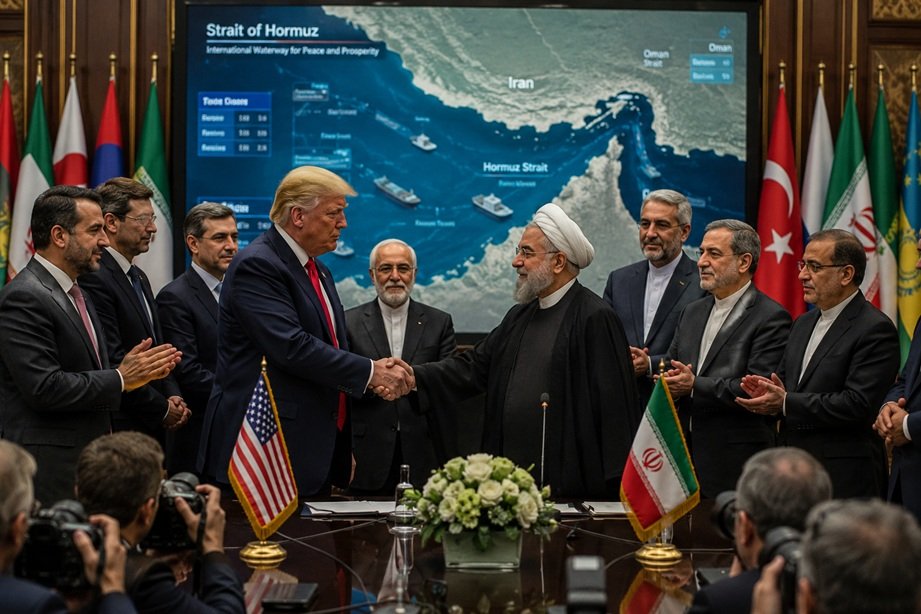

A potential significant diplomatic advancement between the United States and Iran is now among the most monitored global events of 2026. Following months filled with negotiations, mediation, military conflicts, and economic unpredictability, both nations seem nearer than ever to finalizing a formal deal that could alter the political landscape of the Middle East and influence worldwide energy markets.
Recent remarks by U.S. President Donald Trump imply that a signing event might occur as soon as Sunday. One of the most crucial results being negotiated is the reopening of the Strait of Hormuz, an essential maritime passageway through which a large portion of the global oil supply transits. While U.S. officials and international negotiators have shown optimism, Iranian representatives have urged a cautious approach regarding the timeline, suggesting that final details remain under discussion.
As the world anticipates confirmation, investors, government officials, energy firms, and regional authorities are meticulously observing every development. The prospective agreement has implications that extend far beyond the relationship between the two countries, influencing oil market prices, regional safety, nuclear discussions, and global trade.
Analyzing the Current Diplomatic Progress
The recent advancements did not materialize suddenly. The relationship between Washington and Tehran has been marked by years of tension, including sanctions, military skirmishes, and disputes over Iran’s nuclear intentions.
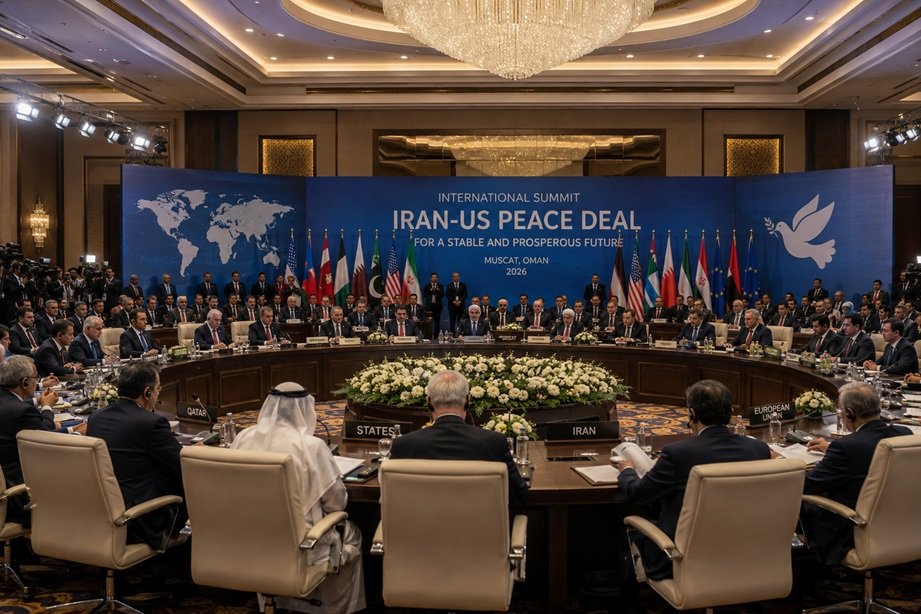
In recent months, international negotiators from Pakistan, Qatar, Egypt, and Turkey have helped facilitate talks aimed at de-escalating conflicts and establishing a foundation for wider negotiations. Reports suggest that both governments have gradually converged on several contentious issues, paving the way for a potential breakthrough.
The latest updates have significantly raised hopes that the Iran-US Peace Agreement is approaching a historic resolution.
The Importance of the Strait of Hormuz
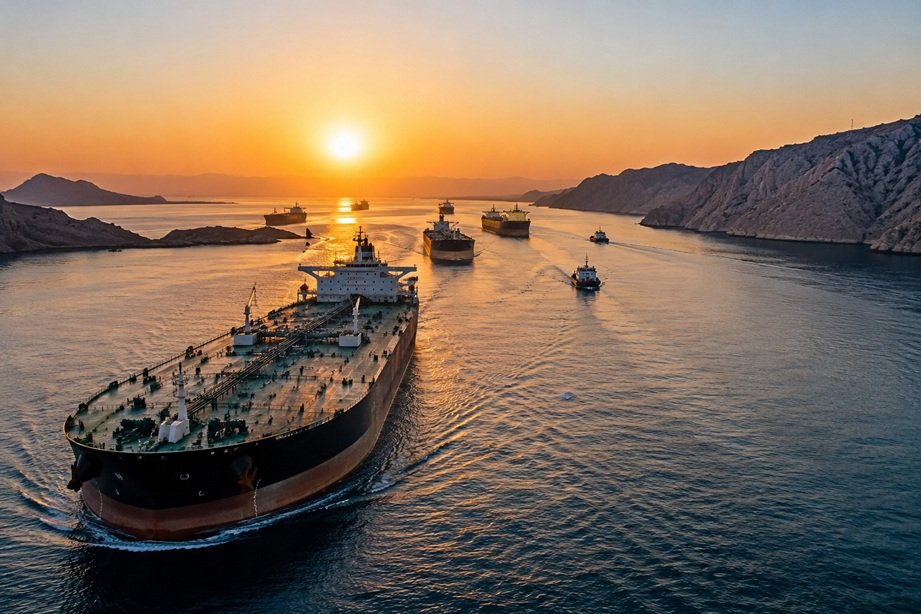
The Strait of Hormuz ranks among the most strategically significant maritime routes globally. Situated between Iran and Oman, it acts as a crucial shipping corridor linking the oil-producing Gulf states to international markets.
Any disruption to this channel has quick ramifications for energy prices and global trade. During recent periods of heightened tension, worries regarding shipping limitations and security concerns contributed to fluctuations in oil markets and increased uncertainty for importing nations.
Main Reasons Why Hormuz Is Essential
- A significant share of global oil exports passes through this strait.
- Asian economies are heavily dependent on energy deliveries that traverse this route.
- Disruptions in shipping can swiftly escalate transportation and fuel expenses.
- Financial markets typically react strongly to changes impacting this channel.
President Trump has declared that the waterway would be “accessible to all” right after the agreement is finalized, a statement that has attracted considerable global attention.
Trump’s Stance on the Proposed Deal
President Trump has characterized the developing framework as distinctly different from earlier agreements related to Iran. Based on his public comments, the arrangement would aim to prevent Iran from acquiring nuclear weapons while enhancing regional stability and restoring free navigation through the Strait of Hormuz.
Trump has consistently stated that the agreement would establish stronger protections against nuclear arms spread, in contrast to previous diplomatic efforts. He has also pointed out the possible economic advantages that may result from lowered tensions and the normalization of shipping activities.
The administration views the discussions as a chance to meet several goals:
- Minimize the chances of military conflict.
- Reinstate balance in energy markets.
- Initiate a systematic approach to tackle nuclear issues.
- Enhance diplomatic interactions throughout the region.
These changes have sparked headlines indicating that the Iran-US Peace Agreement is approaching a critical moment.
Iran’s Reaction and Persistent Concerns
In spite of rising hope, Tehran has adopted a more careful stance. Representatives from the Iranian Foreign Ministry have recognized advancements but have hesitated to affirm the specific signing date suggested by Washington. Officials have noted that a deal may materialize in the near future rather than solely on Sunday.
Iranian Foreign Minister Abbas Araghchi has mentioned that negotiations have “never been closer” to achieving success, showcasing an unparalleled level of optimism from Tehran. Concurrently, there remains a visible internal political opposition, with certain hardline factions voicing criticism of the diplomatic efforts.
Domestic Issues Facing Iran
Negotiators are tasked with balancing international discussions with local political realities. Several elements complicate the situation:
- Worries regarding the enforcement of sanctions relief.
- Discussions on nuclear obligations.
- Influence from hardline political groups.
- Regional security issues related to neighboring countries.
These internal factors clarify why Iranian officials shy away from making definite commitments about timing.
Nuclear Matters Stay at the Forefront
Although the reopening of Hormuz has garnered significant attention, the nuclear matter continues to be a focal point in the negotiations.
Reports suggest that the initial phase of the proposed agreement emphasizes de-escalation strategies, maritime access, and trust-building efforts. More comprehensive discussions regarding Iran’s nuclear initiatives would take place later in the negotiation process.
Suggested Nuclear Framework
Recent reports indicate that discussions might encompass:
- Improved monitoring systems.
- Limitations on the development of nuclear weapons.
- Oversight of enriched uranium inventories.
- International verification processes.
- Prolonged diplomatic discussions.
While specific details are still being negotiated, both parties seem dedicated to pursuing talks after finalizing the initial agreement.
Analysts observe that the Iran-US Peace Deal is approaching a point where technical nuclear discussions could become the main focus.
Economic Consequences for Global Markets
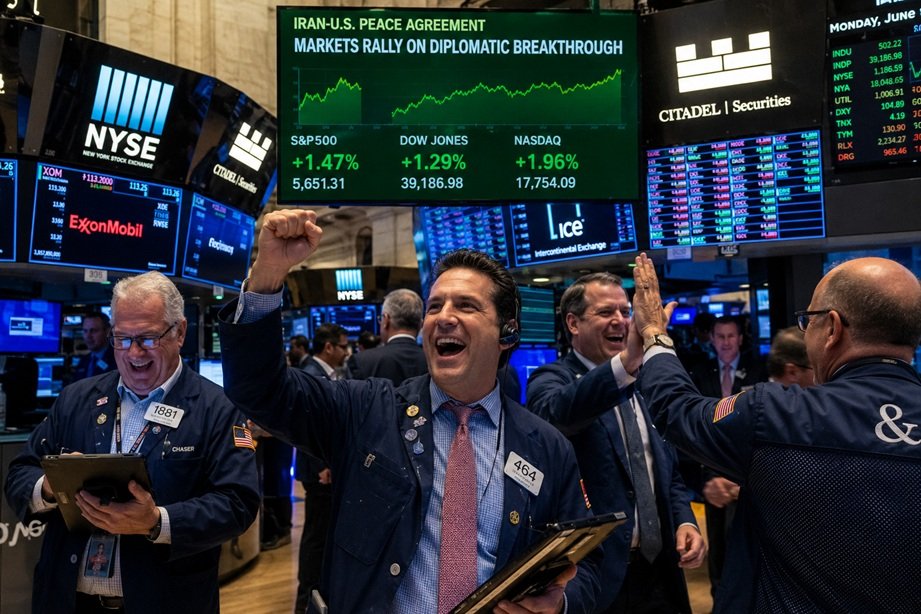
Financial markets have reacted favorably to positive signs of diplomatic progress.
One of the immediate impacts has been the pressure on oil prices. Traders expect that decreased tensions and the reopening of Hormuz might enhance supply stability and reduce risk premiums tied to energy exports from the Middle East.
Possible Economic Advantages
Should the agreement be successfully implemented, several results could occur:
- Boosted confidence in international energy markets.
- More reliable oil transport routes.
- Decreased geopolitical risk premiums.
- Improved investment outlook.
- Expanded regional trade prospects.
For nations heavily reliant on energy imports, these developments could bring much-needed relief after prolonged uncertainty.
Reactions from the Middle East
The prospective agreement has elicited a range of responses across the region.
Some nations see the discussions as a chance to lessen hostilities and promote economic collaboration. Meanwhile, others are more reserved, worried that the developing ties between Washington and Tehran could shift the balance of power in the region.
Israel’s Outlook
Israel has been particularly vigilant regarding the negotiations. Concerns surrounding Iran’s nuclear potential continue to shape Israeli views on any potential agreement. Sources indicate that differences persist related to wider regional security frameworks and military operations involving Iran’s allies.
Gulf Nations and Global Intermediaries
The nations participating in mediation efforts have, for the most part, applauded the advancements made thus far. Pakistan, Qatar, Egypt, and Turkey have been crucial in facilitating discussions and keeping open communication lines between both sides.
Their participation has been essential in maintaining progress during significant stages of the negotiations.
The Function of Global Diplomacy
The recent development underscores the significance of multilateral diplomacy in addressing intricate disputes.
International negotiators have endeavored to reconcile differing views on delicate matters such as sanctions, shipping rights, security assurances, and nuclear oversight. Their initiatives illustrate the potential for regional collaborations to enhance wider peace efforts.
Key Diplomatic Elements
Diplomatic specialists observe that achieving effective agreements frequently necessitates:
- Ongoing dialogue.
- Measures to build trust.
- Mediation by neutral parties.
- Phased implementation strategies.
- Mechanisms for verification.
Many of these components appear to be included in the ongoing talks.
Obstacles That Might Still Postpone an Agreement
Despite a marked increase in optimism, there are still major obstacles to overcome.
Diplomatic accords that deal with security, sanctions, and nuclear matters are intrinsically complicated. Even small points of contention can impair implementation or necessitate further negotiations.
Critical Concerns
- Disagreements regarding timelines for implementation.
- Opposition from domestic political entities.
- Incidents affecting regional security.
- Conflicts over verification processes.
- Issues related to sanctions.
Recent updates suggest that certain elements of the proposed deal still mandate technical discussions and final approvals.
Due to these uncertainties, analysts maintain a cautious stance, even though encouraging signs are emerging from both parties.
The nearing finalization of the Iran-US Peace Deal does not ensure immediate effectiveness.
What Occurs If the Agreement Is Formalized?
If the anticipated signing takes place, the immediate attention would transition to implementation.
The initial phase would probably include reopening maritime access, extending ceasefire protocols, and starting comprehensive nuclear discussions. Technical teams from both parties would subsequently address operational specifics and verification standards.
Anticipated Subsequent Actions
- Official announcement of the agreement.
- Reopening actions for the Hormuz Strait.
- Initiation of technical discussions.
- Dialogue on nuclear compliance.
- Phased execution of economic terms.
Successful implementation would signify one of the most consequential diplomatic advancements in the Middle East in recent years.
Consequences for Energy Prices and Consumers
For everyday consumers, the most apparent consequence might surface in energy markets.
When geopolitical tensions jeopardize oil transport routes, costs for transportation and fuel typically rise. A stable route through Hormuz could lead to more predictability in global energy distribution and may help ease inflationary pressures on prices.
Companies reliant on shipping and transportation would also gain from diminished uncertainty and lowered risk-related expenses.
This economic aspect clarifies why markets have attentively monitored every sign of the Iran-US Peace Deal approaching final endorsement.
Global Relevance Beyond the Middle East
The ramifications reach far beyond the local area.
Significant economies in Asia, Europe, and North America have a vested interest in reliable energy resources and secure shipping lanes. Any agreement that alleviates conflict potential and enhances maritime access can affect global trading patterns and economic expansion.
Moreover, advancements in U.S.-Iran relations might pave the way for wider diplomatic efforts on other regional issues.
International organizations and allied nations are anticipated to vigilantly oversee the implementation should the agreement proceed.
Final Thoughts
The emerging understanding between the United States and Iran signifies a potentially pivotal shift in global diplomacy. Remarks from President Trump, optimism shown by negotiators, and encouraging indications from Iranian representatives have generated hopes that a formal agreement may soon be reached. Although there are still some disputes regarding the exact schedule, both parties seem to be approaching an agreement more closely than at any previous time in the last few years.
The reopening of the Strait of Hormuz, the chance of revived discussions on nuclear issues, and the potential for diminished tensions in the region have garnered worldwide interest. Economies, leaders, and the public all acknowledge the significance of these changes.
Regardless of whether the accord is signed on Sunday or concluded soon after, the globe is observing a major diplomatic initiative that could transform politics in the Middle East, enhance energy security, and initiate a new phase in U.S.-Iran relations. As discussions progress, everyone’s focus remains on the subsequent steps in a process that could alter regional stability for an extended period. Increasing signs indicate that an Iran-US Peace Agreement is approaching a significant landmark.