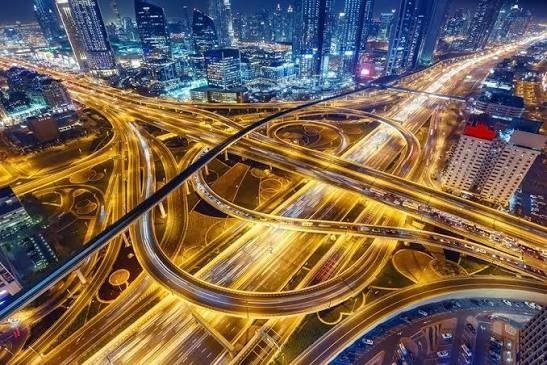

Dubai has once more solidified its status as a top global city known for exceptional infrastructure development. The emirate’s Roads and Transport Authority (RTA) has recently finalized a significant maintenance and renovation initiative that spanned 17 kilometers of roadways through key routes and neighborhoods. This project marks a vital advancement in bolstering Dubai’s transportation framework while promoting safer and smoother travel experiences for residents, businesses, and visitors alike.
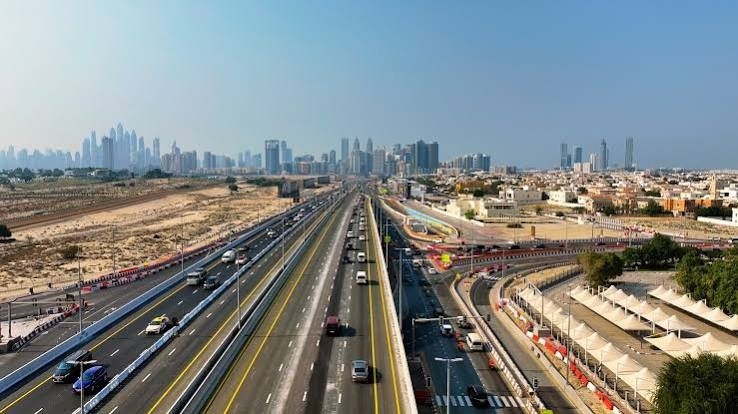
The recent enhancements were implemented as part of the RTA’s yearly maintenance schedule and concentrated on upholding road quality, improving traffic flow, and backing Dubai’s long-term urban development strategies. The work accomplished included upgrades to freeways, main roads, residential avenues, industrial zones, and bicycle paths throughout various areas of the city.
Importance of the Latest Road Initiative
Dubai is witnessing swift population growth, rising vehicle ownership, and increasing commercial activities. Consequently, it has become crucial to uphold top-tier transportation infrastructure to foster economic progress and ensure effective mobility.
The newly finished Dubai Road Rehabilitation initiative tackles these issues by maintaining road conditions before they suffer severe damage. Instead of waiting for major problems to arise, the RTA employs a forward-thinking approach that prolongs the lifespan of infrastructure while reducing future repair expenses.
This strategy aligns with Dubai’s overarching goal of becoming one of the globe’s most interconnected and sustainable metropolises.
Overview of the 17km Rehabilitation Project
The maintenance initiative encompassed nine significant streets and six different neighborhoods throughout Dubai. As stated by the RTA, the project entailed thorough resurfacing, repairs, evaluations, and enhancements aimed at maintaining operational functionality across the network.
Several of Dubai’s most heavily used roads were improved, including:
- Sheikh Mohammed Bin Zayed Road
- Al Khawaneej Street
- Sheikh Zayed Bin Hamdan Al Nahyan Street
- Baghdad Street
- Al Manama Street
- Algeria Street
- King Salman Bin Abdulaziz Al Saud Street
- Riyadh Street
- Amman Street
- Al Wuheida Street
- Zabeel Palace Street
These routes are essential for linking residential neighborhoods, commercial districts, industrial sections, and business centers throughout the emirate.
Highlighting Key Districts in the Initiative
The project was not limited to major roadways; it also targeted enhancing internal road systems within several crucial districts.
Included areas were:
- Mirdif
- Zaabeel 1
- Margham
- Jebel Ali Industrial 2
- Al Thanyah Fifth
- Al Garhoud
By enhancing both primary thoroughfares and local roads, authorities guaranteed that the infrastructure upgrades would benefit a wide range of road users across the city.
How Preventive Maintenance Fuels Dubai’s Development
A key aspect of Dubai’s infrastructure strategy is its focus on preventive maintenance over reactive repairs.
The RTA employs advanced inspection techniques to continuously assess road conditions. This allows engineers to detect early signs of wear, cracks, surface impairment, and structural frailties before they escalate into significant problems.
The recently finalized Dubai Road Rehabilitation project serves as a prime illustration of this principle in practice.
Utilizing Advanced Technology for Road Evaluations
As per RTA officials, annual inspection strategies depend on contemporary technologies that enhance precision and effectiveness.
These technologies encompass:
- Laser-based assessments of road conditions
- Artificial intelligence analytics
- Surface damage monitoring systems
- Crack detection technology
- Predictive maintenance modelling
These instruments empower engineers to obtain in-depth insights regarding pavement condition and to prioritize repairs in areas that require immediate attention.
Extending Infrastructure Lifespan
Proactive maintenance provides numerous long-term advantages.
Rather than having to replace entire segments of roads after they have severely deteriorated, local authorities can carry out focused repairs earlier. This approach lowers expenses, limits interruptions, and prolongs the lifespan of road infrastructures.
For a swiftly developing city like Dubai, this method is particularly beneficial as it aids in safeguarding investments in infrastructure while upholding high standards of service.
Impact on Traffic Flow and Commuters
Traffic efficiency is a key concern for transport authorities throughout Dubai.
The rehabilitation initiative directly enhances smoother traffic flow by removing damaged road surfaces, enhancing driving conditions, and decreasing the chances of future maintenance-related disruptions.
Motorists traveling on improved routes are anticipated to encounter:
- Enhanced ride quality
- Increased road safety
- Less wear on vehicles
- Greater driving comfort
- More uniform traffic flow
While these enhancements may appear minor on their own, they collectively lead to a vastly improved commuting experience throughout the city.
Supporting Road Safety Objectives
The upkeep of roads is essential for traffic safety.
Damaged surfaces, potholes, cracks, and uneven roads can elevate accident rates and adversely impact vehicle control. By addressing these issues in advance, the RTA bolsters safety standards across the entire network.
The Dubai Road Rehabilitation program aligns with the authority’s wider goal of ensuring a secure and dependable transportation system for all users.
Safety advancements that arise from maintenance work frequently involve better road markings, smoother surfaces, enhanced drainage capabilities, and improved visibility for drivers.
Connection to Dubai’s Long-Term Infrastructure Vision
Dubai’s transportation policy goes beyond basic maintenance tasks.
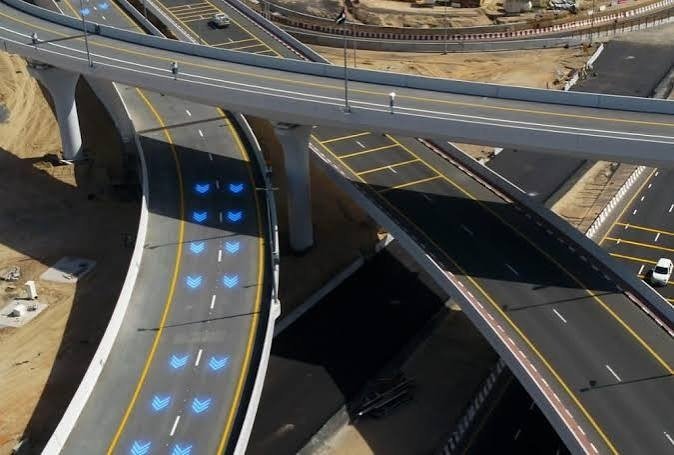
The emirate continues to invest significantly in roads, bridges, public transport, cycling paths, and smart mobility initiatives. The recent rehabilitation program is part of a broader plan designed to keep transportation infrastructures aligned with economic and population expansions.
As new residential areas, business hubs, and tourism spots are developed, maintaining current infrastructure is as crucial as launching new projects.
Balancing Expansion and Maintenance
Cities frequently draw public focus toward large construction efforts. However, preserving existing resources is equally crucial.
Dubai’s strategy merges these two priorities:
- Development of new infrastructure
- Renovating current facilities
- Expanding transport systems
- Ongoing maintenance initiatives
- Integration of smart mobility
This well-rounded approach ensures that infrastructure retains its reliability even as the city grows.
The Role of RTA in Infrastructure Excellence
Over the past twenty years, the Roads and Transport Authority has emerged as a pivotal force in Dubai’s transportation evolution.
From state-of-the-art highways to cutting-edge public transport systems, the organization manages various projects that facilitate daily mobility across the emirate.
The latest Dubai Road Rehabilitation program illustrates the authority’s unwavering dedication to upholding global standards within the road network.
Continuous Network Monitoring
An essential feature of the RTA’s maintenance strategy is its ongoing monitoring.
Instead of depending exclusively on routine inspections, officials gather information continuously during the year to assess how well roads are performing and to spot potential problems.
This method that relies on data assists in making sure that maintenance resources are used effectively while optimizing the dependability of the infrastructure.
Environmental and Economic Advantages
Decreased Vehicle Operating Costs
Well-kept roads aid in diminishing:
- Fuel usage
- Tire deterioration
- Suspension wear
- Vehicle upkeep costs
Over time, both drivers and companies gain from reduced expenses of operation.
Enhanced Economic Productivity
Effective transportation frameworks play a significant role in economic success.
When roads function efficiently:
- Delivery schedules improve
- Business logistics gain reliability
- Employee mobility enhances
- Commercial operations face fewer interruptions
For a prominent international business center like Dubai, effective transportation serves as a crucial competitive edge.
Promoting Sustainability Goals
The upkeep of road infrastructure can aid in achieving sustainability aims.
Even road surfaces typically boost fuel efficiency while lowering vehicle emissions. Furthermore, preventive maintenance reduces the necessity for extensive reconstruction efforts, which usually consume more resources and energy.
Traffic Management During Maintenance Work
Repairing frequently trafficked roads leads to notable logistical difficulties.
The RTA stated that traffic reroutes were instituted based on comprehensive analyses and global best practices to decrease disturbances and ensure safety throughout the construction process.
Thorough planning allowed engineers to finish their tasks without significantly affecting traffic flow in the impacted areas.
Significance of Public Cooperation
Drivers play a crucial role in ensuring the safety of maintenance undertakings.
Authorities consistently remind motorists to:
- Adhere to temporary traffic indications
- Maintain speed limits in work zones
- Stay vigilant around maintenance teams
- Plan routes beforehand if needed
Such collaboration helps minimize delays and enhances safety for both workers and drivers.
Dubai’s Comprehensive Transportation Progress
The road rehabilitation initiative coincides with a substantial period of transportation investment throughout Dubai.
Recent efforts encompass new pedestrian walkways, improvements to cycling infrastructure, roadway expansions, and smart mobility initiatives, all designed to bolster connectivity within the emirate.
Collectively, these efforts reflect a long-term dedication to developing a transportation system that caters to residents, tourists, businesses, and prospective growth.
Infrastructure as a Competitive Asset
Dubai’s capability to sustain modern, effective infrastructure has emerged as a key element in its global desirability.
Quality roadways facilitate:
- Tourism expansion
- Global business endeavors
- Real estate progression
- Logistical activities
- Convenience for daily commuters
By consistently investing in maintenance and enhancements, the city fortifies its standing as a premier destination for living, working, and investing.
Looking Forward
As Dubai keeps progressing, transportation infrastructure will remain vital to its achievements.
The successful maintenance and rehabilitation of 17 kilometers of road showcases how careful planning can maintain network standards while supporting long-term growth aims. With the use of advanced technology, proactive maintenance practices, and ongoing investment, the RTA ensures that Dubai’s roads are prepared to meet future demands.
The successful execution of the Dubai Road Rehabilitation program underscores the necessity of preserving current infrastructure while advancing new projects. Both residents and visitors will experience the advantages through safer travel, smoother commutes, better road conditions, and a transportation system that continues to excel among the best in the region.
As the metropolis advances with new transportation projects and improvements to infrastructure, Dubai’s dedication to outstanding transit is evident. The recent refurbishment efforts go beyond mere upkeep; they are integral to a larger strategy aimed at ensuring that one of the globe’s rapidly developing cities continues to operate smoothly for the foreseeable future.