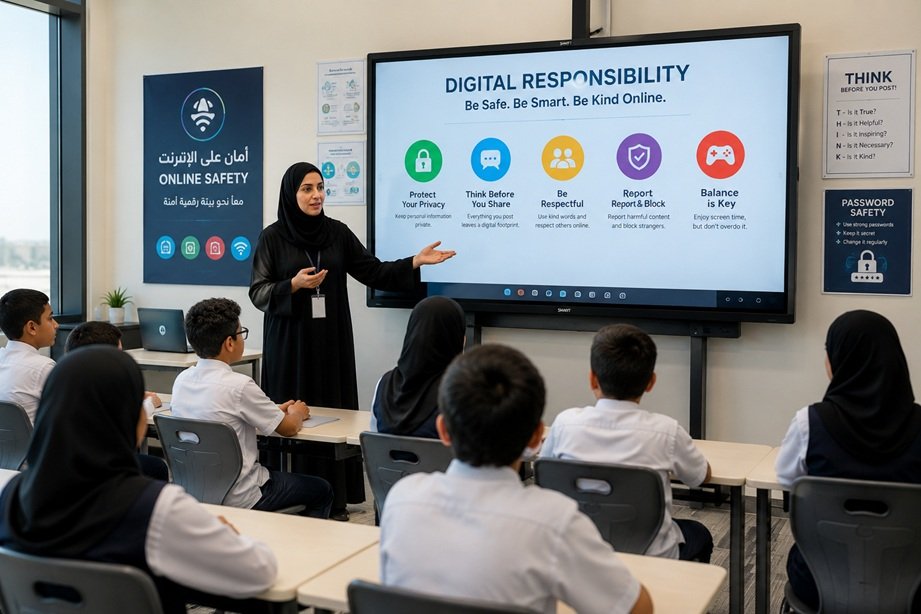

The United Arab Emirates has enacted one of the most important digital safety laws in the region by establishing a minimum age limit for using social media. This decision signifies a significant change in the way governments are managing the online safety of children and illustrates the rising global concern regarding the effects of digital platforms on younger audiences.
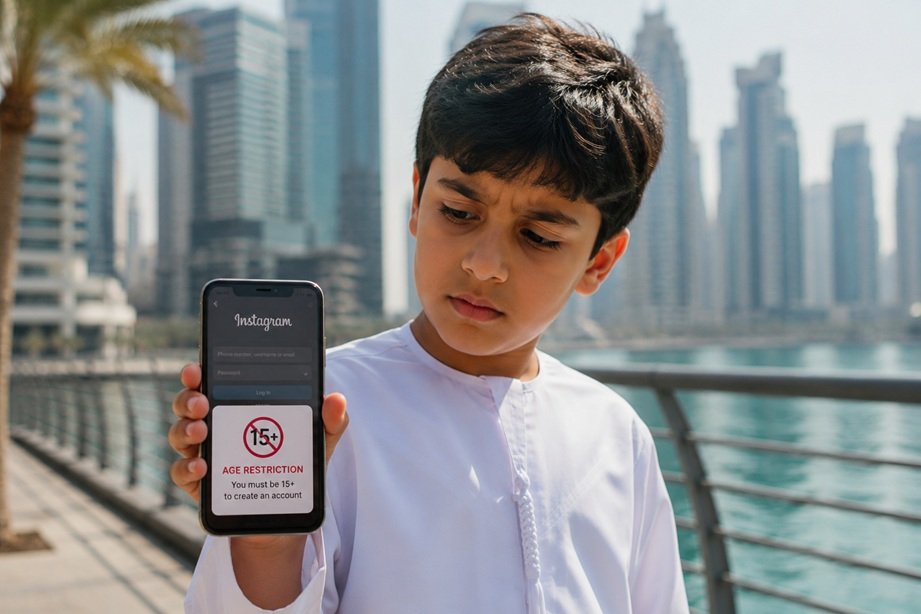
The latest law forbids individuals under 15 from establishing or managing personal social media accounts. Officials claim this initiative aims to shield minors from unsuitable content, risky online interactions, excessive screen exposure, and the inappropriate use of private information. Companies providing social media services in the nation have been allotted a period to adapt to these new regulations and enhance their age-verification processes.
As different governments around the globe deliberate on more stringent regulations concerning social media access for youth, the UAE has emerged as the first Arab country to officially adopt such a measure. This choice is expected to impact conversations about digital safety in the Middle East and further afield.

Reasons Behind the UAE’s Introduction of Social Media Regulations
The swift expansion of social media has altered the ways in which children connect, learn, and access information. While these platforms may present educational and social advantages, there has been a rise in worries about their associated dangers.
Officials identified multiple issues that led to the implementation of this policy:
- Exposure to damaging or unsuitable content
- Experiences of cyberbullying and online abuse
- Interactions with strangers
- High levels of screen use
- Surveillance and profiling of children’s private information
- Mental health issues connected to overuse of social media
Government representatives indicated that the intention of the regulation is to foster a healthier online environment while ensuring young individuals can utilize technology more safely.
The launch of the ban on social media in the UAE indicates a wider global movement, where governments are calling for enhanced protections for minors on the internet.
What Does the New Legislation Entail?
According to the newly established guidelines, children younger than 15 are forbidden from creating, managing, or using personal accounts on social media.
The restrictions extend beyond simply opening an account. Those beneath this age limit will be barred from engaging in essential activities on these platforms, which include:
- Posting content
- Sharing updates
- Leaving public comments
- Joining public groups
- Participating in open social feeds
- Involvement in large-scale public engagements
The regulations pertain to social media platforms that permit users to create profiles, disseminate content, and engage with others through algorithm-based interactions.
Consequently, the UAE’s social media ban addresses both the establishment of accounts and active participation across prominent platforms.
Rules for Youth Aged 15 and 16
The legislation does not entirely prevent teenagers from using social media when they reach the age of 15. Instead, particular protective measures will be enforced on accounts belonging to individuals aged 15 and 16.
Enhanced Safety Protocols
Accounts for teenagers must comprise more robust safety features such as:
- Content filtering appropriate for their age
- Limitations on communication with unfamiliar users
- Management tools for screen time
- Additional oversight mechanisms for parents
- Safer engagement settings
These measures are intended to mitigate risks while still permitting older teens to engage in online communities.
The social media restrictions imposed by the UAE establish a hierarchical framework wherein younger children are completely prohibited while older adolescents have regulated access.
Can Parents Bypass the Restrictions?
A significant aspect of this policy is that mere parental approval does not allow for the circumvention of age-related rules.
Despite parental consent, kids under 15 cannot create personal social media accounts. Nevertheless, parents and guardians have the ability to adjust settings for accounts owned by teenagers who are either 15 or 16, using designated parental control applications.
This method reflects the government’s goal to implement consistent regulations across all families.
How Will Platforms Age-Verify Users?
One of the key concerns regarding this directive pertains to its enforcement.
For years, social media platforms have depended on users to input their birthdates during registration. However, the new rules in the UAE will require a different approach.
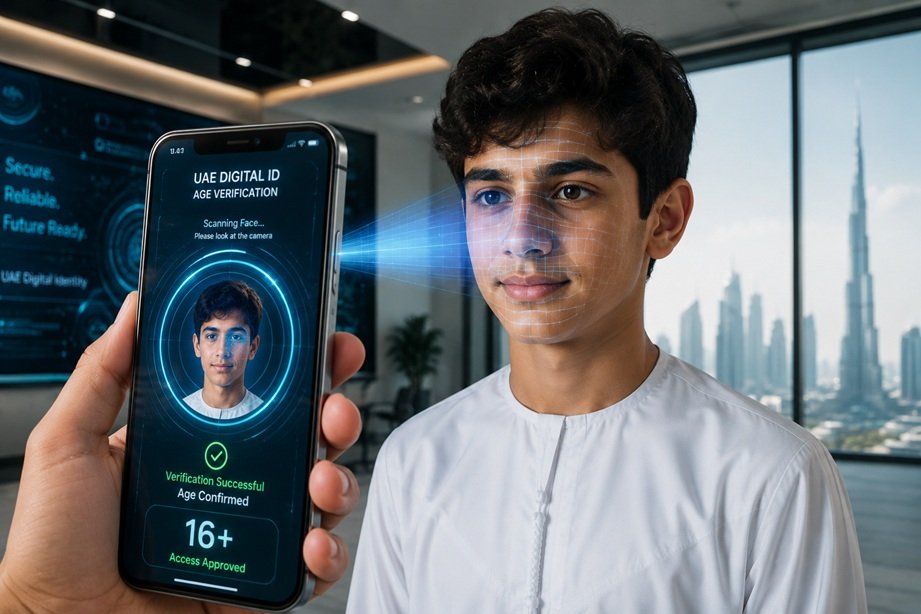
Authorities necessitate that firms implement more robust age-verification processes that might involve:
Digital Identity Validation
Platforms may have to verify a user’s age via government-sanctioned digital identity frameworks.
AI-Driven Verification
AI technologies could be employed to assist in assessing whether a user meets the minimum age requirement.
Biometric Age Verification Methods
Certain services might utilize facial age-estimation technology or other authorized biometric techniques where permitted by law.
Ongoing Surveillance
Firms are required to detect and shut down accounts that are created by users under the legal age while thwarting any attempts to evade verification protocols.
The success of the UAE’s social media regulations will largely depend on the effectiveness of these verification methods.
Implementation Timeline
The regulations will not be enforced immediately.
Social media companies have been allotted a period of up to 12 months to align with the new requirements. Throughout this transitional phase, these platforms are expected to collaborate with oversight bodies and relevant authorities to develop technical systems that can enforce the regulations.
This gradual implementation allows technology firms to modify their systems while minimizing inconvenience for users.
Consequently, the UAE social media regulations are set to be rolled out slowly instead of being implemented all at once.
Which Platforms Will Be Impacted?
The new rules extend broadly to social media platforms accessible within the nation.
Significant platforms likely to be affected include those that enable users to:
- Set up personal profiles
- Post content
- Share images and videos
- Join open communities
- Engage via comments and messaging
- Receive personalized content recommendations
Although authorities have not identified specific brands, the regulations are intended to encompass the major social networking platforms operating in the UAE.
Due to the wide-ranging language of the regulations, compliance responsibilities will extend to numerous technology enterprises.
How Does the UAE Stand Against Other Nations?
The UAE is not isolated in its efforts to implement more rigorous online protections for minors.
Numerous countries have either recently enacted or proposed regulations aimed at restricting children’s access to social media platforms.
Australia
Australia has enacted laws that require age-restricted platforms to block users under 16 from maintaining accounts. Companies could face heavy fines for non-compliance.
United Kingdom
The UK has also announced intentions to enforce stricter age verification practices and limitations for younger individuals accessing social media services.
European Countries
Multiple governments in Europe have engaged in discussions regarding systems for age verification, parental controls, and enhanced digital safeguards for minors.
The social media prohibition in the UAE positions the nation within an expanding cohort of countries aiming for more stringent regulations concerning children’s online experiences.
Potential Advantages of the New Regulation
Proponents of the rules assert that they could yield a number of beneficial results.
Enhanced Online Security
Limiting access for younger users may lessen their exposure to harmful materials and perilous interactions on the internet.
Improved Mental Well-Being
Scholars and policy-makers have increasingly expressed alarm over the connection between high social media usage and mental health issues among the youth.
Greater Privacy Safeguards
The updated regulations ban the use of minors’ data for targeted advertisements and behavioral analysis. This could considerably enhance privacy protections in the digital realm.
Boosted Parental Engagement
The newly implemented policy motivates parents to be more involved in overseeing the digital endeavors of older adolescents.
Proponents contend that the social media ban in the UAE fosters a more equitable setting in which technology can be utilized in a responsible manner.
Obstacles and Critique
In spite of robust backing for measures aimed at protecting children, some authorities have voiced apprehensions.
Privacy Concerns
Age verification typically necessitates the provision of additional personal information. Detractors are concerned that comprehensive identity confirmations could amplify the volume of data collected by tech companies.
Challenges in Enforcement
Children have historically discovered methods to circumvent age limitations online. Research indicates that technological solutions alone might not fully block underage users.
Effects on Digital Engagement
Some analysts believe that social media can offer educational benefits, social support systems, and creative outlets for younger individuals.
Striking a balance between safety and accessibility continues to be one of the most daunting challenges in digital governance.
Regardless of these apprehensions, the UAE’s social media ban stands as one of the most robust child-focused digital safety initiatives established in the region.
Next Steps for Parents
Parents in the UAE are expected to take a significant role in assisting their children in adapting to the new regulations.
A number of actionable steps may aid families in this transition:
- Engage in discussions about responsible technology use within the household
- Assess privacy configurations on current devices
- Investigate parental control options
- Promote offline activities and interests
- Supervise screen time practices
- Stay updated on forthcoming changes to platforms
Maintaining open lines of communication between parents and children will be crucial as new compliance protocols are rolled out.
The Future of Child Online Safety in the UAE
This regulation is a component of a larger initiative aimed at constructing safer online spaces for youth. In addition to the age limitations, governmental bodies have introduced programs designed to encourage healthy digital behaviors and assist families in navigating an increasingly interconnected environment.
Technology firms are now tasked with the challenge of developing advanced age verification systems while ensuring user privacy and accessibility. Their effectiveness may shape how comparable policies are crafted in other nations.
Ultimately, the UAE social media ban could serve as a blueprint for future child protection laws throughout the Middle East, particularly as governments work to tackle issues related to online safety, data protection, and the impact of digital platforms on younger audiences.
Conclusion
The United Arab Emirates has taken a significant step in digital governance by banning social media access for those under 15 years old. This policy introduces strict age restrictions, improved safeguards for adolescents, enhanced verification processes, and increased responsibility for tech firms.
Discussions will persist concerning aspects like privacy, enforcement measures, and digital freedoms, yet the central aim is evident: to foster a more secure online space for minors. As platforms strive to meet these new requirements in the coming year, families, educators, and technology companies will all contribute to defining the landscape of digital safety within the nation.
The prohibition of social media in the UAE is expected to remain an important subject of conversation as countries across the globe rethink how young individuals engage with social media in an ever-connected era.