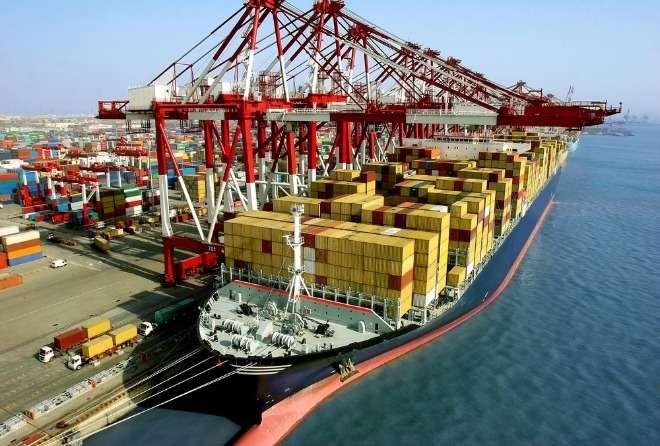

The conclusion of the United States’ maritime restrictions on Iranian ports has emerged as a pivotal geopolitical event in 2026. Following months of escalating tensions, military pressures, interruptions in global trade, and anxieties about a wider regional conflict, Washington and Tehran have moved towards a temporary deal, reshaping the strategic dynamics in the Middle East.
Under this arrangement, the United States will remove its naval blockade, while Iran will assist in reopening crucial maritime passages, including commercial shipping through the Strait of Hormuz.
Many observers within Iran view this result as a political and strategic triumph. Iranian authorities and state media assert that the agreement illustrates Tehran’s capacity to endure economic and military pressure while safeguarding vital national interests. Concurrently, American officials regard the deal as a practical measure aimed at regional stability and as a means to avert further disruptions in global energy markets.
Discussions concerning who benefits more from this agreement persist. Nonetheless, there is a consensus on one point: the removal of the blockade has transformed regional relations and initiated a new phase in US-Iran interactions.
Understanding the Background of the Blockade
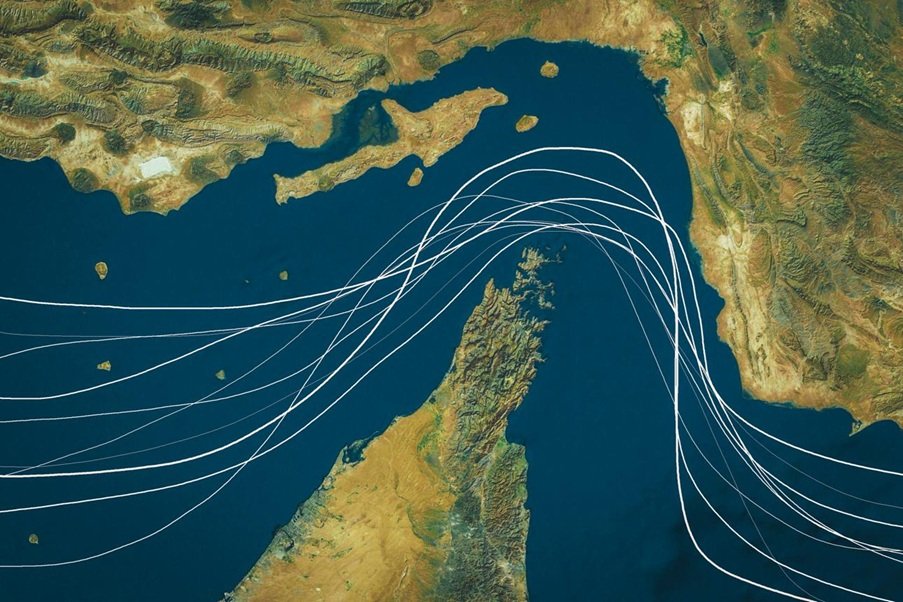
The maritime restrictions arose amid a period of severe confrontation in the Gulf region. The United States imposed limitations on vessels moving to and from Iranian ports as hostilities intensified around the Strait of Hormuz, one of the most crucial shipping lanes globally. The blockade aimed to economically pressure Iran while restricting its maritime trading capabilities.
In response, Iran capitalized on its control over regional waterways and highlighted the strategic significance of the Strait of Hormuz. The ensuing standoff impacted shipping firms, energy markets, insurance providers, and governments worldwide.
Throughout the months of confrontation:
- Commercial vessels encountered greater dangers.
- Energy prices saw fluctuations.
- Global shipping routes experienced disruptions.
- Diplomatic initiatives heightened behind the scenes.
The economic ramifications reached far beyond the Middle East, making a negotiated resolution increasingly appealing for all stakeholders involved.
Why Many Analysts Call It an Iran Victory
The term Iran Blockade Victory has gained popularity due to the concessions outlined in the agreement and the belief that Tehran achieved several of its main goals.
A crucial outcome is the lifting of maritime limitations on Iranian ports. The agreement also encompasses terms related to sanctions relief, access to certain frozen assets, and wider economic prospects that could facilitate Iran’s recovery after months of pressure.
Iranian officials contend that the final deal affirms their negotiating tactics. Rather than yielding to demands under duress, Tehran stood firm until a framework was established that addressed multiple core concerns.
From Iran’s viewpoint, success is gauged not only in economic terms but also in showcasing resilience throughout an extended confrontation.
The Role of the Strait of Hormuz
Any discussion of this agreement would be incomplete without considering the Strait of Hormuz.
This slender channel links the Persian Gulf to global markets and manages a significant fraction of worldwide oil and liquefied natural gas shipments. Any disturbance in this strait quickly captures global focus due to its implications for energy security.
Why Hormuz is Significant
The significance of Hormuz can be grasped through various aspects:
- It acts as a vital path for oil shipments.
- It plays a role in shaping global energy costs.
- It links Gulf exporters with international markets.
- It has an impact on shipping expenses globally.
The accord encompasses pledges to restore maritime navigation and guarantee commercial transit through the strait. These measures are anticipated to alleviate uncertainty and bolster global commerce.
Economic Advantages Arising from the Accord
An immediate result of the accord pertains to the economy.
The blockade restricted Iranian trade and heightened economic strain. With the lifting of these limitations, businesses and investors are keenly observing for indications of economic revival.
Experts suggest that multiple sectors might gain advantages:
- Energy exports
- Logistics and shipping
- Infrastructure projects
- Manufacturing
- International trade collaborations
Reports suggest that the pact includes avenues for easing sanctions and the unfreezing of particular assets, giving Tehran more financial leeway.
The potential revival of trade routes could enhance economic activity and create avenues for regional collaboration.
How the United States Perceives the Agreement
While Iranian media often portray the result as a definitive win for Tehran, U.S. officials highlight different aims.
Washington contends that the accord diminishes the likelihood of military escalation and aids in stabilizing one of the globe’s most critical energy pathways. Officials also mention commitments linked to Iran’s nuclear ambitions and broader discussions planned for the months ahead.
From an American viewpoint, the agreement aims to:
- Avoid further hostilities.
- Reinstate maritime safety.
- Safeguard global energy resources.
- Establish a foundation for forthcoming discussions.
This disparity in interpretation clarifies why both parties continue to characterize the agreement as advantageous.
Regional Responses Across the Middle East
Responses from neighboring nations have varied.
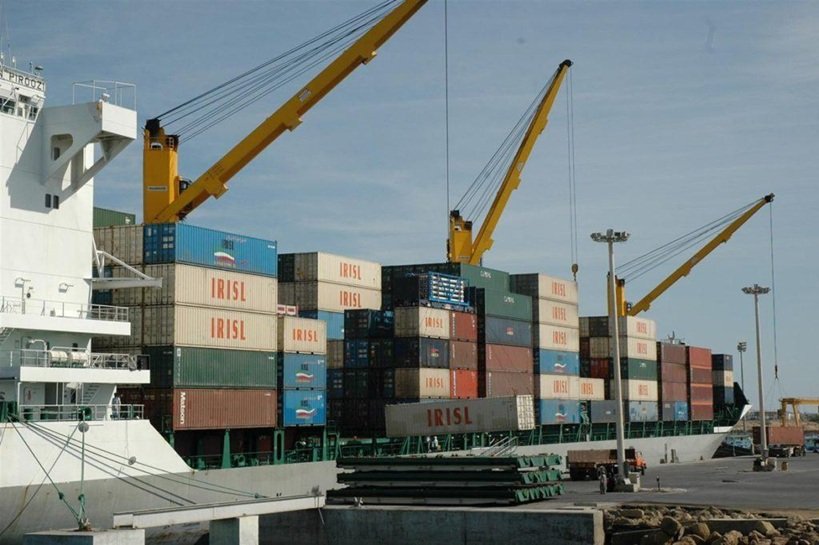
Numerous Gulf nations welcome any progress that diminishes tensions and promotes commercial navigation. Regional economies rely greatly on consistent maritime routes, making the reopening of the Strait of Hormuz especially significant.
Some administrations perceive the agreement as a chance to prioritize economic growth over security anxieties. Others are more reserved and are waiting to observe whether both sides will faithfully execute their pledges.
Possibilities for Regional Stability
The accord offers chances for:
- Enhanced diplomatic interaction.
- Augmented trade collaboration.
- Reduced shipping insurance rates.
- Heightened investor assurance.
Should the existing momentum persist, the Middle East might witness a phase of relative stability in contrast to the ambiguity experienced during the period of the blockade.
Global Energy Markets Feel the Impact
The energy markets swiftly adjusted to the news of the agreement.
Traders pay close attention to events in the Gulf, as disruptions in shipping lanes can influence global oil and gas supplies. The resumption of commercial traffic through Hormuz has alleviated concerns about extended supply interruptions.
For nations that import energy, enhanced stability is essential as it may lead to more predictable energy costs.
Countries throughout Asia, Europe, and other areas are keen to ensure consistent access to energy supplies from the Gulf. Consequently, the agreement holds importance that extends well beyond just those directly involved.
Diplomatic Lessons from the Crisis
The standoff illustrates the limitations of strategies based on pressure in contemporary geopolitics.
Both factions entered the situation with firm stances and conflicting goals. However, after prolonged tension, discussions eventually emerged as the favored way forward.
This incident reveals several insights:
- Economic influence by itself seldom secures political results.
- Crucial waterways are pivotal in global politics.
- Diplomatic avenues are frequently vital during extended crises.
- Regional stability necessitates collaboration among various participants.
The agreement could serve as a reference point for future discussions related to maritime security and economic sanctions.
Challenges That Still Remain
In spite of the hopeful outlook surrounding the agreement, considerable obstacles persist.
The existing arrangement is viewed as a temporary framework rather than a definitive resolution. Upcoming negotiations will tackle more intricate matters, such as long-term security commitments and nuclear-related issues.
Key Risks Ahead
Multiple factors may influence the execution:
- Political dissent on both sides.
- Differences regarding verification processes.
- Incidents affecting regional security.
- Delays in meeting obligations.
Any erosion of trust could lead to renewed tensions and jeopardize the advancements made thus far.
Given these uncertainties, global observers keep a vigilant watch on ongoing developments.
What It Means for Iran’s Future
The concept of an Iran Blockade Victory is expected to stay a significant theme within Iranian political discussions.
Supporters contend that Iran has maintained its strategic interests while gaining economic advantages and showcasing resilience amidst pressure. Conversely, critics point out that many specifics still hinge on future negotiations and their enactment.
Regardless of the various political viewpoints, the agreement provides Iran with a chance to enhance economic activities and rekindle international trade ties.
Should trade grow and investments rise, the long-term implications could reach far beyond immediate geopolitical benefits.
The Broader Significance of the Agreement
The conclusion of the blockade signifies more than simply a mutual understanding between Washington and Tehran.
It illustrates a wider acknowledgment that extended hostility incurs substantial costs for all parties involved. Disruptions in shipping, fluctuations in energy markets, and regional instability created forces that ultimately promoted a compromise.
The reopening of sea routes is anticipated to boost confidence among businesses, governments, and global investors. It also conveys a message that diplomacy remains achievable even after periods of significant conflict.
Conclusion
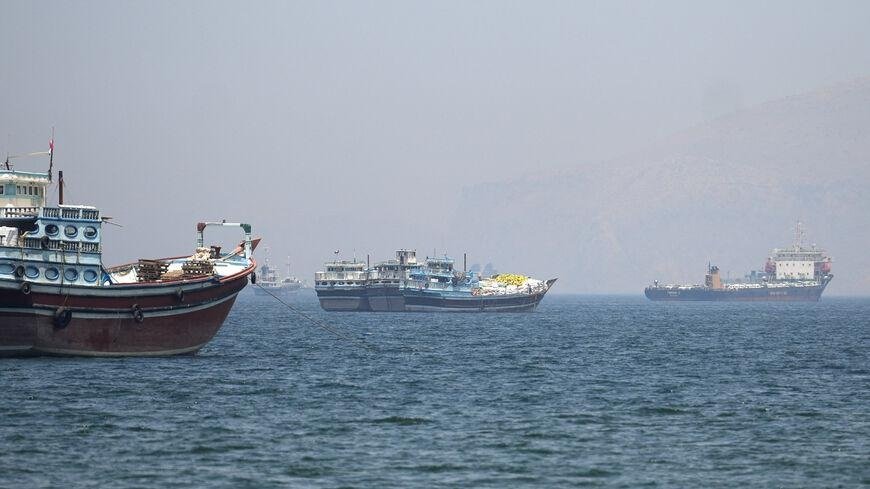
The narrative of the Iran Blockade Victory fundamentally revolves around resilience, negotiation, and strategic foresight. The removal of the US maritime blockade, alongside the reopening of essential shipping lanes, signifies a critical geopolitical event with consequences for both the Middle East and the larger global context.
Iran perceives the agreement as proof that ongoing resistance can yield positive outcomes, whereas the United States interprets it as a pragmatic measure towards achieving stability and economic safety. Both perspectives hold some degree of truth.
The subsequent developments will rely on how well the agreement is enacted, the building of trust, and the outcomes of upcoming discussions. At this stage, the cessation of the blockade has opened a door for diminished tensions, revitalized trade, and an opportunity for a more stable regional atmosphere. The next few months will reveal whether this moment transforms into a significant diplomatic success or merely adds another page in the lengthy saga of US-Iran interactions.