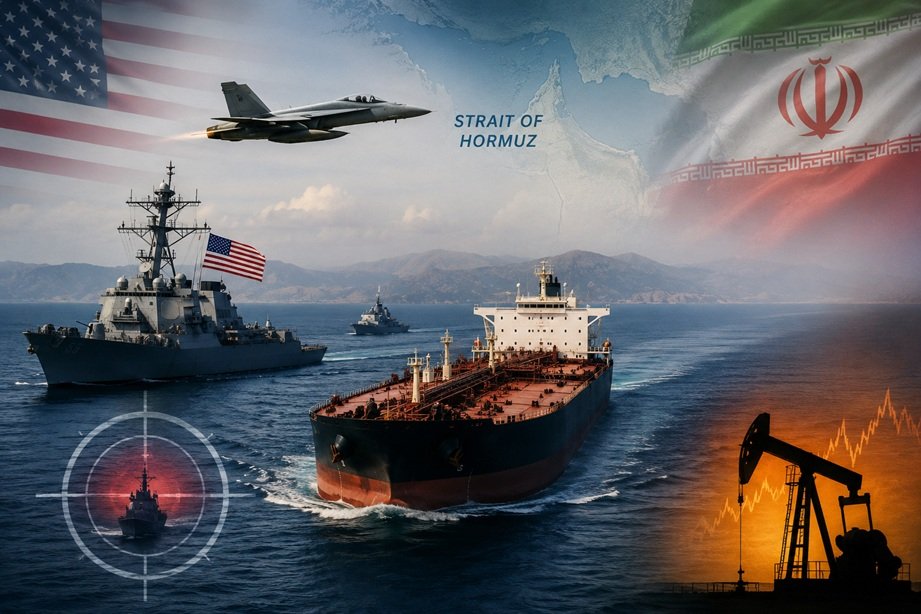

The Middle East teetered on the brink of another significant geopolitical crisis following reports that US military forces engaged an Iranian-flagged oil tanker close to the Strait of Hormuz. This occurrence immediately elicited responses from world leaders, oil market participants, defense experts, and international shipping firms.
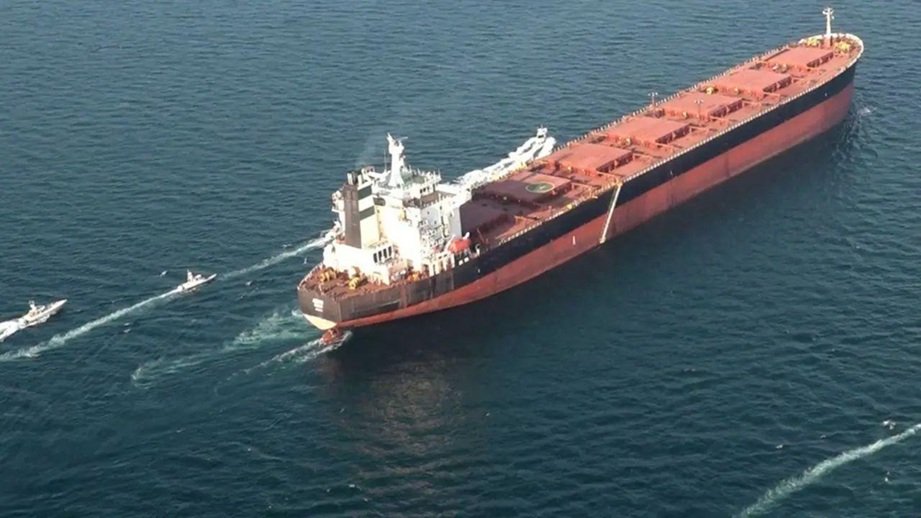
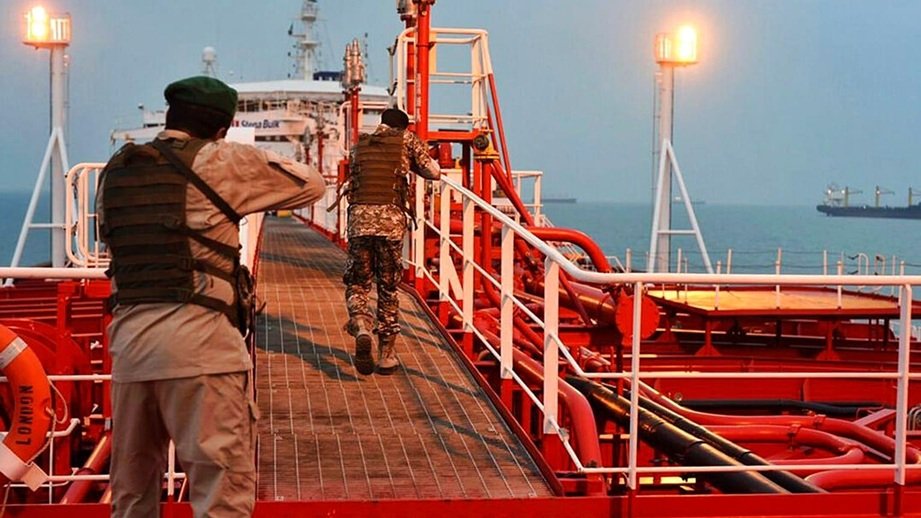
Multiple global news sources indicated that the vessel was reportedly trying to violate a blockade imposed by the United States amid the escalating discord between Washington and Tehran. American authorities asserted that the tanker disregarded several warnings before any military response was initiated. Conversely, Iranian representatives characterized the incident as an inflammatory escalation and accused the US of breaching international maritime laws.
This confrontation occurs during a period of fragile diplomatic talks, unstable global fuel costs, and heightened scrutiny of security in the Gulf region. The financial markets reacted swiftly, with investors concerned that even one maritime confrontation could interfere with one of the most crucial energy passages in the world.
- US Targets Iranian Oil Tanker
- Escalating Tensions in the Gulf Area
- Understanding the Significance of the Strait of Hormuz
- Trump’s Warning Escalates Tension
- Details Regarding the Military Incident
- Iran’s Response to the Military Action
- Oil Market Reactions and Global Apprehensions
- The Function of Naval Blockades
- Historical Parallels
- Global Responses Begin to Emerge
- How Social Media Intensified the Crisis
- Information Warfare as a Facet of the Conflict
- Could Negotiations Still Avert Escalation?
- The Economic Implications Beyond Oil
- Military Experts Alert Us to Possible Scenarios of Escalation
- Media Reports and Public Perceptions
- What Are the Upcoming Developments?
- Conclusion
Escalating Tensions in the Gulf Area
For several months, military activity in the Strait of Hormuz has been on the rise. The narrow passageway facilitates a significant portion of the world’s oil exports, rendering it one of the most strategically vital locations globally.
The current crisis did not develop suddenly. The relationship between the US and Iran has been worsening due to:
- Sanctions
- Naval deployments
- Conflicts involving proxies in the region
- Disagreements regarding nuclear discussions
The incident involving the tanker seems to be yet another episode in an extensive battle for power that encompasses military deterrence, energy security, and regional dominance.
Sources indicate that US naval operations increased following Iranian threats towards commercial shipping lanes. In response, Washington intensified its patrol efforts and enhanced surveillance in the adjacent waters.
Experts suggest the situation is especially precarious because both countries are striving to demonstrate strength without showing vulnerability to their domestic populations or international partners.
Understanding the Significance of the Strait of Hormuz
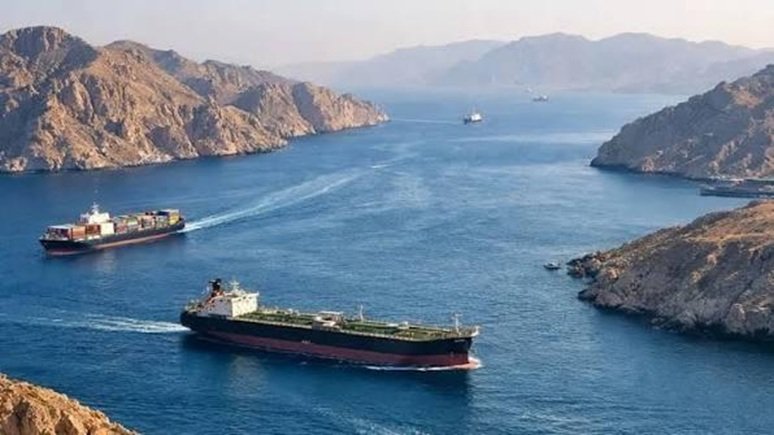
The Strait of Hormuz is frequently referred to as the world’s oil chokepoint. Almost every prominent economy relies on continuous shipping through the region.
Should conflict escalate, the ramifications could extend well beyond the Middle East.
Key Factors Highlighting the Importance of the Waterway
- Approximately 20 percent of global oil trade transits the strait.
- Significant Gulf producers are heavily dependent on this route.
- Any interruptions could swiftly drive up fuel prices globally.
- During instances of military conflict, shipping insurance rates soar.
- Global supply chains can become compromised within a few days.
Energy traders vigilantly track every military movement within the vicinity, as even short-lived instability may lead to substantial increases in crude oil prices.
As soon as news confirmed that the US had fired on the Iranian tanker, markets exhibited immediate anxiety. Numerous shipping companies reportedly began to reevaluate their routes and the associated risks in the Gulf region.
Trump’s Warning Escalates Tension
Former President Donald Trump intensified the situation with public declarations cautioning Tehran that military actions could escalate significantly if diplomatic negotiations do not succeed.
According to various accounts, Trump asserted that Iran needs to agree to a suggested framework to resolve the ongoing conflict or they will encounter “higher intensity” military actions. These remarks quickly disseminated through global media, heightening fears of an escalating confrontation.
Political analysts believe that this type of language aims to exert pressure on Iranian negotiators while simultaneously demonstrating American determination to regional allies.
Nevertheless, some critics contend that such combative language might complicate diplomatic efforts. Iranian authorities have consistently remarked that coercive strategies will not compel them to yield or comply.
Details Regarding the Military Incident
Early reports indicated that a U.S. Navy fighter aircraft incapacitated the tanker after it disregarded multiple commands to halt. American military sources reportedly stated that the mission aimed at the ship’s rudder instead of trying to sink it outright.
Defense specialists observed that the reaction appeared deliberately measured, intending to convey a warning while minimizing casualties or severe environmental damage.
Nonetheless, the implications of the incident were striking.
The term US fires on Iranian tanker rapidly took over international news, as it signified direct military action involving a vessel bearing the Iranian flag during an already unstable regional situation.
Experts Highlight Three Significant Risks
1. Miscalculations Among Naval Forces
A single misstep could trigger retaliatory actions within a matter of hours.
2. Disruption in Energy Exports
Oil markets react sharply to instability in the Gulf region.
3. Widening Regional Conflict
Local militias and associated groups may become engaged.
Military planners suggest that the current situation bears resemblance to several past flashpoints where small incidents quickly escalated into larger conflicts.
Iran’s Response to the Military Action
Iranian representatives vocally condemned the initiative and accused Washington of engaging in economic warfare through maritime pressure.
State-affiliated media categorized the blockade as illegal and presented the tanker incident as proof of increasing American aggression. Iranian negotiators further asserted that Tehran would not comply with demands made under the threat of military action.
Within Iran, nationalist feelings reportedly surged following the event. Public communications from organizations tied to the government framed the tanker encounter as part of a wider campaign to undermine Iran’s economic and political stability.
Such narratives are significant as governments typically depend on domestic backing during extended geopolitical tensions.
Oil Market Reactions and Global Apprehensions
Whenever there are military tensions in the Gulf, global oil traders react without delay.
The tanker episode revived concerns that interruptions in supply could lead to a notable rise in fuel prices over the upcoming weeks.
Financial Experts Cautioned That Persistent Instability Could Impact:
- Operational costs for airlines
- Shipping costs globally
- Inflation in nations that import energy
- Manufacturing supply chains
- Prices for consumer fuel
Investors are particularly alarmed as the current energy markets are already under pressure from geopolitical uncertainties in various areas.
Following confirmations that US fires on Iranian tanker, analysts from a range of financial institutions forecast that crude oil may see increased volatility if negotiations completely fail.
The Function of Naval Blockades
A significant point of contention in the ongoing crisis is the American naval blockade aimed at Iranian-related maritime operations.
Reports indicate that the blockade has intensified in recent weeks, with U.S. forces stopping or redirecting various ships believed to be assisting Iranian trade activities.
Proponents of the blockade maintain that it applies pressure on Tehran without necessitating extensive ground warfare.
Conversely, opponents caution that restrictions at sea can quickly turn into catalysts for military conflict.
Historical Parallels
Scholars frequently draw parallels between current naval standoffs and the confrontations of the Cold War period, where military communications at sea held considerable strategic importance.
Numerous analysts contend that the current tensions in the Gulf encompass:
- Economic warfare
- Cyber tactics
- Diplomatic brinksmanship
- Naval deterrence
- Energy influence
This combination results in an erratic atmosphere where minor incidents can lead to worldwide repercussions.
Global Responses Begin to Emerge
After the incident was reported, international governments reacted with caution.
Leaders in Europe have reportedly called for restraint from both Washington and Tehran, highlighting the necessity for diplomatic discussions. Several Asian nations also expressed apprehension due to their reliance on oil exports from the Gulf.
Simultaneously, global shipping bodies started to evaluate safety protocols for vessels navigating the Strait of Hormuz.
The term US fires on Iranian tanker rapidly became one of the most searched geopolitical subjects online as businesses and governments sought to determine if the occurrence represented a fleeting conflict or the onset of something more significant.
Diplomatic analysts suggest many nations worry about being compelled to take sides if the crisis escalates further.
How Social Media Intensified the Crisis
Contemporary geopolitical strife unfolds in real-time on social media platforms, and this incident was no different.
Within moments of the news breaking, videos, military analysis discussions, and political responses flooded sites like X, TikTok, and YouTube. Competing narratives surfaced almost immediately.
Certain accounts depicted the action as a vital enforcement step, while others characterized it as a reckless escalation.
The rapidity of online responses is crucial as public opinion can impact political actions, particularly during delicate international situations.
Information Warfare as a Facet of the Conflict
Digital propaganda and selective information dissemination are increasingly pivotal in international emergencies.
Governments are more frequently using online communication to:
- Mold public perception
- Sway allies
- Exert pressure on adversaries
- Steer domestic narratives
- Show military resolve
Experts suggest that battles over information can sometimes rival the significance of military activities themselves.
Could Negotiations Still Avert Escalation?
In spite of the conflict, reports indicate that discussions are ongoing behind the scenes.
Global mediators are working to alleviate tensions and establish frameworks for a more comprehensive agreement regarding sanctions, regional safety, and shipping rights through the Strait of Hormuz.
Diplomats acquainted with the negotiations indicate that both parties recognize the dangers of unchecked escalation.
Nevertheless, trust remains highly limited.
When reports claiming US fires on Iranian tanker circulated worldwide, many feared that diplomacy had already broken down. Yet, behind closed doors, negotiators are thought to still be pursuing compromises that could avoid a larger military confrontation.
The Economic Implications Beyond Oil
Although energy markets capture headlines, the wider economic ramifications could also be considerable.
An Extended Crisis in the Gulf Could Influence:
- Global inflation
- Trade routes
- Stock market stability
- Shipping insurance rates
- Regional tourism
Developing nations that rely significantly on fuel imports might encounter the most pressure if there is a sharp increase in oil costs.
Economists caution that instability in geopolitical affairs frequently leads to financial unpredictability in sectors that are not directly related to defense or energy.
Military Experts Alert Us to Possible Scenarios of Escalation
Security specialists have detailed various potential results if rising tensions persist.
Scenario One: Managed Pressure Campaign
Both parties engage in restricted confrontations while steering clear of an outright war.
Scenario Two: Heightened Naval Engagement
An increase in the number of vessels involved leads to enhanced disruption of shipping pathways.
Scenario Three: Escalation in the Region
Militias allied with external powers and local actors join the hostilities.
Scenario Four: Diplomatic Progress
Global mediators achieve temporary pacts that lessen military actions.
Currently, most analysts consider the first scenario to be the most plausible, despite the high level of risk.
The frequent emergence of news headlines such as US attacks Iranian tanker escalates the pressure on political leaders to take strong actions, which may hinder diplomatic initiatives.
Media Reports and Public Perceptions
The way international media reports on this situation has varied greatly, influenced by geographical and political viewpoints.
Western news organizations primarily concentrated on the enforcement of the blockade and strategic issues regarding Iranian actions. In contrast, Iranian-associated reporting highlighted breaches of sovereignty and rights of civilian maritime navigation.
This divide underscores how contemporary geopolitical situations are frequently viewed through differing lenses based on national interests and the framing by the media.
Readers attempting to comprehend the crisis need to analyze information thoroughly and contrast various trustworthy sources prior to making any conclusions.
What Are the Upcoming Developments?
The next few days are likely to clarify whether the tanker incident turns into a brief clash or marks a significant shift in regional security patterns.
Several Crucial Factors Will Be Observed Closely:
- Iran’s official military reaction
- Additional American naval activities
- Fluctuations in the oil market
- Comments from international mediators
- Events in the Strait of Hormuz
Global leaders recognize that another direct clash could significantly elevate the stakes.
At this point, uncertainty prevails in the situation.
The occurrence involving the US firing upon an Iranian tanker has already altered diplomatic dialogues, unsettled energy markets, and served as a reminder of the precarious nature of stability in the Gulf region.
Conclusion
The tanker incident signifies much more than a solitary military engagement at sea; it illustrates deeper issues related to:
- Energy security
- Regional dominance
- Sanctions
- International diplomacy
While both Washington and Tehran seem intent on showcasing strength, the broader international community is focused on averting escalation. The economic and geopolitical implications are substantial, especially for nations reliant on dependable energy sources and secure shipping lanes.
As discussions proceed and military presences remain in the Gulf, the global community will be closely monitoring for indications of either compromise or escalating conflict.
The headline US fires on Iranian tanker may have initially served as a breaking news story, but its long-lasting importance could influence international relations, oil markets, and security in the Middle East for months ahead.