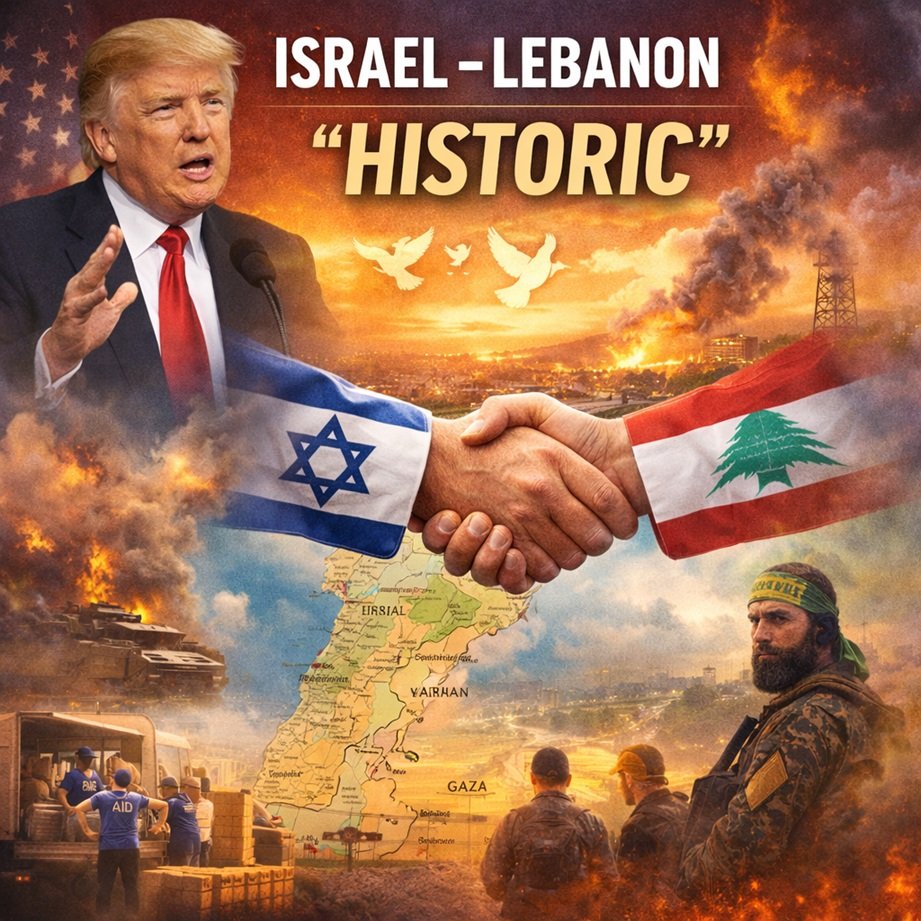

When headlines broke that Donald Trump described the Israel-Lebanon ceasefire as a “historic day,” many people paused and wondered—what makes this moment so significant?
Was it just political messaging, or did something genuinely transformative happen in the Middle East?
The answer lies somewhere in between diplomacy, timing, and long-standing regional tensions finally hitting a rare pause. The phrase why Trump called Israel Lebanon ceasefire historic has been trending for a reason—it signals more than just a temporary halt in fighting. It hints at deeper geopolitical shifts.
Let’s unpack what’s really going on, without the jargon and without the fluff.
The Background: A Conflict That Refuses to End
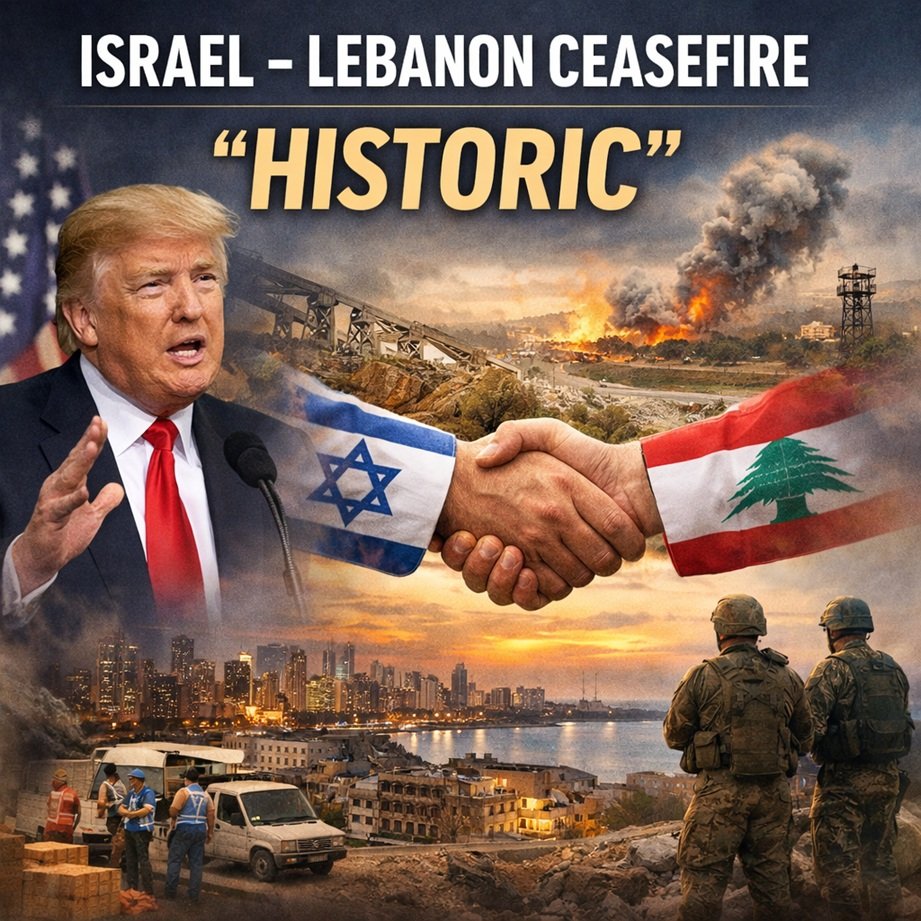
To understand the significance, you need context. The conflict between Israel and Lebanon isn’t new—it’s decades old, layered with political, religious, and territorial tensions.
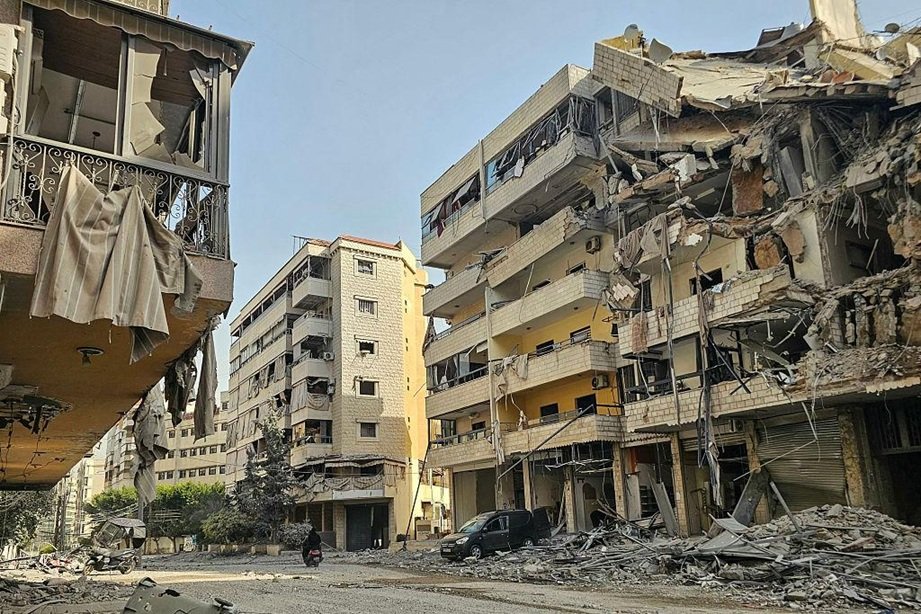
The recent escalation in 2026 saw:
- Thousands of casualties
- Massive displacement in southern Lebanon
- Heavy airstrikes targeting Hezbollah positions
- Rising fears of a wider regional war
According to recent reports, over 2,000 people were killed and more than a million displaced during the latest escalation.
That’s not just a conflict—it’s a humanitarian crisis.
So when a ceasefire suddenly emerges, especially one backed by the U.S., people take notice.
Table of Contents
- Introduction: Why This Ceasefire Matters
- Background of the Israel–Lebanon Conflict
- Recent Escalation and Humanitarian Impact
- The Ceasefire Deal Explained
- Key Reason 1: First Direct Talks in Decades
- Key Reason 2: A Pause After Intense Violence
- Key Reason 3: U.S. Diplomatic Influence
- Key Reason 4: Path Toward Long-Term Peace
- Key Reason 5: Regional Political Implications
- Key Reason 6: A Rare Moment of Optimism
- Key Reason 7: Political Messaging and Strategy
- Challenges and Risks Ahead
- What Happens Next in the Region
- Final Conclusion
The Ceasefire Deal: What Actually Happened?
The ceasefire announced by Donald Trump was a 10-day truce aimed at halting hostilities between Israel and Lebanon.
Here’s what makes it interesting:
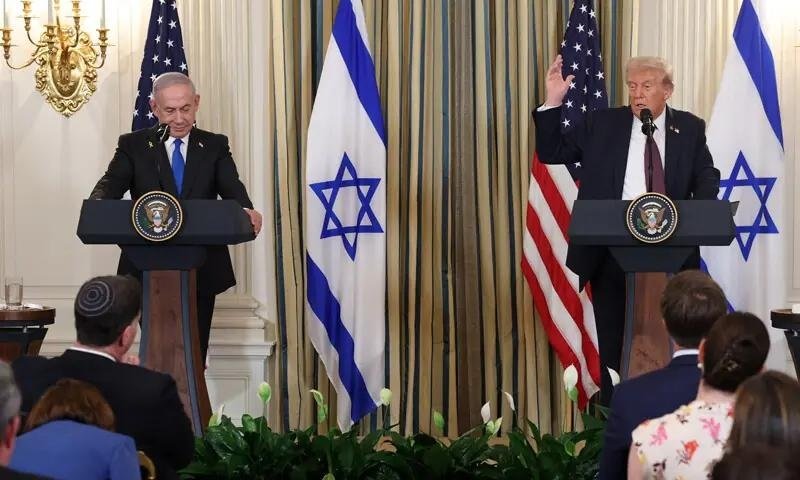
- It followed direct communication with Benjamin Netanyahu and Joseph Aoun
- It included rare diplomatic engagement between the two countries
- It opened the door for future peace talks
This wasn’t just a random pause—it was a coordinated diplomatic move.
Even more striking? Israel and Lebanon held direct talks for the first time in over 30 years.
That alone explains part of the “historic” label.
1. First Direct Talks in Decades
A Diplomatic Breakthrough
One of the biggest reasons behind the phrase why Trump called Israel Lebanon ceasefire historic is simple: these two nations barely talk to each other.
For over three decades, communication has been indirect—mediated through third parties like the United States or the United Nations.
But this time?
They sat down (virtually and diplomatically) and engaged directly.
That’s a huge shift.
Why This Matters
Direct talks mean:
- Faster conflict resolution
- Less misunderstanding
- Higher chances of long-term agreements
Think of it like two neighbors finally talking instead of arguing through a third person. It changes everything.
2. A Pause After Intense Violence
Timing Is Everything
This ceasefire didn’t come during calm times—it came at the peak of violence.
Just days before the agreement:
- Hundreds were killed in a single wave of attacks
- Infrastructure was destroyed
- Civilian areas were heavily affected
The sudden halt in fighting created what Trump described as a “moment of opportunity.”
Why It Feels Historic
Because it stopped a situation that was spiraling fast.
Not permanently—but enough to reset the board.
3. U.S. Diplomatic Influence at Its Peak
America’s Role
Let’s be honest—the U.S. doesn’t just “suggest” ceasefires. It drives them.
In this case:
- The White House coordinated discussions
- Senior officials were involved in negotiations
- Invitations were extended for further talks
Trump positioned the U.S. as the central mediator, reinforcing its influence in the region.
Strategic Significance
This wasn’t just about peace—it was about power.
Calling the ceasefire historic also highlights:
- America’s continued global leadership
- Its role in Middle East diplomacy
- Its leverage over both allies and partners
4. A Step Toward a Larger Peace Deal
Not Just a Ceasefire
Here’s the key detail many people miss: the ceasefire is temporary.
But it’s meant to lead to something bigger.
Both sides are expected to engage in further negotiations aimed at:
- Long-term peace agreements
- Border stability
- Disarmament discussions
The Bigger Picture
Trump’s statement wasn’t just about the ceasefire—it was about what could come next.
That’s why the phrase why Trump called Israel Lebanon ceasefire historic keeps coming up in analysis—it reflects potential, not just reality.
5. Connection to Broader Regional Politics
It’s Not Just Israel and Lebanon
The Middle East is interconnected.
This ceasefire ties into:
- U.S.-Iran negotiations
- Hezbollah’s influence in Lebanon
- Regional security dynamics
Some reports even suggest the truce could support parallel diplomatic efforts involving Iran.
Why This Raises the Stakes
Because if this works, it could:
- Reduce tensions across multiple fronts
- Influence nuclear negotiations
- Shift alliances in the region
That’s not small—that’s geopolitics at scale.
6. Rare Moment of Optimism in the Middle East
A Psychological Shift
Let’s be real—peace in the Middle East often feels temporary.
So when leaders start using words like “historic,” it signals something different: optimism.
In cities like Beirut, people reportedly celebrated and began returning home after the ceasefire began.
That emotional response matters.
Why It Feels Different
Because even a short pause can:
- Allow humanitarian aid
- Give civilians breathing room
- Rebuild some level of trust
And trust is the hardest thing to build in conflict zones.
7. Political Messaging and Image Building
Let’s Not Ignore Reality
Calling something “historic” is also a political move.
For Donald Trump, it reinforces:
- His image as a dealmaker
- His role in global diplomacy
- His leadership narrative
He has used similar language before when announcing ceasefires or agreements.
Strategic Framing
By labeling the ceasefire as historic, Trump:
- Sets expectations
- Shapes public perception
- Claims credit for progress
So yes—it’s partly diplomacy, partly branding.
Challenges Ahead: Why “Historic” Might Be Premature
Before we get carried away, let’s ground this a bit.
The ceasefire faces serious challenges:
- Hezbollah’s position remains unclear
- Israel continues to maintain a security zone
- Violations could happen anytime
- Long-term agreements are still uncertain
Experts have already warned that the truce is fragile and could collapse if negotiations fail.
So while the moment is important, it’s not a guaranteed turning point.
What Happens Next?
The next few weeks are crucial.
Here’s what to watch:
- Follow-up talks in Washington
- Possible agreements on disarmament
- Expansion of the ceasefire timeline
- Involvement of other regional players
If these steps succeed, then the word “historic” will feel justified.
If not? It may just be another pause in a long conflict.
Final Conclusion
The Israel–Lebanon ceasefire marks a rare pause in a long-standing and deeply complex conflict. What made this moment stand out—and why Donald Trump described it so strongly—is the combination of timing, diplomacy, and potential future impact. After intense violence and rising regional tension, even a temporary halt created space for dialogue and hope.
However, this is not a final victory or a permanent solution. The agreement remains fragile, and much depends on what follows—continued negotiations, trust-building, and cooperation from all sides involved. The ceasefire has opened a door, but whether leaders choose to walk through it is still uncertain.
In the end, the real significance of this moment will be measured not by headlines, but by outcomes. If it leads to sustained peace efforts, it could truly justify being called historic. If not, it may simply be remembered as another short break in a cycle of conflict.