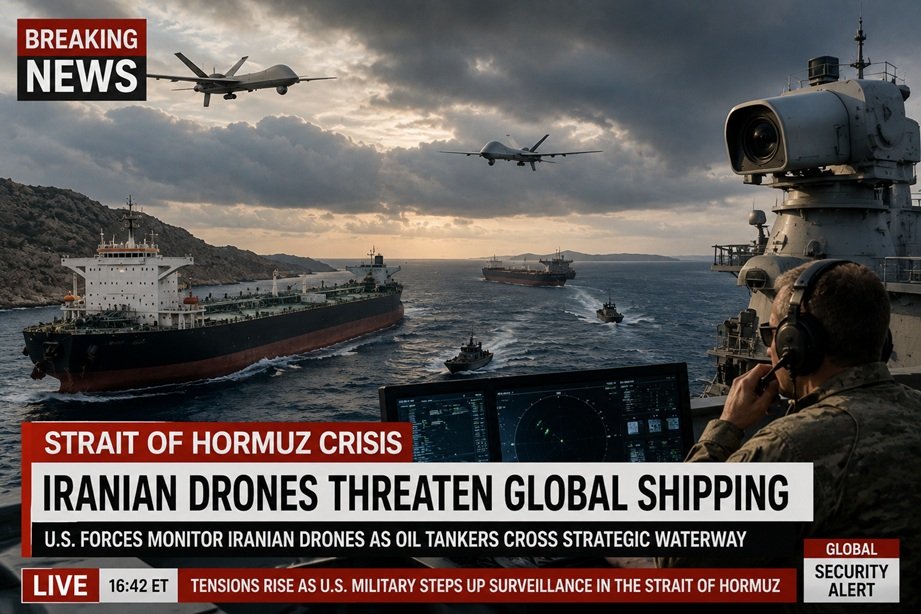

The Middle East is widely recognized as one of the most critical geopolitical areas globally, and any military actions around the Strait of Hormuz quickly draw international scrutiny. Recently, the U.S. military reported that it successfully destroyed two Iranian attack drones, which were believed to threaten maritime traffic in this essential passage. The U.S. Central Command stated that the drones were neutralized after being identified as posing a risk to commercial vessels operating in the area.
This event contributes to the ongoing discord between Washington and Tehran. It also heightens concerns about the safety of a crucial energy transit route, which facilitates a substantial share of the world’s oil exports every day.
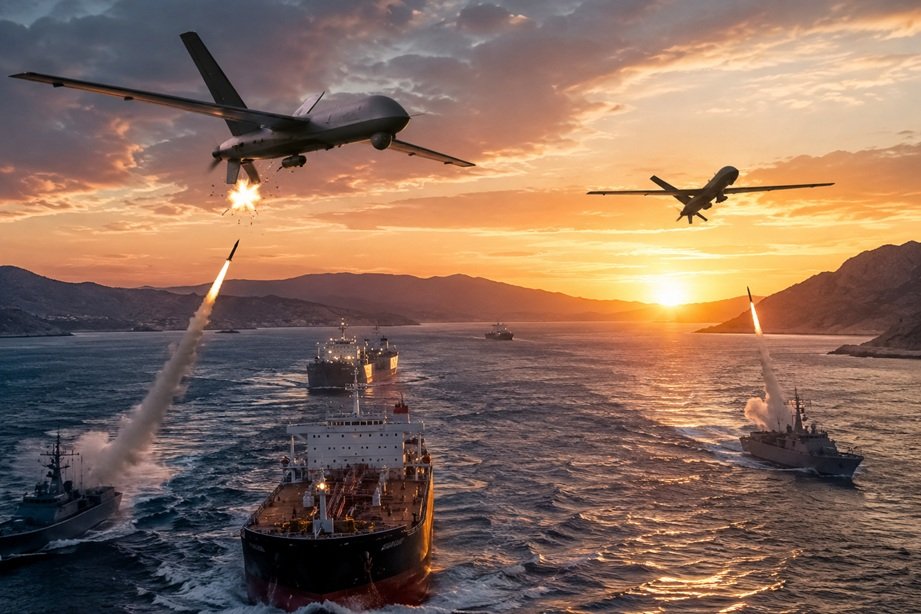
Significance of the Strait of Hormuz
The Strait of Hormuz is a narrow but highly significant channel linking the Persian Gulf with the Gulf of Oman and the Arabian Sea. It operates as a critical path for oil tankers, cargo ships, and other vessels transporting energy commodities around the globe.
Numerous key oil-exporting countries depend on this route, such as:
- Saudi Arabia
- United Arab Emirates
- Kuwait
- Iraq
- Iran
Any threat to navigation in this vicinity can lead to immediate impacts on oil prices, shipping expenses, and international supply chains. Given its strategic nature, military representatives from various nations keep a close watch on activities occurring in and near the strait.
Details of the Recent Incident
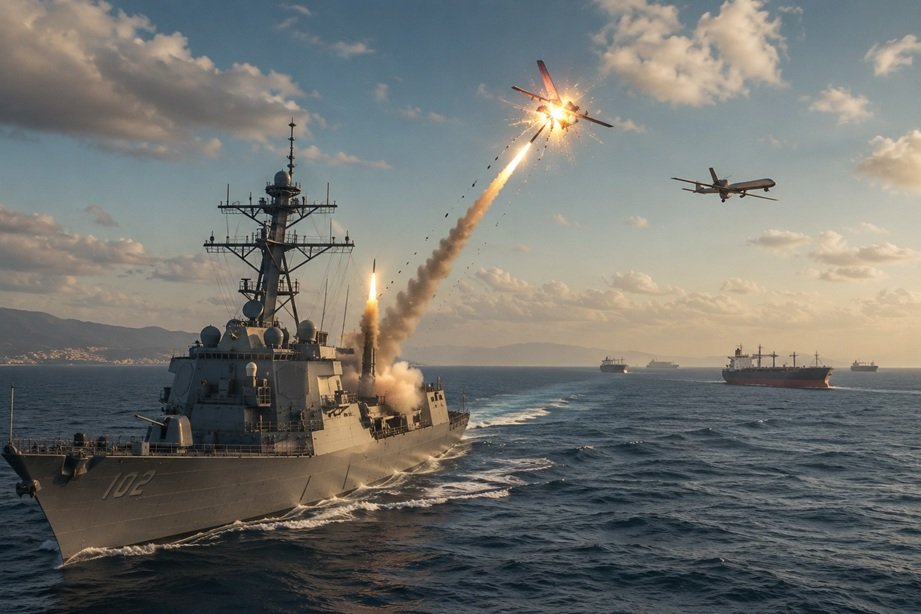
The U.S. military reported detecting two Iranian one-way attack drones in proximity to the Strait of Hormuz, viewing them as a clear threat to international shipping. U.S. personnel stationed in the vicinity intercepted and destroyed these drones before they could achieve their intended goals.
Officials at U.S. Central Command indicated that American forces remain vigilant and ready to protect commercial shipping routes and regional partners from any threats that may arise in the future. The military characterized this operation as part of ongoing initiatives to maintain the freedom of navigation in waters governed by international law.
This announcement was made amid escalating military movements in the Gulf, where accusations regarding recent assaults and security breaches have been exchanged by both nations.
Background of Escalating US-Iran Relations
The relationship between the United States and Iran has been tense for many years. Nevertheless, these tensions have surged notably amid the ongoing regional conflict marked by frequent military confrontations, sanctions, and diplomatic conflicts.
Recent events encompass:
- U.S. interceptions of drones
- Missile launches aimed at regional allies
- Assaults on monitoring facilities
- Heightened naval presence near crucial waterways
- Diplomatic attempts to avert broader conflicts
Reports suggest that the recent drone incident follows earlier encounters involving multiple Iranian drone interceptions and missile launches within the Gulf region. U.S. forces have reported prior incidents involving drones that were reportedly bound for the Strait of Hormuz.
The Critical Nature of Maritime Security
Maritime security has emerged as a significant issue for governments and shipping firms functioning in the Gulf.
Safeguarding Global Trade
Nearly all major economies depend on stable trade routes. Any disturbances within the Strait of Hormuz can affect:
- Energy supplies
- International Trade
- Insurance Expenses
- Shipping Timetables
- Commodity Exchanges
Commercial vessels navigating through this region frequently transport crude oil, liquefied natural gas, and other precious cargoes aimed for markets in Asia, Europe, and North America.
Military Presence in the Area
To safeguard maritime routes, multiple nations retain naval forces in the adjacent waters. The United States has consistently operated military units throughout the Gulf, executing surveillance operations and ensuring maritime security.
The recent incident involving Iranian drones in the Hormuz shipping lane illustrates how swiftly military resources may be mobilized when threats close to vital trade passages are perceived.
How the Drone Threat Was Mitigated
Military experts observe that contemporary one-way assault drones are relatively low-cost in comparison to conventional missile systems, yet they still pose considerable dangers to vessels and military establishments.
Detection and Monitoring
Sophisticated radar technology and surveillance systems play a critical role in spotting aerial dangers well before they approach their targets.
These systems track:
- Flight trajectories
- Velocity
- Course
- Potential target zones
Once the drones were recognized as a threat, U.S. forces reportedly acted and neutralized them before they could disrupt maritime operations.
Rules of Engagement
Armed forces operating in this region typically follow predefined protocols aimed at safeguarding civilian shipping while reducing the risk of unnecessary escalation.
Authorities indicated that the drones posed an immediate risk to maritime safety, leading to defensive measures.
Economic Effects of the Event
Global financial markets pay close attention to occurrences in the Gulf due to their potential influence on energy supplies.
Oil Pricing
Historically, any military confrontations near the Strait of Hormuz generally result in rising oil prices as traders consider the likelihood of supply interruptions.
Even short-lived threats can instigate:
- Increased volatility in markets
- Elevated fuel prices
- Growing transportation expenses
- Concerns regarding energy security
Recent tensions in the region have already induced uncertainty in commodity markets.
Shipping Expenses
Shipping firms often encounter increased insurance costs during times of elevated risk.
When military events take place close to significant trading routes, operators may:
- Modify shipping timetables
- Enhance security protocols
- Change routes when feasible
- Incurring higher insurance costs
These expenses can ultimately impact consumers around the globe.
International Reactions
Countries worldwide are closely observing recent events.
Numerous nations have stressed the necessity of upholding navigation rights and guaranteeing the safety of trade vessels from military hazards.
Allies of the United States in the region have aired their worries over missile and drone strikes directed at Gulf states. Recent reports suggest that the frequency of missile launches and aerial drone activities has heightened security alerts across the area.
The latest situation involving Iran Drones Hormuz Shipping is expected to be a significant subject in the ongoing diplomatic talks among regional stakeholders and global organizations.
Could the Situation Escalate Further?
Analysts are particularly concerned that isolated events might spark a larger military conflict.
Factors Increasing Risk
A variety of elements contribute to the instability in the region:
- Continuing military operations
- Divergent strategic goals
- Economic sanctions
- Political conflicts
- Disputes regarding maritime security
Every new clash heightens the chance of retaliatory measures from involved parties.
Factors Supporting De-Escalation
Simultaneously, diplomatic efforts are still in motion.
Local mediators persist in promoting discussions focused on lowering tensions and averting further battles. Reports indicate that several nations are secretly collaborating to sustain delicate ceasefire agreements and prevent broader escalation.
The Role of Drone Warfare in Modern Conflicts
This incident also underscores the way drone technology has revolutionized contemporary military strategies.
Why Drones Are Increasingly Used
Military strategists prefer drones because they provide:
- Reduced operating expenses
- Extended operational range
- Lower potential harm to personnel
- Versatile deployment methods
One-way strike drones have become especially prevalent in regional disputes due to their capacity to hit infrastructure and shipping targets.
Challenges for Defenders
Despite progress in air defense technologies, countering drones proves challenging since they can:
- Navigate at low elevations
- Approach from various angles
- Function in large swarms
- Conceal themselves in complicated airspace scenarios
Consequently, nations are continuing to invest significantly in anti-drone solutions.
Impact on Global Energy Security
Energy markets are extremely responsive to events occurring in the Gulf region.
The Strait of Hormuz is key for a considerable portion of global oil shipments, making it one of the most crucial maritime routes globally.
The recent incident involving Iran Drones Hormuz Shipping serves as a reminder that geopolitical strain can swiftly affect discussions surrounding energy security worldwide.
Thus, governments and energy firms will likely keep a close watch on ongoing developments while seeking methods to decrease reliance on precarious shipping lanes.
What Happens Next?
The future trajectory will generally rely on the responses from both Washington and Tehran.
Possible scenarios could include:
- Heightened military surveillance
- Further defensive actions
- Revived diplomatic talks
- Economic pressure initiatives
- Strengthened maritime security collaboration
Military leaders have indicated that American forces remain ready to address threats to global shipping. At the same time, diplomatic initiatives aimed at preempting a larger conflict are ongoing in the region.
Conclusion
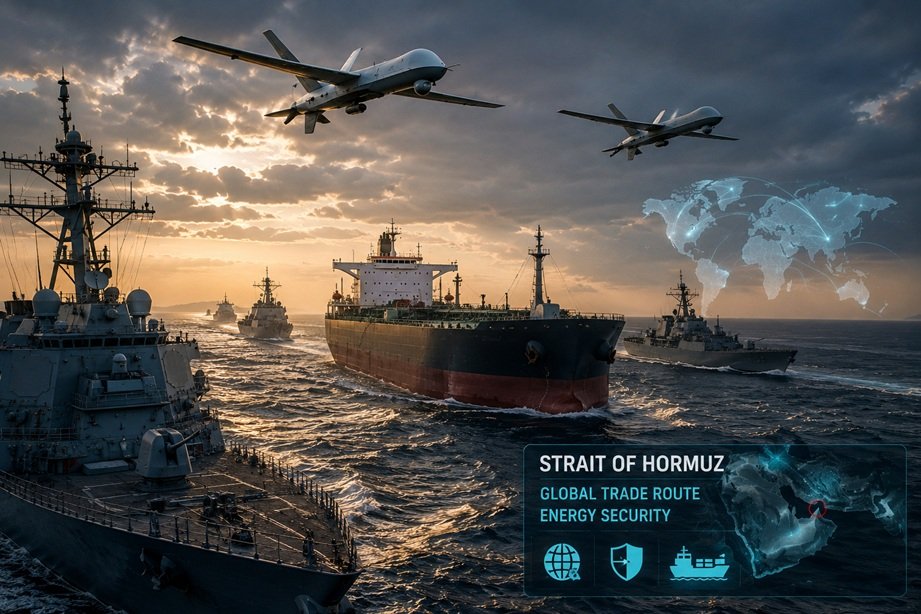
The downing of two Iranian attack drones near the Strait of Hormuz represents yet another critical chapter in the ongoing tension between the United States and Iran. U.S. military authorities state that the drones represented a danger to international shipping routes and were intercepted prior to threatening commercial vessels.
Although the immediate threat has been addressed, the larger consequences are significant. The Strait of Hormuz remains an essential channel for global energy resources, which means that any military operations in this area draw international focus.
As discussions continue alongside military readiness, the global community will observe intently to determine if tensions will decrease or if the Gulf region will experience additional escalation shortly. The recent incident involving Iranian drones and Hormuz shipping highlights the fragile equilibrium between safety, diplomatic efforts, and international economic stability in a region that holds critical strategic importance in the world.
“`html