
The aviation sector worldwide has encountered numerous obstacles in recent years, including challenges linked to the pandemic, geopolitical issues, and various operational uncertainties. Nevertheless, certain airlines have managed to showcase their durability and flexibility amid these tough circumstances. A prominent example in today’s landscape is Emirates, the airline headquartered in Dubai that has become emblematic of success in international air travel.
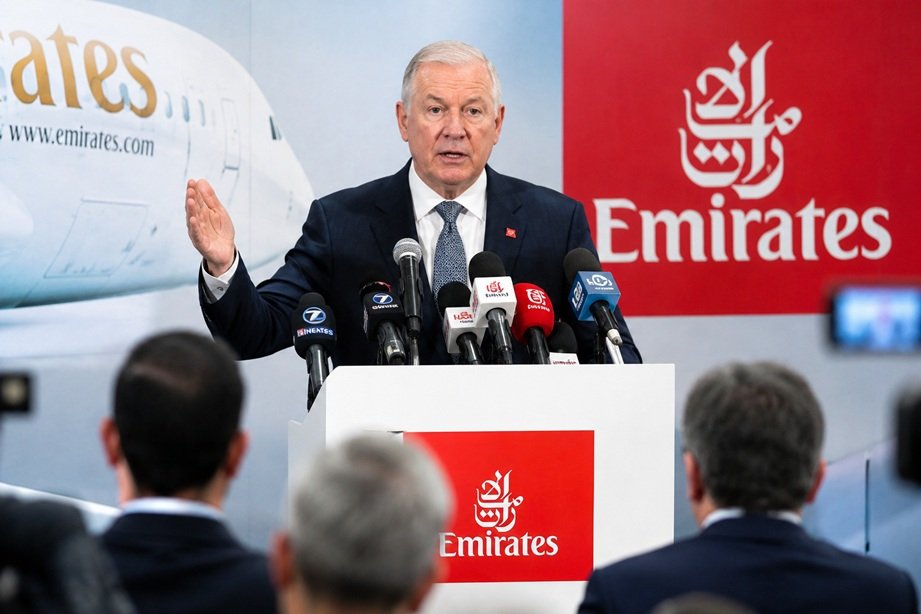
Recently, Tim Clark, the President of Emirates, garnered attention when he proclaimed that the airline would rebound “hard and fast” in light of recent regional challenges. His remarks conveyed strong assurance in the carrier’s capability to maneuver through current difficulties while still driving growth. This proclamation has incited extensive dialogue throughout the aviation industry, as analysts assess what the future holds for one of the most significant airlines globally.
This article delves into the elements contributing to the Emirates Airline Recovery Outlook, the firm’s strategic directions, its standing in the industry, its financial robustness, and the reasons aviation analysts believe the airline is strategically positioned for continued success.
Comprehending the Recent Regional Challenges
Air travel in the Middle East has faced phases of unpredictability due to persistent geopolitical occurrences. Airlines functioning in and through this area have had to modify their routes, handle increased fuel expenses, and tackle operational issues.
Despite these challenges, Emirates has made it clear that it does not plan to reduce its capacity or make significant cuts to its operations. Tim Clark noted that the airline is focused on preserving its network and aiding passenger demand via Dubai’s strategic position.
This resolve is notable because many airlines globally typically react to such uncertainties by slashing flights, delaying expansion efforts, or implementing cost reductions. In contrast, Emirates has opted for a more assertive strategy centered on ensuring consistent service.
Reasons for Emirates’ Confidence
There are numerous reasons why the leaders at Emirates are optimistic that recovery can occur rapidly once market conditions improve.
Robust Financial Standing
The financial robustness of Emirates is a key asset.
The airline recently announced record profits along with substantial cash reserves, forming a solid base for future operations. The company has made it known that these funds empower it to keep investing in growth strategies without needing to resort to severe cost-cutting measures.
Unlike smaller airlines that may face difficulties during extended disruptions, Emirates has the resources to endure short-term market fluctuations.
Global Brand Recognition
Over the years, Emirates has established itself as one of the leading airlines globally. Its exceptional service, wide-ranging route options, and strong customer loyalty grant it a competitive advantage.
Passengers frequently associate the airline with:
- Superior in-flight experiences
- Contemporary aircraft availability
- Broad international outreach
- High standards of customer service
This brand power enables the airline to rebound from demand drops more swiftly following interruptions.
Strategic Position of Dubai
Dubai is recognized as a vital aviation hub on the global stage.
Its location uniquely positions Emirates to efficiently link travelers across Europe, Asia, Africa, Australia, and the Americas. The city’s infrastructure and connectivity continue to bolster the airline’s aspirations for growth in the long run.
The Significance of the Emirates Airline Recovery Outlook for International Aviation
The performance and operations of Emirates have implications that reach well beyond the Middle East.
As one of the foremost international airlines globally, its choices affect:
- Airport traffic dynamics
- Tourism trends
- Demand for aircraft production
- Airline competition strategies
- Worldwide travel behaviors
When Emirates shows optimism about future needs, industry experts take notice due to the airline’s access to vast reservation data and market insights.
Consequently, the current Emirates Airline Recovery Outlook acts as an important marker for the overall aviation industry.
Passenger Demand Keeps Driving Growth
A highly promising indicator for Emirates is the sustained vigor of international travel demand.
Even in times of unpredictability, passengers continue to be enthusiastic about flying for purposes related to business, leisure, and family. The revival of international tourism has been robust across various regions, benefiting airlines with extensive long-distance routes.
Recently, Tim Clark highlighted increasing demand and pointed out that customer-oriented initiatives, such as improved connectivity onboard, contribute to this growth. The airline’s enhancement of in-flight internet services has reportedly led to favorable reactions from passengers.
With travel limitations mostly lifted globally, airlines that can connect multiple continents are poised to gain significantly.
Tourism Recovery Drives Airline Advancement
Tourism plays a vital role in the profitability of airlines.
Dubai keeps drawing millions of tourists each year, attributed to its:
- High-end hospitality industry
- Business conventions
- Shopping venues
- Cultural attractions
- International connections
As the number of visitors rises, Emirates experiences increased passenger traffic for both incoming flights and connecting journeys.
Fleet Investments Reflect Long-Term Optimism
Investment choices made by a company often unveil its genuine outlook on the future.
Instead of reducing investment, Emirates has dedicated billions of dollars to refreshing and enhancing its fleet. The airline has plans for significant refurbishment initiatives that will impact hundreds of aircraft, ensuring that customers continue to enjoy superior travel experiences.
These investments indicate that the management anticipates strong demand in the future.
Aircraft Upgrading Strategy
Modernizing the fleet offers several benefits:
- Enhanced passenger comfort
- Greater fuel efficiency
- Improved operational reliability
- Increased competitiveness
- Expanded revenue possibilities
Airlines seldom invest large amounts in fleet improvements unless they foresee sustained growth.
Their readiness to invest significantly bolsters confidence in the Emirates Airline Recovery Outlook.
Expansion Initiatives Stay on Course
Another key indicator comes from Emirates’ persistent focus on global expansion.
Tim Clark has continuously stressed the airline’s ambition to expand its footprint in critical markets, including certain regions of Europe. The company is actively seeking additional route opportunities, undeterred by the current challenges facing the industry.
This strategy differs from airlines that employ defensive measures during uncertain times.
Focus on International Connectivity
The business approach of Emirates is centered on linking passengers from different continents via Dubai.
As global travel gradually bounces back, the airline stands to gain from:
- Rising demand for travel in Asia
- Growth in tourism sectors
- Increase in business travel
- Emerging prospects for long-distance flights
Continuing to enhance and enlarge route connections ensures that Emirates stays competitive on a global scale.
Challenges the Airline Still Faces
Even with a bright outlook ahead, it is impractical to overlook persistent obstacles.
Geopolitical Risks
Instability in the region can lead to operational difficulties, such as changes to routes and higher fuel usage.
Airlines need to be adaptable and agile as geopolitical situations change. Emirates has already put preventative steps in place to uphold service dependability.
Aircraft Delivery Delays
The aviation sector is still facing supply-chain obstacles.
Manufacturers of aircraft have encountered delays in production, affecting the delivery timelines for various airlines internationally. Emirates has expressed its dissatisfaction regarding the postponed arrival of aircraft, especially concerning next-generation models.
Holds on deliveries may influence growth initiatives and the renewal of the fleet.
Rising Operating Costs
Fuel costs remain among the largest expenditures for airlines.
Although Emirates is actively managing fuel-related issues through hedging techniques, sustained increases in fuel prices could potentially impact profit margins.
Leadership Plays a Critical Role
Tim Clark’s contribution is significant when examining the future of Emirates.
Recognized as one of the most esteemed figures in aviation, Clark has led Emirates through numerous industry challenges over the years.
His leadership approach merges:
- Long-term strategic vision
- Strict operational discipline
- Awareness of market trends
- Innovation focused on customer needs
When he mentions that the airline will return with determination, industry experts acknowledge that this forecast comes from an individual with extensive expertise in navigating complex aviation issues.
Building Confidence Across Stakeholders
The confidence of leadership affects:
- Investors
- Employees
- Customers
- Industry collaborators
- Government representatives
Positive communication from upper management can bolster trust throughout the aviation community.
Technology and Customer Experience Investments
Today’s travelers increasingly desire smooth digital interactions.
Emirates is continuously investing in technological developments that boost user convenience and satisfaction.
Notable areas include:
- Mobile booking options
- Real-time travel notifications
- Advanced connectivity onboard
- Digital customer support
- Improvements in loyalty schemes
The airline’s ongoing investment in technology demonstrates an intention to preserve its competitive edge in a fast-changing industry.
These advancements further enhance the Emirates Airline Recovery Outlook by aiding in customer retention and drawing in new passengers.
Competitive Position in the Aviation Industry
Only a few airlines match the blend of scale, brand visibility, and financial robustness that Emirates has.
The airline competes with top international carriers across various continents while sustaining a unique premium identity.
Several elements fortify its competitive stance:
- A vast global network
- An advanced fleet
- Strong financial backing
- Strategic hub positioning
- A reputation for premium service
These strengths provide Emirates with a better capacity to bounce back from setbacks compared to numerous smaller rivals.
What Industry Experts Are Watching
Analysts tracking the recovery in aviation will concentrate on several critical metrics in the upcoming months.
Passenger Traffic Trends
Booking patterns and the number of passengers will deliver vital information on demand recovery.
Network Growth
The introduction of new routes and increased frequencies typically indicates confidence from management.
Fleet Deliveries
Advancements in aircraft delivery schedules will affect future growth possibilities.
Profitability Performance
Strong financial results would further support the hopeful recovery narrative.
These indicators combined will aid in assessing how swiftly the airline regains its full growth trajectory.
Looking Ahead
The future landscape of global aviation is ever-changing, yet Emirates seems to be more equipped than numerous rivals to handle unpredictability.
The airline’s blend of financial robustness, strategic advantages, customer allegiance, and long-term investments establishes a strong base for sustained growth. Although there are still obstacles to face, the management’s dedication to keeping operations running and seeking expansion hints at confidence in future market needs.
The wider aviation sector will keep a keen eye as Emirates implements its recovery plan and adapts to shifting market circumstances.
Conclusion
The latest remarks from President Tim Clark convey more than mere hopefulness. They signify a deliberate evaluation from one of the industry’s most seasoned leaders.
Robust finances, continuous investment, strong passenger interest, and a well-known global brand all underline the perspective that Emirates can recover swiftly when market conditions improve. The airline’s choice to maintain capacity, its ongoing efforts to modernize its fleet, and a focus on expansion illustrate a long-range strategy aimed at growth instead of contraction.
For passengers, industry insiders, and investors, the Emirates Airline Recovery Outlook stands out as one of the most closely observed narratives in international aviation. If present trends persist, Emirates may emerge from recent challenges even stronger, solidifying its role as one of the top international airlines globally.