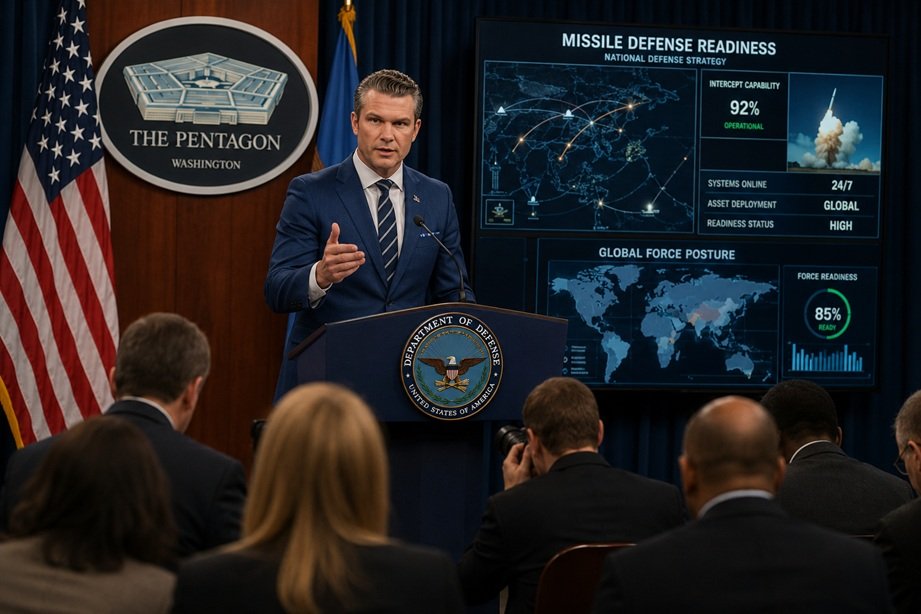

The US armed forces have taken steps once more to assure allies, adversaries, and the international community that its defense strength endures, even in the face of increased global tensions and persistent conflicts in various areas.
Recent statements from high-ranking officials at the Pentagon have ignited international dialogue after military leaders highlighted that US arms reserves remain adequately stocked, despite significant operational demands.
This announcement comes during a time when military analysts, legislators, and defense specialists are attentively scrutinizing the status of American missile stocks, precision-guided armaments, air defense technologies, and overall military preparedness.
Alarm has grown due to extensive military obligations in Europe, the Middle East, and the Indo-Pacific. Simultaneously, Washington is balancing deterrent actions against major powers while providing support to strategic allies globally.
While leaders at the Pentagon exhibit confidence, multiple independent evaluations and defense reports indicate that restoring some advanced missile stocks may necessitate years of ramping up production.
This situation has sparked a significant discussion regarding readiness, production capability, and the future of the US defense manufacturing sector.
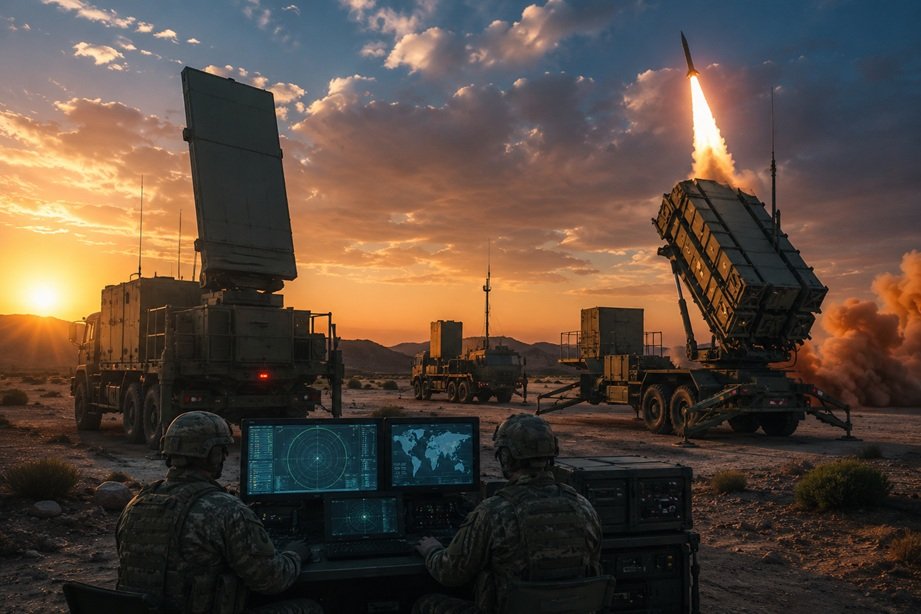
Pentagon Communicates Firm Stance on Military Preparedness
Recently, Defense Secretary Pete Hegseth affirmed that the United States stands ready to engage militarily should diplomatic channels falter in various global crises.
During a prominent security conference in Asia, he underscored that American forces have enough munitions and operational readiness to tackle potential threats.
These assertions aimed to reassure allies who might doubt whether years of global military support and recent hostilities have appreciably diminished US stockpiles.
Pentagon representatives explain that readiness isn’t determined merely by the quantity of missiles stored in depots.
Military strategists assess:
- Global readiness for deployment
- Manufacturing capabilities
- Logistical frameworks
- Reserve stockpiles
- Strategic deterrence tools
- Support mechanisms for alliances
Officials contend that these elements collectively influence combat readiness instead of relying on a single stockpile number.
Consequently, the administration maintains that US arms reserves remain a true reflection of current military evaluations, rather than a political statement.
Why Armament Levels Have Emerged as a Worldwide Concern
Weapon stock levels seldom attract media attention until significant geopolitical incidents arise. However, recent years have placed immense strain on sophisticated weapon systems.
Several factors have driven this heightened interest:
Assistance for Partners
The United States has provided military support to allies facing security challenges.
These assistance packages comprise:
- Air defense interceptors
- Precision-guided munitions
- Advanced missile technology
Escalating Regional Conflicts
Tensions within the Middle East have necessitated considerable military deployments and readiness initiatives.
Missile defense systems have been repeatedly engaged to safeguard personnel, military installations, and allied infrastructure.
Strategic Rivalry with China
American defense strategists are actively preparing for potential challenges in the Indo-Pacific arena.
This preparedness requires maintaining adequate stocks for potential future scenarios involving Taiwan and regional security obligations.
These intersecting demands have prompted experts to closely observe the status of US armament reserves.
The Missiles Commanding the Most Focus
Defense experts often target a small selection of advanced systems due to their exceptional effectiveness and the difficulty of quickly replenishing them.
Among the most talked-about armaments are:
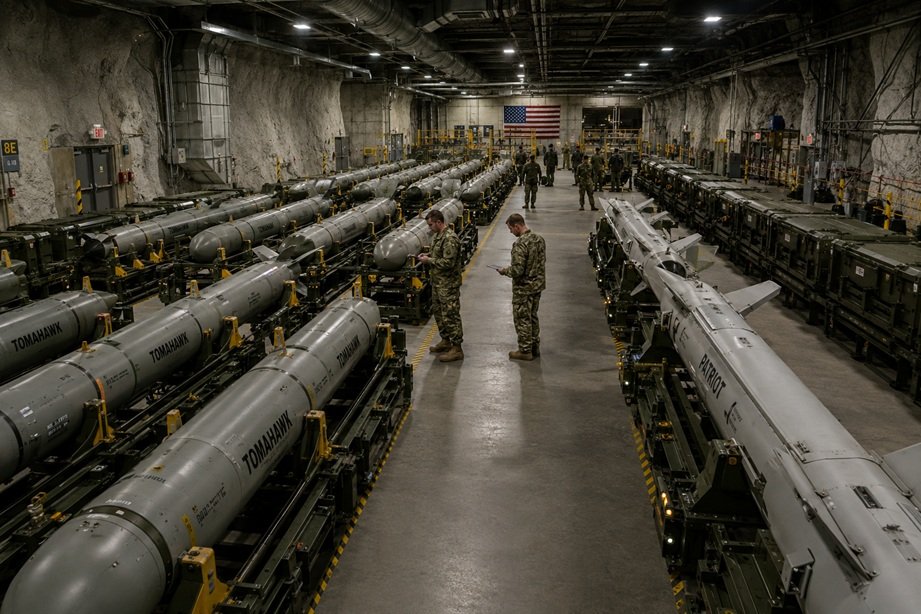
Tomahawk Cruise Missiles
Tomahawk missiles are considered one of the military’s key options for long-range strikes.
Their accuracy and adaptability make them essential for both deterrent strategies and active combat scenarios.
Recent evaluations indicate that replenishing substantial stockpiles may require several years because of production lead times.
Patriot Missile Systems
Patriot missile interceptors are vital for defending against hostile aircraft and incoming missiles.
Their success rate has resulted in their status as one of the most requested defense systems worldwide.
THAAD Interceptors
The Terminal High Altitude Area Defense (THAAD) system is designed to defend against ballistic missile threats.
Due to its specialized function, its production capacity is restricted in comparison to standard munitions.
Standard Missile Variants
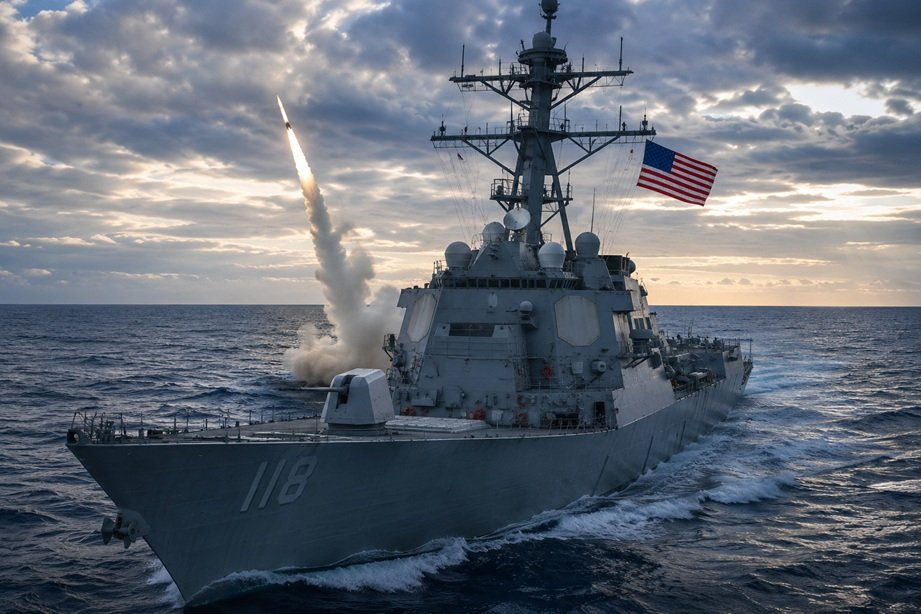
The SM-3 and SM-6 missiles are critical elements in naval missile defense strategies.
Their strategic relevance is on the rise as competition in maritime areas intensifies.
Despite apprehensions regarding these systems, Pentagon officials assert that the current status of US weapons stockpiles accurately represents operational readiness.
The Difference Between Readiness and Inventory Size
The complexity of the discussion arises from the fact that military readiness and the size of inventories are distinct ideas.
A nation can have extensive stockpiles but might lack the capability to deploy, provide logistical support, or exhibit operational versatility.
On the other hand, a military can demonstrate high readiness even if some inventories are below optimal amounts.
Defense analysts typically assess readiness using multiple indicators:
- Availability of personnel
- Standards of training
- Maintenance of equipment
- Mobility in strategy
- Structures of command
- Capabilities in intelligence
- Potential for industrial production
Pentagon leaders contend that the United States continues to perform well across all these areas.
This comprehensive context aids in understanding why officials maintain confidence despite reports outlining production difficulties.
Manufacturing Has Become a National Security Priority
A significant shift in contemporary defense policy is the reinvigorated attention on military manufacturing.
For many years, the production of advanced weaponry occurred at relatively low rates because large-scale conflicts seemed improbable.
The current strategic climate is markedly different.
Recent Pentagon initiatives aim to:
- Expand production lines for missiles
- Boost supplier capabilities
- Accelerate procurement processes
- Minimize manufacturing obstacles
- Enhance industrial resilience
Major defense firms have declared investments in new facilities and the expansion of production capacities to accommodate growing demand.
Officials are optimistic that these initiatives will enhance sustainability over the long term while ensuring inventories can meet upcoming military needs.
How Global Rivals Are Interpreting Pentagon Statements
Military communications are not solely intended for domestic consumption.
They are also scrutinized by rival nations.
When high-ranking American officials publicly stress readiness, the message serves multiple objectives:
Deterrence
Potential threats are signaled that the United States is still capable of responding to any acts of aggression.
Alliance Reassurance
Allies across Europe, Asia, and the Middle East look for assurances that Washington will continue to uphold security commitments.
Strategic Stability
Public confidence helps mitigate the risks of miscalculation by deterring opponents from believing in American frailty.
The Pentagon’s repeated insistence on the readiness of US weapons stockpiles holds strategic importance that transcends mere discussions about inventory.
The Importance of Military Expenditure
The conversation regarding military resources has prompted renewed focus on defense allocations.
Recent suggestions feature major investments in:
- Missile acquisition
- Air defense technologies
- Naval upgrades
- Unmanned aerial vehicle advancements
- Hypersonic technology
- Manufacturing infrastructure
The Defense Department has sought considerable increases in funding to assist in rejuvenating and enlarging vital stockpiles.
Proponents argue that consistent funding is crucial to address increasing global dangers.
Opponents, however, raise doubts about whether financing can adequately resolve production issues if manufacturing capabilities are limited.
Insights Gained from Recent Warfare
Recent military engagements have shown that high-tech weapons can be utilized much quicker than many strategists had anticipated.
Precision-guided munitions, missile defense systems, and long-range attack capabilities frequently serve pivotal functions in modern combat.
Several key insights have been identified:
High-Cost Advanced Weapons
Sophisticated systems require intricate parts and specialized production methods.
Importance of Supply Chains
Hiccups in essential materials can halt production for extended periods.
Extended Conflicts Impose Strain
Prolonged operations can swiftly deplete stockpiles that previously seemed ample.
Strategic Importance of Industrial Capability
The capability to manufacture weapons swiftly has become nearly as critical as having the weapons themselves.
These insights have influenced the Pentagon’s initiatives to bolster the defense production sector while ensuring operational readiness.
America’s Nuclear Deterrence Is Distinct
Conversations regarding conventional missile stockpiles occasionally lead to misunderstandings about nuclear capabilities.
The United States possesses one of the largest nuclear arsenals globally, maintaining a strategic triad consisting of:
- Land-based missile systems
- Strategic bombers
- Submarines with ballistic missiles
Independent evaluations suggest that both the United States and Russia hold the majority of the world’s nuclear arsenal.
These strategic forces are maintained separately from conventional munitions and remain fundamental to the U.S. national security strategy.
Upcoming Challenges for Defense Strategists
While Pentagon officials express assurance at present, various long-term challenges endure.
Increasing Global Demand
Allies persist in seeking advanced military technologies amidst escalating regional strife.
Resource Competition
Multiple fronts demand coordinated planning and readiness.
Technological Advancements
New technologies are reshaping battlefield needs.
Workforce Development
Boosting production calls for proficient labor and specialized skills.
Addressing these issues is likely to shape defense strategies in the forthcoming years.
Experts largely concur that ensuring preparedness involves more than merely acquiring extra missiles.
Ongoing success relies on:
- Developing robust supply chains
- Modernizing production facilities
- Aligning procurement systems with contemporary circumstances
Implications of the Pentagon’s Statement for the Future
The recent Pentagon evaluation expresses assurance that the military is still positioned to fulfill its current security duties.
Officials contend that America’s:
- Global military positioning
- Industrial capacity
- Alliance structures
- Operational expertise
collectively support this view.
Simultaneously, independent reviews continue to underscore weaknesses in particular missile stockpiles and the extended timeframes needed to replenish some advanced systems.
These findings do not necessarily counter Pentagon claims, but they highlight the necessity for long-range planning and industrial growth.
For those in policy-making, defense contracting, military leadership, and allied nations, the conversation ultimately revolves around striking a balance between immediate readiness and future preparedness.
As global power struggles grow and military innovations progress, discussions regarding supplies, manufacturing abilities, and strategic strength are probably here to stay.
Nevertheless, presently, the communication from Washington is unequivocal:
Maintaining US arms reserves is the stance of the Pentagon as it manages a more intricate worldwide security landscape.
Conclusion
The Pentagon’s latest assurance that US weapons stockpiles are ready highlights the United States’ commitment to maintaining military preparedness amid growing global security challenges. While officials remain confident in current readiness levels, independent assessments continue to emphasize the need for faster production and long-term investment in advanced missile systems and defense infrastructure. The debate is no longer centered solely on the number of weapons available but also on manufacturing capacity, supply chain resilience, and the ability to sustain operations during prolonged conflicts. As tensions persist across multiple regions, America’s military strength will depend on balancing immediate readiness with future modernization efforts. For allies, rivals, and defense analysts alike, the message from Washington is clear: the United States believes its forces remain capable, prepared, and equipped to meet current strategic obligations while continuing to strengthen its defense capabilities for the challenges ahead.