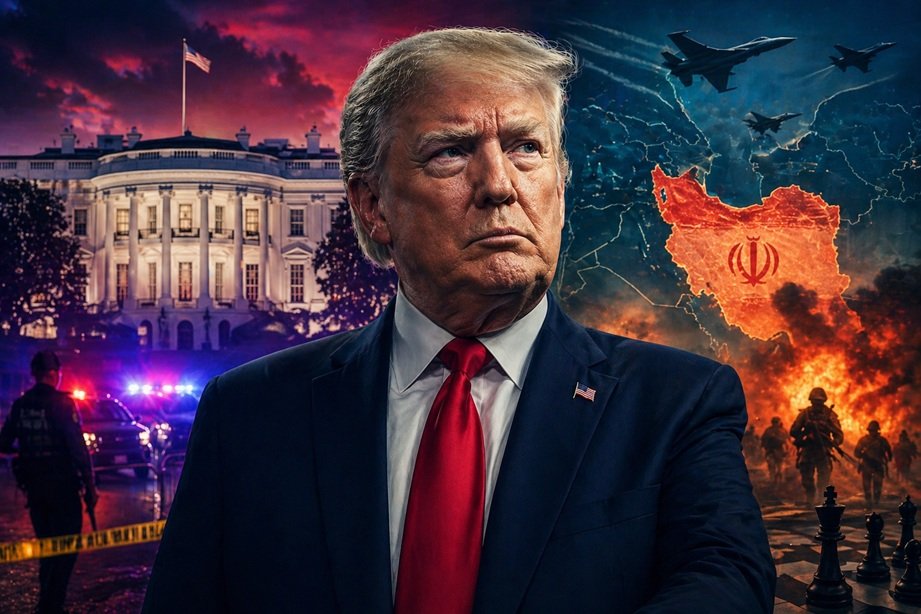

The shocking events surrounding the White House Correspondents’ Dinner have sent ripples across global politics. When Trump says White House dinner shooting won’t deter him from continuing the Iran war strategy, it signals more than just political resolve—it reveals the broader direction of U.S. foreign policy during a tense period.
This wasn’t just another security scare. It was a moment where politics, global conflict, and domestic safety collided in dramatic fashion.
Let’s break down what happened, what Trump actually meant, and why this incident matters far beyond Washington.
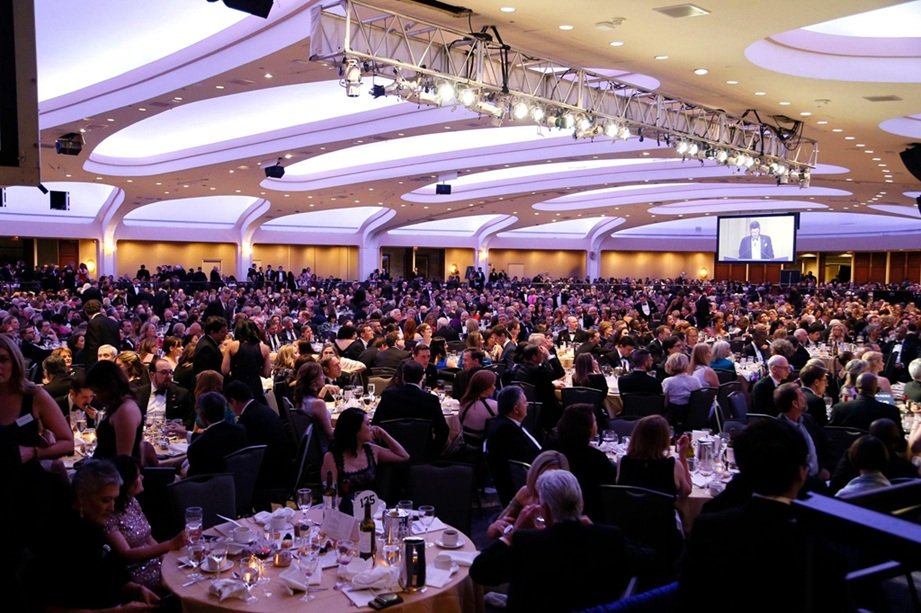
Table of Contents
- Introduction: Trump Says White House Dinner Shooting
- What Happened at the White House Dinner?
- Trump’s Immediate Reaction to the Incident
- Why the Iran War Was Mentioned
- Security Lapses and Rising Concerns
- Political Reactions Across the Spectrum
- Global Reactions to the Shooting
- The Role of the Secret Service
- Media Coverage and Public Perception
- The Bigger Picture: Political Violence in the U.S.
- Could the Shooting Be Linked to Iran?
- Impact on Future High-Profile Events
- The Psychological Impact on Attendees
- Trump’s Leadership Style in Crisis
- What Happens Next?
- Final Conclusion
What Happened at the White House Dinner?
On April 25, 2026, a dramatic shooting incident disrupted the prestigious White House Correspondents’ Dinner in Washington, D.C. The annual event, attended by journalists, politicians, and celebrities, quickly turned chaotic.
According to reports:
- A lone gunman attempted to breach a security checkpoint
- The attacker was armed with a shotgun, handgun, and knives
- Secret Service agents responded immediately and subdued the suspect
- One officer was injured but survived due to a bulletproof vest
Guests, including then-President Donald Trump, were evacuated within seconds. The entire ballroom emptied as security protocols kicked in.
What makes this more alarming is the symbolic nature of the event—it represents press freedom and political transparency in the United States.
Trump’s Immediate Reaction to the Incident
In the hours following the attack, Trump addressed the nation with a firm stance. When Trump says White House dinner shooting would not deter him, he emphasized resilience over fear.
He stated clearly:
- The attacker was likely acting alone
- The situation was under control
- National security priorities would remain unchanged
More importantly, he dismissed any notion that the shooting would influence U.S. military decisions regarding Iran.
This response was consistent with his broader leadership style—projecting strength during crisis moments.
Why the Iran War Was Mentioned
The connection between the dinner shooting and the Iran war might seem unexpected at first. But geopolitics rarely operates in isolation.
At the time of the incident:
- The U.S. was already engaged in escalating tensions with Iran
- Military operations had intensified over the past two months
- Diplomatic channels were strained
When Trump says White House dinner shooting won’t affect the war, it was a message directed at multiple audiences:
- Domestic audience: reassurance that leadership remains stable
- International allies: confirmation of continued commitment
- Adversaries: a signal of unwavering resolve
In simple terms, Trump was saying: “This changes nothing.”
Security Lapses and Rising Concerns
The incident raised serious questions about security at high-profile events.
Key concerns include:
- How the attacker managed to carry multiple weapons
- Whether security screenings were sufficient
- The vulnerability of public venues hosting political leaders
Experts argue that even though the response was swift, the breach itself is alarming.
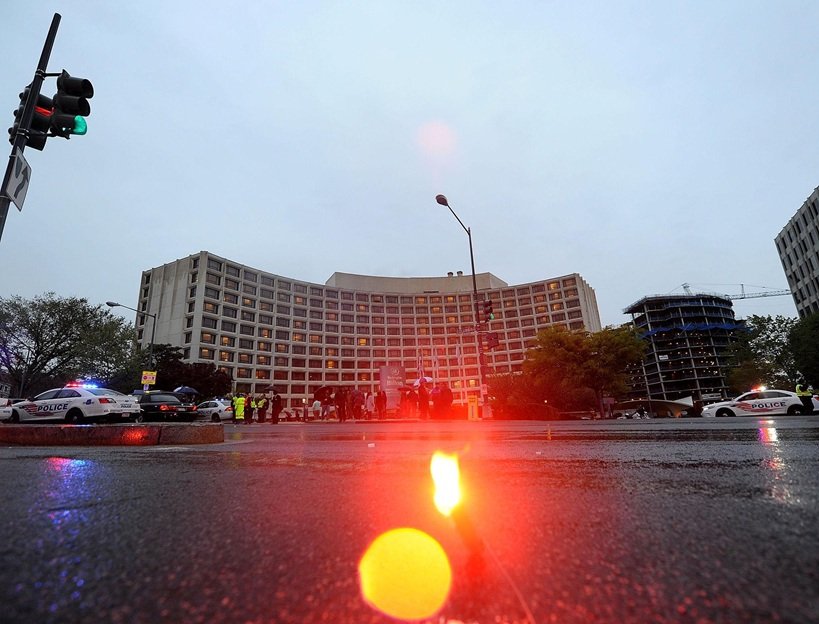
The Washington Hilton, where the dinner was held, has hosted such events for decades. Yet, this incident suggests that traditional security measures may no longer be enough in today’s threat landscape.
Political Reactions Across the Spectrum
When Trump says White House dinner shooting doesn’t change policy, reactions were divided.
Supporters’ View
- Praised his strong and decisive stance
- Highlighted leadership under pressure
- Emphasized the importance of not showing weakness
Critics’ View
- Questioned whether the response was too dismissive
- Raised concerns about escalating tensions with Iran
- Called for a more cautious and diplomatic approach
The divide reflects a broader polarization in U.S. politics—especially when it comes to national security and foreign policy.
Global Reactions to the Shooting
The international community reacted quickly.
World leaders:
- Condemned the violence
- Expressed relief that no major casualties occurred
- Reaffirmed support for democratic institutions
Countries like India, Canada, and Australia issued statements denouncing political violence.
However, there was also quiet concern about:
- Stability within the U.S.
- The implications for global security
- The ongoing Iran conflict
When Trump says White House dinner shooting won’t deter war efforts, it inevitably influences global perceptions of U.S. strategy.
The Role of the Secret Service
One aspect that drew widespread praise was the response from the U.S. Secret Service.
Their actions included:
- Immediate identification of the threat
- Rapid evacuation of key officials
- Neutralization of the attacker without further casualties
The injured officer’s survival due to a bulletproof vest became a powerful symbol of preparedness.
Despite the breach, the response demonstrated:
- High-level training
- Coordination under pressure
- Effectiveness in crisis management
Media Coverage and Public Perception
Media outlets across the globe covered the incident extensively. The narrative, however, varied.
Some focused on:
- The dramatic nature of the attack
- Eyewitness accounts and chaos inside the venue
Others emphasized:
- Trump’s reaction
- The connection to Iran
- Broader political implications
When Trump says White House dinner shooting isn’t a deterrent, headlines quickly framed it as a defining moment in his presidency.
Public perception followed two key lines:
- Confidence in leadership
- Concern about increasing instability
The Bigger Picture: Political Violence in the U.S.
This incident is part of a larger trend.
Political violence in the U.S. has:
- Increased in frequency
- Become more visible
- Raised concerns across party lines
The White House dinner shooting adds to a growing list of security incidents involving political figures.
When Trump says White House dinner shooting won’t change policy, it also raises a deeper question:
Are leaders becoming desensitized to such threats?
Could the Shooting Be Linked to Iran?
Authorities have not established a direct connection between the attacker and the Iran conflict.
Trump himself suggested:
- The incident was likely unrelated
- There was no immediate evidence of foreign involvement
However, speculation continues.
Experts point out:
- Timing can influence perception
- Global conflicts often inspire lone actors
- Investigations take time to confirm motives
Even without a confirmed link, the overlap between domestic violence and international conflict cannot be ignored.
Impact on Future High-Profile Events
Following the incident, major changes are expected in how such events are conducted.
Possible outcomes include:
- Stricter security protocols
- Enhanced screening technologies
- Shift to more secure venues
In fact, discussions about moving events to more controlled environments have already gained momentum.
When Trump says White House dinner shooting highlights security concerns, it indirectly supports calls for reform.
The Psychological Impact on Attendees
Beyond politics and policy, there’s a human side to this story.
Attendees described:
- Panic and confusion
- Moments of uncertainty
- Fear for personal safety
For many journalists and officials, the event was supposed to be a celebration. Instead, it became a traumatic experience.
These emotional impacts often go underreported but play a significant role in shaping public discourse.
Trump’s Leadership Style in Crisis
One thing is clear—Trump’s response fits a consistent pattern.
When facing crises, he tends to:
- Project confidence
- Minimize perceived threats
- Emphasize strength and continuity
When Trump says White House dinner shooting won’t deter war plans, it aligns with his broader political messaging.
Supporters see this as leadership. Critics see it as risky.
What Happens Next?
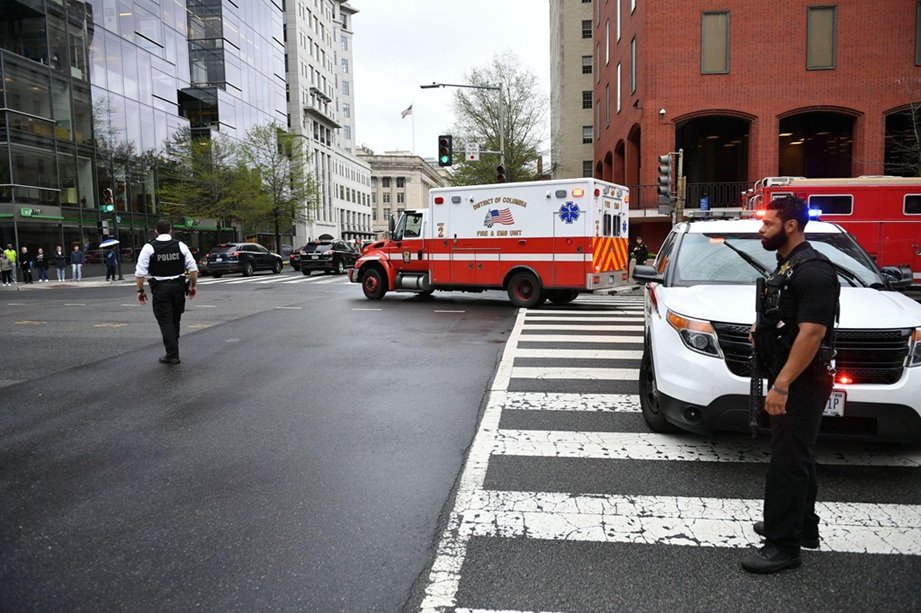
The investigation into the shooting is ongoing.
Authorities are focusing on:
- The attacker’s background
- Possible motives
- Security lapses
At the same time, geopolitical tensions remain high.
Key developments to watch:
- U.S. military strategy regarding Iran
- Changes in domestic security policies
- Political fallout from the incident
When Trump says White House dinner shooting doesn’t change course, the real test will be whether events on the ground support that claim.
Final Conclusion
The incident at the White House Correspondents’ Dinner marked a tense and defining moment in U.S. political and security history. Despite the chaos, the swift response from security agencies prevented a far more serious outcome. What stood out most was the strong and unwavering stance taken when Trump says White House dinner shooting would not deter his administration’s direction on the Iran war.
This response sends a clear message of resilience and continuity, reinforcing that national policies—especially those tied to global conflicts—will not be easily shaken by isolated acts of violence. At the same time, the event exposed vulnerabilities in high-profile security arrangements, raising important questions about future preparedness.
Globally, the incident has added another layer of complexity to an already sensitive geopolitical environment. Domestically, it has sparked debate over leadership, security, and political tone during crisis situations.
In the end, while the shooting created shockwaves, it also highlighted the balance between strength and caution. The real impact will unfold over time, as both security reforms and foreign policy decisions continue to shape the narrative ahead.