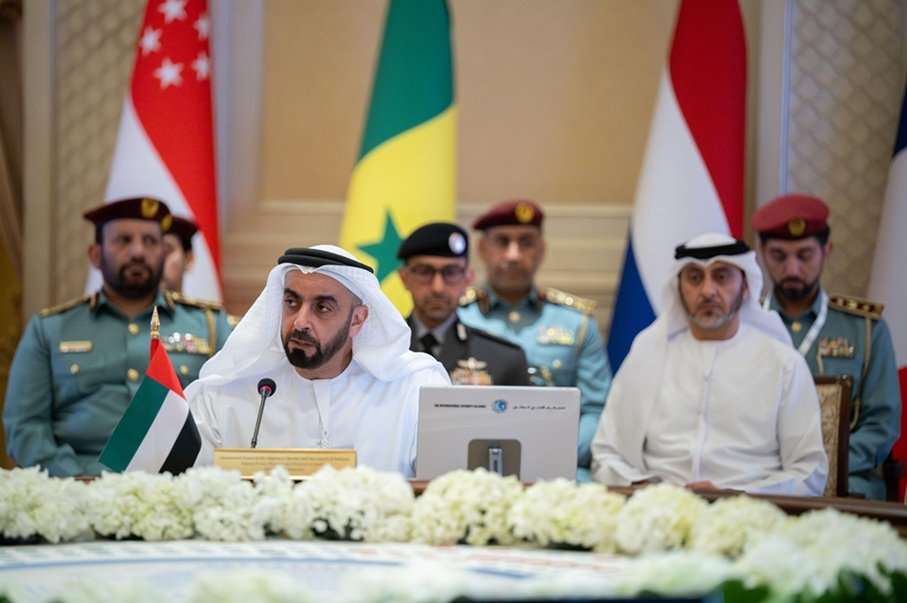

The phrase UAE confront extremism isn’t just a political statement—it reflects a long-term national strategy shaped by security challenges, regional tensions, and global cooperation. In recent years, the United Arab Emirates has positioned itself as one of the most proactive nations in tackling extremism, both within its borders and beyond.
So what’s really happening behind the headlines? And why is this topic gaining so much global attention right now?
Let’s unpack everything—from the latest developments to the broader strategy that defines how the UAE handles extremism in today’s complex world.

Table of Contents
- Introduction to UAE confront extremism
- Why the UAE Takes Extremism Seriously
- Recent Developments: Foiled Terror Plot
- UAE Leadership’s Strong Response
- Core Strategy Behind UAE’s Anti-Extremism Policy
- Legal Framework and Laws
- Security and Intelligence Systems
- Prevention-Focused Approach
- Role of International Cooperation
- Diplomatic Partnerships
- Intelligence Sharing
- Regional Context and Growing Threats
- Changing Nature of Modern Extremism
- Promoting Tolerance and Cultural Harmony
- UAE’s Soft Power Strategy
- Challenges and Criticism
- Role of Technology in Countering Extremism
- Economic Importance of Stability
- What Makes UAE’s Approach Unique
- Future of UAE’s Anti-Extremism Efforts
- Final Conclusion
Understanding Why the UAE Takes Extremism Seriously
The UAE is not just another country in the Middle East—it’s a global hub for business, tourism, and multicultural living. With over 200 nationalities living together, maintaining stability isn’t optional—it’s essential.
This is exactly why UAE confront extremism has become a central pillar of national policy.
A Nation Built on Stability
Unlike regions plagued by ongoing conflicts, the UAE has worked hard to build:
- A safe environment for residents and investors
- A strong global reputation for peace and tolerance
- A diversified economy not dependent solely on oil
Any threat of extremism directly impacts these goals.
Historically, while terrorist incidents in the UAE have been rare, the country has remained vigilant due to its strategic importance and global connections.
Recent Developments: A Foiled Terror Plot
One of the most recent reasons the phrase UAE confront extremism is trending comes from a major security operation.
Authorities successfully dismantled a terrorist organization that was:
- Planning acts of sabotage
- Attempting to recruit young individuals
- Promoting misleading ideologies linked to foreign groups
According to reports, the group posed a threat to national unity and internal stability.
Leadership Response
Sheikh Abdullah bin Zayed Al Nahyan strongly reiterated that the country will maintain a zero-tolerance policy toward terrorism and extremism.
He emphasized:
- The importance of international cooperation
- The need to eliminate root causes of extremism
- A commitment to long-term peace and security
This response clearly shows that UAE confront extremism is not reactive—it’s proactive.
The Core Strategy Behind UAE’s Anti-Extremism Policy
So how exactly does the UAE approach extremism?
It’s not just about arrests or surveillance. The strategy is multi-layered and deeply structured.
1. Strong Legal Framework
The UAE has implemented strict counter-terrorism laws designed to:
- Criminalize extremist ideologies
- Prevent terror financing
- Monitor suspicious activities
Organizations linked to extremism—including global groups—have been officially banned under national law.
This legal backbone ensures that UAE confront extremism is backed by enforceable action.
2. Advanced Security and Intelligence
Security agencies in the UAE are known for their efficiency and rapid response.
Recent operations highlight:
- Early detection of threats
- Use of intelligence networks
- Coordinated actions across departments
The foiled plot is a perfect example of how effectively the system works in real-time.
3. Focus on Prevention, Not Just Reaction
Here’s where things get interesting.
The UAE doesn’t just wait for threats—it actively works to prevent them.
This includes:
- Monitoring online radicalization
- Educational initiatives promoting tolerance
- Community engagement programs
Because let’s be honest—stopping extremism after it starts is much harder than preventing it in the first place.
The Role of International Cooperation
Extremism isn’t confined to borders. And the UAE knows that.
That’s why UAE confront extremism also involves working closely with global partners.
Diplomatic Engagement
The UAE regularly collaborates with:
- Neighboring Gulf countries
- Western nations
- International security organizations
For instance, discussions with regional leaders often focus on eliminating terrorism at its roots, not just handling immediate threats.
Intelligence Sharing
Global cooperation allows:
- Faster identification of cross-border threats
- Tracking of financial networks
- Prevention of international terror operations
In today’s interconnected world, no country can fight extremism alone.
Regional Context: Why This Matters More Than Ever
To fully understand why UAE confront extremism is so important, you need to look at the broader Middle East.
Rising Regional Tensions
Recent geopolitical events—including conflicts and proxy wars—have increased the risk of extremist activities across the region.
The UAE has openly condemned attacks and called for stability, highlighting the dangers of unchecked extremism.
A Changing Threat Landscape
Modern extremism is no longer limited to:
- Physical attacks
- Organized groups
It now includes:
- Cyber radicalization
- Lone-wolf actors
- Ideological propaganda
This evolving threat requires equally dynamic responses—and that’s exactly what the UAE is implementing.

Promoting Tolerance: The UAE’s Soft Power Strategy
Here’s something many people overlook.
While security measures are crucial, the UAE also invests heavily in promoting tolerance and coexistence.
A Culture of Diversity
The UAE is home to people from all over the world, living and working together peacefully.
This diversity is supported by:
- Policies promoting religious freedom
- Cultural exchange programs
- National initiatives encouraging unity
Human Fraternity and Peace
The UAE actively promotes global messages of peace and harmony.
Leaders often highlight that the country is:
- A model of coexistence
- A safe space for different cultures
- A hub for dialogue and understanding
This softer approach complements the harder security measures.
Challenges and Criticism
No strategy is perfect—and it’s important to look at the full picture.
Concerns Over Strict Laws
Some international organizations have raised concerns about:
- Broad definitions of extremism
- Use of counter-terror laws in legal cases
- Transparency in judicial processes
These concerns highlight the balance every country must strike between:
- Security
- Civil liberties
The Ongoing Debate
Critics argue that:
- Strong laws can sometimes limit freedom of expression
- Oversight mechanisms should be improved
Supporters, on the other hand, believe:
- Strict measures are necessary in today’s threat environment
- Prevention requires decisive action
It’s a complex issue with no one-size-fits-all answer.
How Technology is Changing the Game
Let’s talk about something futuristic—but very real.
Technology is playing a huge role in how UAE confront extremism today.
Digital Surveillance and AI
Modern tools help authorities:
- Track suspicious online behavior
- Identify radicalization patterns
- Predict potential threats
Cybersecurity Measures
Extremism often spreads online, so the UAE focuses heavily on:
- Monitoring social media platforms
- Blocking extremist content
- Collaborating with tech companies
This digital approach is becoming just as important as physical security.
The Economic Angle: Why Stability Matters
You might be wondering—how does extremism affect the economy?
The answer: a lot.
Investor Confidence
The UAE attracts global investors because of its stability.
Any rise in extremism could:
- Reduce foreign investment
- Impact tourism
- Slow economic growth
Protecting Global Business Hub Status
Cities like Dubai and Abu Dhabi rely on their image as safe, modern destinations.
That’s why UAE confront extremism is also about protecting economic progress.
What Sets the UAE Apart?
Many countries fight extremism—but the UAE’s approach stands out.
A Balanced Strategy
Instead of focusing on just one aspect, the UAE combines:
- Security enforcement
- Legal measures
- Cultural initiatives
- International partnerships
Consistency in Policy
Over the years, the UAE has maintained a consistent stance:
- Zero tolerance for extremism
- Strong global cooperation
- Continuous improvement of security systems
This consistency builds trust—both domestically and internationally.
The Future of UAE’s Anti-Extremism Efforts
Looking ahead, what can we expect?
More Global Collaboration
The UAE is likely to:
- Strengthen alliances
- Expand intelligence-sharing networks
- Participate in global counter-terror initiatives
Increased Use of Technology
Expect more:
- AI-driven security systems
- Advanced surveillance tools
- Digital monitoring platforms

Continued Focus on Tolerance
Alongside security, the UAE will continue promoting:
- Peaceful coexistence
- Cultural diversity
- Global dialogue
Because in the long run, ideas—not just actions—shape the future.
Final Conclusion
The UAE’s approach to confronting extremism reflects a clear, calculated, and forward-thinking strategy. Rather than relying solely on force, the country blends strong security measures with preventive policies, international cooperation, and a deep commitment to tolerance. This balanced model not only protects national stability but also strengthens its global image as a safe and progressive nation.
Recent actions, including the successful disruption of terror plots, highlight how seriously the UAE takes potential threats. At the same time, its focus on education, coexistence, and digital monitoring shows an understanding that modern extremism requires modern solutions.
In a world where security challenges continue to evolve, the UAE stands out by staying one step ahead—combining vigilance with vision. Ultimately, its efforts demonstrate that combating extremism isn’t just about eliminating danger, but about building a society where such ideologies struggle to take root.