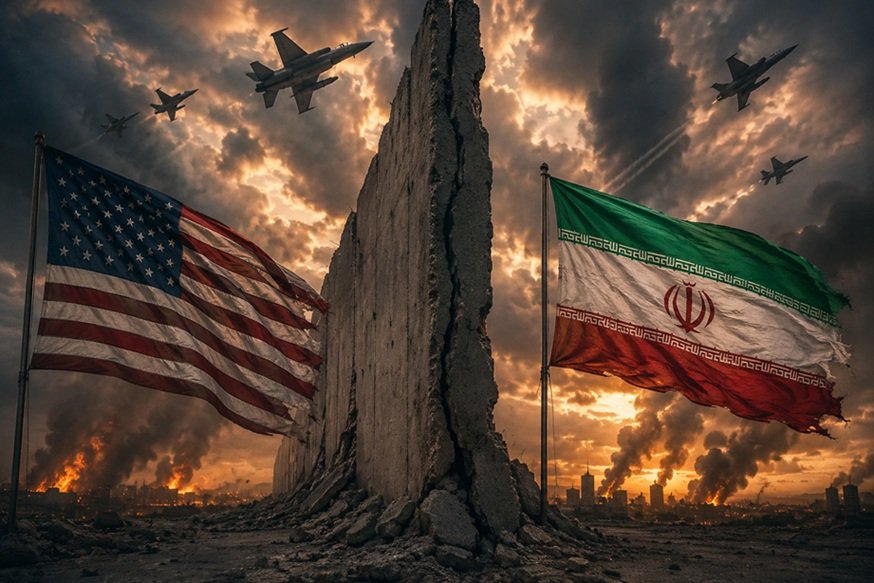

The recent military confrontations between Iran and the United States caught the attention of the world as they occurred while peace talks were still ongoing regarding a potential ceasefire and a long-term arrangement. Many people around the globe were puzzled by the question: why did military action occur precisely when peace discussions seemed to be advancing?
The explanation is much more intricate than a straightforward “peace negotiations collapsed” story. Various factors, including intelligence assessments, military pressures, nuclear apprehensions, oil transportation routes, domestic political issues, and regional partnerships, were simultaneously interacting. Reports suggest that the US deemed it crucial to act immediately to deter what officials labeled as direct dangers to American personnel and shipping channels in that area.
At the same time, Iran contended that the attacks undermined diplomatic initiatives and illustrated that the US could not be relied upon during negotiations. Tehran accused the United States of intentionally heightening tensions while discussions were taking place in Qatar and through other diplomatic means.
This situation has escalated into one of the most perilous geopolitical crises of 2026, as it intertwines military aggression with unresolved diplomatic efforts. Oil prices surged dramatically, investors reacted with anxiety, and numerous nations began to formulate emergency measures for potential widespread instability in the Middle East.
The Immediate Cause of the Attacks
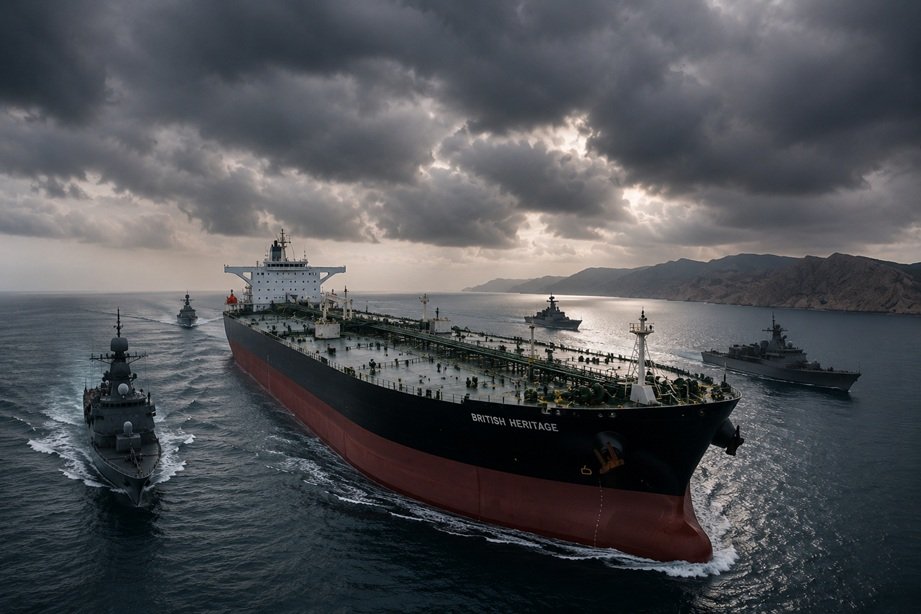
Statements from US Central Command indicated that American forces aimed at missile launch facilities and vessels supposedly trying to place mines near the Strait of Hormuz. Officials characterized the action as a “self-defense strike” intended to safeguard US troops and global shipping lanes.
Why the Strait of Hormuz Is Critical
The Strait of Hormuz is recognized as one of the most crucial energy transit points globally. A significant portion of the world’s oil deliveries passes through this slender channel on a daily basis. Any disruption in this area has an immediate impact on fuel costs, shipping insurance, and international economic markets.
US representatives contended that Iranian military operations posed risks to:
- Commercial oil vessels
- American naval missions
- Allied military installations
- Global energy equilibrium
Iran countered claims about aggressive sea maneuvers, asserting that Washington inflated the perceived threat to rationalize military escalation. Officials from Iran further cautioned that ongoing strikes during negotiations would obliterate any remaining trust between the two parties.
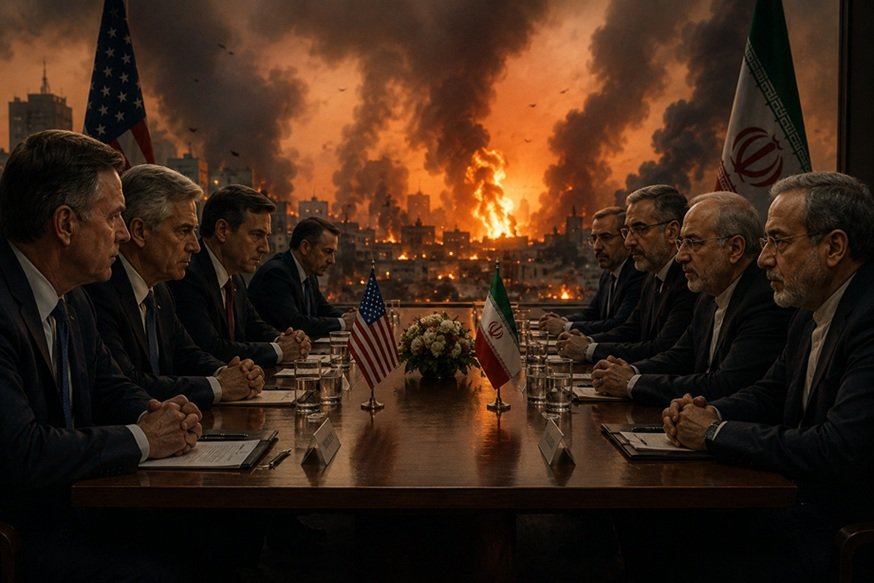
The timing of the attacks was particularly noteworthy, as negotiations were reportedly still in progress in Qatar. Diplomats were engaged in talks over sanctions relief, access to shipping, and prospective restrictions on nuclear capabilities when the military actions took place.
How Peace Negotiations Reached a Breaking Point
To grasp the current crisis, it is vital to examine the preceding months leading up to the conflict.
Previous diplomatic initiatives had indicated promising developments. Reports revealed that Iran was open to discussing uranium limitations and international monitoring while the US was looking into easing select economic sanctions.
Nonetheless, the negotiations encountered significant challenges from the start.
Concerns About the Nuclear Program
The United States consistently claimed that Iran was advancing too close to the capability of developing nuclear weapons. Leaders from the US and Israel argued that Tehran’s enrichment efforts posed a long-term threat to security.
Iran maintained that its nuclear program was intended solely for civilian and energy needs. Tehran also contended that Western nations had breached earlier agreements first, particularly following past sanctions and military interventions.
Struggles for Regional Influence
The discord was never solely focused on nuclear matters.
The Middle East has transformed into a stage for clashing influences that entail:
- Groups in the region supported by Iran
- Military partnerships of the United States
- Concerns regarding Israeli security
- Rivalries among Gulf states
- Protection of energy transportation routes
Every negotiation carried potential military repercussions, as various regional entities were anxious about losing their strategic edge if an agreement heavily favored one party.
Fragile Ceasefire Conditions
Evidence indicates that the ceasefire initiated earlier in 2026 was already precarious before the latest assaults took place. Accusations of breaches, drone incidents, and naval clashes sustained a high level of tension.
This situation meant that discussions were taking place in an environment where both parties anticipated the possibility of renewed hostilities at any time.
Why the Strait of Hormuz Matters So Much
One of the primary factors contributing to the escalation revolves around the Strait of Hormuz.
This narrow passage links the Persian Gulf to global markets and accommodates a significant volume of worldwide oil exports. Even mere speculation about instability in this area can lead to a rapid increase in energy prices.
Following reports of military actions near the strait, crude oil prices responded promptly. Global markets feared interruptions in shipping, potential mine placements, and a larger regional conflict.
American officials stressed that reopening and safeguarding the strait remained a key objective. Secretary of State Marco Rubio reportedly asserted that the passage “must remain open by any means necessary.”
For the United States, permitting Iran to dominate or threaten shipping access would result in severe repercussions globally.
Economic Impact of Hormuz Disruptions
If the strait becomes hazardous:
- Global oil prices may soar
- Freight expenses would escalate significantly
- Asian economies could encounter fuel shortages
- Inflationary pressures could mount around the world
- International markets may face volatility
This illustrates why military actions near the strait immediately sparked worldwide alarm.
The Political Pressure on Washington
Another significant element involves the internal political climate in America.
US presidents frequently encounter considerable pressure during global crises. Any impression of weakness towards Iran becomes a politically charged issue, especially amid military tensions.
Some experts suggest that Washington aimed to show that negotiations would not impede military actions if American forces were in jeopardy. Conversely, others contend that the attacks were meant to enhance the US bargaining position ahead of forthcoming discussions.
Critics within the US raised concerns that conducting attacks during negotiations might undermine diplomacy instead of strengthening leverage.
Numerous American legislators expressed apprehension that extended military engagement could instigate another expensive conflict in the Middle East with uncertain outcomes.
Iran’s Response and Strategic Messaging
Iran reacted vehemently following the strikes.
Officials from Iran alleged that the United States breached diplomatic protocols and disrupted ongoing talks. The Revolutionary Guard reportedly issued warnings of retaliation and claimed responsibility for downing an American drone.
Tehran also employed assertive language to portray itself as a victim of external aggression. Iranian leaders insisted that the assaults indicated Washington’s inability to distinguish between military pressure and diplomatic efforts.
Why Iran Avoids Full-Scale War
In spite of the belligerent declarations, Iran seems cautious about steering clear of an extensive regional conflict.
A larger war could harm:
- Iran’s economic standing
- Oil facilities
- Domestic political equilibrium
- Trade routes
- International alliances
As a result of this, Iran persists in balancing retaliatory actions with diplomatic signals. Officials aim to project strength while avoiding a situation that spirals out of control.
Israel’s Role in the Scenario
Conversations regarding Iran and the United States invariably involve Israel.
Israeli security personnel have consistently warned that Iran’s developments in nuclear and missile technology constitute a serious threat to their existence. Israeli authorities adamantly advocate for military pressure on Tehran when intelligence points to an enhancement in nuclear capacity.
It has been reported that Israel held significant skepticism toward any negotiations that might grant Iran considerable regional power or nuclear capabilities.
This added complexity to the peace negotiations, as Washington had to take into account:
- Israeli security requirements
- Concerns of Gulf partners
- Stability of regional alliances
- Responses from domestic politics
Consequently, maintaining a diplomatic balance became exceedingly challenging.
Immediate Reactions in Oil Markets
The financial markets reacted almost immediately once the news of the strikes broke.
Prices for Brent crude surged as investors worried about increased instability in the Middle East. Analysts cautioned that prolonged disruptions could lead to an even steeper rise in oil prices if shipping lanes became threatened.
Nations reliant on imported energy began to observe alternative supply chains.
Countries such as India, China, Japan, and various European states closely monitored the situation, as oil from the Middle East is vital for their industrial economies.
Reasons for Investor Anxiety
Investment markets have an aversion to uncertainty above nearly all other conditions.
The combination of:
- Ongoing risks of war
- Incomplete diplomatic efforts
- Threats to shipping routes
- Tensions surrounding nuclear capabilities
- Military retaliation
produced an ideal setting for market volatility.
Even in the absence of a full-scale conflict, prolonged instability alone can undermine confidence in trade and investment.
Is There Still a Chance for Peace Talks to Proceed?
Unexpectedly, the answer is affirmative.
In spite of the military escalation, representatives from various nations continued to indicate that negotiations were not entirely off the table. Reports suggested that diplomatic channels remained accessible through intermediaries such as Qatar and Pakistan.
This occurrence is not unusual in contemporary geopolitics.
Historical patterns reveal that nations sometimes pursue negotiations even amidst military actions. In certain instances, strikes serve to heighten leverage in discussions rather than completely withdraw from diplomatic efforts.
What Future Negotiations May Focus On
Upcoming discussions might center on:
- Limits to nuclear enrichment
- Inspections by international bodies
- Security in the Strait of Hormuz
- Lifting sanctions
- Exchanges involving prisoners
- Agreements for ceasefires in the region
Nevertheless, restoring trust following military clashes will prove to be exceedingly challenging.
How the Conflict Affects the Wider Middle East
The ongoing situation surpasses just the US and Iran.
Numerous neighboring nations are anxious about getting caught between rising powers. Local governments are apprehensive about:
- Instability among refugees
- Disruptions in energy supplies
- Conflicts through proxies
- Threats of terrorism
- Economic instability
Nations such as Saudi Arabia, Qatar, and the UAE are cautiously managing diplomacy while safeguarding their own security needs.
Simultaneously, global powers like China and Russia are attentively monitoring the situation since the conflict has repercussions on energy markets and international relationships.
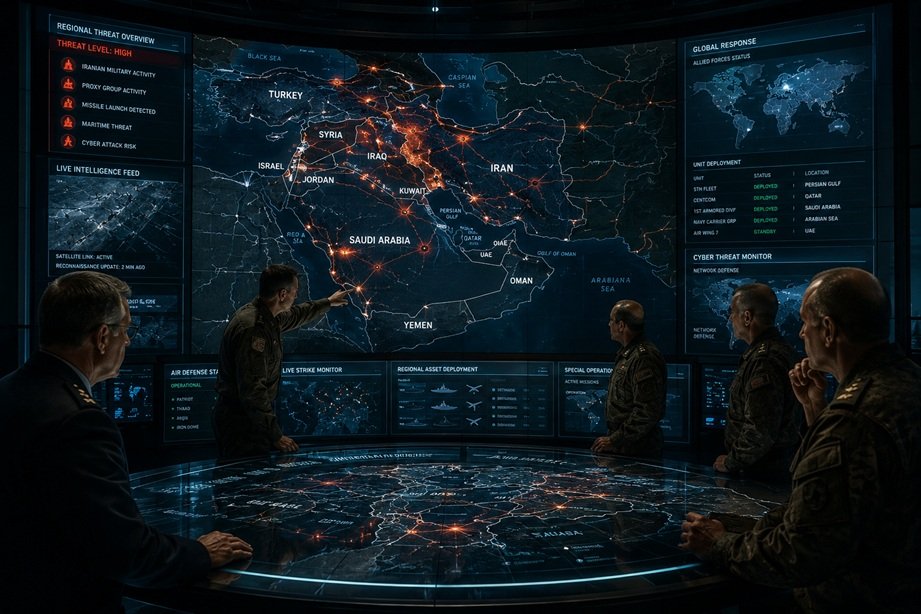
The Information War Around the Conflict
Contemporary conflicts are fought with more than just missiles and drones; they also involve the battle of narratives.
Both Washington and Tehran are attempting to influence global perspectives.
The United States depicts the strikes as necessary military measures aimed at safeguarding forces and trade routes. In contrast, Iran claims these actions exemplify the US using diplomacy as a facade for its aggression.
Social media platforms, state-run media outlets, and global news reports have heightened the competition for public perception.
Why This Information Struggle Matters
This information struggle is significant because public sentiment can impact:
- International relations
- Economic embargoes
- Support for diplomatic efforts
- Military partnerships
Why This Crisis Feels Different
The Middle East has a history of numerous military engagements, yet this scenario feels particularly perilous due to the simultaneous occurrence of diplomacy and conflict.
Typically, negotiations cease entirely once major military actions commence. In this instance, diplomatic communication has persisted even as military activities have intensified.
This situation results in confusion and unpredictability.
No nation seems fully inclined toward all-out war, yet none appear ready to retreat either.
The Current Reality
The consequence is a precarious in-between state where:
- Military actions persist
- Diplomats continue their negotiations
- Oil markets face instability
- Regional tensions escalate
This uncertainty is precisely why global attention is fixed on ongoing developments.
Final Thoughts
The recent confrontation between the United States and Iran was not triggered by one single incident. It developed from months of escalating military strains, fears surrounding nuclear activities, concerns over shipping security, political strategic moves, and delicate diplomacy.
While officials in the US characterized the assaults as defensive maneuvers necessary for the protection of troops and international trade routes, Iran interpreted them as confirmation that negotiations were being deliberately undermined.
The primary worry now is whether both parties can avoid limited military skirmishes escalating into a broader regional conflict.
At present, diplomacy remains, but trust has significantly weakened.
The upcoming weeks may reveal whether the Middle East heads toward another extended conflict or if negotiations can persist amid one of the most tense geopolitical crises of 2026.