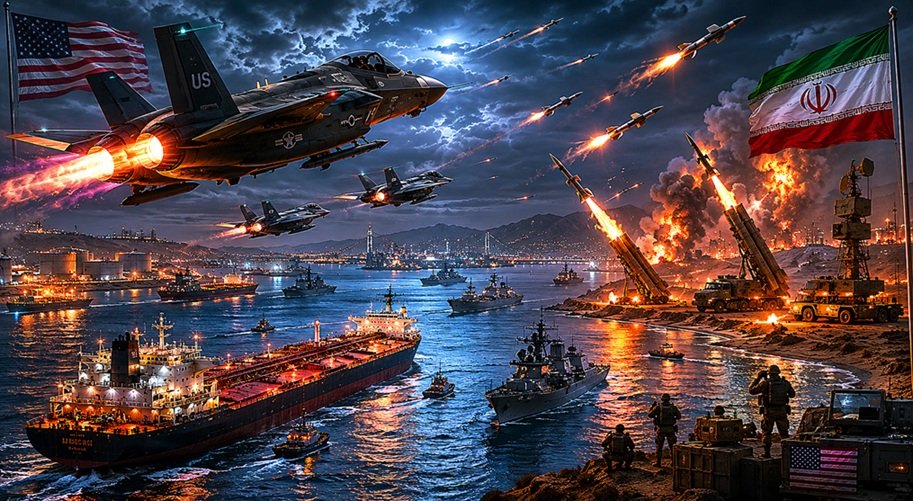

The recent military clash between the United States and Iran has once again thrust the Middle East into the global spotlight. Initially starting as precise American military actions, the situation has rapidly evolved into a perilous geopolitical standoff, with Tehran issuing threats of retaliation and calls for restraint from world leaders.
The crisis escalated following U.S. forces executing what they referred to as “defensive strikes” targeting Iranian-associated military installations and missile launch locations. Iran issued stern warnings, claiming that the U.S. was infringing upon delicate diplomatic agreements and threatening repercussions should the assaults persist.
This developing crisis is already impacting:
- Oil prices
- International diplomacy
- Military preparedness in the Gulf area
- Global investor confidence
Experts suggest that the upcoming weeks will be crucial in determining whether the conflict remains constrained or expands into a far-reaching regional war.
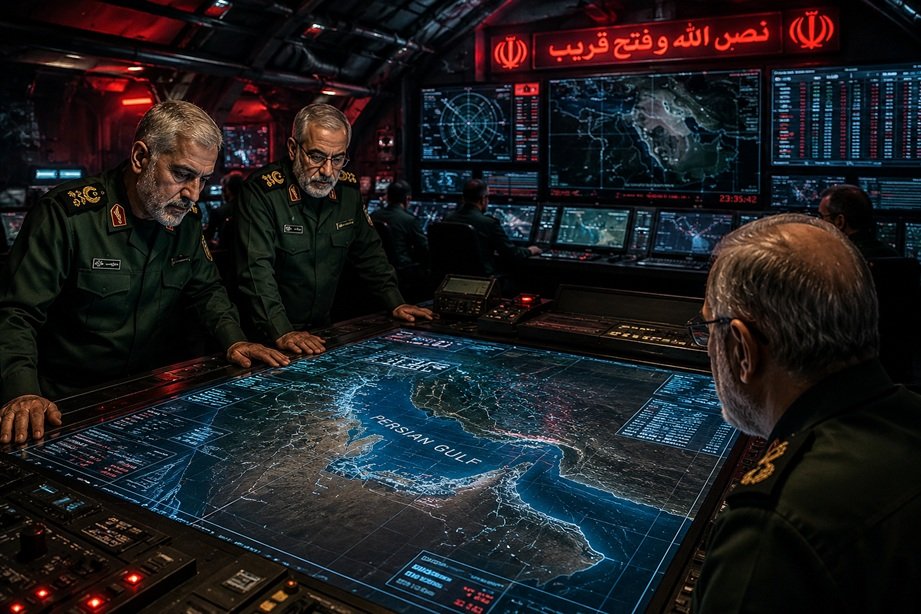
Reasons Behind the U.S. Strikes
U.S. Central Command communicated that American forces aimed at missile sites and vessels believed to be engaged in mine-laying activities near the Strait of Hormuz. Officials contended that these actions were critical for protecting American personnel and ensuring safety in maritime operations.
Washington characterized the strikes as cautious and defensive, not signaling the start of a larger offensive campaign, but Tehran strongly disputed this characterization.
Iranian officials claimed that the United States intentionally breached ceasefire agreements and jeopardized current negotiations. They stated that the strikes revealed a lack of sincerity during a delicate diplomatic moment.
This conflict mirrors a broader trend that has influenced U.S.-Iran interactions for many years:
- Disputes over nuclear issues
- Proxy conflicts in the region
- Tensions at sea in the Persian Gulf
- Sanctions and economic strategies
- Military rivalries throughout the Middle East
Each successive confrontation deepens the distrust, rendering diplomatic efforts increasingly vulnerable.
Iran’s Reaction Fuels Anxieties of Retaliation
Iran’s Revolutionary Guard and top political figures swiftly responded following the strikes. Statements disseminated through state-controlled media indicated that Tehran would not overlook aggression against its territory or military assets.
Iranian officials framed the incident as a direct affront to national sovereignty. Several leaders cautioned that any further strikes could provoke intensified military reactions aimed at U.S. interests in the area.
The harsh rhetoric immediately raised concerns over potential escalation, as Iran has numerous options for retaliation, including:
- Missile attacks on regional installations
- Disruptions at sea in the Gulf
- Cyber warfare
- Operations by proxy militias
- Drone strikes on vital infrastructure
Military analysts assert that even limited retaliation could initiate a new cycle of counterattacks, leading to increased instability in the region.
The recent U.S. strikes against Iran warning has thus evolved into more than just a news item. It signifies a broader geopolitical threat involving:
- Energy security
- International commerce
- Military partnerships
Strait of Hormuz Faces Renewed Strain
One of the primary worries associated with the crisis is the Strait of Hormuz, the narrow waterway crucial for transporting a significant portion of the world’s oil supply.
U.S. officials alleged that certain targeted Iranian vessels were partaking in mine-laying operations near this vital waterway. Iran refuted any aggressive intentions and accused the U.S. of fabricating justifications for military escalation.
The Strait of Hormuz has always been one of the most critical energy passageways in the world. Disruptions in this area can quickly impact:
- Oil transport routes
- Worldwide fuel costs
- Inflation rates
- Global commerce
- Financial markets
Following the attacks and threats of retaliation, the prices of crude oil saw a significant increase as investors grew concerned about potential supply interruptions.
Experts in energy predict that extended instability in the Gulf region could lead to severe economic repercussions extending well beyond the Middle East.
Diplomatic Negotiations Persist Despite Military Intensification
Interestingly, in spite of the intense rhetoric, diplomatic negotiations between the two parties have not entirely fallen apart.
Sources suggest that talks facilitated by regional intermediaries like Qatar and Pakistan are still in progress. These discussions reportedly center on relief from sanctions, maritime access, and wider ceasefire terms.
This unusual blend of military conflict and ongoing diplomatic efforts illustrates the intricacies of contemporary geopolitical disputes. Both Washington and Tehran seem to recognize that a full-blown conflict would entail substantial costs.
Diplomats involved in the conversations indicate that several critical matters have yet to be settled:
Blocked Iranian Funds
Iran is reportedly advocating for access to billions of dollars in funds that are currently inaccessible due to international sanctions.
Shipping Regulations
The status of trade routes and naval restrictions in the Persian Gulf is a significant topic of discussion in negotiations.
Influence in the Region
U.S. officials are continuing to exert pressure on Iran regarding its support for armed groups in the region and its missile programs.
Nuclear Issues
While the current discussions are not solely centered on nuclear matters, future talks may eventually revisit topics like uranium enrichment and global inspections.
The ongoing diplomatic efforts imply that neither party currently wishes for uncontrollable escalation, even in the context of sustained military pressure.
Global Financial Markets Respond Swiftly
Financial markets reacted promptly to the rising tensions.
Oil prices increased following Iran’s warnings of retaliation, while investors turned to more secure assets amid apprehensions of a larger conflict.
The reaction of the energy market demonstrates how sensitive the global economy is to unrest in the Middle East.
Multiple sectors could experience substantial strain should tensions escalate further:
- Aviation
- Shipping
- Manufacturing
- Industries that are energy-intensive
- Global supply networks
Central banks are also vigilantly observing the situation, as rising oil costs could complicate efforts to manage inflation internationally.
Consequently, the current U.S. military strikes against Iran warning has evolved into a significant economic concern as well as a military one.
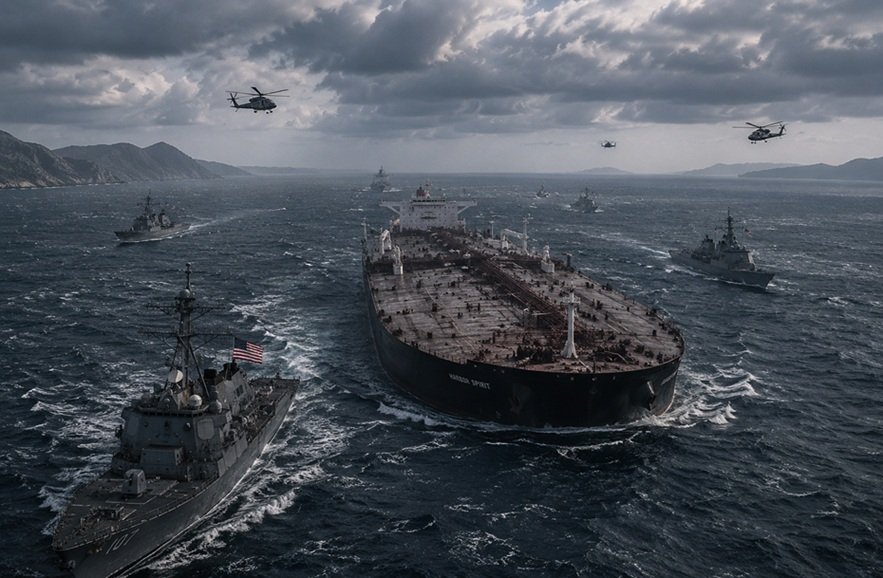
Concerns of Misjudgment Among Military Analysts
Security analysts caution that unintentional escalation poses one of the greatest risks.
Modern conflicts can escalate quickly due to misunderstandings, cycles of retaliation, and political pressures. Even if both governments wish for a limited confrontation, ground-level events can swiftly spiral out of control.
Analysts identify several perilous aspects:
Heavy Military Deployment
The Gulf region is home to U.S. warships, Iranian naval forces, drones, missile installations, and allied troops operating in close proximity.
Proxy Forces
Regional militias affiliated with Iran are active across various nations, heightening the potential for flashpoints.
Political Pressures
Leaders on both sides confront domestic pressures to maintain a strong image and avoid appearing weak following military encounters.
Economic Considerations
Any significant interruptions in oil exports could lead to increased international pressure and volatility.
Experts contend that the primary challenge lies in sustaining communication channels during periods of crisis.
Regional Powers Observe Closely
Middle Eastern nations are vigilantly observing the situation as an escalation could impact the entire area.
Gulf states are anxious about being positioned between Washington and Tehran if the conflict intensifies. Some administrations favor increased American pressure on Iran, while others express concern about the repercussions of military escalation.
Israel is also significantly engaged in the larger regional dynamics. Conflicts involving:
- Hezbollah
- Gaza
- Lebanon
persistently complicate security assessments.
In the meantime, China and Russia are expected to pay close attention to these developments, given their strategic and economic ties to Iran and the region’s energy supplies.
There is a general consensus within the international community: a wider conflict would destabilize global markets and pose severe humanitarian threats.
Information Warfare Is Intensifying
A crucial facet of the ongoing crisis is the struggle over public perceptions.
U.S. officials continue to frame military involvement as essential defensive actions. Conversely, Iranian media characterizes the assaults as hostile infringements aimed at undermining diplomacy.
Both nations are focused on influencing global sentiment while ensuring domestic backing.
Social media has significantly amplified the crisis. Videos, military footage, political analysis, and unverified claims are proliferating online, often heightening public worry and confusion.
Experts warn that misinformation during international crises can escalate tensions and incite panic.
Could the Situation Escalate Further?
The key question at this point is whether the present standoff remains contained or develops into a larger issue.
Analysts are debating multiple potential scenarios.
Limited Retaliation
Iran might opt for a symbolic response and steer clear of provocations that could lead to major U.S. escalation.
Diplomatic Pause
Backchannel conversations could ease frictions and provide temporary stability.
Regional Escalation
Proxy battles involving local militias might increase across neighboring nations.
Maritime Crisis
Additional incidents in the Strait of Hormuz could hinder shipping and fuel exports.
Expanded Military Operations
A cycle of strikes and counterstrikes could potentially drag various nations into direct conflict.
Currently, most observers feel both parties still wish to avert a large-scale war. Nonetheless, the level of uncertainty is exceedingly high.
The ongoing U.S. strikes and Iran’s warnings highlight how delicate the regional equilibrium has become.
How Everyday People Might Experience the Consequences
Individuals far removed from the Middle East could ultimately feel the repercussions of escalating tensions.
Global disputes impacting significant energy routes often affect daily life through:
- Increased fuel costs
- Higher shipping fees
- Soaring inflation rates
- Fluctuations in the stock market
- Disruptions in airline services
Businesses engaged in global commerce are especially susceptible during times of geopolitical uncertainty.
Consumers might witness higher prices for transportation and products if oil prices keep rising.
Thus, investors, governments, and international agencies are keeping a vigilant eye on every occurrence.
The Background Leading to the Crisis
The recent clash has not arisen in a vacuum.
The relationship between Washington and Tehran has been intensely strained since the Iranian Revolution in 1979. Over time, the disputes have encompassed:
- Nuclear advancements
- Economic restrictions
- Armed conflicts
- Proxy warfare
- Cyber warfare
- Battles for regional influence
Every administration has taken a unique stance towards Iran, yet suspicion has endured for several generations.
The current turmoil is a continuation of a longstanding geopolitical rivalry.
Experts point out that both nations frequently blend diplomatic efforts with military pressure at the same time. This intricate approach may lead to temporary stability but also allows for sudden escalations.
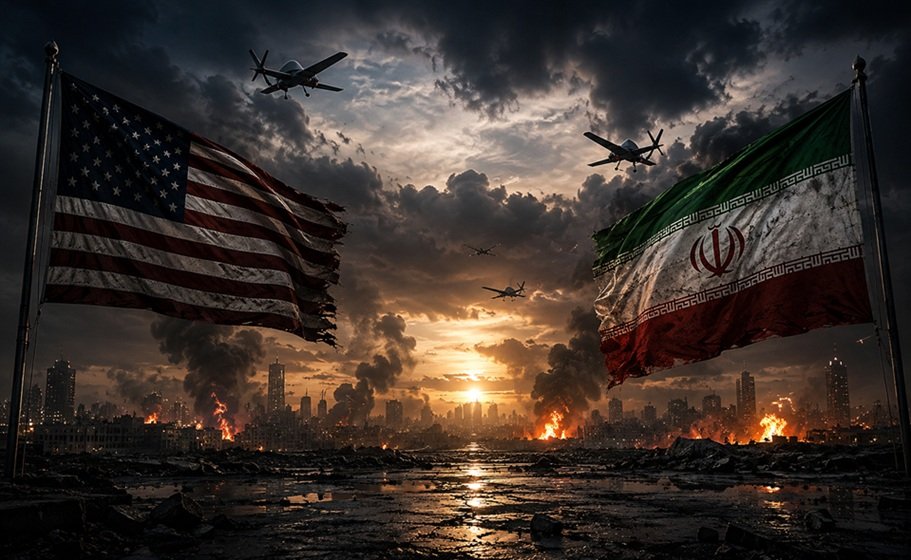
The latest US military action warning Iran signifies both an immediate security dilemma and an extension of enduring tensions spanning decades.
Future Developments
The upcoming days are likely to be pivotal.
Diplomatic discussions might still avert a broader conflict, but much hinges on whether further military incidents take place. An attack resulting in substantial casualties could significantly change the dynamic.
There is an increasing international call for restraint as governments express concern over economic disruptions and regional unrest.
Currently, the world is closely monitoring several crucial developments:
- Iran’s forthcoming military choices
- U.S. military presence in the Gulf
- Reactions within the oil market
- Diplomatic advancements in Doha and other avenues
- Engagement of regional proxy factions
The situation continues to be dynamic, unpredictable, and extremely delicate.
Although neither party seems inclined towards full-scale warfare, history demonstrates that geopolitical crises can escalate swiftly when distrust, military actions, and political pressures intersect.
The ongoing standoff has already unsettled energy markets, heightened global unease, and raised new security concerns in one of the world’s most strategically vital areas.
Conclusion
The escalating tensions between the United States and Iran have pushed the Middle East into a highly uncertain and dangerous phase. While both sides continue military posturing and issue strong warnings, diplomatic channels remain active in an attempt to prevent a larger regional conflict. The crisis has alread
y impacted global oil markets, investor confidence, and international security concerns. As the world closely monitors developments in the Strait of Hormuz and surrounding regions, the coming days will be critical in determining whether diplomacy can ease tensions or whether the confrontation could spiral into wider instability.