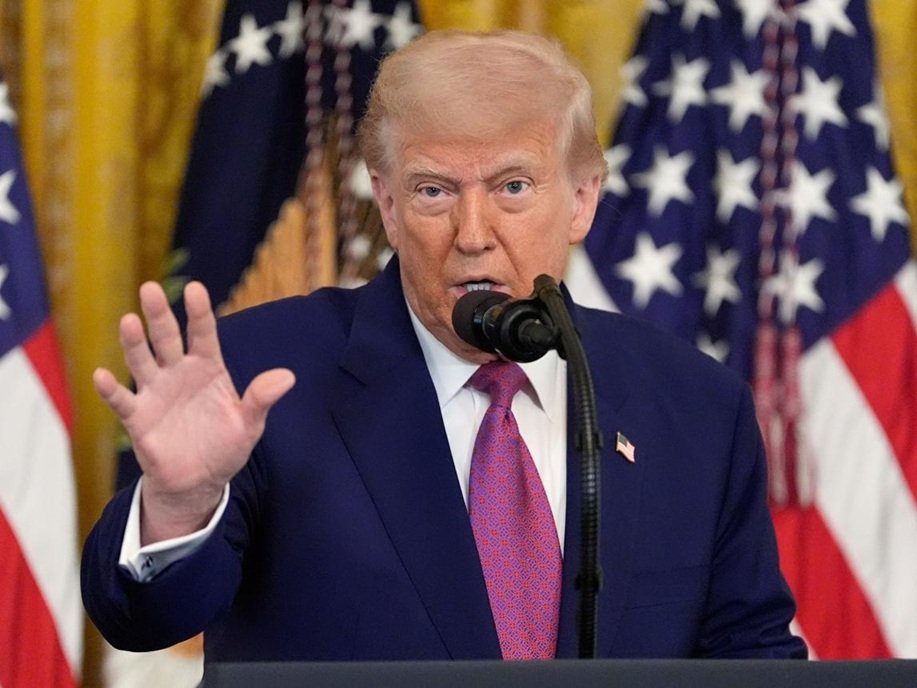

The geopolitical chessboard in the Middle East just got more complicated. In a move that surprised some and frustrated others, Trump extends Iran ceasefire but maintains blockade, creating a paradox that’s shaping global diplomacy, oil markets, and military strategies all at once.
At first glance, extending a ceasefire sounds like a step toward peace. But keeping a naval blockade in place? That’s where things get tense—and honestly, a bit confusing for anyone trying to follow what’s really happening.
So what’s going on here? Why extend peace while continuing pressure? And what does it mean for the world?
Let’s break it down in a way that actually makes sense.
Table of Contents
- Introduction: Trump Extends Iran Ceasefire but Maintains Blockade
- Understanding the Ceasefire Extension
- Why the Blockade Still Matters
- The Strait of Hormuz: Global Importance
- Iran’s Response and Position
- Economic Impact on Oil and Global Markets
- Military Strategy Behind the Decision
- Peace Talks: Progress or Stalemate
- Human Cost of the Conflict
- Global Reactions: Support and Criticism
- Can Ceasefire and Blockade Coexist?
- What Happens Next?
- Strategic Importance of the Blockade
- The Bigger Geopolitical Picture
- Final Conclusion
Understanding the Ceasefire Extension
The announcement that Trump extends Iran ceasefire but maintains blockade came during a critical phase of negotiations. The original ceasefire was meant to create space for diplomatic talks, particularly those mediated by Pakistan.
However, the extension wasn’t exactly a gesture of goodwill—it came with conditions.
According to multiple reports, the United States decided to prolong the ceasefire to:
- Allow more time for negotiations
- Push Iran toward presenting a unified proposal
- Prevent immediate escalation of military conflict
At the same time, Washington made it clear that the ceasefire extension didn’t mean a relaxation of pressure tactics.
That’s where the blockade comes in.
Why the Blockade Still Matters
Here’s the core contradiction: while the guns are (mostly) silent, the economic and strategic pressure hasn’t eased.
When Trump extends Iran ceasefire but maintains blockade, the message is simple—talk peace, but negotiate from strength.
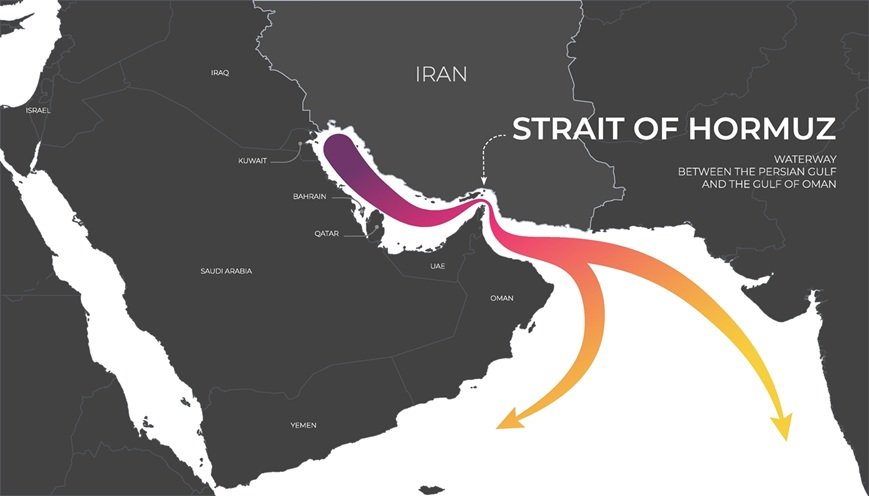
The blockade primarily targets Iranian ports and restricts maritime movement, especially around the Strait of Hormuz. This region isn’t just any waterway—it’s one of the most critical oil transit routes on the planet.
Nearly 20% of global oil supply passes through this narrow channel.
So, controlling or restricting it? That’s a massive leverage point.
The Strait of Hormuz: Why Everyone Is Watching
The Strait of Hormuz isn’t just geography—it’s power.
When the policy of Trump extends Iran ceasefire but maintains blockade plays out here, the consequences ripple globally.
Key facts about Hormuz:
- It connects the Persian Gulf to the Arabian Sea
- It’s the main export route for oil from Gulf countries
- Even minor disruptions can spike global oil prices
Recent reports show that shipping activity has already dropped significantly, with only a handful of vessels passing through during peak tension.
That’s not just a regional issue—it affects fuel prices worldwide.
Iran’s Response: Skepticism and Resistance
Unsurprisingly, Iran hasn’t exactly welcomed the move.
From Tehran’s perspective, the idea that Trump extends Iran ceasefire but maintains blockade feels contradictory—if not outright hostile.
Iranian officials have argued that:
- A blockade during a ceasefire violates the spirit of peace
- Economic restrictions are a form of warfare
- Negotiations cannot proceed under pressure
Some Iranian leaders have even labeled the blockade as an “act of war,” signaling just how fragile the situation remains.
And that’s the problem: a ceasefire without trust isn’t really a ceasefire—it’s just a pause.
Economic Impact: Oil, Markets, and Global Ripple Effects
Let’s talk money—because this situation isn’t just political, it’s deeply economic.
When Trump extends Iran ceasefire but maintains blockade, the global economy feels it almost instantly.
Oil Prices and Supply Chains
- Oil prices remain volatile due to uncertainty
- Supply disruptions affect Asia, Europe, and beyond
- Shipping costs increase due to security risks
Iran alone is reportedly losing hundreds of millions of dollars daily due to restricted exports.
Market Reactions
- Gulf stock markets show mixed performance
- Energy-dependent economies face instability
- Investors remain cautious
This is one of those rare situations where a policy decision in one region reshapes financial trends worldwide.
Military Strategy Behind the Decision
Let’s be honest—this isn’t just about diplomacy.
The decision where Trump extends Iran ceasefire but maintains blockade is deeply rooted in military strategy.
What the U.S. aims to achieve:
- Maintain leverage without escalating into full war
- Pressure Iran economically rather than militarily
- Control key maritime routes
By keeping the blockade, the U.S. ensures that Iran feels the squeeze—even while talks are ongoing.
It’s a classic strategy: negotiate with one hand, apply pressure with the other.
Peace Talks: Progress or Stalemate?
The extension was supposed to give peace talks a boost. But has it worked?
Not exactly.
While discussions are ongoing, several factors are slowing progress:
Major Roadblocks
- Lack of trust between both sides
- Disagreements over nuclear policies
- Continued military and naval actions
In fact, some reports suggest that negotiations are on shaky ground, with both sides accusing each other of bad faith.
So yes, the ceasefire exists—but peace? Still far away.
The Human Cost of the Conflict
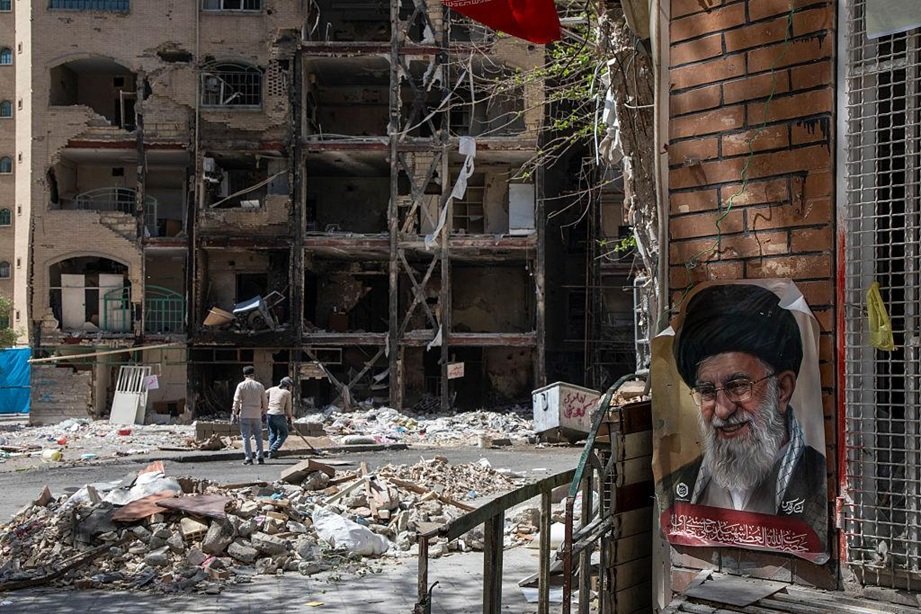
Behind all the strategy and headlines, there’s a harsh reality—people are suffering.
The broader conflict leading up to the moment where Trump extends Iran ceasefire but maintains blockade has already caused:
- Thousands of civilian deaths
- Massive displacement across regions
- Infrastructure damage in multiple countries
Over 5,000 people have reportedly died since the conflict began.
That’s a reminder that this isn’t just politics—it’s real lives.
Global Reactions: Allies and Critics
The international community is watching closely—and reacting in different ways.
Supporters say:
- The strategy keeps pressure on Iran
- It avoids immediate escalation
- It strengthens negotiating power
Critics argue:
- It undermines the purpose of a ceasefire
- It risks prolonging the conflict
- It creates instability in global markets
Countries dependent on Middle Eastern oil are especially concerned, as disruptions could lead to long-term economic consequences.
Can Both Strategies Work Together?
Here’s the big question: can peace and pressure coexist?
The policy where Trump extends Iran ceasefire but maintains blockade tries to do exactly that.
But it’s a delicate balance.
On one side:
- The ceasefire reduces immediate violence
On the other:
- The blockade increases long-term tension
This dual approach might work in theory—but in practice, it risks pushing both sides further apart.
What Happens Next?
Predicting the future in this situation is tricky—but a few scenarios seem likely.
Possible Outcomes
- Successful negotiations: If Iran agrees to terms, the blockade could ease
- Extended stalemate: Talks drag on with no clear resolution
- Renewed conflict: If tensions rise, the ceasefire could collapse
Right now, the situation remains fluid, with developments changing almost daily.
Strategic Importance of the Blockade
To truly understand why Trump extends Iran ceasefire but maintains blockade, you have to look at leverage.
The blockade isn’t just a military move—it’s a bargaining chip.
By controlling access to key shipping routes, the U.S. gains:
- Economic influence
- Strategic dominance
- Negotiation power
But it also comes with risks—especially if Iran decides to retaliate.
The Bigger Picture: A Global Power Play
This isn’t just about the U.S. and Iran.
The situation ties into broader global dynamics:
- Energy security
- Regional alliances
- International trade routes
When policies like Trump extends Iran ceasefire but maintains blockade come into play, they influence everything from oil prices in Asia to diplomatic relations in Europe.
Final Conclusion
The situation where Trump extends Iran ceasefire but maintains blockade highlights a complex mix of diplomacy and pressure that continues to shape global politics. While the ceasefire offers a temporary pause in direct conflict, the ongoing blockade keeps tensions alive, preventing any real sense of stability.
This dual approach reflects a calculated strategy—seeking negotiations without losing leverage. However, it also creates uncertainty, not just for the nations involved but for the entire world, especially in terms of oil supply, trade, and economic balance.
Ultimately, the outcome will depend on whether both sides can move beyond distrust and find common ground. If diplomacy succeeds, this could mark a turning point toward stability. But if tensions escalate again, the fragile ceasefire may collapse, leading to wider consequences.
For now, the world watches closely as this high-stakes geopolitical situation continues to unfold.